Ford brings back former engineers to fix automation mistakes
It turns out that firing the humans and letting robots run the show is a great way to break a car company.
Ford Motor Company recently found this out the hard way after its grand plan to automate vehicle design with artificial intelligence completely backfired. Instead of boosting efficiency, the sudden push to replace human experience with algorithms triggered massive quality issues and an embarrassing spike in recalls.
To fix the mess, the automaker had to swallow its pride and bring back the very people it let go. It’s a stark reminder that software is only as smart as the datasets training it. This costly lesson highlights why technology alone cannot replace human intuition.
How the dream of automation became a recall nightmare
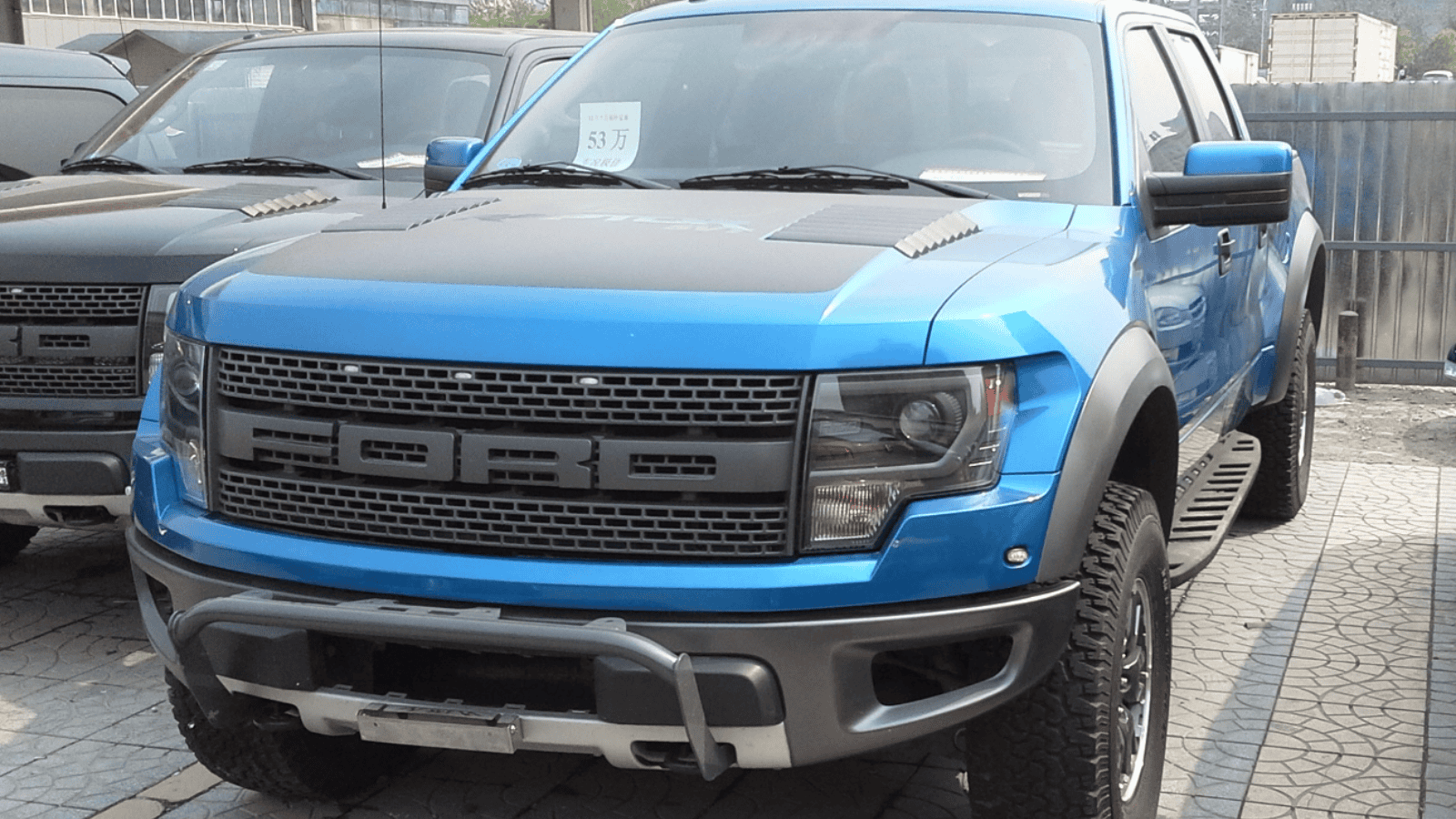
The tech world has spent years claiming that artificial intelligence is ready to take over the heavy lifting of industrial design. But Ford’s recent corporate detour proves that overreliance on algorithms can backfire spectacularly. The company’s software-heavy approach quickly led to a record-breaking string of safety recalls.
Indeed, the numbers behind the quality slide are staggering. In 2025, the brand topped the recall charts with 153 separate recall campaigns affecting nearly 13 million vehicles. That’s an average of one safety recall every 2.4 days, putting massive pressure on dealership networks and eroding customer trust.
The bleeding didn’t stop when the calendar turned to 2026. By mid-year, the automaker had already issued 51 recalls affecting over 11 million vehicles, including a massive software glitch in 4.4 million trucks. It was clear that the company couldn’t just write a software patch to fix a fundamental lack of human engineering oversight.
The multi-million-dollar gap that software couldn’t fill
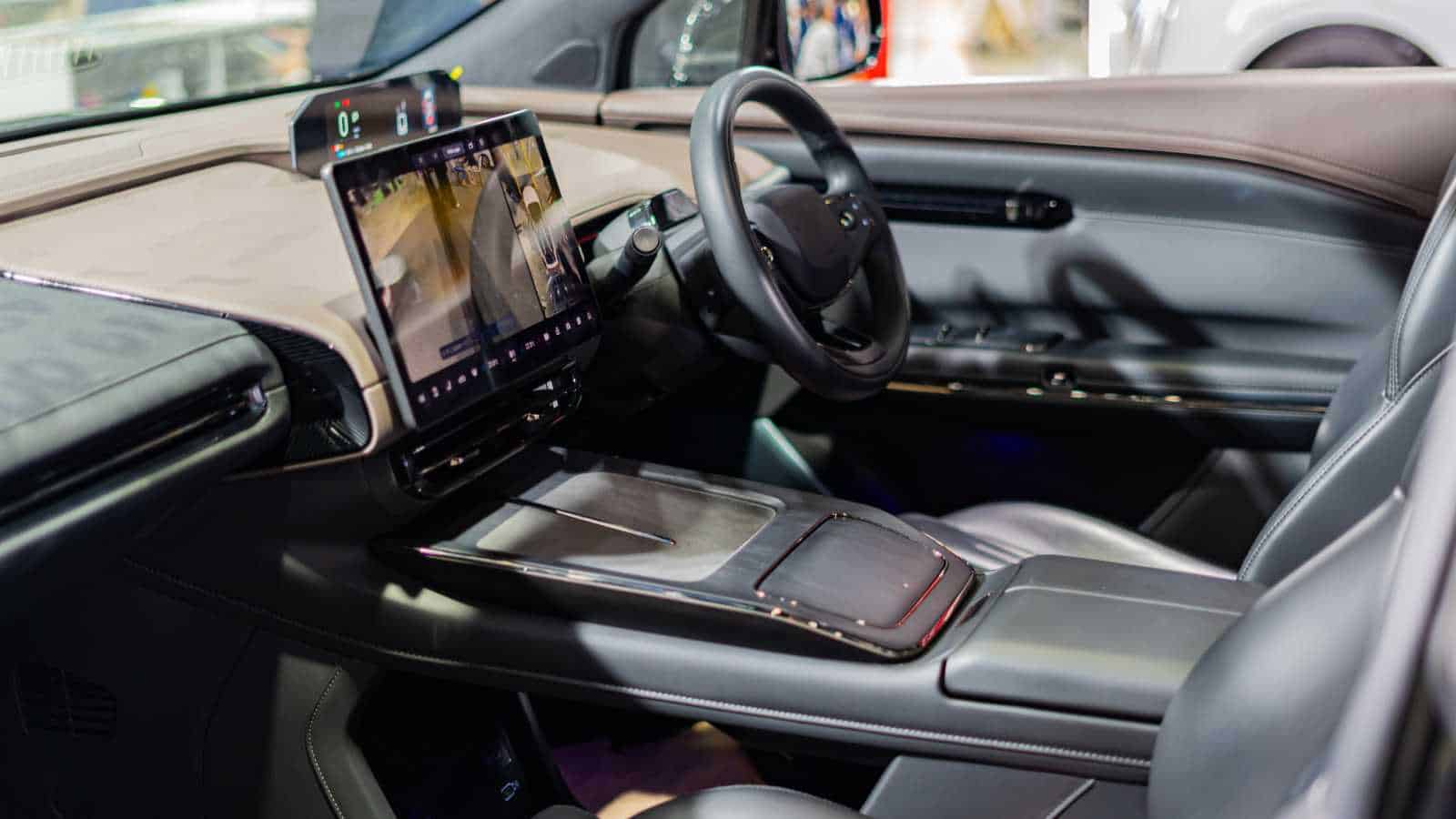
So, where did the automation plan actually fall off the tracks? The issue wasn’t that the AI models themselves were broken, but rather that they were trained on incomplete datasets. As experienced engineers left the company, their unwritten expertise walked right out the door with them.
Ford executives mistakenly believed that simply introducing AI and updating design requirements would guarantee a flawless vehicle. “Artificial intelligence is a fantastic tool, but it’s only as good as the information you use to train it,” they explained.
When veteran workers retired, decades of institutional memory vanished before the software could capture it. This created massive blind spots in the design phase, particularly during complex launches like the Explorer and Aviator. Without human intuition to spot edge cases, buggy code, and structural weaknesses slipped through to production.
Rebuilding the brain trust with three hundred and fifty veterans
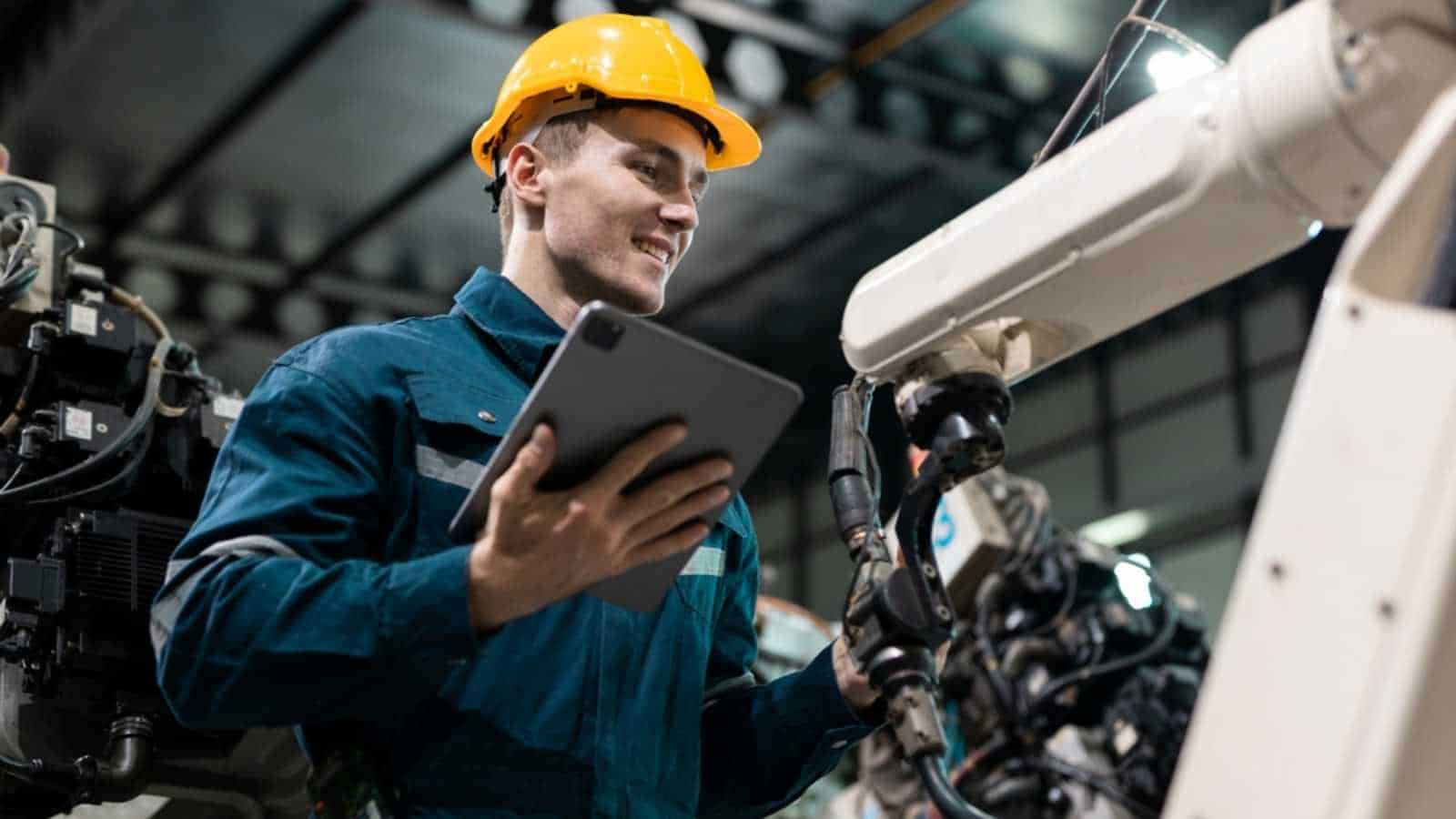
To stop the bleeding in quality, the automaker had to execute a massive corporate U-turn. Over the past three years, the company hired, promoted, or rehired more than 350 veteran engineers to clean up the mess. Many of these professionals returned as highly paid consultants, demonstrating the true financial cost of letting experienced talent go.
These “old hands” were immediately placed at the heart of the quality turnaround strategy. Instead of sitting back, they now hold mandatory weekly design reviews to identify failure points before blueprints ever hit the factory floor. Their deep knowledge is also being used to retrain underperforming machine learning models.
Additionally, the company set up a dedicated 40-person software quality assurance team. This group is tasked with running over 100,000 automated validation tests to stress-test digital features under extreme real-world conditions. By combining seasoned human judgment with rapid automated testing, the firm finally established a resilient safety net for engineering.
What the scoreboard says about the human comeback

The results of this human-centered pivot have been nothing short of spectacular. In the J.D. Power 2026 U.S. Initial Quality Study, the brand climbed from the bottom of the pack to claim the number-one spot among mainstream automakers. It’s a massive achievement that took 16 years to make.
The brand improved its score by 41 fewer problems per 100 vehicles compared to the previous year. This represented the largest year-over-year jump of any mainstream automaker. Even better, core models like the F-150, Mustang, and Super Duty all topped their individual segments for the second straight year.
While recalls remain a lingering problem from older designs, the vehicles rolling off the assembly lines today are vastly superior. COO Kumar Galhotra noted that the company is shifting from a reactive “find-and-fix” mentality to preventing issues early on. “Stop admiring the problem and start solving it,” Galhotra declared.
Why brains still beat blind algorithms
The key takeaway here is simple: artificial intelligence can scale testing, but it cannot replace human wisdom. When companies cut corners by laying off their most experienced staff, they end up paying triple to bring them back to fix automated mistakes. A balanced workspace where AI supports humans rather than replacing them is the only way to build reliable, high-quality products.
Disclaimer – This list is solely the author’s opinion based on research and publicly available information. It is not intended to be professional advice.
Like our content? Be sure to follow us