12 foods you should limit for a healthier gut
Your stomach is often called your second brain, acting as a busy command center for your body. When the delicate balance of microbes in your belly gets thrown off, you might feel sluggish, bloated, and generally out of sync.
Paying close attention to what you eat is the easiest way to keep your digestive tract running smoothly every day without constant interruptions or sudden energy crashes.
It turns out that millions of people are silently struggling with their digestion. A large Rome Foundation analysis on functional gastrointestinal disorders found that more than 40% of people worldwide have these conditions, and they often report worse quality of life and more doctor visits, which shows how widespread hidden gut issues really are.
Heavy Cream Dairy

Pouring rich cream into your morning coffee or enjoying thick, cheesy sauces can overload your digestive system. High doses of saturated dairy fats require a large amount of bile to be properly broken down. This heavy digestive workload can alter your bile acid profile and encourage inflammatory microbes to take over your system.
On top of that, many people struggle to digest the lactose and fat load in heavy cream. Global estimates suggest that lactose malabsorption is widespread, which helps explain why lighter dairy or plant‑based options often feel easier on the gut.
Ultra Processed Snacks

Grabbing a bag of convenience snacks seems like a quick win when your stomach rumbles on a busy afternoon. However, these items are often packed with strange emulsifiers and chemical preservatives that irritate your intestinal wall. They treat your delicate internal microbes like unwelcome guests, tearing down the protective barriers that keep your system balanced and healthy.
Recent U.S. dietary data highlight how dominant these foods have become. A CDC report on ultra‑processed food consumption found that adults got an average of 53.0% of their total calories from ultra‑processed foods between August 2021 and August 2023, which helps explain why cutting back can noticeably improve daily wellness.
Diet Sodas

Many people switch to calorie‑free drinks, thinking they are making a smart choice for their overall health. Unfortunately, artificial sweeteners can confuse your belly bacteria and trigger unwanted inflammation. Your microbes crave real nourishment rather than chemical knockoffs that disrupt their natural environment, creating a frustrating cycle of phantom cravings and internal distress.
Scientists are still debating the full impact, but concern is growing. A 2025 review on non‑nutritive sweeteners and the human microbiome reports that these sugar substitutes can alter gut microbial composition and may affect metabolic outcomes. This is one reason many people feel better when they replace diet sodas with simpler drinks.
Fried Fast Food
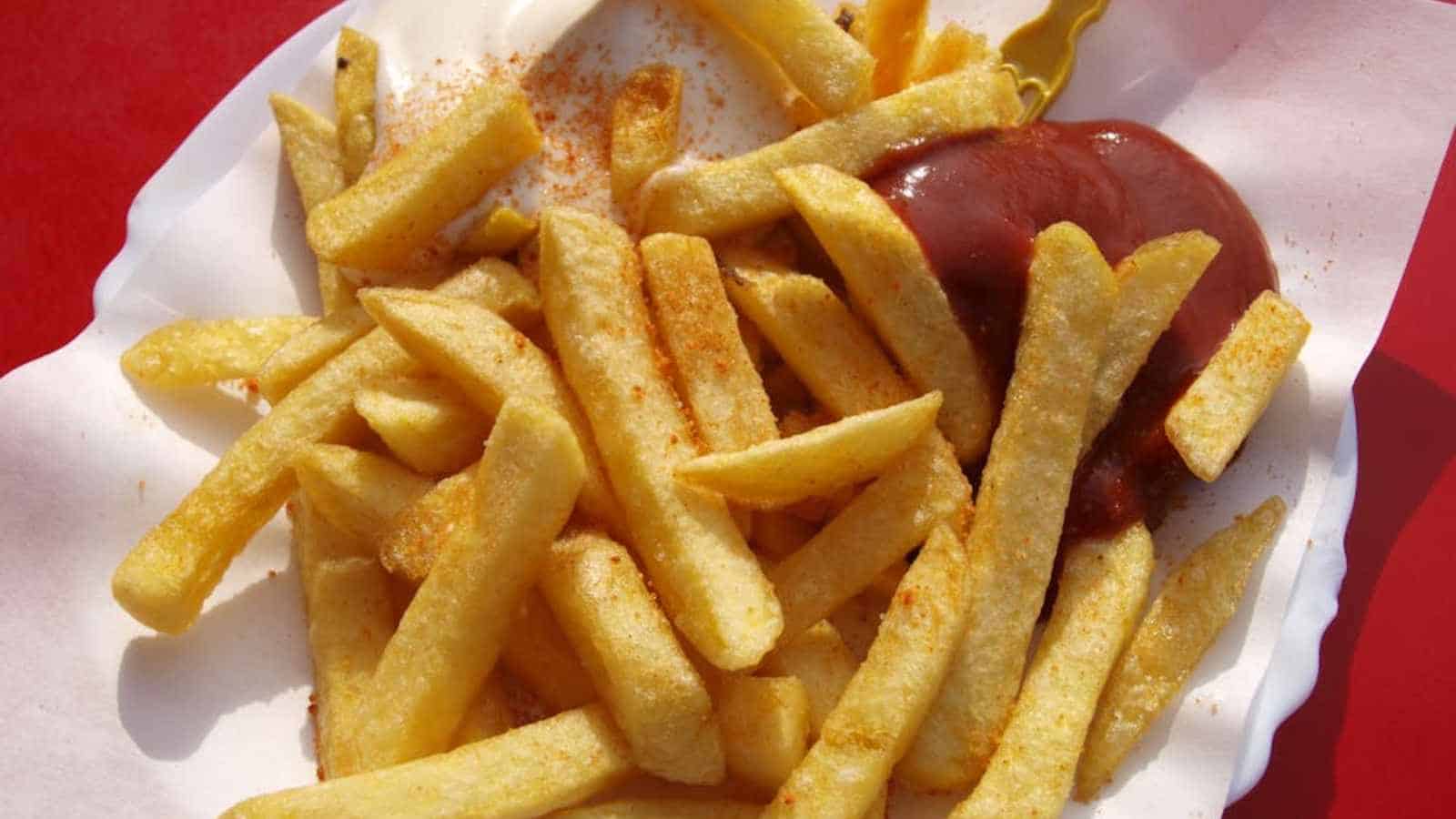
Greasy meals from the drive‑thru window might taste like heaven, but they can create absolute chaos inside your digestive system. High levels of damaged fats slow your digestion to a painful crawl. This greasy slowdown allows bad bacteria to multiply rapidly while pushing out the good guys, leaving you feeling heavy and completely drained of energy.
Persistent tummy troubles are incredibly common for people who lean on fast food and other refined options. A follow‑up study from the Rome Foundation’s global epidemiology project found that about one in four adults without a formal gut disorder still reports frequent gastrointestinal symptoms.
Those symptoms are associated with a lower quality of life and greater work impairment. Choosing grilled alternatives instead of deep‑fried meals can ease that burden and give your gut a chance to reset.
Processed Deli Meats

Stacking cold cuts into a giant lunch sandwich is an easy habit, but your belly might pay a heavy price. Packaged meats contain high amounts of sodium and chemical nitrates used to extend shelf life. These harsh additives can easily trigger painful inflammation along your sensitive digestive tract, throwing off your internal balance for hours.
Digestive complaints are common among people with diets that are heavy on refined, salty foods. A 2025 overview of digestive disease statistics in the U.S. describes tens of millions of Americans living with chronic gut conditions and notes diet as a major contributing factor, which is one more reason to swap deli meats for fresher protein when you can.
Packaged White Bread

Fluffy white bread is a staple in many kitchens, but it handles your digestive health with zero respect. The intensive refining process strips away the grain’s bran and germ, leaving behind simple starches.
This means your stomach processes it instantly, causing sugar spikes without feeding your microbes, leaving your good bacteria completely starved. When your meals are low in fiber for too long, your gut bugs have less of the material they need to do their job well.
A meta‑analysis found that around two‑thirds of the world’s population has some degree of lactose malabsorption, and similar patterns of poor tolerance show up when diets lean heavily on refined carbohydrates instead of whole grains. Switching to whole-grain or sprouted bread can help keep your digestion steadier.
Agave Nectar Syrup
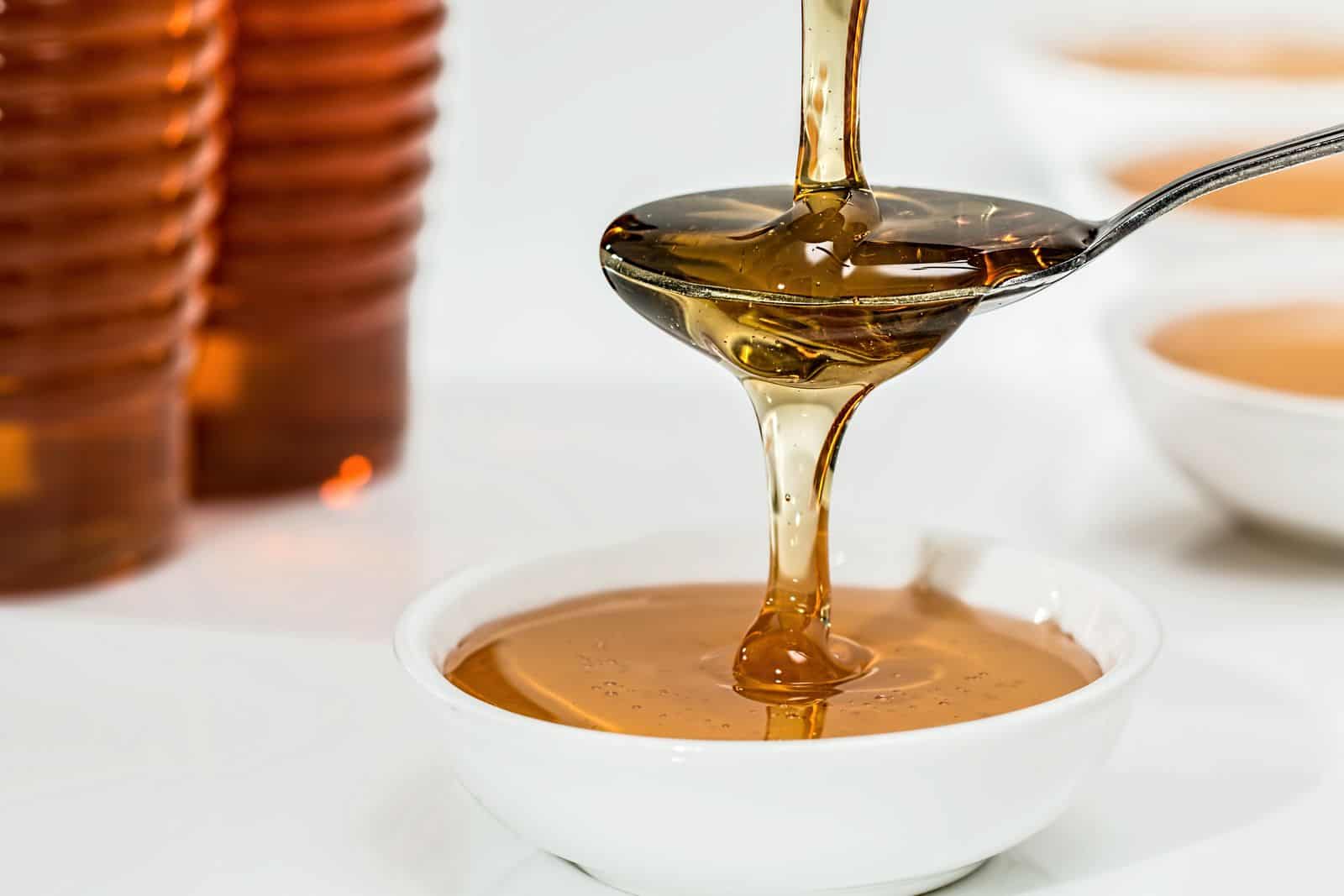
Many folks pour this golden syrup over their morning meals, believing it is a natural alternative to white sugar. However, agave is incredibly high in fructose, which can overwhelm your liver and your lower intestines. Excess fructose often ferments rapidly, causing gas, painful bloating, and sharp abdominal cramps that can ruin your afternoon comfort.
When your lower bowel becomes a fermentation tank, your daily comfort quickly flies out the window. This heavy load of simple sugars alters your microbial balance and feeds gas‑producing strains. Choosing a tiny bit of raw honey or maple syrup instead can save you from a lot of unnecessary and noisy stomach gurgling.
Excess White Liquor

Unwinding with a stiff drink might soothe your mind after a long day, but it acts like a toxic bomb in your stomach. Heavy alcohol use washes away beneficial microbes and weakens the tight junctions of your intestinal walls. This allows unwanted toxins to slip right into your bloodstream, triggering systemic irritation that can take days to fully resolve.
The global impact of harmful alcohol use goes far beyond a rough morning after. A 2024 WHO fact sheet on alcohol noted that alcohol is responsible for about 2.6 million deaths each year, accounting for 4.7% of all deaths worldwide, which shows why going lighter helps protect both your gut and wider health.
Margarine Vegetable Spreads

Slathering tub butter alternatives onto your morning toast might seem harmless, but your gut views it as a chemical experiment. These highly processed spreads are full of industrial seed oils rich in omega‑6 fatty acids. This imbalance can trigger systemic irritation and damage your intestinal lining over time, reducing your body’s natural defenses.
A damaged intestinal barrier can turn simple meals into absolute nightmares for your stomach. Irritated cells struggle to absorb nutrients properly, which leaves you feeling tired and sluggish after eating. Sticking to simple extra virgin olive oil keeps your inner lining smooth, happy, and fully protected against external irritants.
Sugary Breakfast Cereals
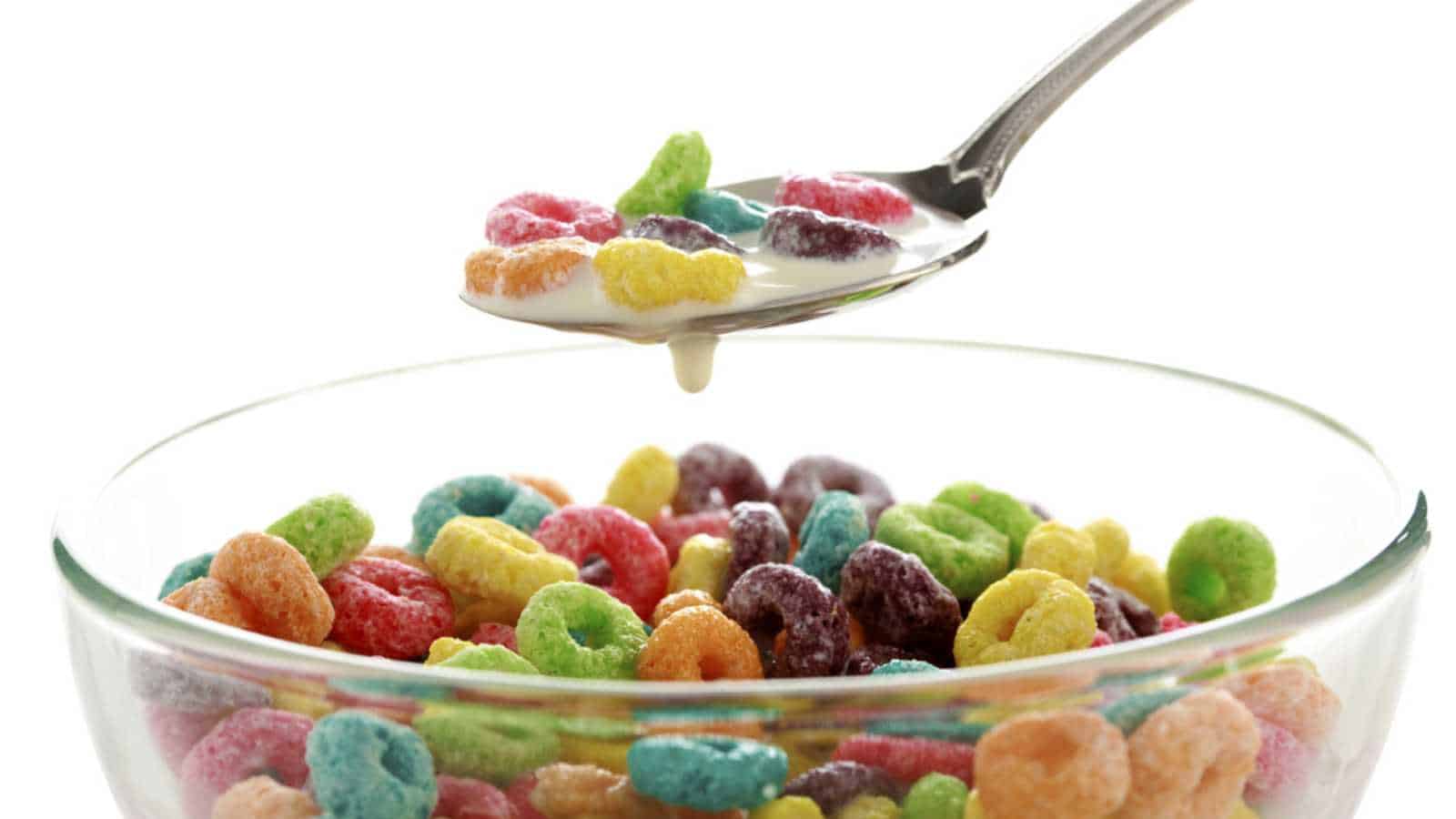
Pouring a bowl of colorful cereal is a quick morning routine, but it spikes your blood sugar and starves your microbiome. These refined grains lack the natural fiber needed to feed your helpful stomach bacteria. Without fiber, your microbes can grow hungry and begin to irritate your protective stomach lining, causing discomfort before your day even starts.
Poor eating habits can lead to more serious digestive problems over time. The CDC’s Digestive Diseases FastStats report shows that 14.8 million U.S. adults have a diagnosis of ulcers, accounting for 5.9% of adults. This is a clear reminder that everyday food choices can have long‑term consequences for gut wellbeing.
Sugar-Free Candies

Sucking on hard candies with zero sugar sounds like a guilt‑free treat for your sweet tooth. Unfortunately, these items rely heavily on sugar alcohols like sorbitol and xylitol to mimic sweetness. Your small intestine cannot absorb these molecules easily, so they pass straight into your colon, creating a highly volatile environment.
Once those sugar alcohols arrive in your large intestine, they pull in water like a powerful sponge. This sudden shift often results in severe cramps, loud rumbling, and unexpected bathroom dashes. Keeping these sweet treats out of your shopping cart will preserve your daily peace of mind and digestive predictability.
Salty Potato Chips

Munching on crispy potato chips while watching your favorite show is an easy way to lose track of your choices. High amounts of refined salt can dehydrate your digestive tract and alter the mucus layer protecting your stomach. This leaves your internal tissues vulnerable to irritation from aggressive digestive acids and harmful microbial invaders.
A weak mucus barrier allows harmful microbes to make direct contact with your intestinal walls. This bad contact can trigger low‑grade irritation that impacts your mood and your overall physical health. Trading those salty bags for crunchy baked kale or plain pumpkin seeds keeps your defenses strong and your system balanced.
Key Takeaway

Protecting your internal microbiome does not mean you have to follow a boring routine for the rest of your days. It simply means choosing whole, natural options over heavily processed convenience items whenever you can. Making these small adjustments will support your long‑term health and keep you feeling fantastic.
Disclaimer – This list is solely the author’s opinion based on research and publicly available information. It is not intended to be professional advice.
Like our content? Be sure to follow us