12 hidden warning signs of declining health experts say people ignore
Health professionals warn that subtle physical symptoms are often overlooked despite being early indicators of more serious medical conditions.
Health experts are sounding the alarm about several subtle physical cues that many of us tend to ignore in our busy daily routines. We often dismiss a weird ache or a foggy afternoon as just a natural part of getting older or a result of a stressful work week.
However, these subtle changes are frequently the body’s way of signaling that something internal requires professional attention. A Mayo Clinic study found that about 2 of patients who sought a second opinion received a completely different diagnosis from the first. Paying attention to the small stuff today can keep you from dealing with a giant mess later.
Unexplained Changes In Handwriting

If your grocery list is starting to look more like chicken scratch than your usual script, it might be more than just a shaky hand. Small, cramped writing, known as micrographia, is often an early indicator that the brain is struggling with motor control. It is a subtle shift that many people ignore until it begins to interfere with their daily tasks.
The Parkinson’s Foundation notes that small, cramped handwriting is frequently one of the early symptoms of Parkinson’s disease. While it could just be fatigue, a consistent change in how you hold a pen is worth discussing with a doctor. It is a tiny clue that can lead to a much larger understanding of your internal wiring.
Waking Up To Use The Bathroom Frequently

Getting up once in the night is pretty standard as the years go by, but multiple trips could be a red flag. This frequent interruption of your sleep cycle can leave you feeling drained before you even start your day. It is often a sign that your heart or your kidneys are working overtime to process fluids while you rest.
Research on nocturia has found that more than a third of adults in some populations get up at least twice a night to urinate, and this is strongly linked to high blood pressure and diabetes. If you are spending more time in the hallway than in bed, it is time to check your levels and protect your long-term wellbeing.
A Constant Need For Ice

Craving a cold drink is one thing, but if you find yourself compulsively crunching on ice cubes, pay attention. This behavior, known as pagophagia, is often a very specific sign that your body is running low on iron. It is one of those strange quirks that people laugh off without realizing their health might be at stake.
A clinical study on iron deficiency found that pagophagia, or compulsive ice eating, was common among patients with iron deficiency anemia and often improved once their iron levels were corrected. Crunching ice may feel harmless, but it can be a simple clue that your blood needs more support than it is currently getting.
Loss Of Sense Of Smell

If you find that your favorite morning breakfast smells a bit dull lately, it might not be the cook’s fault. A fading sense of smell is frequently one of the earliest signs of cognitive decline or other neurological issues. Most people assume they just have a stuffy nose or seasonal allergies that will eventually clear up.
National survey data show that about 13.5% of U.S. adults 40 and older have measurable smell impairment, and many do not realize it is a medical issue. This sensory loss can occur long before any memory issues or physical tremors become obvious. Keeping your nose to the grindstone is a smart way to monitor your long-term brain and mental health.
Receding Gums Or Loose Teeth
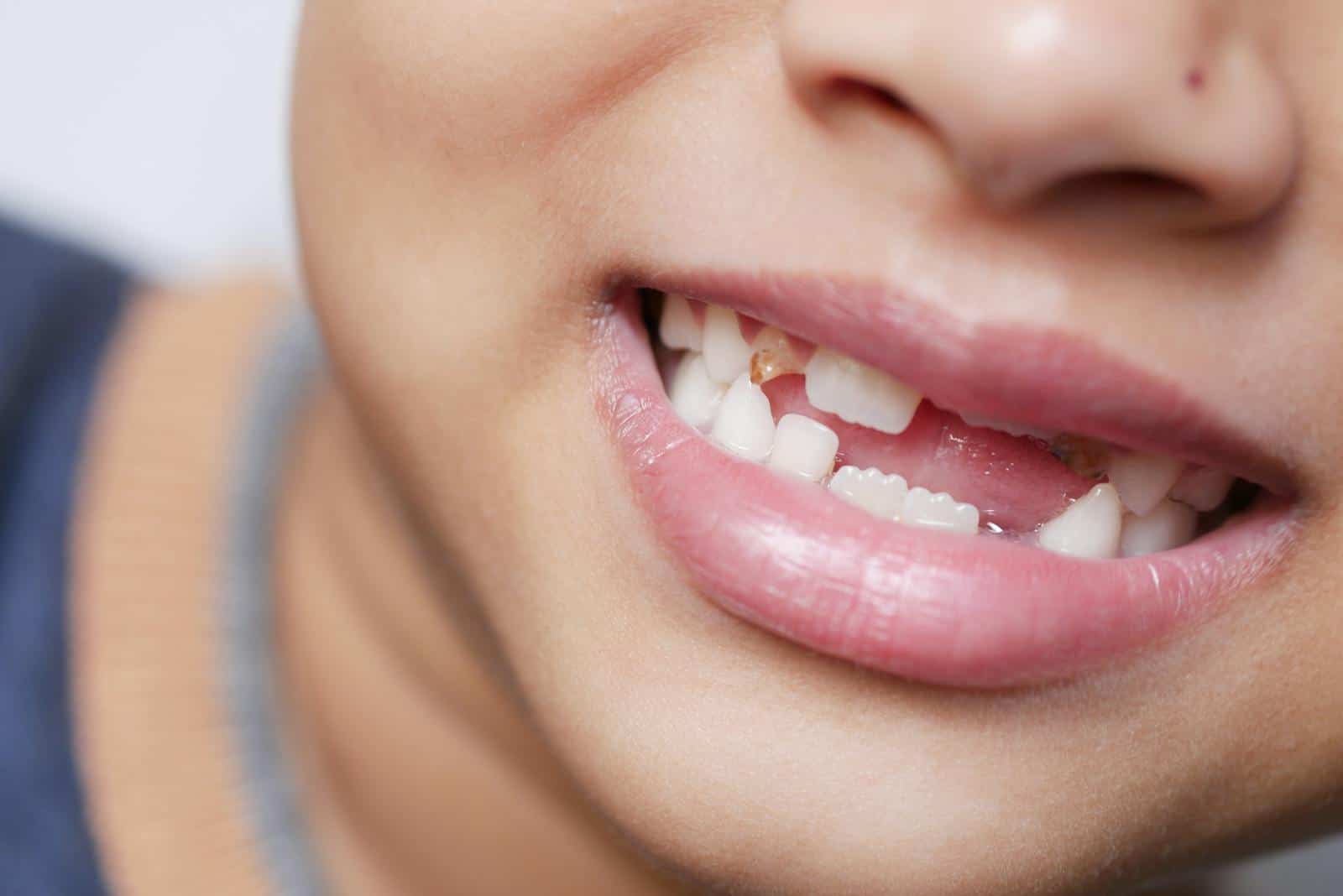
Your mouth is a mirror for what is happening deep inside your chest and your various vital organs. Gums that pull away from the teeth are not just a dental problem; they are often tied to systemic inflammation. Ignoring a little bit of bleeding when you brush is like ignoring a small leak in a very large dam.
Federal health data indicate that around 42% of adults aged 30 and older have some form of periodontitis, or gum disease. The bacteria that thrive in diseased gums can enter the bloodstream and strain your heart over time. Your dentist might be the first person to catch a problem that started far away from your jaw.
Cracks At The Corners Of Your Mouth

Waking up with painful cracks on the sides of your lips can be more than just a side effect of dry winter air. This condition, called angular cheilitis, can signal a deficiency in B vitamins or a low level of zinc in your system. It is a visible sign that your internal nutrient finances are starting to slip into the red.
Clinical reviews suggest that angular cheilitis affects nearly 1% of the general U.S. population, with even higher rates among older adults and denture wearers. It often shows up when the immune system is slightly compromised or when the body is not absorbing vitamins correctly. A few simple changes to your diet can usually clear this up and get your smile back on track.
Difficulty Stepping Up On A Curb

If you find yourself hesitating or feeling unsteady when navigating a simple sidewalk, your balance might be taking a hit. This subtle loss of coordination can be a whisper from your nervous system or a sign of muscle wasting in your legs. Most people blame their shoes or an uneven road rather than looking at their own physical stability.
The CDC reports that falls are the leading cause of injury-related death for adults 65 and older, and fall rates have been rising in recent years. Practicing simple strength and balance exercises today can help you stay upright for tomorrow’s travel plans and an active retirement. Do not wait for a tumble to realize that your center of gravity has shifted.
Excessive Daytime Sleepiness

Falling asleep during a movie is normal, but nodding off during a conversation or a meal is a cause for concern. This level of exhaustion suggests that your body is not getting the restorative rest it needs to function at full capacity. It is often a primary indicator of sleep apnea, which puts a massive amount of stress on your heart.
Recent estimates suggest that about one-third of U.S. adults may be living with obstructive sleep apnea, and many cases remain undiagnosed. This silent condition can lead to high blood pressure and heart trouble if it goes untreated. A proper sleep study can turn those foggy afternoons into energetic, focused days.
Unexplained Weight Loss Without Effort

Losing a few pounds without hitting the gym might feel like a lucky break, but it often carries a hidden price tag. If the scale is moving down while your habits stay exactly the same, your body might be burning energy in a harmful way. It is a sign that your metabolism is overactive or that an underlying issue is stealing your fuel.
Guidelines for older adults note that losing 5% or more of your body weight in six to twelve months, without trying, is linked to higher illness and death risk and should always be evaluated.
This rapid change can be tied to everything from thyroid problems to digestive disorders. It is better to know why the weight is dropping than to assume you have stumbled onto a secret shortcut.
Frequent Bruising For No Reason

If you wake up with purple marks on your shins and cannot remember bumping into a table, take note. While some people are naturally more prone to bruising, a sudden increase can signal an issue with your blood platelets. It suggests that your body is struggling to repair small vessels and maintain its own internal security.
Sudden shifts in bruising patterns are often on the radar for doctors who are checking clotting factors, liver function, or bone marrow health. It might be something simple like a medication side effect, but it can also flag more serious issues that need quick attention. Your skin is often the first place your blood shows that it is having a hard time.
Changes In Your Skin Texture

Your skin is the largest organ you have, and it often acts as a billboard for your internal well-being. A sudden patch of dry, scaly skin or a new dark area around your neck can be a sign of insulin resistance. Many people just buy a more expensive lotion at the grocery store instead of wondering what is happening underneath the surface.
These changes can show up years before a blood test formally labels you with prediabetes. Treating them as early warning signals gives you time to adjust your movement and everyday habits. Keeping an eye on your reflection can help you catch a metabolic shift before it becomes a lifelong burden.
A Persistent Bitter Taste In Your Mouth

Having a metallic or bitter taste that will not go away after brushing is a common sign of a sluggish liver or gallbladder. It can also be a side effect of certain medications or a symptom of a hidden sinus infection. Most people just reach for a piece of gum and hope that the weird flavor will eventually fade on its own.
National health surveys estimate that millions of U.S. adults live with some form of taste or smell dysfunction, which can quietly affect appetite and nutrition over time. When that bitter taste sticks around for weeks, it is worth asking a professional to dig a little deeper. Your tongue is often the first to notice when your digestive system is not happy.
Key Takeaway

Your body is an expert communicator that uses subtle signs, like changes in handwriting or skin texture, to get your attention. While it is easy to ignore these whispers in the middle of a busy workplace and home life, listening to them can save you a lot of trouble down the road.
Most of these warning signs are not a cause for panic, but they are a clear invitation to check in with a professional. Taking a proactive approach to your physical needs allows you to handle small issues before they become major roadblocks.
Disclaimer – This list is solely the author’s opinion based on research and publicly available information. It is not intended to be professional advice.
Like our content? Be sure to follow us