This might be the last year that average U.S families can comfortably afford beef
When a staple like beef turns scarce, it quietly rewrites how families define a normal dinner.
Families across the country are starting to notice a serious pinch at the grocery store checkout lately. The meat aisle is looking more like a luxury goods department than a spot for weekly staples. Many hardworking folks are wondering how much longer they can keep their favorite cuts on the dinner table.
It feels like the classic backyard cookout is slowly slipping out of reach for the everyday consumer. If prices keep climbing, this might be the very last time we see regular households enjoying steaks without worry. Let us explore what is driving these changes and how it directly impacts your weekly grocery bill.
The Historic Shrinking Of The American Cattle Herd

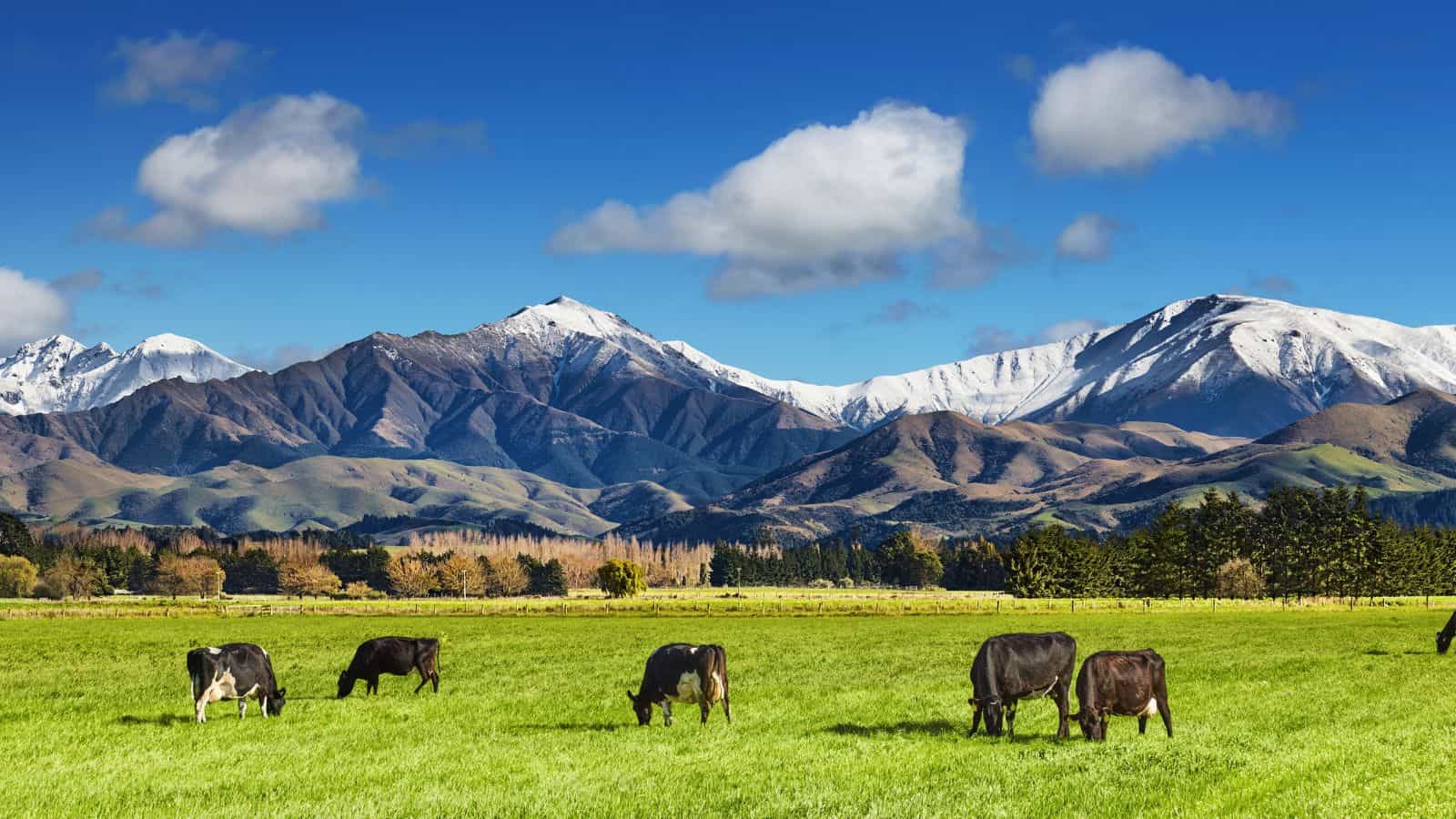
Ranchers are facing a massive supply issue that is rippling all the way to your local supermarket. According to the USDA in January 2026, the United States cattle herd dropped to 86.2 million head, marking a seventy-five-year low. This means there are simply fewer cows available to meet the massive appetite of hungry shoppers across the nation.
Droughts and tough weather conditions have forced many farmers to sell off their animals much earlier than planned. It takes years to rebuild these herds, so relief is not coming anytime soon for frustrated buyers. When supply drops this drastically, you can bet your bottom dollar that retail prices will shoot through the roof.
Ground Beef Hits Unprecedented Price Levels
Even the most basic staple of the American kitchen is starting to feel like a premium purchase. Families rely on cheap ground chuck for tacos, meatloaf, and spaghetti nights on a tight budget. In fact, the average price of ground beef reached a record $6.89 per pound earlier this year.
Paying that much for hamburger meat forces parents to rethink their entire weekly meal planning strategy. Shoppers are suddenly looking at poultry and pork as the only viable options for feeding a crowd. If simple ground beef costs a small fortune, premium cuts will soon be totally out of the question.
Rising Costs Are Outpacing Average Wage Growth
Most paychecks are just not stretching far enough to cover the staggering inflation seen in the meat section. People are working harder than ever, yet their grocery budget buys less food with every passing month. It is a tough pill to swallow when you realize your hard-earned money cannot cover a basic steak dinner.
The math simply does not add up for a middle-class household trying to balance the bills. Beef and veal prices jumped 12.9 percent in May 2026 compared to the same time last year. That kind of price hike eats up any small raise or bonus a worker might have received recently.
Why The Production Forecast Looks Pretty Grim
The people running the numbers do not see a magical turnaround happening in the immediate future either. Processors are dealing with fewer animals, which slows down the entire supply chain from farm to table. The 2026 USDA forecast slashed overall beef production estimates down to just 25.548 billion pounds for the year.
Less product hitting the market means stores have to fight harder to stock their meat display cases. This intense competition among retailers keeps consumer prices pinned at incredibly high levels across the board. You are essentially paying a massive premium just because there is not enough product to go around anymore.
Feed And Labor Expenses Continue To Skyrocket
Raising healthy livestock requires a ton of expensive resources that have also shot up in price recently. Farmers are paying top dollar for grain, fuel, and the farmhands needed to keep operations running smoothly. When the cost of doing business inflates, those extra expenses are always passed directly to the final consumer.
It is an expensive ripple effect that starts in the heartland and ends right on your dinner plate. The folks raising the cattle are barely breaking even despite the crazy prices you see at the store. In 2026, fed steer prices are projected to reach an incredible $250.16 per hundredweight, setting new market benchmarks.
Substitution Trends Are Changing The Dinner Table
Americans are nothing if not adaptable, and they are quickly shifting their eating habits to survive the crunch. Chicken thighs, pork chops, and meatless alternatives are flying off the shelves as people hunt for bargains. Families are voting with their wallets by leaving the expensive red meat sitting in the refrigerated display coolers.
You might start seeing a lot more chicken casseroles at neighborhood potlucks and family holiday gatherings. Some folks are even embracing entirely meatless Mondays just to keep their grocery spending in check. We are witnessing a major cultural shift where beef is treated as a rare treat rather than a daily staple.
Restaurant Menus Reflect The Ongoing Squeeze
It is not just home cooks feeling the burn, because your favorite local diners are also hurting badly. Local steakhouses and burger joints are desperately printing new menus to reflect their own skyrocketing ingredient costs. If you think the grocery store is bad, wait until you see the bill for a decent ribeye out on the town.
Many restaurants are quietly shrinking their portion sizes just to avoid scaring off their loyal customer base. A hearty twelve-ounce cut is slowly shrinking down to an eight-ounce serving for the same price. Eating out is already a luxury, but ordering beef at a restaurant is quickly becoming an absolute splurge.
Future Projections Offer Little Hope For Shoppers
Experts who study these market trends warn that we have not even reached the peak of this mountain yet. Shoppers holding out for a sudden crash in costs are probably going to be waiting a very long time. The USDA actually predicts beef and veal retail prices could rise another 7.5 percent throughout the rest of 2026.
That means the sticker shock you feel today might actually look like a bargain by this time next year. Families have to decide if they want to bite the bullet now or say goodbye to their favorite recipes entirely. You might want to fire up the grill right away before it becomes too expensive to even light the charcoal.
Global Demand Puts Pressure On Local Supply
The appetite for American beef is not limited to the borders of the fifty states by any stretch. Countries around the globe are eager to buy up our high-quality agricultural exports at a premium price. Foreign buyers are fiercely competing with domestic shoppers for the same limited pool of available meat.
This international battle means suppliers have absolutely no reason to drop their prices for local retail chains. As long as someone overseas is willing to pay top dollar, American families will be forced to match it. We are competing on a global stage just to secure a simple chuck roast for a Sunday family dinner.
The Reality Of A New Food Economy

We are standing at the edge of a brand new era where household budgets dictate dietary choices strictly. The days of casually tossing a few steaks into the shopping cart without looking at the price tag are gone. Consumers must become very aware of sales, coupons, and bulk buying strategies just to afford their favorite proteins.
It takes a bit of planning, but smart shoppers can still find a way to enjoy a good meal occasionally. Buying a freezer to stock up on bulk sales or splitting a cow with neighbors is becoming a popular tactic. This might be the end of cheap beef, but American families will always find a creative way to adapt.
Like our content? Be sure to follow us