13 dishes to skip at Chinese restaurants (and why!)
The meals we reach for when we want comfort are often the ones quietly asking the most from our health.
Chinese takeout is a weekly ritual for millions of hungry folks craving a quick and tasty dinner. You probably love cracking open those iconic cardboard boxes filled with steaming noodles and crispy bites. Sometimes your favorite comfort foods hide a surprisingly unhealthy secret under all that shiny sauce.
Finding a balanced meal on a massive takeout menu feels like searching for a needle in a haystack. Nutrition experts warn that certain popular staples pack enough sodium and sugar to derail your diet for days. Here are thirteen beloved dishes you should reconsider and exactly why they deserve a pass.
General Tso’s Chicken
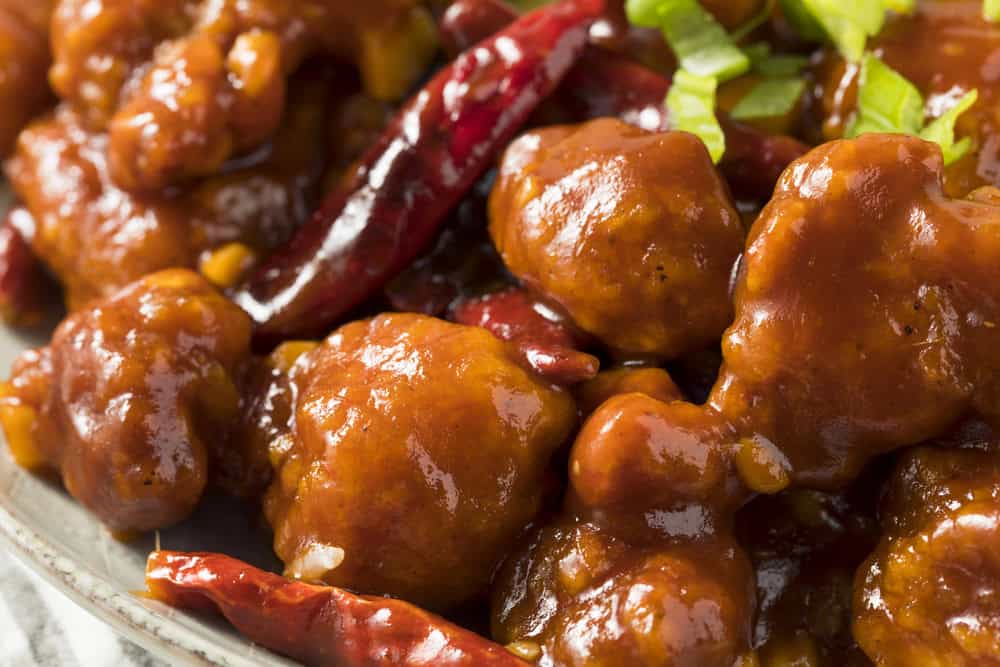
This iconic sweet and spicy favorite rarely resembles anything traditionally served in China. Deep-frying the chicken pieces creates a sponge that soaks up incredible amounts of thick sugary glaze. A typical cup of General Tso’s chicken packs over 290 calories.
That massive calorie count does not even include the mandatory side of white rice. You are essentially eating a sugary dessert disguised as a protein-packed dinner. Choosing steamed chicken with vegetables on the side offers a much smarter way to satisfy your craving.
Sweet And Sour Pork
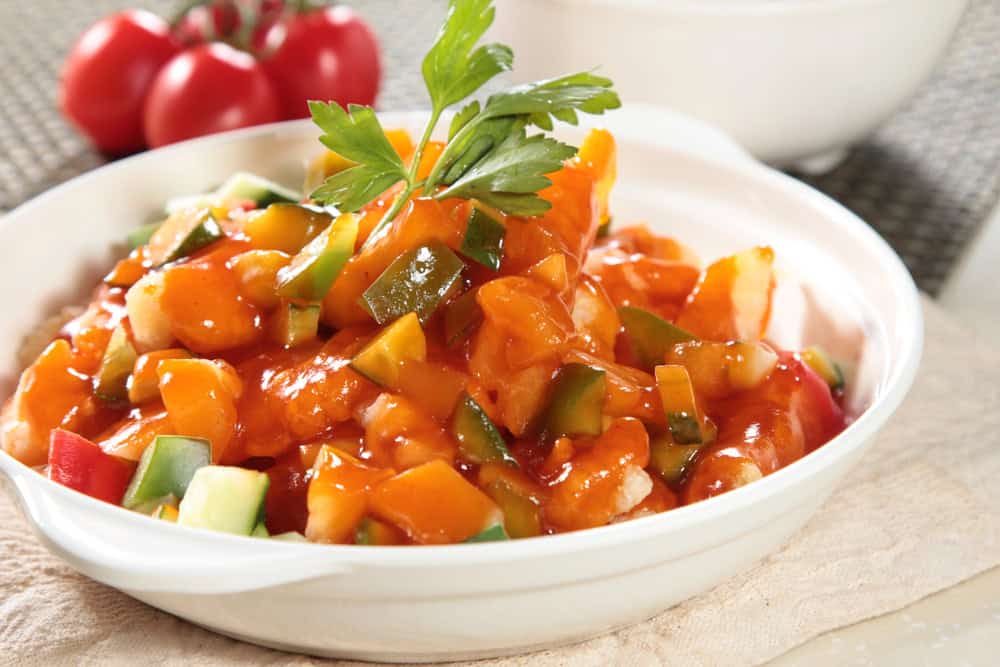
You can probably spot this bright red dish from a mile away in any crowded dining room. The heavy batter completely overpowers whatever small slivers of pork lie hidden underneath. Most restaurants rely on ketchup and refined sugars to achieve that trademark sticky coating.
The CDC notes that most Americans consume 17 teaspoons of added sugar daily. Ordering this neon plate singlehandedly pushes you past that daily limit in just one sitting. Asking for a lighter garlic sauce provides plenty of flavor without the unnecessary sugar crash.
Crab Rangoon
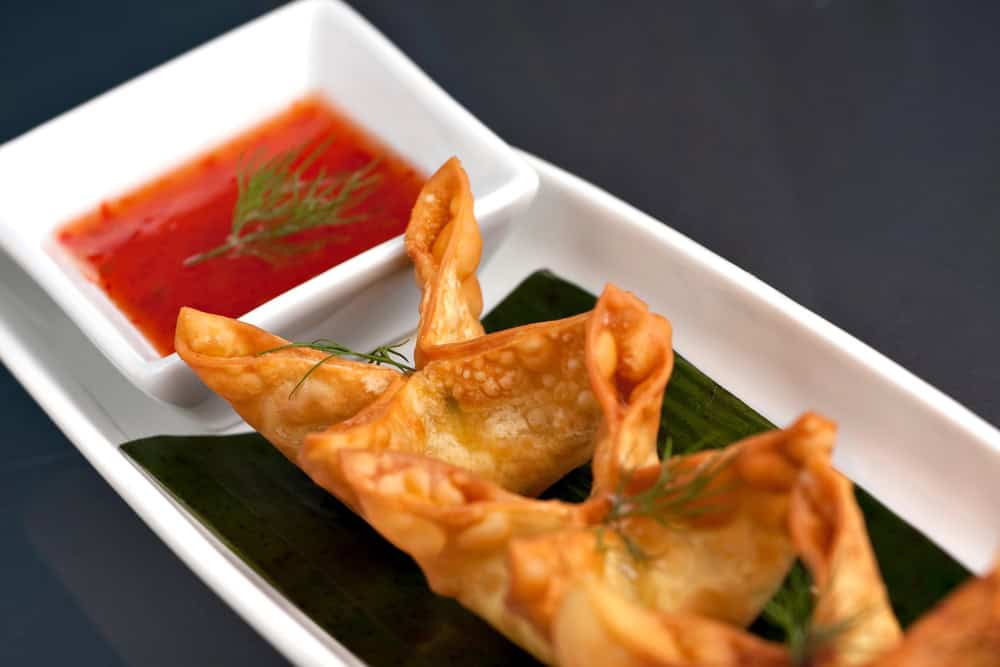
These crunchy little pockets of joy scream American invention loudly and proudly. A mixture of heavy cream cheese and artificial crab meat gets wrapped in dough and tossed into the deep fryer. About 45% of consumers are actively seeking healthier options.
Despite this growing demand for better choices, these fried appetizers remain a stubborn staple on every table. They offer absolutely zero nutritional value while loading you up with saturated fat before the main course arrives. Skipping the fried starters and beginning with a clear broth soup sets a much better tone for your meal.
Traditional Egg Rolls
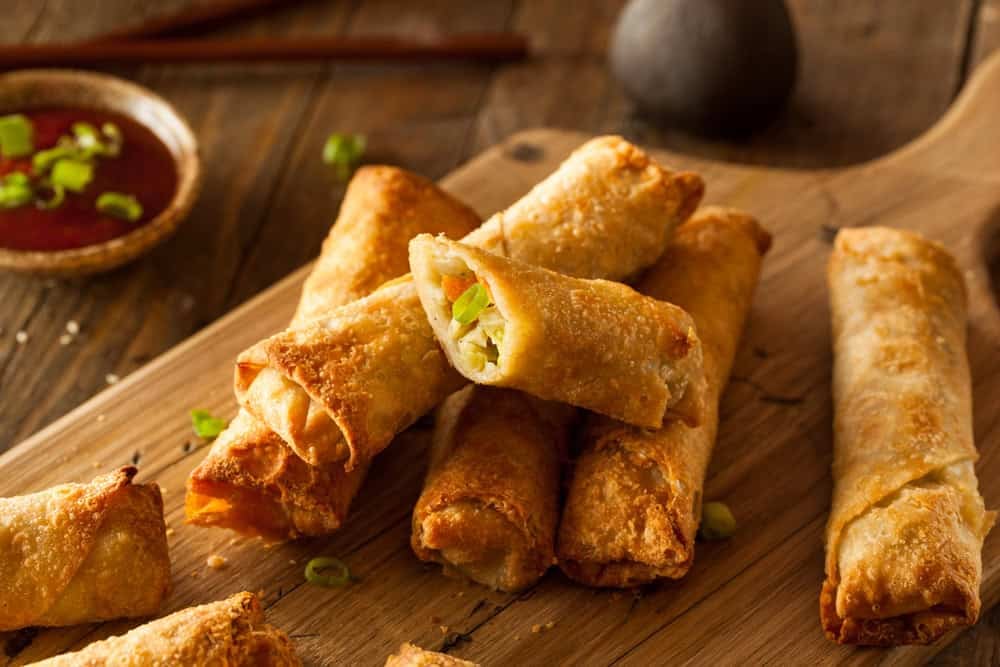
Wrapping cabbage and mystery meat in a thick dough before submerging it in boiling oil creates a greasy bomb. The crispy exterior absorbs a shocking amount of frying oil during the cooking process. You can physically see the grease pooling on your plate if you let an egg roll sit for a few minutes.
A 2021 study by Harvard Health found that eating fried foods daily increases heart failure risk by 28 percent. Nobody wants to pair their dinner with a side of cardiovascular stress. Swapping these out for fresh spring rolls wrapped in delicate rice paper saves hundreds of empty calories.
Lemon Chicken
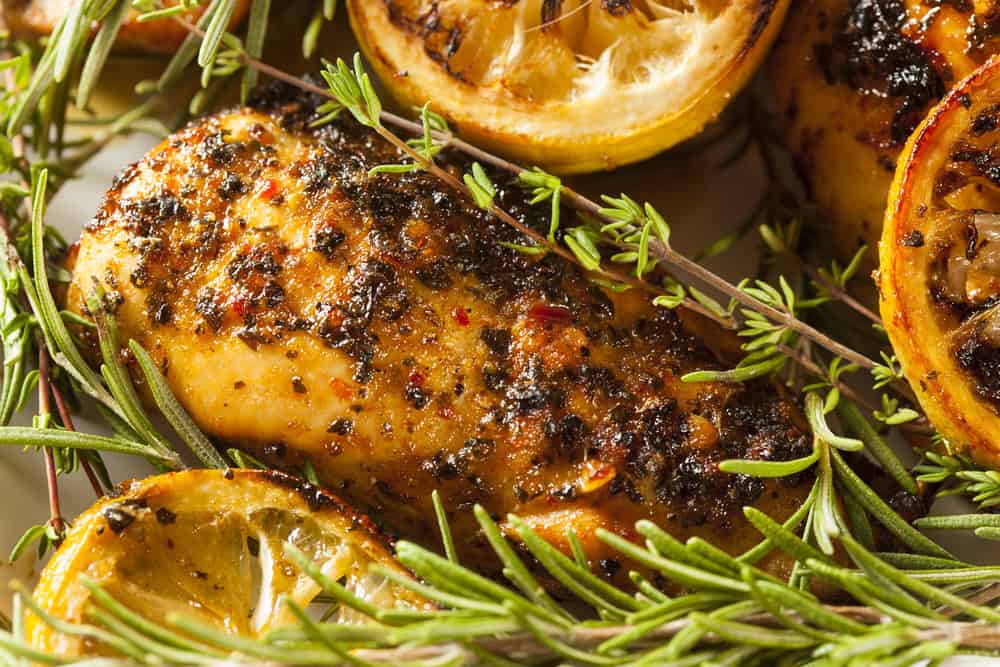
Citrus sounds incredibly refreshing and healthy until you see how it gets prepared in a commercial kitchen. The kitchen staff coats massive chicken breasts in a thick batter before tossing them into the roaring fryer. That supposedly light lemon sauce is actually just a syrupy reduction loaded with cornstarch and sugar.
You might as well pour a can of lemon soda over your dinner plate at this point. The sticky glaze completely nullifies any lean protein benefits the poultry originally offered. Requesting a delicate ginger and scallion preparation keeps the bright flavors intact while cutting the heavy grease.
House Special Fried Rice
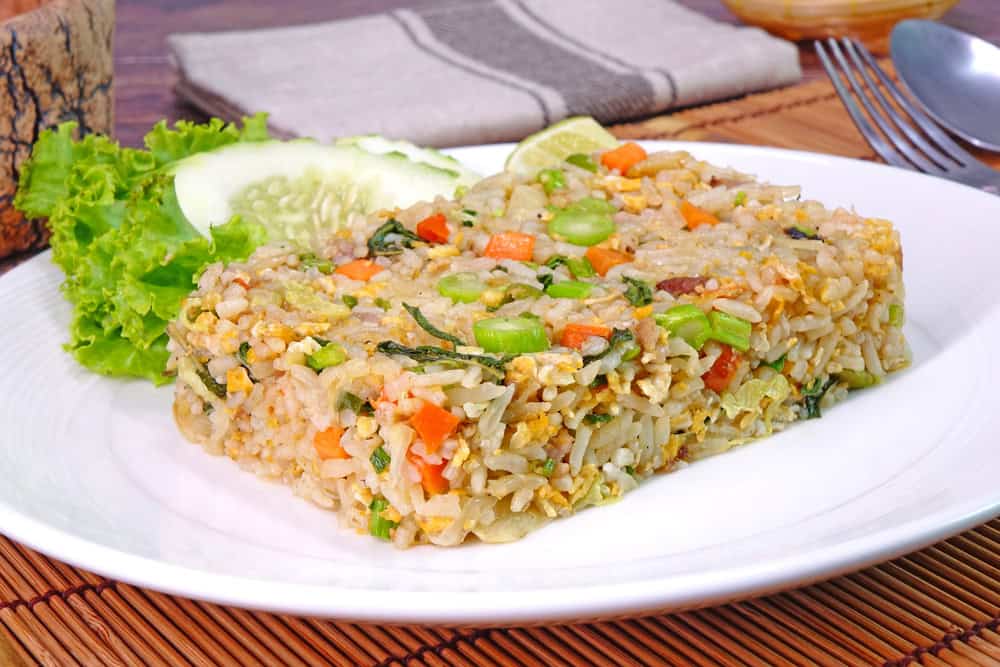
Mixing three different types of salty processed meats into a mountain of white rice creates a dietary disaster. The chefs use extremely high heat and generous splashes of oil to keep the grains from sticking to the wok. A review from the Harvard T.H. Chan School of Public Health confirmed that eating five or more servings of white rice weekly significantly raises the risk of type 2 diabetes.
This massive bowl of refined carbohydrates spikes your blood sugar almost immediately after eating. The added combination of pork, shrimp, and beef pushes the calorie count right through the roof. Sharing a small portion of brown rice instead gives you the necessary fiber without the aggressive blood sugar spike.
Crispy Orange Beef
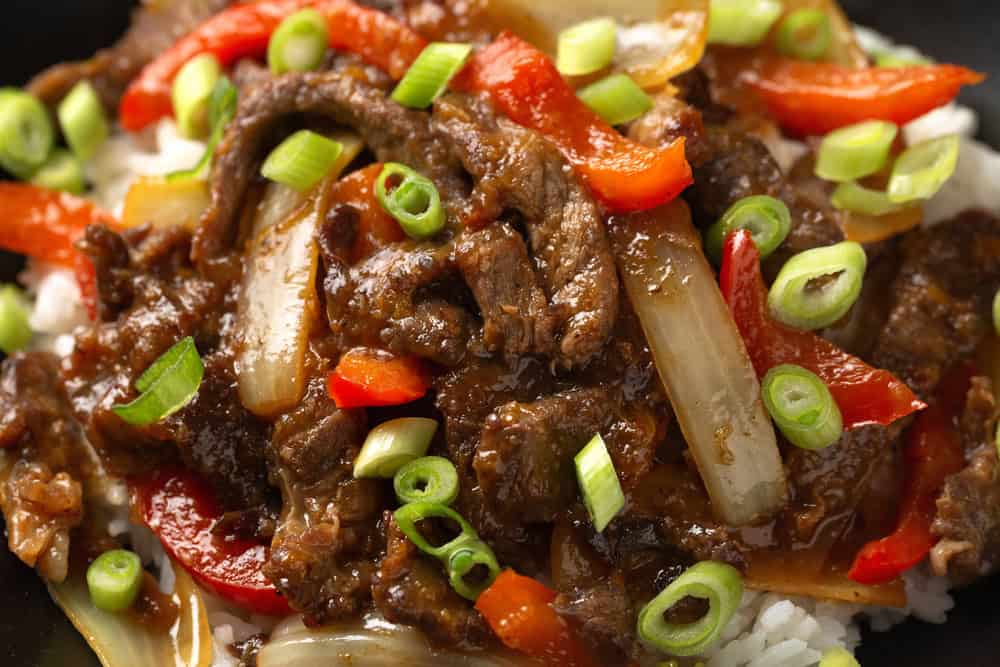
Taking a beautiful cut of beef and frying it until it turns into shoe leather is a culinary crime. The intense cooking method destroys the tender texture and replaces it with a hard crust. Chefs then drown the ruined meat in a thick orange glaze that relies heavily on caramelized sugar.
You chew through layers of sweet batter before ever tasting the actual protein inside. The dish leaves you feeling incredibly heavy and sluggish for the rest of the evening. A classic pepper steak offers a much more satisfying beef flavor with a fraction of the heavy breading.
Heavy Lo Mein
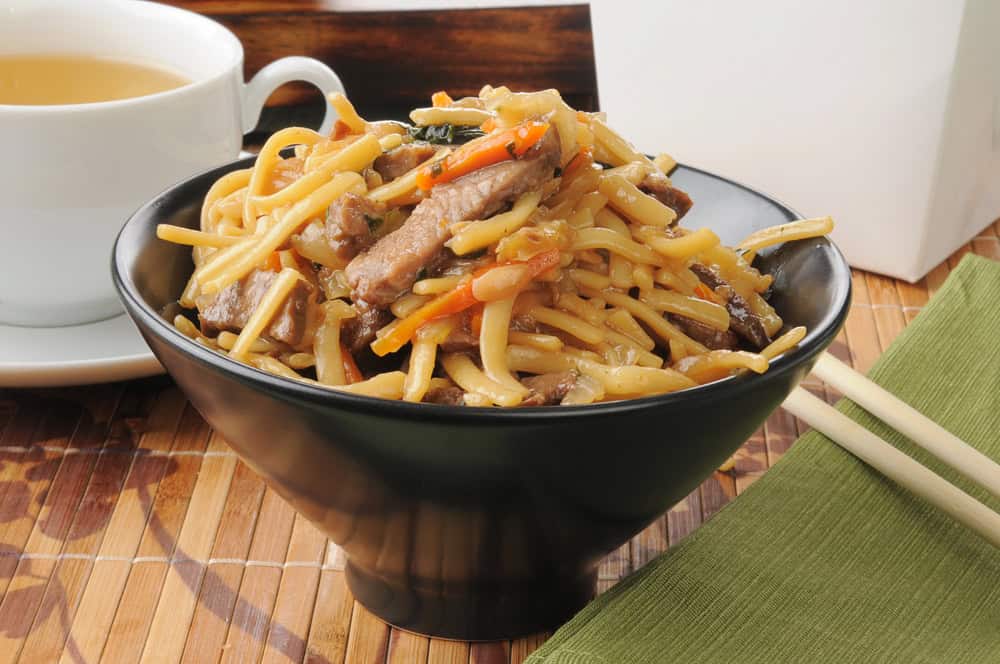
These thick wheat noodles act like aggressive little sponges, soaking up every drop of cooking oil in the pan. A standard restaurant portion contains enough pasta to feed an entire family of four. The CDC reports that about Americans consume more than 3,300 milligrams of sodium daily.
One standard plate of these soy-drenched noodles easily contains two days’ worth of your recommended salt intake. The few scattered vegetables sprinkled on top cannot save this carbohydrate overload. Opting for a vegetable-heavy dish like Buddha’s Delight keeps your dinner light and completely salt-conscious.
Sesame Chicken
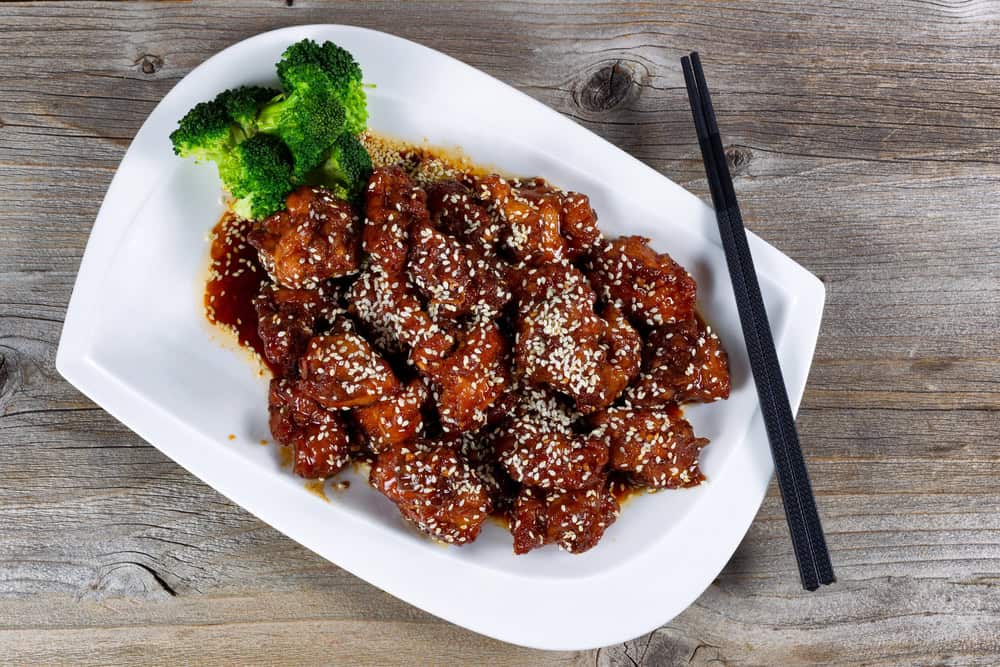
Sprinkling a few sesame seeds on top of deep-fried nuggets does not suddenly make them a health food. This dish shares the same problematic DNA as its cousin, General Tso. The thick brown sauce features soy sauce mixed with massive heaps of dark brown sugar.
You end up masking the actual taste of the chicken entirely behind the overpowering sugary glaze. It serves as a prime example of an Americanized dessert masquerading as a proper entrée. Grabbing a simple chicken and broccoli plate provides excellent protein and essential vitamins without the sugary disguise.
Deep Fried Chow Mein
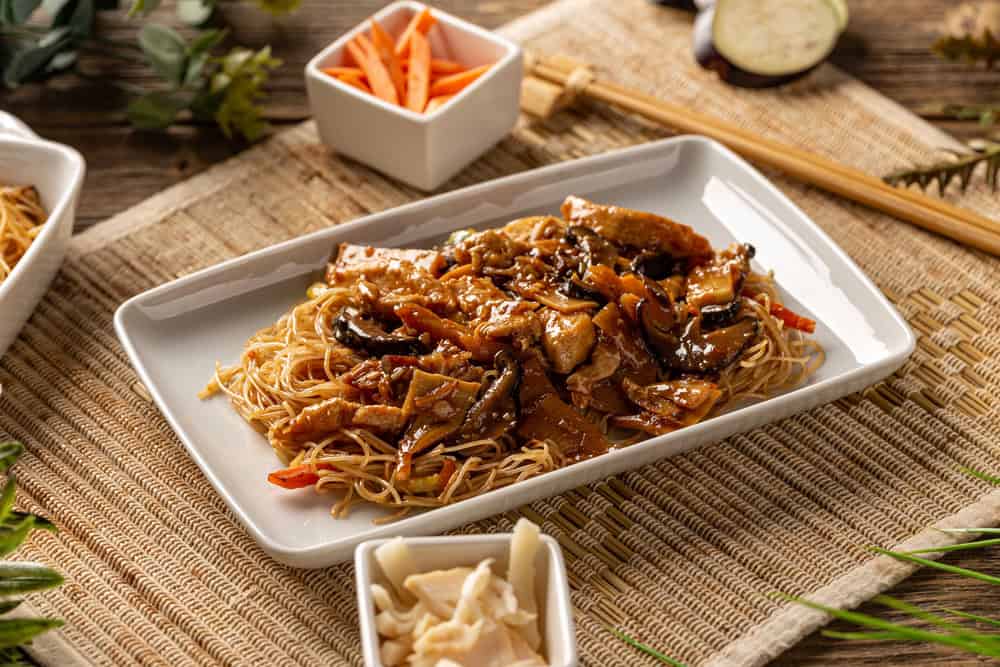
Pouring a watery vegetable gravy over a bird’s nest of deep-fried noodles completely ruins a perfectly good meal. The crispy noodles quickly turn into a soggy mess the moment the sauce hits the plate. Those fried noodle bits add absolutely nothing but empty calories and stale oil flavors to your dinner.
You are essentially eating broken potato chips covered in cornstarch gravy. This outdated dish belongs strictly in the past alongside gelatin salads and fondue parties. Ordering a classic chop suey gives you the same vegetables without the tragic fried noodle base.
Beef With Broccoli
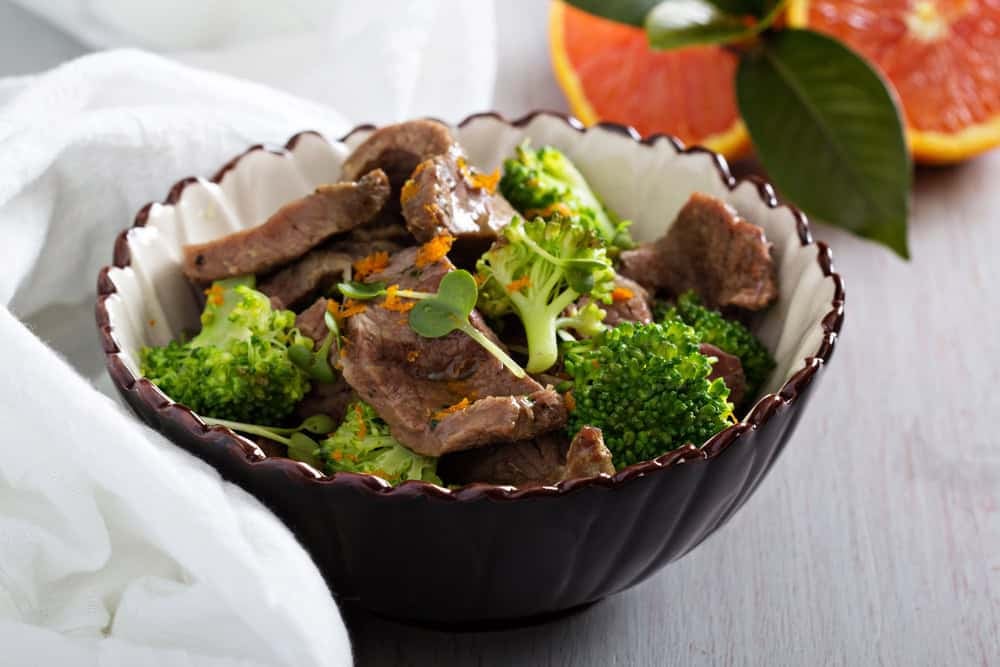
This classic choice seems incredibly healthy on the surface until you examine the thick brown sauce pooling at the bottom. Restaurants tenderize the beef using baking soda and heavy amounts of salt before it ever hits the heat. The sauce itself contains huge amounts of hidden sodium disguised behind a savory garlic profile.
Diners mistakenly believe they are making the healthiest possible choice on the entire menu. The broccoli florets act like little mops that soak up all that unnecessary salty liquid. Asking for the brown sauce completely on the side allows you to control exactly how much you consume.
Egg Foo Young
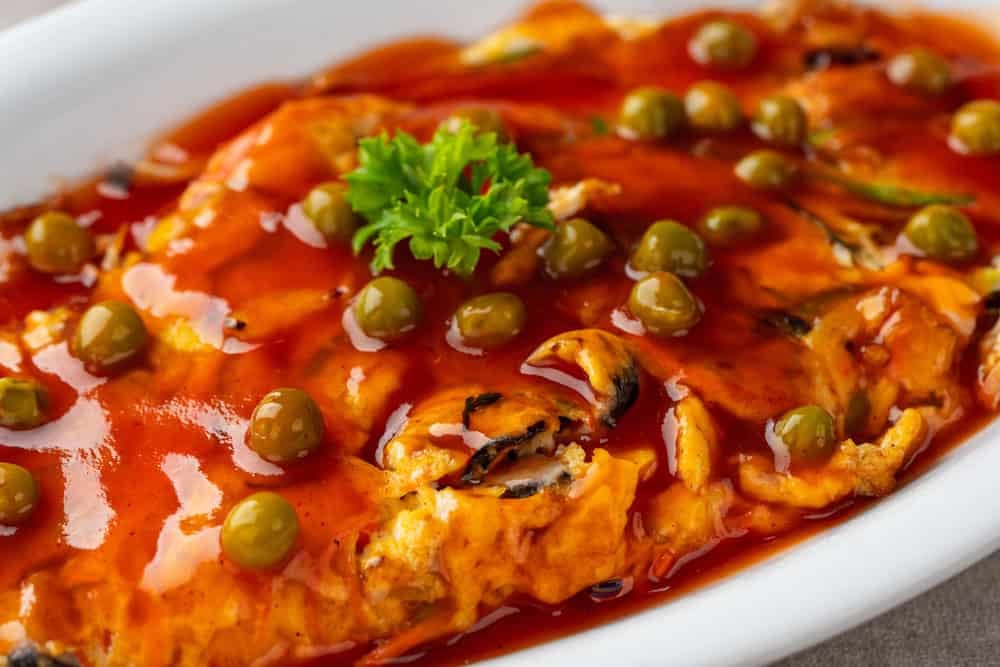
An omelet should be a light and fluffy creation rather than a heavy, greasy hockey puck. These massive egg patties get shallow-fried in huge pools of vegetable oil until they turn dark brown. The kitchen then smothers the greasy eggs under a thick blanket of mysterious brown gravy.
Eggs already contain plenty of fat without needing a bath in the deep fryer. This heavy combination sits in your stomach like a rock for hours after the meal ends. A simple egg drop soup provides that comforting egg flavor in a much lighter and more soothing format.
Mu Shu Pork
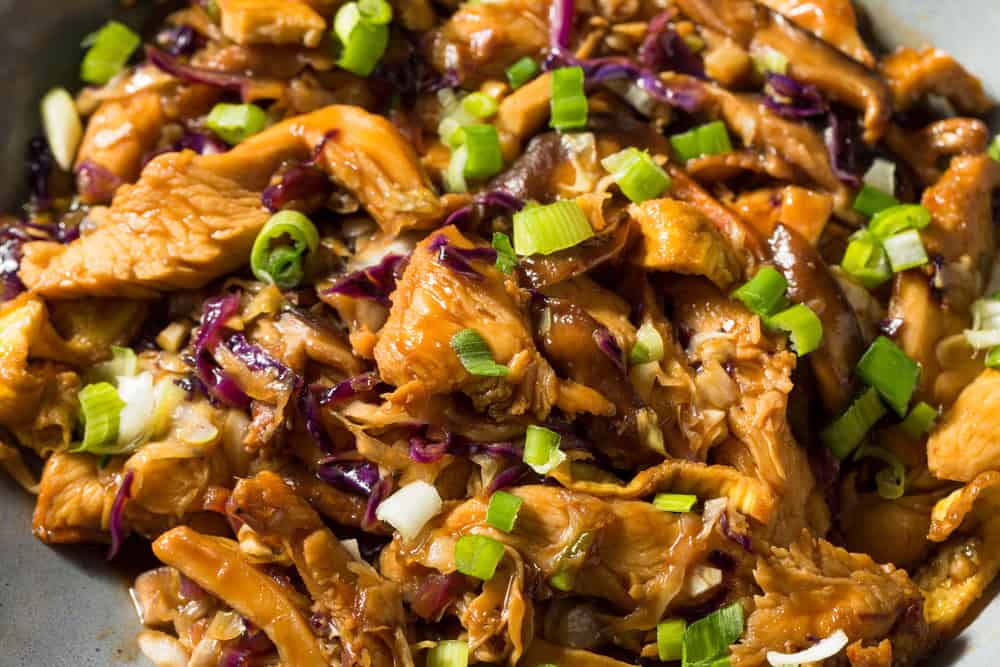
Sautéed cabbage and shredded pork wrapped in thin pancakes sound like a beautifully balanced choice. The hidden danger comes entirely from the massive slathering of sweet hoisin sauce spread inside every single wrap. That thick plum sauce contains a shocking amount of concentrated sugar in every single spoonful.
You essentially paint the inside of your carbohydrate wrapper with pure syrup before eating it. The delicate flavors of the pork and vegetables completely disappear under the intense sugary onslaught. Using just a tiny dab of hot mustard instead gives the dish a wonderful kick without any sugar.
More food tips!
- 12 foods you should limit for a healthier gut
- 12 healthy foods that can be dangerous to overeat
- 12 restaurant menu tricks designed to make you spend more