12 reasons Japan has lower homelessness than the United States
At first glance, the difference looks almost impossible. Japan counted 2,591 people experiencing street homelessness in January 2025, while the United States counted 771,480 people experiencing homelessness on a single night in January 2024. The gap remains enormous in newer data. Japan’s official count fell to 2,481 in January 2026, and the latest U.S. count stood at 745,652 in January 2025.
Those totals do not measure exactly the same thing, so treating them as a clean international ranking would be misleading. Japan mainly counts people visibly sleeping in public spaces.
The U.S. count includes people in shelters, transitional housing and unsheltered locations. Even after allowing for that difference, Japan’s long decline in visible homelessness tells us something important about prevention, welfare access and the speed at which some people are moved into housing.
Japan has a much smaller official homeless count
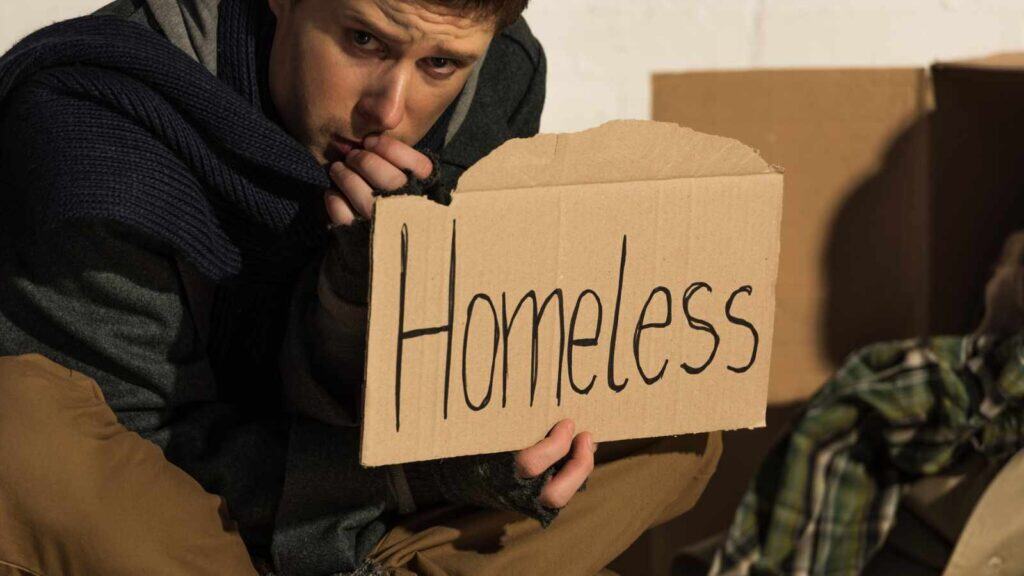
Japan’s Ministry of Health, Labor and Welfare counted 2,591 people experiencing homelessness in January 2025. That included 2,346 men, 163 women and 82 people whose gender could not be determined during the visual survey. Osaka recorded the largest number, followed by Tokyo and Kanagawa. About four-fifths of everyone counted lived in Tokyo’s 23 wards or one of Japan’s designated major cities.
The figure fell again in January 2026, reaching 2,481, the lowest total recorded since the annual survey began. That does not mean Japan has eliminated housing insecurity. It means the population that the government officially defines and observes as homeless, primarily people living in streets, parks, stations and river areas, has become exceptionally small.
Japan’s homeless numbers are still falling
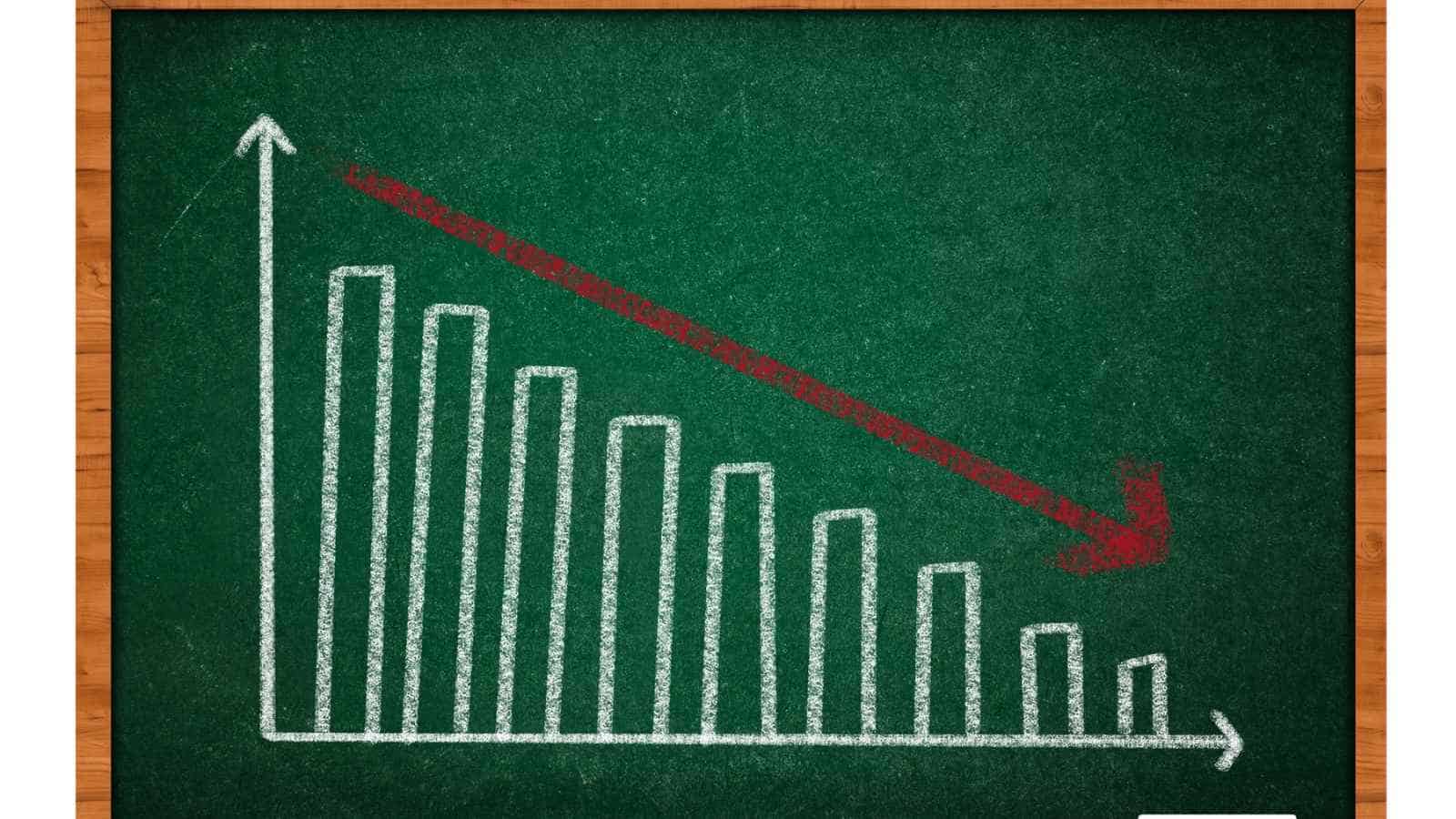
Japan’s trend matters as much as its headline number. The official count dropped from 3,824 people in 2021 to 2,591 in 2025, a decline of roughly one-third in four years. Each survey during that period recorded another decrease, including an 8.1% drop between 2024 and 2025.
The decline continued into 2026, although at a slower pace. The latest count was down another 4.2%, or 110 people, from the previous year. Japan’s ministry has connected the longer decline partly to local programs that provide temporary accommodation, employment assistance and help accessing welfare or permanent housing.
The U.S. homelessness crisis is much larger

The U.S. counted 771,480 people experiencing homelessness on one night in January 2024. That figure covered people living in emergency shelters, safe havens, transitional housing, and places that were never intended for sleeping. It was the largest number recorded since HUD began its current reporting series.
The newer U.S. count fell by about 3% to 745,652 in January 2025, but it remained extraordinarily high compared with Japan’s visible street count. Again, the definitions are different, yet methodology alone cannot explain away the whole gap. The U.S. still counted 266,320 people living outside in 2025, more than 100 times Japan’s narrowly defined rough-sleeping population.
U.S. homelessness increased sharply in 2024

Homelessness in the U.S. rose by 18% between the 2023 and 2024 point-in-time counts. That meant 118,376 additional people were counted in shelters or unsheltered locations in a single year. The increase followed another major rise in 2023, making the 2024 result part of a worsening multiyear pattern rather than an isolated statistical jump.
Most of the 2024 increase came from sheltered homelessness, which rose by approximately 100,762 people, or 25%. HUD connected the surge to several pressures, including high housing costs, the end of pandemic-era protections, natural disasters and unusually large increases in family shelter populations in certain cities.
Japan’s survey focuses on visible street homelessness
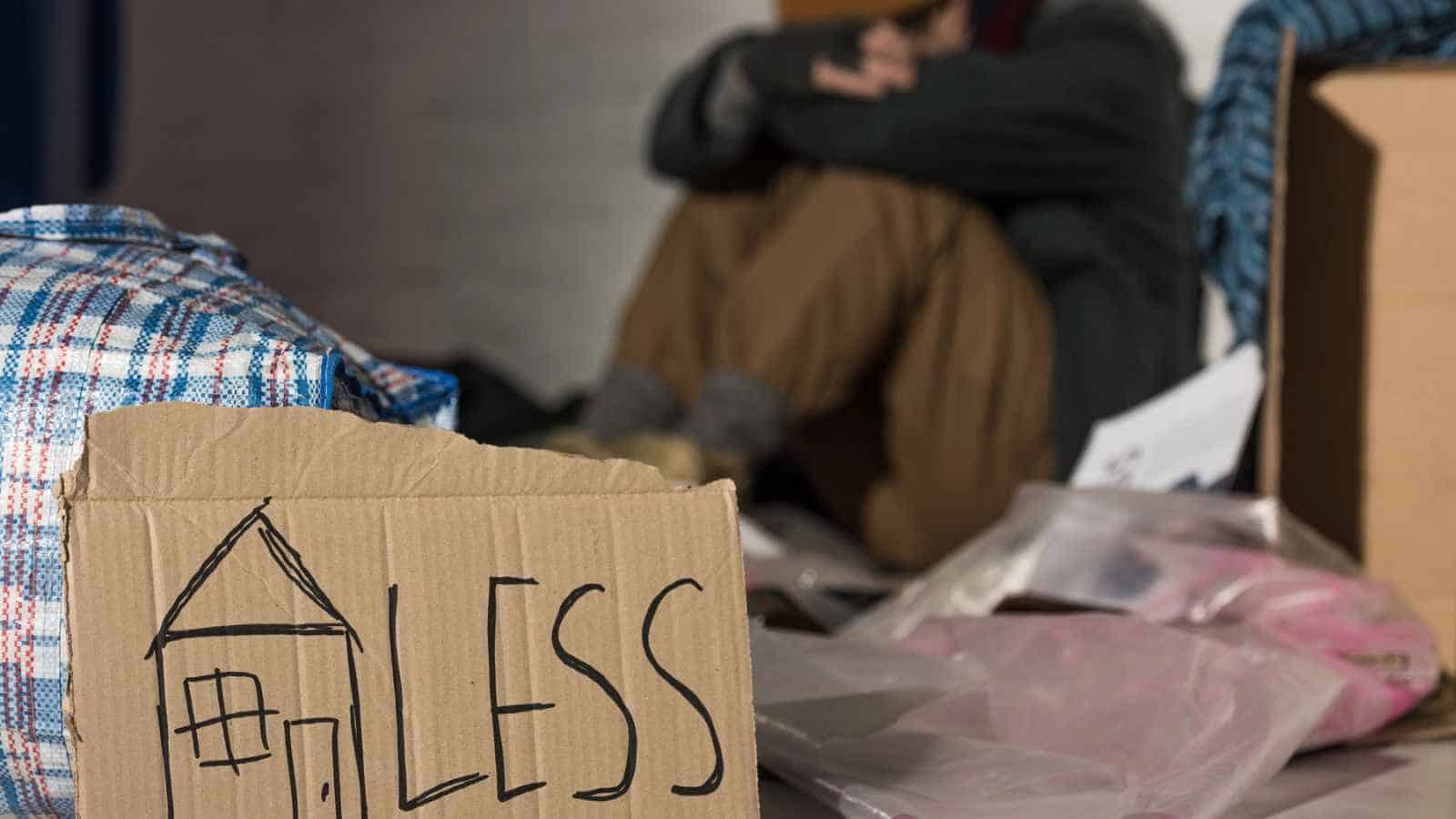
Japan’s count is conducted through visual patrols by municipal workers. The legal definition covers people using city parks, riverbanks, roads, train stations and similar public facilities as places to live. In 2025, urban parks accounted for 25.5% of the count, roadsides for 24.1%, riversides for 21.6% and station buildings for 5.8%.
That method produces a fairly clear picture of visible rough sleeping, particularly in large urban areas. It is less effective at finding people who move frequently, sleep in cars, stay indoors during patrols or spend nights in inexpensive commercial spaces. The total therefore answers a narrow question: how many people could local officials observe living in specified public locations during the survey period?
Japan excludes some hidden homeless populations
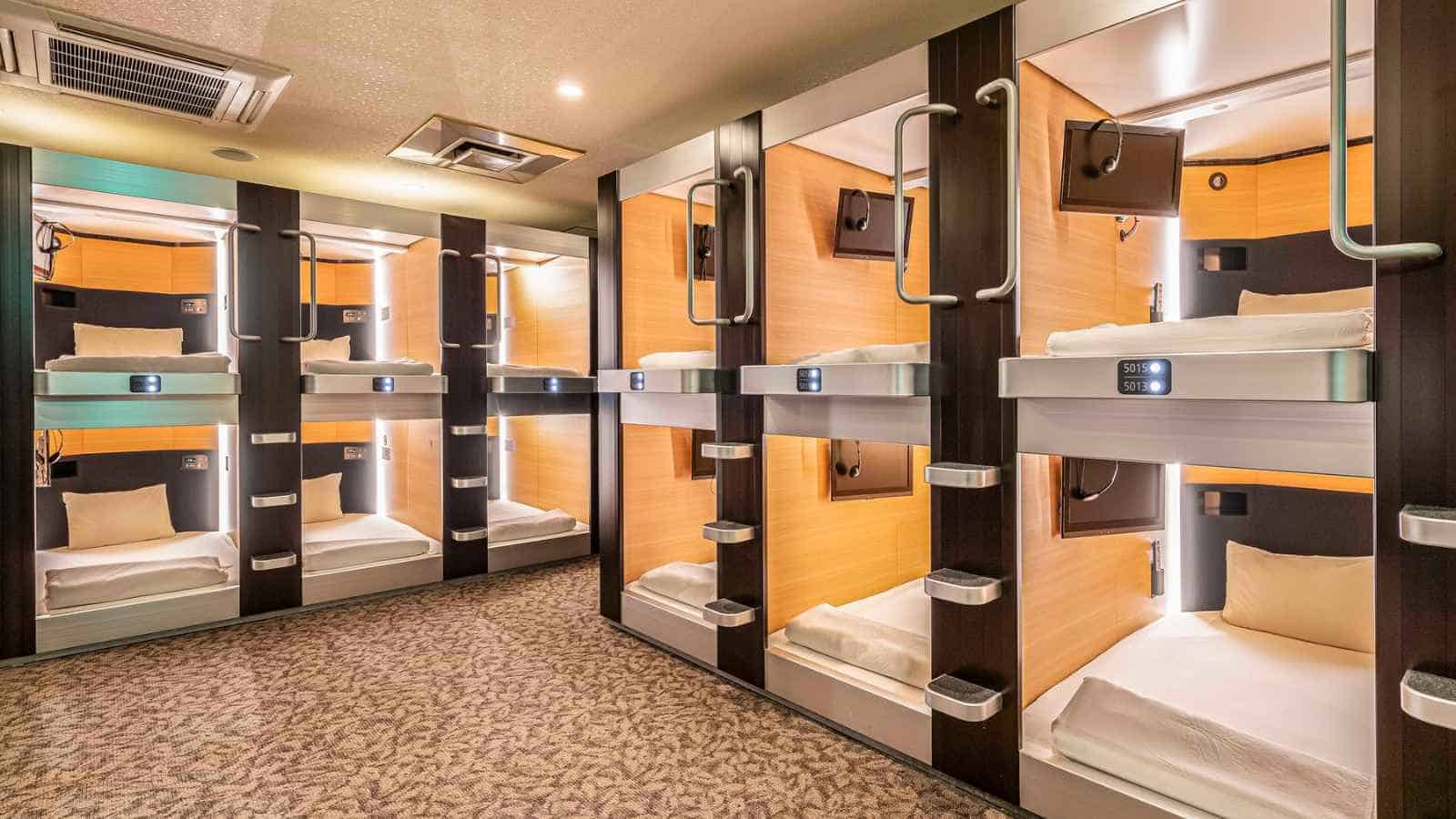
Japan’s official total does not include every person without stable housing. People sleeping in internet cafés, capsule-style facilities, temporary rooms, or another person’s home are generally outside the annual street count. Nippon.com specifically noted that the 2025 figure excluded people without fixed residences staying in internet cafés and similar locations.
Japan’s headline data include people living rough in public spaces but exclude people in emergency accommodation, homeless hostels, institutions, unconventional dwellings and temporary arrangements with friends or relatives. The U.S. count is broader because it includes shelter residents, although it also misses many people who are doubled up or moving between informal places to sleep.
Japan’s welfare system has a firm decision timetable

Japan’s Public Assistance Act says local welfare administrators should ordinarily decide an application within 14 days. The period may be extended to 30 days when officials need more time to investigate matters such as assets or possible financial support. That legal clock matters when someone has lost a job, cannot pay rent, and is close to sleeping outside.
A deadline does not guarantee that every applicant receives help or that the application process is painless. It does, however, create a formal expectation that authorities will make a decision quickly. Early access to income, medical assistance or rent support can interrupt the chain of events that turns a temporary financial emergency into months or years of street homelessness.
Housing support is built into Japan’s public assistance

Housing is an explicit part of Japan’s public assistance structure. Article 14 of the Public Assistance Act covers housing-related needs, and Ministry of Health materials list housing assistance, including rent, among the system’s eight main categories of support. That makes shelter a basic welfare issue rather than something handled entirely through a separate homelessness program.
Japan also has a Housing Security Benefit for eligible people struggling to pay rent after losing work or income. Local governments can pay qualifying rent support directly to the landlord, generally for three months and potentially for as long as nine months. Keeping someone in an existing apartment is usually less disruptive than waiting until eviction and then trying to rebuild housing stability from the street.
Japan has used direct Housing First-style programs

Housing First starts with a simple idea: give someone stable housing before demanding that every employment, health, or personal problem be solved. A Tokyo Metropolitan Government program launched in 2004 placed people living in parks and other public spaces into individually leased apartments, with support delivered after they moved in. Researchers described the program as a significant Japanese example of Housing First.
The United States also uses Housing First, permanent supportive housing, and rapid rehousing, so this is not a policy found only in Japan. The difference is that Tokyo’s program targeted identifiable concentrations of people in particular parks and offered apartments as the immediate route out. That made the intervention focused, geographically manageable, and easy to connect with outreach workers already serving those locations.
Japan moved large groups directly into apartments

The Tokyo project’s numbers are worth examining carefully. During its first phase in 2004 and 2005, officials worked with 1,773 people living in tents across five major parks. Of those residents, 1,190, or 67.1%, moved into leased apartments. A second phase conducted in 2006 and 2007 enrolled another 755 participants from parks and riverside areas.
That is where the claim that the program reached nearly 2,000 people comes from. It is more precise to say that the two phases involved close to 2,000 participants, with the first phase documenting 1,190 direct apartment placements. Residents received rent subsidies, regular visits from support workers, and help managing daily life after leaving the street.
Japan’s safety net can shorten street exposure

Japan’s system has several possible intervention points. Rent support may prevent eviction. Public assistance may cover housing after income disappears. Outreach programs can connect people already sleeping outside with accommodation, work assistance, and welfare offices. When these parts operate together, a person has more chances to leave the street before homelessness becomes chronic.
The United States has shown that targeted, well-funded programs can produce similar results. Veteran homelessness fell by almost 8% in 2024 even as overall homelessness rose sharply, following sustained investment in vouchers, health care and coordinated housing placement. That contrast suggests the problem is not that homelessness cannot be reduced in America. It is that focused systems have not been extended at the scale needed for everyone.
The U.S. system is more fragmented and can move more slowly

America’s response is coordinated locally through hundreds of Continuums of Care, with housing, health care and supportive services funded through several federal, state, local and private sources.
That structure can provide flexibility, but it can also leave a person navigating separate agencies, eligibility rules, grant programs and waiting lists. Japan is hardly a perfect model, especially because its narrow statistics hide some forms of housing insecurity. Still, its declining street count shows the value of acting before or soon after someone loses housing, treating rent as part of basic welfare and moving people into apartments without forcing them through a long sequence of temporary steps first.
Disclaimer – This list is solely the author’s opinion based on research and publicly available information. It is not intended to be professional advice.
You May Also Like: 10 American Cities Facing the Worst Homelessness Crisis
Like our content? Be sure to follow us