11 retirement purchases that often become expensive regrets
After decades of working and saving, retirement finally arrives—and for many people, so does the temptation to buy something they’ve always dreamed about. Maybe it’s a luxury RV, a boat, a vacation home, or the sports car they promised themselves years ago.
The problem is that some of retirement’s most exciting purchases also become its biggest regrets. High maintenance costs, unexpected expenses, and changing lifestyles can turn dream buys into ongoing financial burdens that eat away at retirement savings. Here are the retirement purchases financial experts say are most likely to leave buyers wishing they’d spent their money differently.
Recreational Vehicles

Buying a massive motorhome seems like the ultimate ticket to freedom and national road trips. Many retirees quickly realize that driving a house on wheels is stressful and exhausting. You also have to deal with finding campsites and paying exorbitant prices for gas.
The financial hit is often the hardest pill to swallow for excited new owners. Recent market data from Delmarva RV Center shows that new RVs lose 15 to 20 percent of their value in the very first year. After a few cramped trips, most of these expensive vehicles just sit in a driveway gathering dust.
Timeshare Properties

Owning a slice of paradise in Florida or Mexico sounds like a dream come true for exhausted workers. Sales pitches paint a beautiful picture of guaranteed yearly vacations without any hotel booking hassle. In reality, owners face rigid schedules and locations that quickly feel repetitive.
The financial trap snaps shut once the hidden bills start arriving in the mail. According to a 2025 report from the Timeshare Consumer Association, 85 percent of timeshare owners regret their purchase. You are usually stuck paying maintenance fees that increase every single year regardless of whether you actually travel.
Expensive Boats
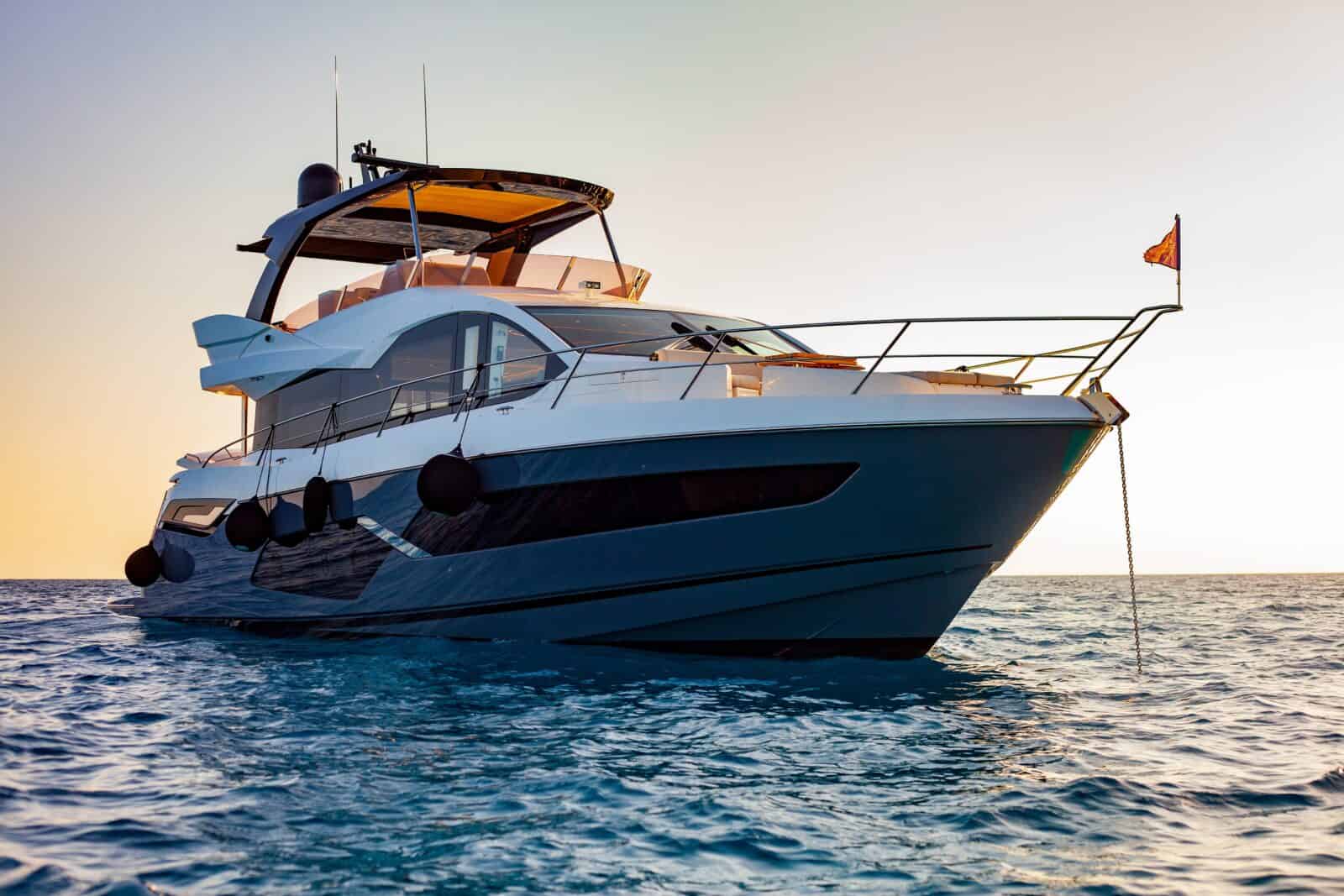
Spending your golden years on the water is a classic fantasy for Americans living near the coast. The romance of sailing quickly fades when you have to scrub barnacles and fix leaky engine seals. Many retirees discover they get seasick easily or simply prefer staying on dry land.
The financial drain of nautical ownership is legendary among retired communities. RecNation Storage experts note that owners should budget 10 percent of the boat’s purchase price each year just for standard maintenance. That means a typical vessel will drain your savings account much faster than you ever anticipated.
Vacation Homes

Having a cozy cabin in the mountains or a beach house sounds like a perfect getaway spot. You end up spending your entire vacation doing yard work and fixing broken pipes. The stress of managing a second property often outweighs the joy of having a personal retreat.
Keeping two houses functional requires double the budget and double the effort. A report from HomeGuide reveals that the average yearly home maintenance cost typically falls between $4,000 and $22,000. Those massive expenses can easily ruin a fixed income budget in a matter of months.
Swimming Pools

Installing a backyard oasis seems like a fantastic way to lure the grandchildren over for summer visits. You will soon realize that keeping the water crystal clear takes daily skimming and constant chemical balancing. Most older adults eventually get tired of acting like part-time lifeguards and pool cleaners.
The continuous upkeep bills add up to a staggering amount over a few years. HomeGuide data from 2025 indicates that average yearly pool maintenance costs run between $960 and $1,800. Paying that much money for a feature you might only use three months out of the year makes zero financial sense.
Luxury Sports Cars

Trading in the practical sedan for a flashy sports car is a classic retirement cliché. Climbing into a vehicle that sits two inches off the ground gets much harder as your knees age. You also have to park a mile away from the grocery store just to avoid door dings.
The depreciation on prestige vehicles is absolutely brutal right off the lot. TopSpeed reported in 2025 that popular luxury electric vehicles like the Tesla Model 3 have a five year depreciation rate of 55.9 percent. Watching half of your investment vanish into thin air is a terrible way to manage your retirement funds.
Elaborate Home Renovations

Gutting the kitchen and tearing down walls might seem like a productive way to spend your free time. Living in a construction zone covered in drywall dust is completely exhausting for older adults. The noise and constant stream of strange contractors quickly ruin any peace.
These massive projects almost always go wildly over budget and past their deadlines. Many retirees sink a fortune into custom upgrades that actually lower the resale value of their property. You are much better off keeping your living space simple and functional.
Expensive Collectibles

Buying rare coins or vintage stamps feels like a fun hobby that also serves as an investment. The collector market is incredibly volatile and completely driven by fads. You might spend thousands of dollars on items that your children will eventually sell at a garage sale.
Storing and protecting these delicate treasures creates a lot of unnecessary anxiety. Paying for specialized insurance and climate-controlled safes eats into whatever profit you hoped to make. Most Boomers agree that collecting memories is vastly superior to hoarding physical objects.
Premium Golf Club Memberships

Joining an exclusive country club is often the very first thing newly retired Americans do. The massive initiation fees and monthly dues force you to play constantly just to justify the expense. Your body might not even cooperate with playing eighteen holes every single day.
The social politics and strict dress codes at these clubs can feel like you are back at a corporate job. You can enjoy the same game at a public course for a fraction of the cost. Canceling a pricey membership is often a huge relief for people who just want to relax.
Massive Wardrobe Overhauls

Throwing away all your work clothes to buy a closet full of expensive resort wear sounds liberating. You will probably spend the vast majority of your time in comfortable sweatpants and old shirts. High-end linen suits and designer sunglasses just gather dust on the hangers.
The urge to completely reinvent your personal style usually fades after a few months of freedom. Spending a fortune on a lifestyle wardrobe is a very common regret among new retirees. It is much wiser to buy pieces gradually as your actual daily routine becomes clear.
Extravagant Hobby Equipment

Taking up woodworking or deep-sea fishing sounds like a fantastic way to fill up empty afternoons. Buying professional-grade gear before you even know if you like the activity is a huge mistake. Garages across the country are filled with expensive looms and kilns that were used exactly once.
Renting equipment or taking a community class is a much smarter approach to exploring new interests. You avoid the guilt of staring at an expensive piece of machinery that you never touch. Letting go of the pressure to become an overnight master craftsman is incredibly freeing.
Expensive Pets

Bringing home a fancy puppy from a backyard breeder seems like a wonderful way to add some joy to an empty nest. High-energy breeds require hours of training and exercise that can physically overwhelm an older adult. The constant barking and chewed-up furniture can shatter the peaceful environment you worked so hard to create.
The veterinary bills are notoriously high due to genetic health issues. Many seniors realize too late that committing to fifteen years of pet care severely limits their ability to travel.
More articles you might like:
- 12 Signs America’s Class Divide Is Growing Bigger Than Ever
- Which Grocery Store Helps SNAP Benefits Go The Furthest? Here’s What Experts Suggest
- 12 States That Could Be Hit Hardest By Social Security And Medicaid Cuts