Why “Just Don’t Do Anything Illegal” isn’t as simple as it sounds
Spend enough time on social media, and you’ll eventually see the same response.
Someone raises concerns about surveillance, new laws, police powers, or government authority. The replies come almost immediately.
“Just don’t do anything illegal.”
It’s a neat little sentence. Four words that seem to end the conversation.
Except they really don’t.
Because the reality is far messier than that.
Most People Want To Follow The Law
Let’s start with something most Americans probably agree on.
The overwhelming majority of people aren’t looking for ways to break the law. They go to work, pay their taxes, drive their kids to school, walk their dogs, and generally try to stay out of trouble.
Most of us believe that if we obey the law, we’ll be left alone. That’s a reasonable expectation.
The problem is that the law isn’t always as simple—or as predictable—as we’d like to believe.
Laws Aren’t Static
One of the biggest misconceptions is that laws are fixed. They’re not.
New laws are passed every year. Existing laws are rewritten. Court decisions change how statutes are interpreted. Rules that existed yesterday may not exist tomorrow, while behaviors that were once legal can suddenly become restricted.
Consider marijuana laws. A behavior that is perfectly legal for adults in Massachusetts remains a criminal offense under federal law and is still illegal in many states. Someone driving across state lines can unknowingly move from one legal framework into another in a matter of minutes.
Most people aren’t attorneys. They don’t spend their evenings reading legislative updates or Supreme Court opinions. They’re simply trying to live their lives.
So when someone says, “Just don’t do anything illegal,” they’re assuming everyone knows exactly what is legal at every moment.
Real life doesn’t work that way.
You Can Become Part Of An Investigation Without Doing Anything Wrong
Another uncomfortable reality is that being investigated isn’t the same thing as being guilty.
Modern investigations often cast much wider nets than they once did. For example, location data has been used in geofence warrants to identify every device that happened to be near the scene of a crime during a particular period. Most of those people are completely innocent. They simply happened to be nearby.
In 2019, Zachary McCoy was simply riding his bicycle for exercise in Gainesville, Florida. Police investigating a nearby burglary obtained a Google geofence warrant, and because McCoy happened to ride past the home several times during his workout, investigators initially considered him a suspect. He ultimately proved he had done nothing wrong, but only after hiring a lawyer. The case became one of the first national examples illustrating how innocent people can be drawn into digital investigations simply because they happened to be nearby.
The issue became significant enough that the U.S. Supreme Court weighed in this year in Chatrie v. United States. The case involved a bank robbery solved through Google’s location history. While investigators ultimately identified the robber, the Court held that obtaining location data from everyone inside a virtual perimeter constitutes a Fourth Amendment search because it also collects information about countless innocent people who simply happened to be nearby.
Police Officers Are Human
Another assumption hidden inside “just don’t do anything illegal” is that law enforcement always gets it right.
No system involving millions of interactions every year gets everything right. Police officers make mistakes. Witnesses misidentify suspects. People share similar names. Addresses get mixed up. Technology isn’t perfect.
Courts across the country have recognized wrongful arrests and unlawful detentions precisely because they do happen.
The National Registry of Exonerations has documented thousands of cases in which people were wrongly convicted of crimes they did not commit. Those cases arose from many causes—mistaken eyewitness identifications, false confessions, prosecutorial misconduct, and faulty forensic evidence—but they all remind us of the same reality: criminal justice systems, like every human institution, sometimes make mistakes.
Most officers perform difficult jobs professionally every day. Acknowledging that mistakes occur isn’t an attack on law enforcement—it’s simply recognizing reality.
The Law Can Be Complicated
Consider how often ordinary people ask questions like these:
- Can I legally record this conversation?
- Can police search my car?
- What if I refuse to unlock my phone?
- Is this legal in my state but illegal across the border?
- Has this law changed recently?
None of those questions have simple one-word answers.
Many depend on where you live, the circumstances, recent court rulings, or even which agency is enforcing the law.
That’s why attorneys spend years studying legal systems that the rest of us are expected to understand.
Rights Matter Even When You’ve Done Nothing Wrong
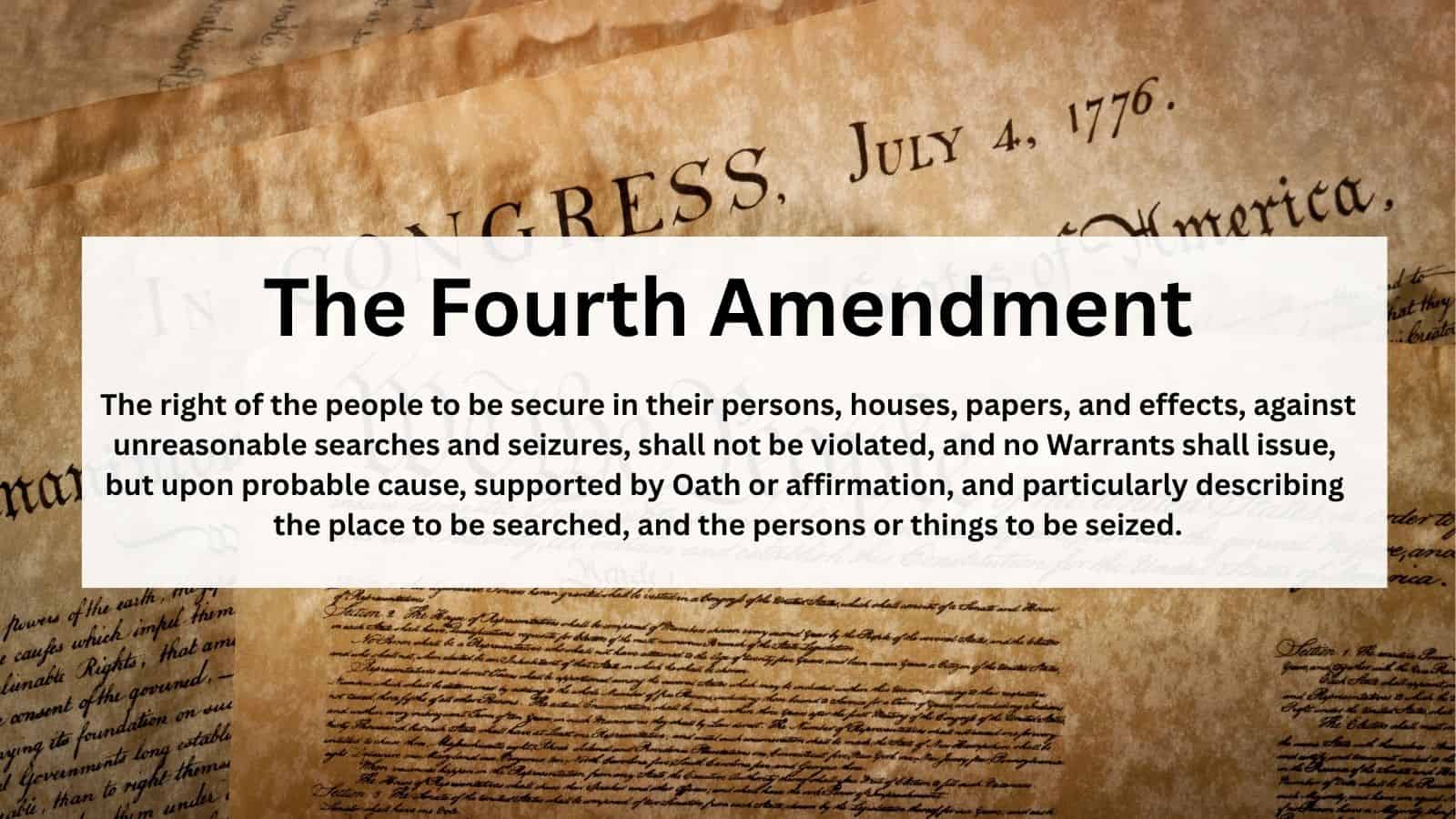
The protections built into the legal system weren’t created only for guilty people.
They’re there for everyone.
The presumption of innocence, the right to legal counsel, protections against unreasonable searches, and due process all exist because history has repeatedly shown that governments—and people—sometimes make mistakes.
The framers of the Constitution didn’t create protections like the Fourth Amendment because they assumed only guilty people would be investigated. They had lived under British “general warrants” that allowed broad searches with little individualized suspicion. The Bill of Rights was written in part to prevent that kind of government power from becoming routine again
If “just don’t do anything illegal” were enough to protect everyone, those safeguards wouldn’t be necessary.
A Better Conversation
Personal responsibility matters. Of course people should obey the law.
But that’s only part of the discussion.
A healthy society also expects laws to be clear, consistently applied, and enforced fairly. It expects mistakes to be corrected and rights to be protected—even for people who never intended to break a law in the first place.
Those ideas aren’t in conflict.They’re complementary.
The Bottom Line
“Just don’t do anything illegal” sounds like common sense because it’s simple.
The real world isn’t.
Laws evolve. Courts reinterpret them. Technology changes faster than legislation can keep up. Mistakes happen. Investigations sometimes include innocent people before the facts are sorted out.
None of that means people shouldn’t follow the law.
It simply means that following the law has never been the only question worth asking.
A free society depends not just on citizens obeying the law—but on laws that are understandable, fairly enforced, and respectful of the rights of everyone they apply to.
QUESTION FOR READERS: Do you think “just don’t do anything illegal” is practical advice, or does it oversimplify how the legal system works? Why?
You may also be interested in reading:
- 12 common household habits people don’t realize are against the law
- 10 common 1960s kitchen habits that are now illegal or regulated by U.S. law
- 12 common things people do that are actually illegal