12 signs your dog may be scared of you
Think your dog loves you? Maybe. But if it avoids your eyes, slips out of the room, or freezes when you reach out, that’s not stubbornness; it’s fear.
Dogs don’t sit you down and say, “Hey, I’m nervous when you approach me.” Instead, they lower their head, tuck their tail, lick their lips, or quietly walk away.
And here’s the kicker: fear rarely shows up overnight. According to PetMed, dogs usually develop it slowly, one subtle signal at a time.
Veterinary experts call these “fight, flight, freeze, or fidget” behaviors. They last only seconds, which is why most owners miss them. But those tiny signals matter; they’re your dog’s way of saying, “I need space.”
Freezing Still
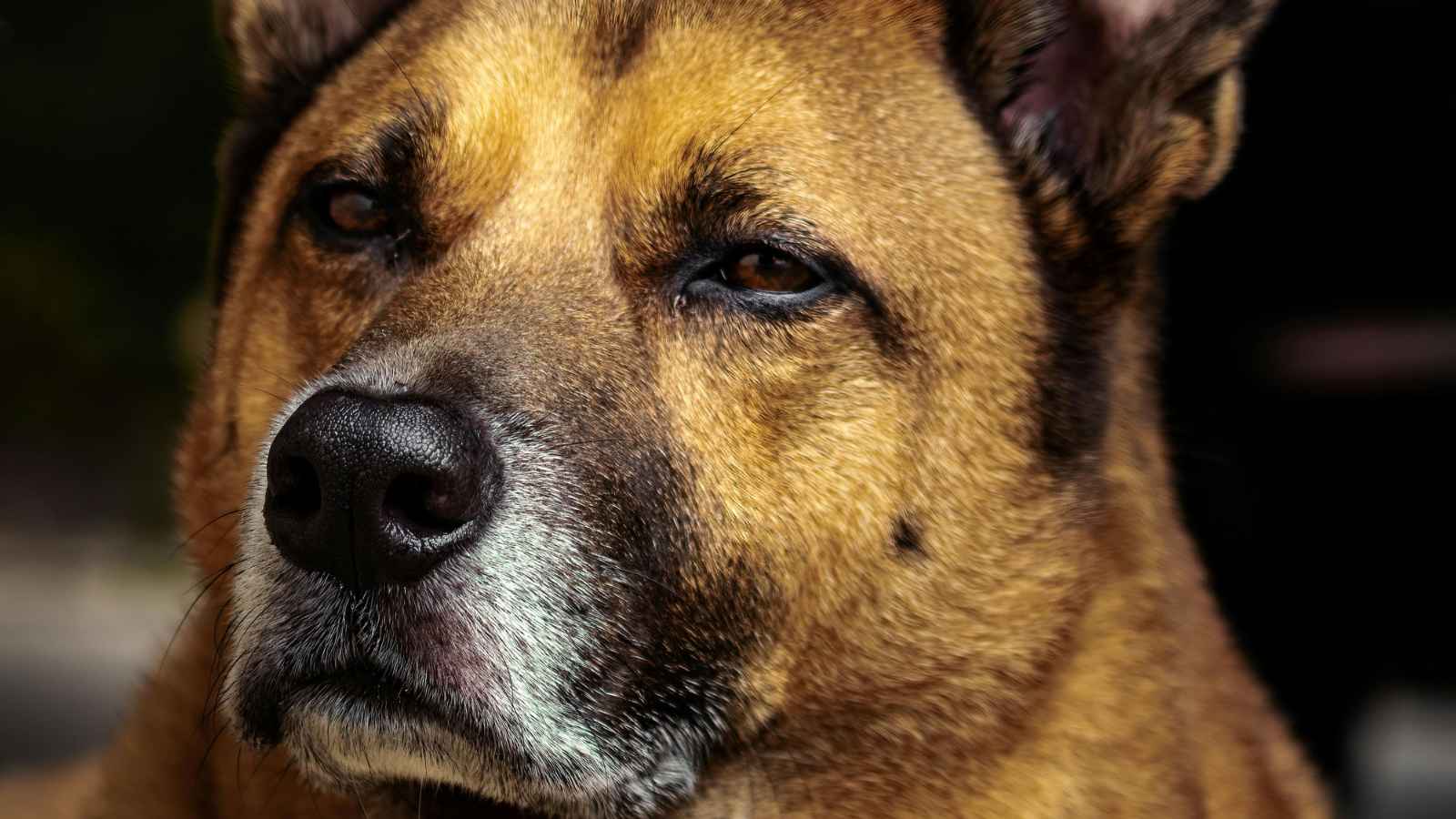
A frozen dog is not always calm. Sometimes, it is overwhelmed.
When your dog suddenly stops moving, your first reaction might be, “Oh, they’re being unusually good.” But that silent pause may mean something completely different.
Some dogs run when they feel scared. Others freeze in place. That quiet moment can fool you.
If your pup suddenly freezes when you approach, reach out, or enter a room, do not assume everything is fine. That “statue mode” may be your dog’s silent way of saying, “I don’t know what to do right now.”
Avoids Eye Contact
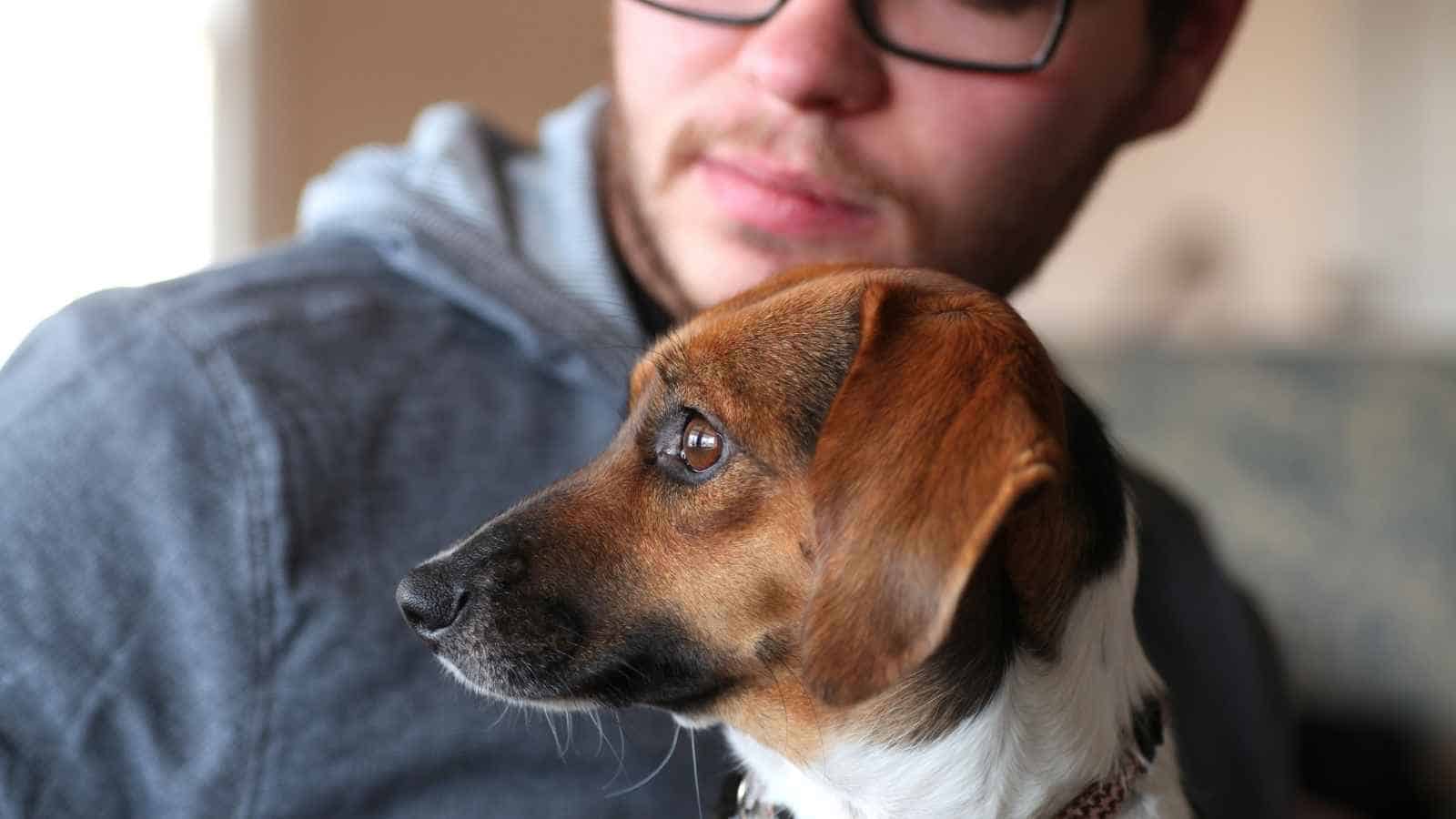
Looks away? That’s not rudeness. It could be a warning sign.
Dogs do not use eye contact the same way humans do. A relaxed pup may look straight at you during play, wait for your next command, or check in with you for reassurance. A fearful dog? It may turn its head, glance sideways, or avoid your eyes completely.
That little “I’m not looking at you” moment might seem harmless, but it can reveal discomfort. Avoiding direct eye contact is a possible anxiety signal, and Oakland Animal Services lists it as one of the common signs that a dog feels uneasy.
But here is what matters: if your dog happily looks at other people and suddenly avoids your gaze, it may not be ignoring you. It may be trying to communicate in the only way it knows how.
Tail Tucked
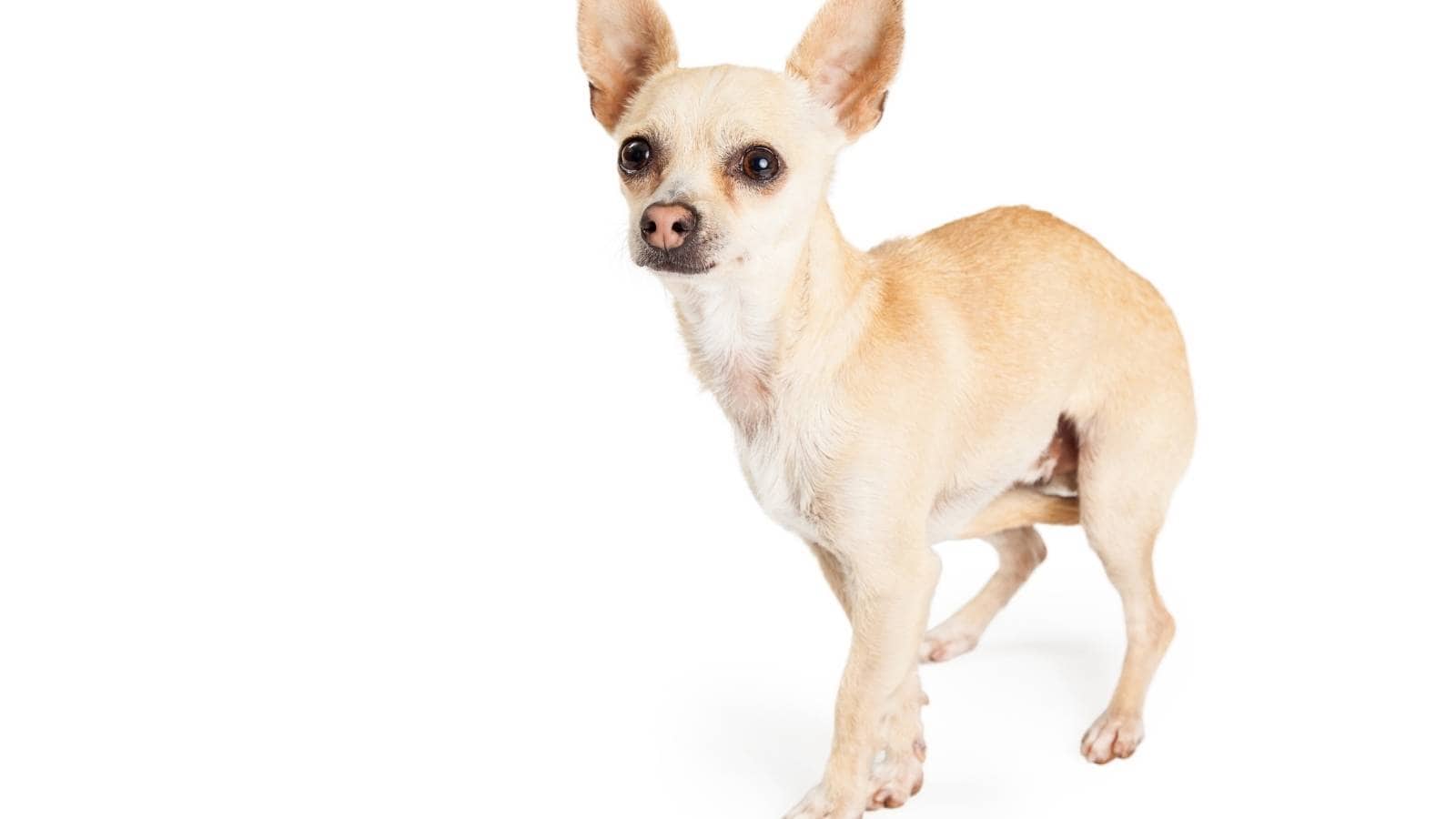
A tucked tail isn’t drama. It’s discomfort.
Your dog’s tail works like an emotional weather report. When it presses tightly under the body, your dog may be sending a clear message: “I don’t feel safe right now.” But the tail alone does not tell the whole story. Please look at the entire body.
Relaxed dog: loose body, natural tail position, smooth movement.
Fearful dog: tucked tail, lowered head, stiff muscles, cautious movements.
That little tail position may seem like a small detail. But your dog is not just changing posture. It may be telling you a much bigger story. And ignoring that message could mean missing what your dog is trying to say.
Body Flattened

When your dog suddenly becomes a furry pancake, fear may be the reason.
Yes, that adorable little floor hug might not mean your pup is being extra cute. Sometimes, a dog flattens itself because it feels nervous and wants to appear less threatening.
According to PetMed, some dogs crouch, lower their bodies, or press close to the ground when they feel uncomfortable. Many owners mistake this behavior for obedience, thinking their dog is simply being polite.
But your dog may actually be saying: “I don’t want trouble. I just want to feel safe.” So the next time your pup suddenly turns into a four-legged pancake, take a closer look. It may not be showing respect.
It may be quietly asking for reassurance.
Trembling or Shaking
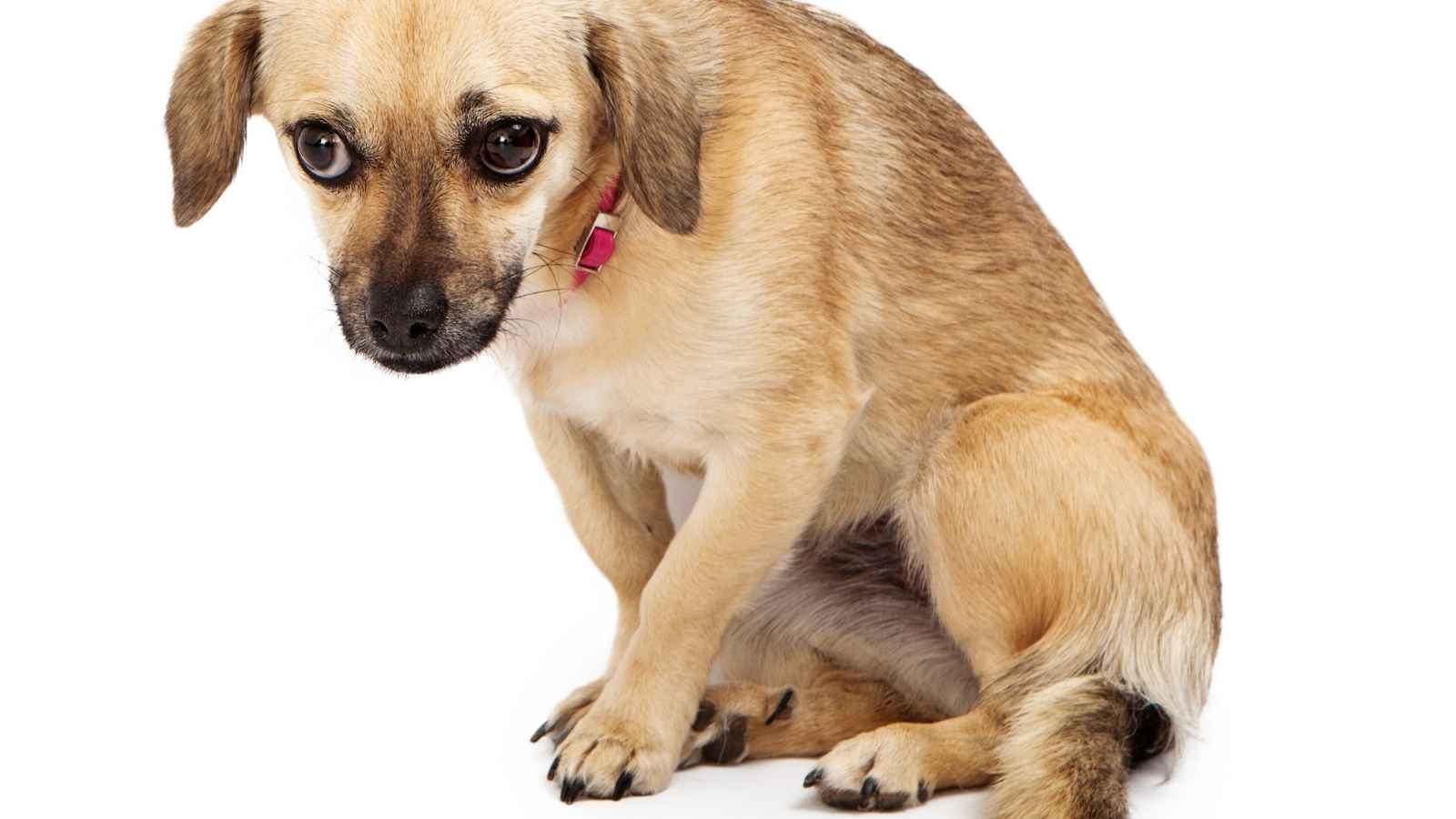
A trembling dog is not always cold. Sometimes, it is scared.
When your dog starts shaking, your first thought might be, “Is my poor pup freezing?” But the weather is not always the reason.
Pay attention to what happens right before the shaking starts.
Your dog’s reaction may reveal what makes it feel nervous. Instead of ignoring the pattern, pay attention to what happens right before the shaking starts. A small change in your behavior, your voice, or your approach could be the thing your dog is responding to. Sometimes, your dog is not being difficult.
A shaking dog is not trying to be dramatic. It is communicating the only way it knows how. That tiny tremble may be your dog’s way of saying, “Something doesn’t feel right.”
Refuses Its Favorite Treat
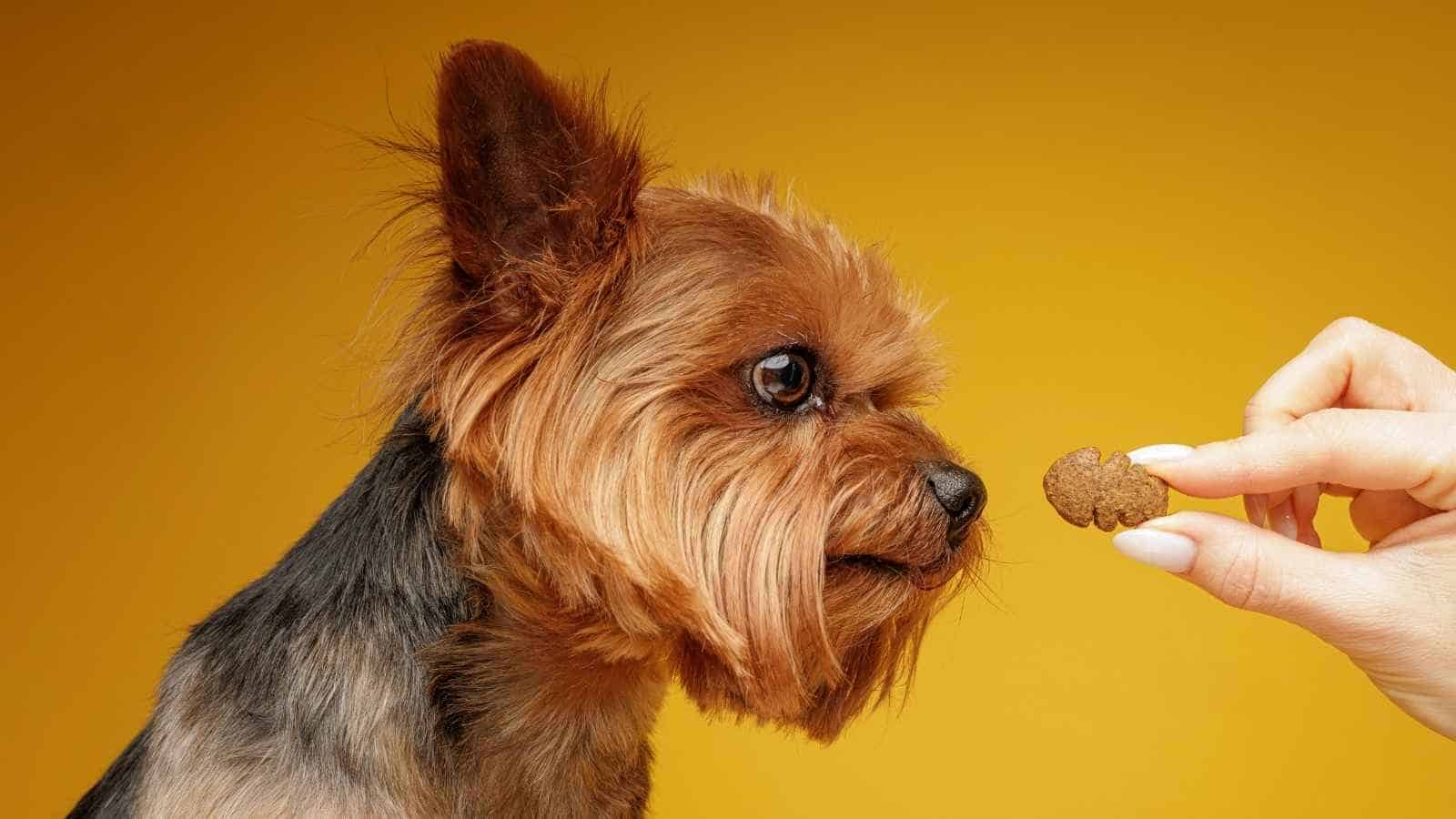
When a food-loving dog suddenly says “no thanks,” pay attention.
Most dogs would happily perform a full comedy show for a snack. So when your dog refuses a favorite treat, do not brush it off as stubbornness.
The San Francisco SPCA and veterinary behaviorist Karen Sueda explain that refusing a treat can happen when a dog feels too stressed to engage. A treat that normally gets an instant tail wag may not matter when your dog feels uneasy around you or the situation.
If your pup turns down a favorite snack, do not just ask, “Why won’t my dog eat?” Ask the bigger question: “What is making my dog feel unsafe?”
Keeps Its Ears Pulled Back
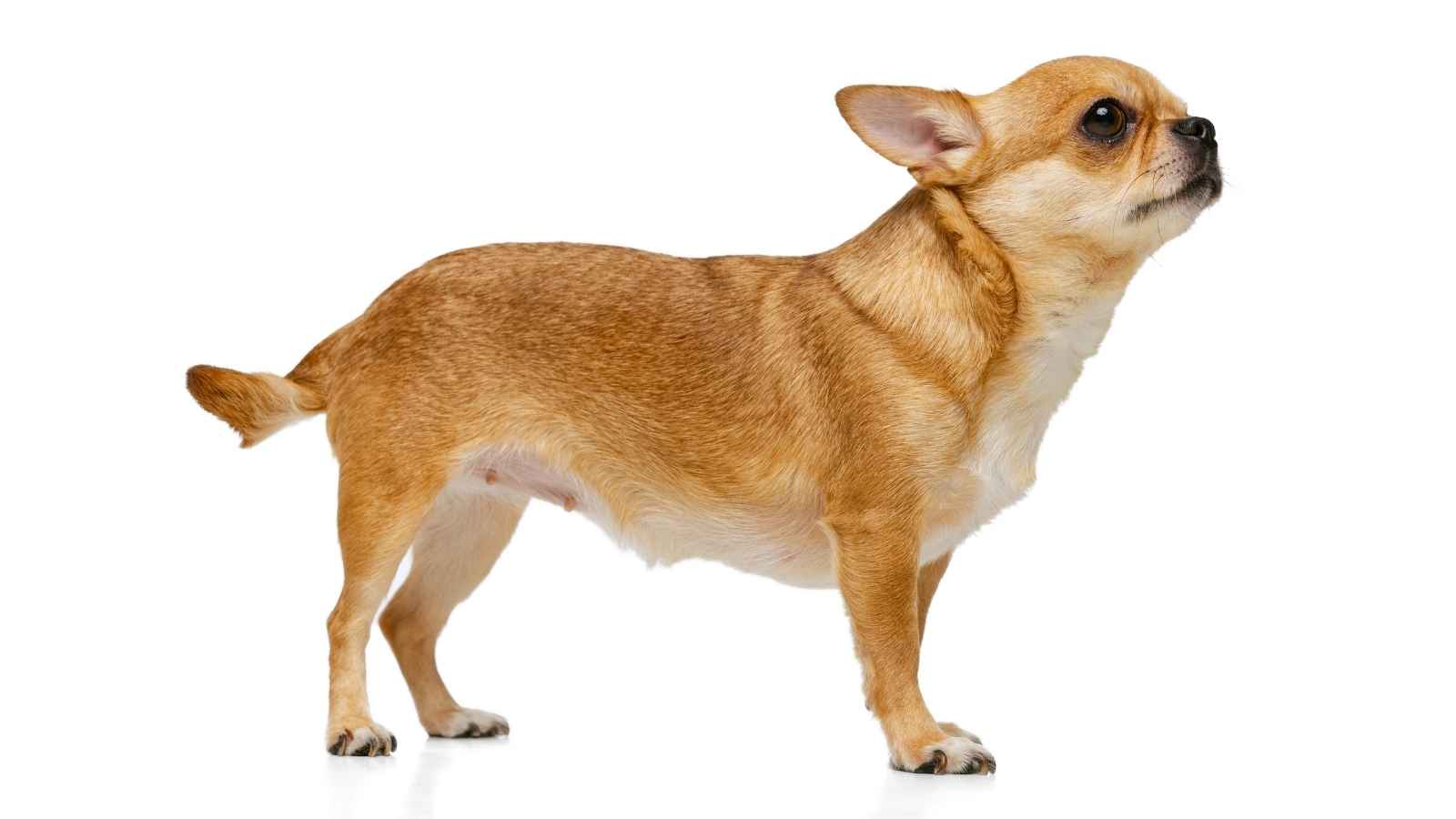
Your dog’s ears can reveal feelings before your dog makes a sound.
A relaxed pup usually carries its ears naturally. But when it feels nervous, those ears may suddenly pull back, flatten against the head, or sit lower than usual.
That small change can tell you something is wrong.
Remember, every dog has its own style. A floppy-eared Basset Hound will not communicate the same way as a pointy-eared German Shepherd. So do not focus on the ears alone. Watch for changes.
The real question is simple: Do your dog’s ears change when you walk toward them?
Licks Its Lips or Yawns at Odd Moments
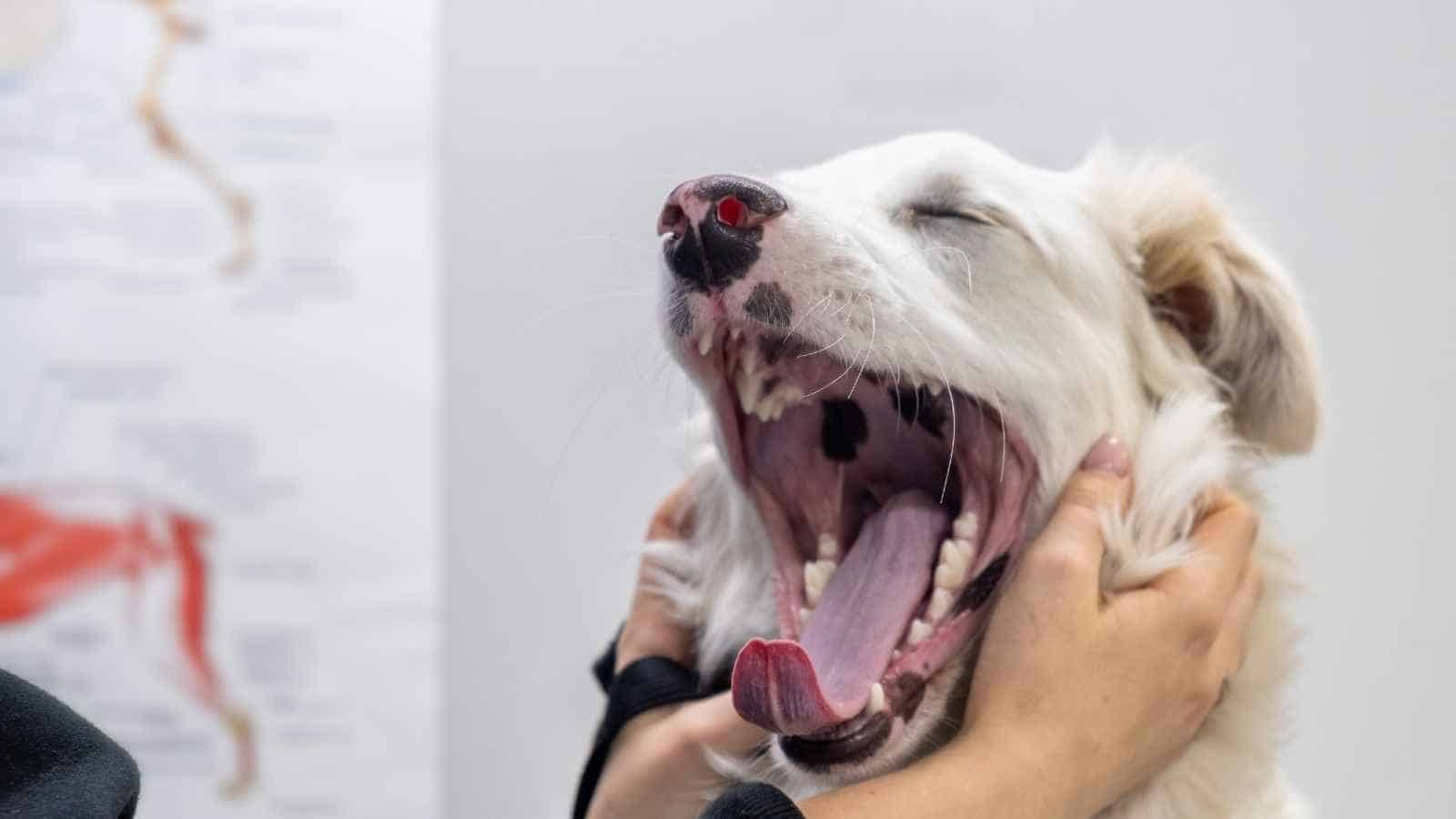
A random yawn is not always about being tired. Sometimes, it is stress showing up quietly.
Dogs lick their lips after eating. They yawn when they need rest. Those behaviors are completely normal. But what happens when your dog starts doing them during uncomfortable moments?
A quick lip lick when you walk closer. A sudden yawn when you reach out to pet them. A repeated pattern that appears whenever the dog feels unsure. That could be your dog’s way of saying, “I’m not comfortable right now.”
Animal behavior experts call these displacement behaviors. They are small actions dogs use to cope with nervous feelings or stressful situations.
Your dog is not bored. It is not trying to be dramatic. It may simply be asking for a little more space.
Watches You From Far Away
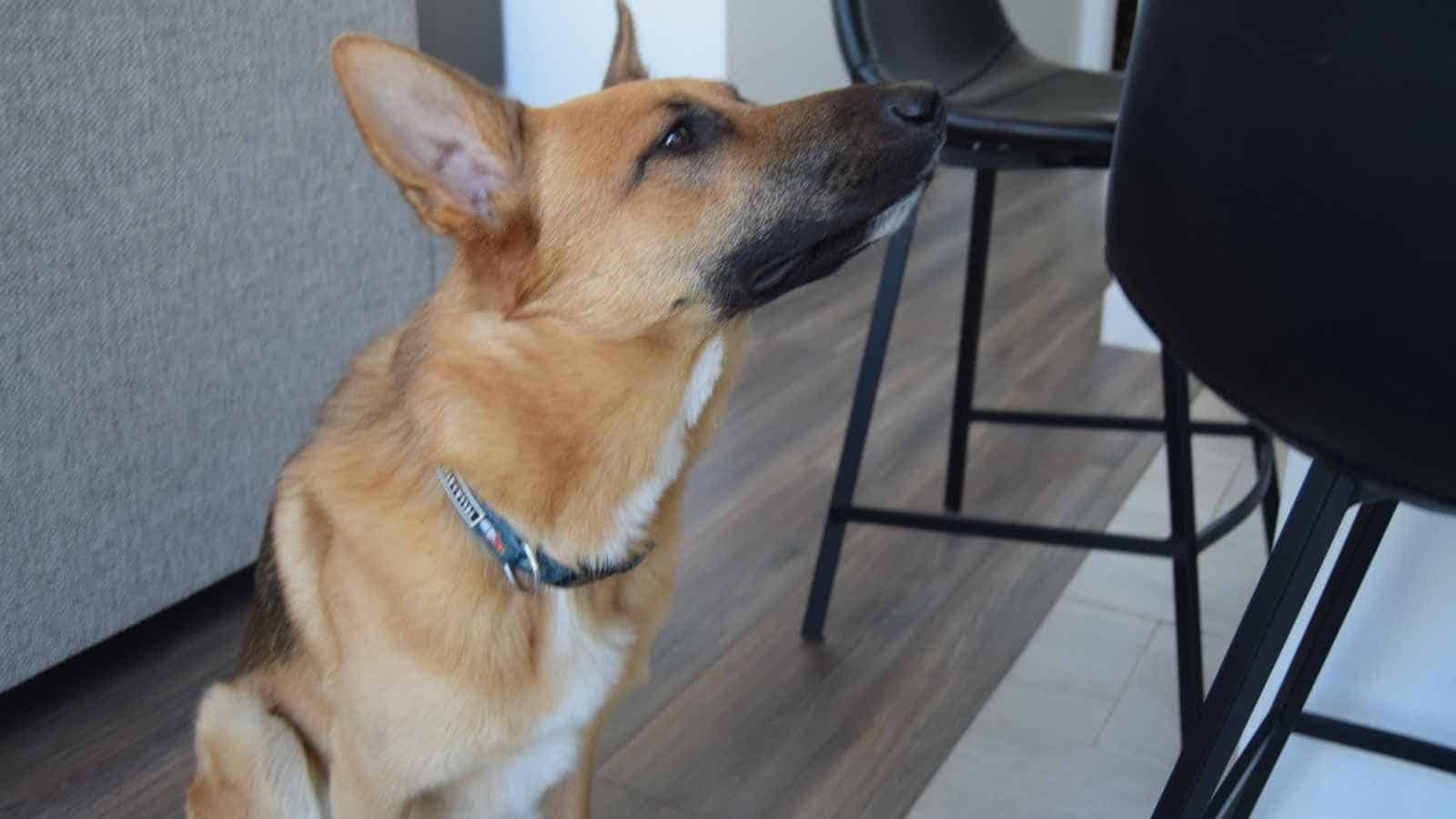
Sometimes a scared dog does not hide. It watches.
Your pup may sit across the room, quietly following your every move with its eyes. At first, it might look like curiosity. But there is a difference between an interested dog and one that is constantly checking what happens next.
A nervous one may watch because it is trying to understand you. Are you going to approach? Are you going to reach out? Are you going to make a sudden movement?
It may be studying the situation before deciding what to do.
This behavior can look a little funny. It is almost like your dog has turned into a tiny security guard, keeping tabs on everything happening in the room. But underneath that watchful stare, it may simply be looking for signs that it is safe.
It is just searching for reassurance.
Leaves When You Enter the Room

Walking away is not stubbornness. It is a signal.
If your dog leaves the room every time you enter, it can feel personal. You might think, “Did I do something wrong?” or even, “Is my dog mad at me?”
But dogs do not usually walk away to make a statement. They walk away because distance feels safer.
A nervous dog often avoids situations that make it uncomfortable instead of confronting them. Rather than growling or snapping, it may simply choose the exit and quietly remove itself from the situation.
Think of it as your dog pressing the “pause” button.
Has Accidents During Certain Interactions
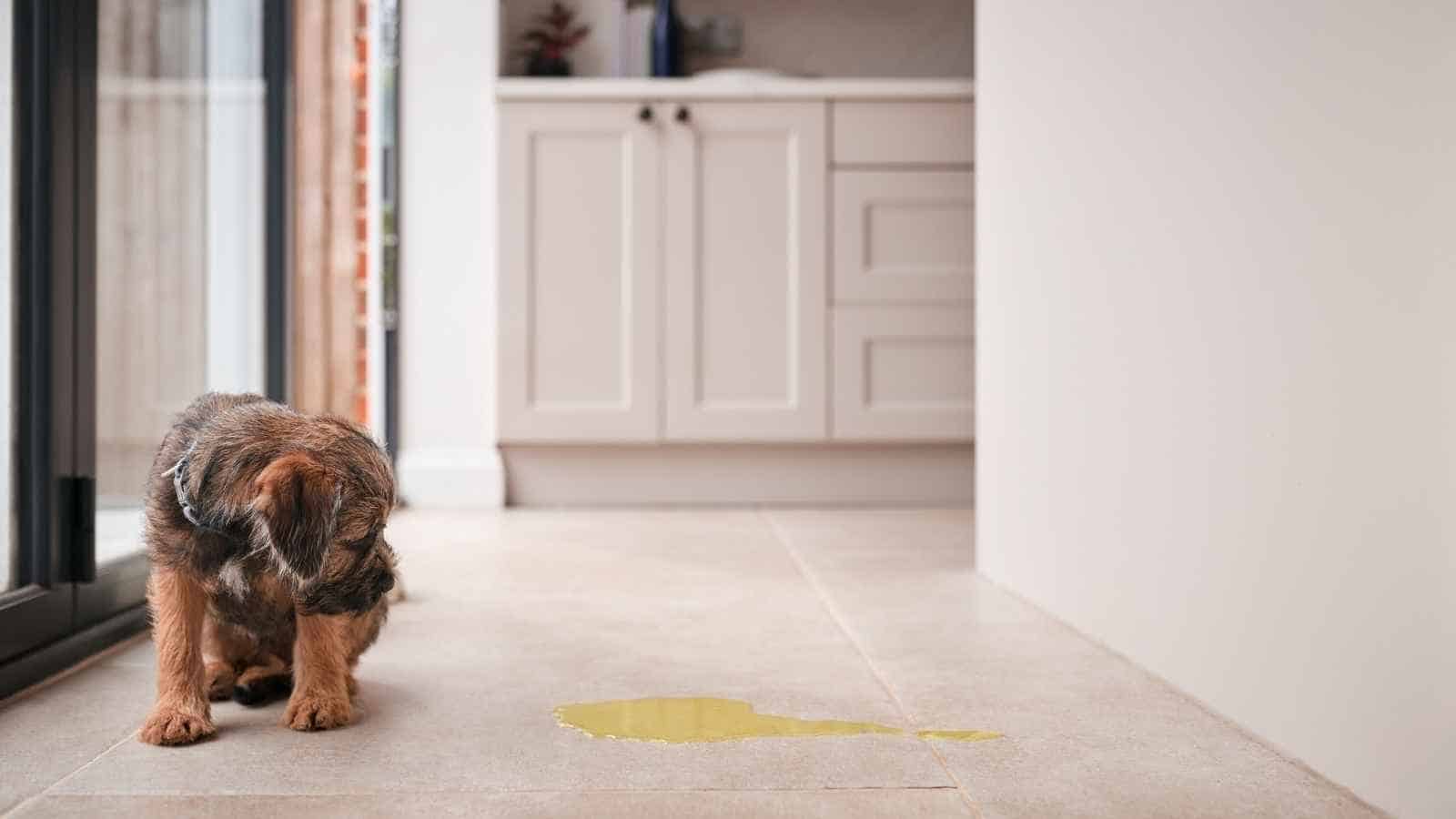
Fear can make a dog’s body react before its brain even catches up.
When some dogs feel overwhelmed, their body takes control. One of the most misunderstood reactions is submissive urination.
It is not having an accident to annoy you. Or trying to “get revenge” or ruin your carpet’s big moment. A nervous dog may urinate because fear triggers an automatic response.
Submissive urination often happens during intense greetings, sudden movements, or moments when a dog feels pressured. It is a sign that they may not feel completely safe.
So what should you do?
Do not punish the behavior. A scared dog does not need a lecture. It needs patience, calm interactions, and a chance to rebuild confidence. The goal is to help your dog feel safe.
Growls, Snaps, or Acts Defensive
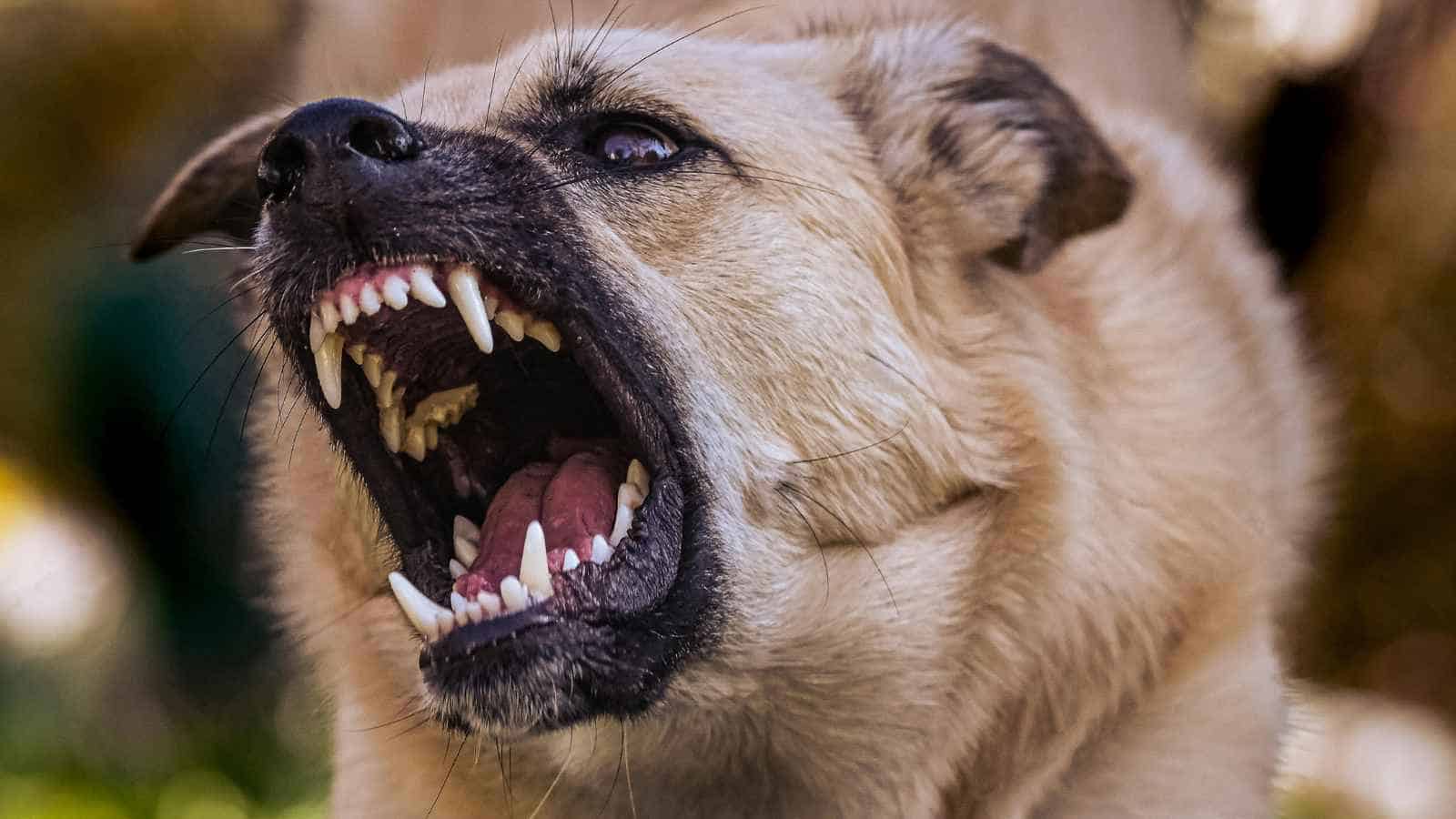
A growl is not your dog being bad. It is trying to communicate.
Many people hear a growl and immediately think, “Uh-oh, my dog is becoming aggressive.” But sometimes, that sound means something much simpler: “I’m scared. I need some space.”
Your dog is not trying to challenge you or start a fight. It is giving you a warning before it feels pushed too far.
The tricky part? If you punish the growl, you may remove the warning without fixing the fear behind it. Your dog could learn that showing discomfort is not allowed, but the fear itself may still be there.
So instead of asking, “How do I stop my dog from growling?” try asking, “What is making my dog feel unsafe right now?”
Key Takeaways

Your dog may not always show fear in obvious ways. A scared dog does not always bark, hide, or run away. Sometimes, fear appears through small changes like avoiding eye contact, lowering its body, tucking its tail, freezing, or quietly leaving the room. These behaviors are your dog’s way of communicating discomfort, and noticing them early can help you understand what your pup is feeling.
Fear does not mean your dog dislikes you. In many cases, your dog needs more time, patience, and a sense of safety. Pay attention to patterns: when does your dog pull away, shake, refuse treats, or become tense? Those moments can reveal what makes your dog uncomfortable and help you change the way you interact.
The strongest bond with your dog comes from trust, not force. Avoid punishing fear signals like growling, hiding, or nervous reactions. Instead, give your dog space, use calm movements, and create positive experiences. A dog that feels safe will not need to be pushed closer. It will choose to come to you.
Disclaimer – This list is solely the author’s opinion based on research and publicly available information. It is not intended to be professional advice.
You May Also Like: 10 Myths About Dogs You Probably Believe
Like our content? Be sure to follow us.