Why supersonic passenger travel disappeared—and why it may be coming back
More than 40 years ago, passengers could fly from New York to London in roughly three and a half hours. Today, the same trip usually takes nearly twice as long.
So what happened?
For nearly three decades, Concorde made supersonic passenger travel a reality, carrying travelers across the Atlantic at more than twice the speed of sound. It looked like the beginning of a future in which flights would keep getting faster.
Instead, Concorde disappeared from the skies in 2003, and commercial aviation went back to flying below the speed of sound.
The reasons involve everything from sonic booms and eye-watering ticket prices to fuel consumption, maintenance costs, and a devastating crash. But more than two decades later, engineers are trying to solve some of those problems—and supersonic passenger flight may be preparing for a comeback.
The Supersonic Age Actually Happened
From 1976 to 2003, the Concorde soared above the clouds at over 1300 miles per hour, more than twice the speed of sound. It was sleek, futuristic, and catered to the elite. Onboard, passengers drank champagne while crossing the Atlantic in record time. It felt like the future had arrived.
Sonic Booms Created a Loud Problem
Flying faster than sound creates a sonic boom, and while the experience in the cabin was smooth, the boom on the ground was anything but. People on the ground described it as a constant thunderclap. The United States and many other countries quickly banned supersonic flights over land, drastically limiting the routes the Concorde could fly.
Tickets Were Out of Reach
Flying on the Concorde was not cheap. A roundtrip ticket could easily cost over $10,000, pricing out all but the wealthiest travelers. Airlines had a hard time filling seats, especially once the novelty wore off and more cost-effective luxury alternatives emerged.
The Environmental Cost Was Too High
The Concorde burned a shocking amount of fuel per passenger and emitted pollutants at higher altitudes where they could do more damage to the environment. With growing concerns about climate change and fuel efficiency, its carbon footprint became harder to justify.
Maintenance Was a Constant Challenge
The Concorde was a technological masterpiece, but it came with constant upkeep. Maintenance crews needed special training and airports required special accommodations. As parts became scarce and the planes aged, the logistics of keeping them flying became unsustainable.
A Tragic Crash Changed Everything
In 2000, an Air France Concorde crashed shortly after takeoff, killing everyone on board. Though investigators traced the cause to debris on the runway, public trust in the aircraft never fully recovered. The crash was a symbolic and financial blow that the program could not survive.
Farewell to Concorde in 2003
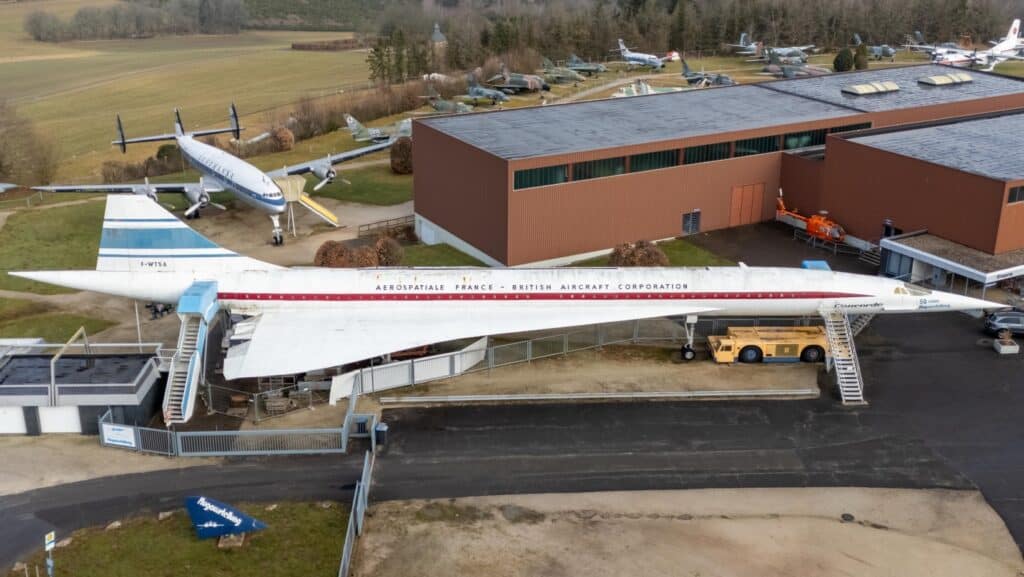
After nearly three decades of elite service, British Airways and Air France retired the Concorde. Between limited routes, high costs, aging infrastructure, and environmental concerns, the era of commercial supersonic travel came to a quiet close.
Supersonic Flight Never Left the Military
While commercial aviation pulled back, military jets continued to travel at supersonic speeds. The technology evolved in defense and research circles, where budget constraints and noise regulations were less limiting. But for the average traveler, speed stayed stuck.
New Players Are Eyeing a Comeback

Companies like Boom Supersonic and NASA are working on a new generation of aircraft that promise supersonic speeds without the disruptive booms. Boom’s proposed aircraft, called Overture, aims to be quieter and more sustainable, with test flights anticipated later this decade.
Upcoming Projects Are Gaining Speed
Boom Supersonic has already signed partnerships with major airlines including United and American, betting on a market for faster transatlantic business travel. Meanwhile, NASA and Lockheed Martin are developing the X-59, an experimental aircraft designed to reduce sonic booms to a soft thump. These projects are focused on addressing the biggest barriers of the past: noise, fuel efficiency, and affordability. If they succeed, a new era of faster, cleaner air travel could arrive in the 2030s.
Could We Fly Supersonic Again Soon?
Reviving supersonic travel means clearing major hurdles. From noise regulations and environmental impact to affordability and airline interest, many pieces must fall into place. But with modern technology, new materials, and public appetite for speed, the dream of flying faster than sound may rise again.
More article you might like:
- 12 Reasons Why A Monster Mega-Tsunami Could Wash Away 3 U.S. States
- The Reasons Humid Heat Feels So Much Worse Than Dry Heat
- The Real Reason Avalanches Keep Catching People Off Guard