
A Simple Daily Fiber Supplement Helped Ease Knee Arthritis Pain in Just Six Weeks
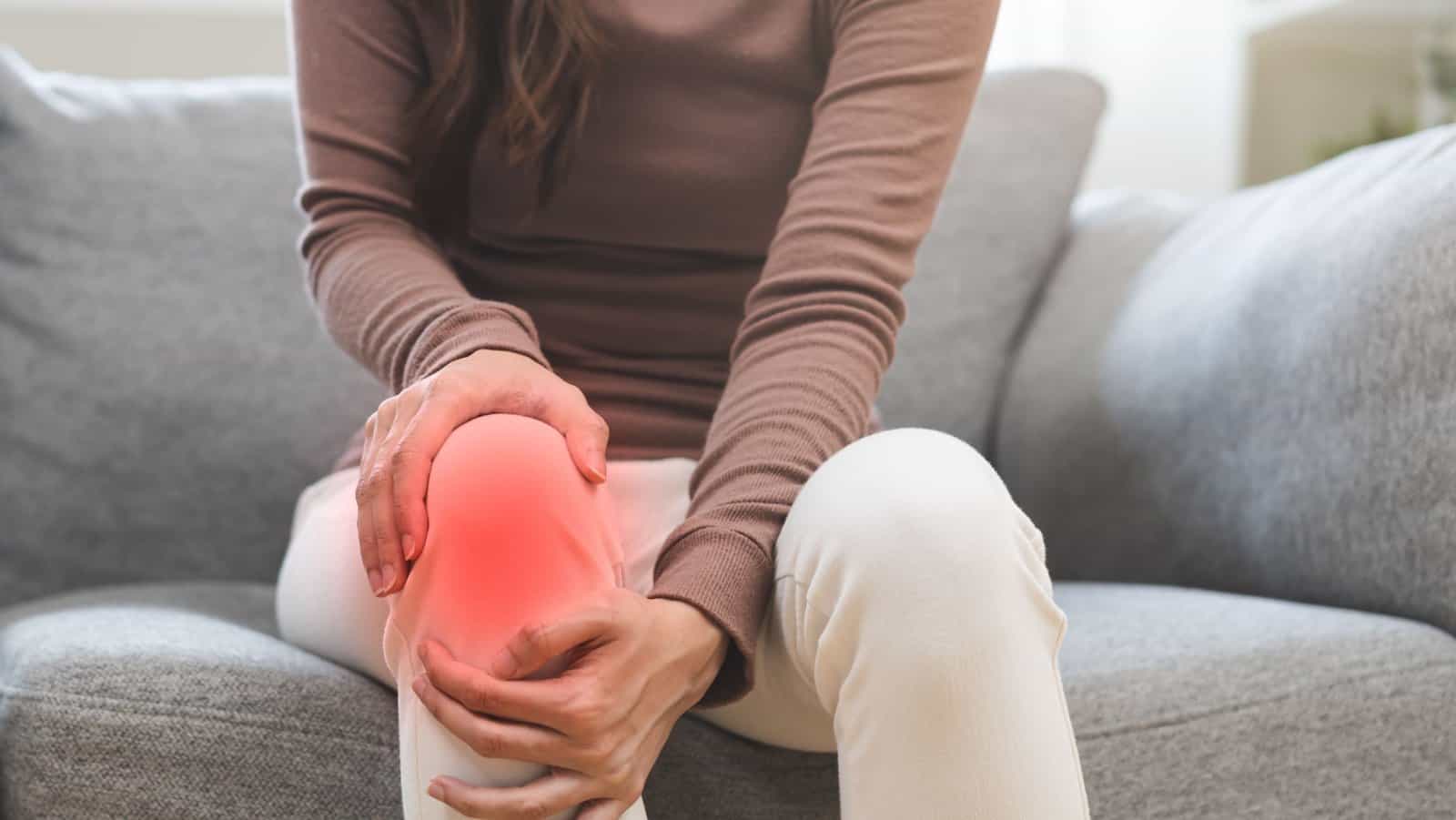
If you live with knee arthritis, fiber probably isn’t the first thing that comes to mind when you think about pain relief. But an intriguing new study suggests the health of your gut may have more to do with aching joints and muscle strength than scientists once realized.
Researchers at the University of Nottingham found that people with knee osteoarthritis who took a daily inulin fiber supplement for six weeks reported less knee pain. They also showed improved grip strength and became less sensitive to pain.
It’s a small, early study — and fiber is certainly not a replacement for arthritis treatment. But the findings raise an interesting question: Could changing the bacteria in your gut influence how your body experiences pain?
Researchers Put a Prebiotic Fiber to the Test
The study included 117 adults with knee osteoarthritis, a common form of arthritis that can cause pain, stiffness, swelling and difficulty with everyday movements such as walking or climbing stairs.
Participants were divided into four groups. Some took an inulin supplement each day. Others participated in a physical therapy program. A third group did both, while the fourth received a placebo.
After six weeks, both the inulin supplement and physical therapy were associated with reduced knee pain.
But people taking the fiber supplement showed some additional changes: better grip strength and lower sensitivity to pain.
That surprised researchers because the study was focused on arthritis of the knee — not the hands or arms.
If aching joints are already part of your life, you may also want to read “Oof. Ouch. Yikes!” Do Simple Tasks Make You Wince? Could It Be Arthritis? for a broader look at arthritis symptoms and ways to protect your joints.
So What Does Fiber Have to Do With Your Knees?
The supplement wasn’t just any fiber.
Inulin is a prebiotic fiber, meaning it feeds some of the beneficial bacteria living in the gut. It occurs naturally in foods such as chicory root, Jerusalem artichokes, onions and garlic, and it is also commonly added to fiber supplements and packaged foods.
Unlike many nutrients, inulin reaches the large intestine largely undigested. Gut bacteria then ferment it.
That process produces compounds called short-chain fatty acids. One of them, butyrate, has been studied for its role in maintaining the intestinal lining and influencing inflammation and other biological processes.
Researchers found higher butyrate levels in participants who took the inulin.
That matters because scientists are increasingly exploring connections between the gut microbiome and parts of the body that might seem completely unrelated to digestion.
Want to understand fiber a little better? This guide to increasing your fiber intake explains soluble and insoluble fiber, food sources and why simply eating more fiber isn’t always as straightforward as it sounds.
There Was Also an Interesting GLP-1 Connection
Researchers noticed another change in the people taking inulin: their levels of the hormone GLP-1 increased.
You may recognize that name because drugs such as Ozempic and Wegovy act on the GLP-1 system. But this study had nothing to do with weight-loss medications.
GLP-1 is a hormone the body naturally produces in the gut. It helps regulate blood sugar and appetite and is being investigated for other possible effects throughout the body.
In this study, higher GLP-1 levels were associated with better grip strength.
That doesn’t mean GLP-1 caused the improvement. It simply gives researchers another clue to investigate as they try to understand a possible connection between the gut, muscles and the way the nervous system processes pain.
The Fiber Supplement Was Also Easier to Stick With

Another interesting difference showed up when researchers looked at how many people completed their assigned treatment.
Only 3.6% of the people taking inulin alone dropped out of the study, compared with 21% of those assigned to physical therapy alone.
That doesn’t mean fiber works better than physical therapy. In fact, both approaches reduced knee pain.
It may simply mean swallowing or mixing a supplement into food every day is easier for some people than consistently completing an exercise program when their knees already hurt.
Exercise and physical therapy remain important tools for maintaining strength and mobility with osteoarthritis.
Don’t Start Loading Up on Inulin Just Yet
This study is interesting, but there are some significant limitations.
There were only 117 participants, and the trial lasted just six weeks. Researchers don’t yet know whether the benefits would continue over months or years or whether the same results would occur in a much larger group of people.
And inulin isn’t necessarily comfortable for everyone.
Because gut bacteria ferment it, inulin can cause gas, bloating and digestive discomfort, particularly when someone suddenly consumes a large amount.
More fiber isn’t automatically better, either. Gut health is affected by many parts of daily life, which is why these 8 habits that can undermine gut health are worth knowing about as well.
The Most Interesting Part May Be the Gut-Joint Connection
Nobody is suggesting that a spoonful of fiber is suddenly a cure for arthritis.
What makes the study interesting is something bigger: Researchers are finding more evidence that what happens inside the gut may affect parts of the body far beyond digestion.
Knee pain may involve more than simply worn cartilage. Inflammation, the nervous system, muscles, hormones and even the microorganisms living in the digestive tract may all play some role in how pain is experienced.
For people living with osteoarthritis, that could eventually open the door to additional ways of managing symptoms alongside exercise, physical therapy, medication and other established treatments.
For now, the research is early.
But the idea that something as ordinary as feeding your gut bacteria could potentially influence joint pain and muscle strength?
That’s one worth watching.