Religious Pilgrimages That Make the Camino Look Easy
Walking hundreds of miles to a sacred destination sounds like an extraordinary commitment. That’s part of why Spain’s Camino de Santiago has become so famous. Pilgrims endure sore feet, unpredictable weather, crowded accommodations, and weeks away from ordinary life, often hoping the journey will change something inside them.
But the Camino is far from the only religious journey that asks people to push themselves beyond their usual limits. Some pilgrimages involve circling a mountain at extreme altitude, visiting 88 temples across an entire island, walking through remote Himalayan valleys, or joining crowds so enormous they temporarily transform the landscape.
Not every pilgrim walks every mile, and physical difficulty isn’t a competition between religions. Many sacred journeys have accessible alternatives, while others require extraordinary preparation. What makes them fascinating is the belief that reaching a holy place—or simply making the journey—can mean more than arriving at a destination.
Here are 10 religious pilgrimages that show just how far people will go for faith.
1. Mount Kailash: The Mountain Pilgrims Circle but Don’t Climb
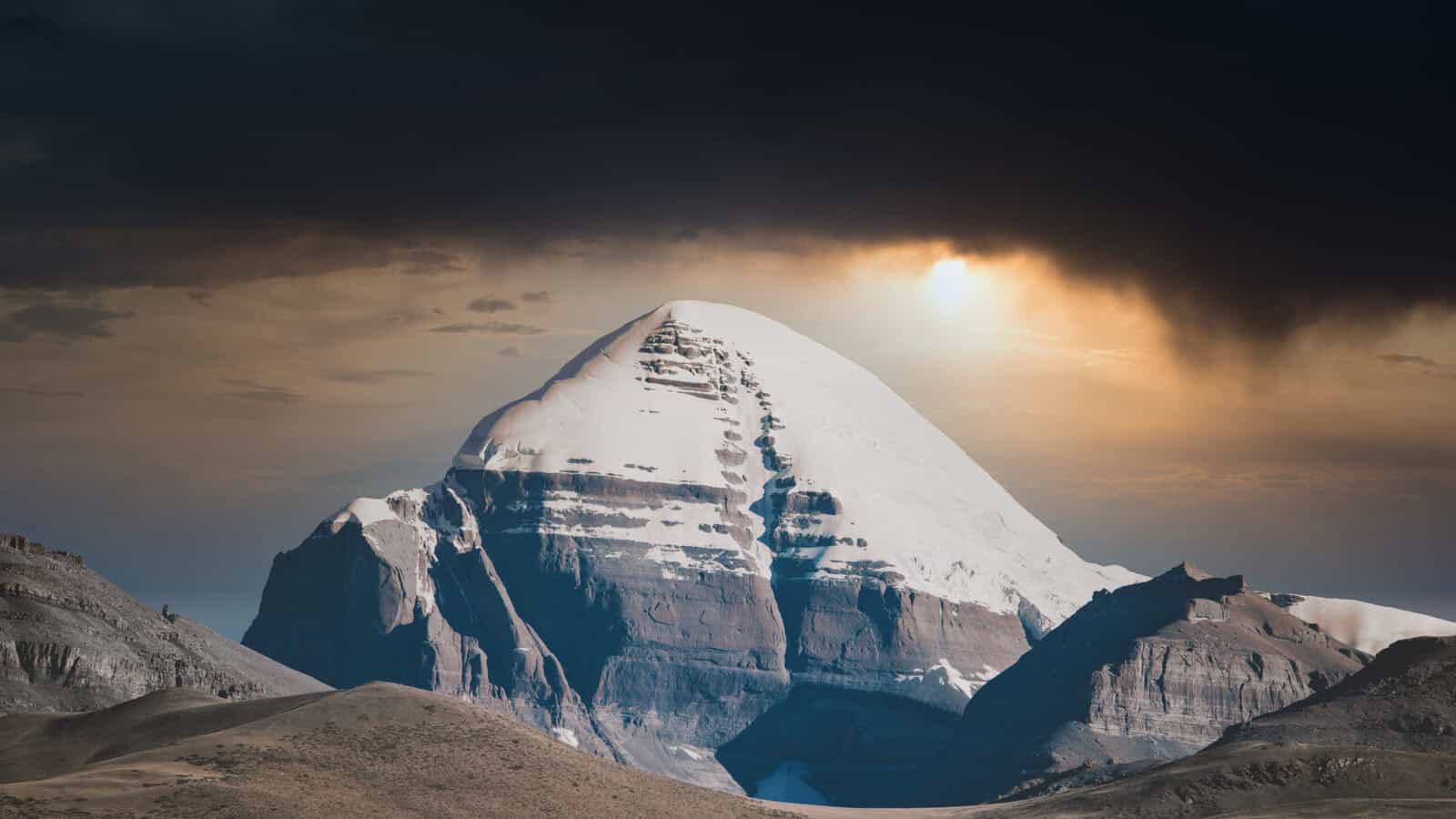
Imagine traveling to a remote region of Tibet, reaching an altitude where even ordinary walking can leave you breathless, and then setting out to circle a mountain that several religions consider sacred.
That’s the pilgrimage around Mount Kailash. Revered by Hindus, Buddhists, Jains, and followers of Bön, the mountain rises dramatically above the Tibetan Plateau. Different traditions associate it with different sacred figures and stories, including Shiva in Hinduism and important spiritual traditions in Tibetan Buddhism.
The goal isn’t to conquer the summit. It’s to honor the mountain by going around it. The traditional circumambulation, often called a kora, covers roughly 52 kilometers, or 32 miles, and crosses the Dolma La pass at an elevation of approximately 5,600 meters, or more than 18,000 feet. Some pilgrims take several days, while others undertake more demanding forms of devotion, including repeated prostrations.
At that altitude, the challenge isn’t merely distance. Thin air, cold temperatures, rough terrain, and unpredictable conditions can make a relatively short route extraordinarily difficult. For believers, however, the mountain’s sacred significance matters far more than any record of speed or endurance.
2. Japan’s Shikoku Pilgrimage Visits 88 Temples Across an Entire Island
A person who completes Japan’s Shikoku pilgrimage on foot doesn’t simply visit one famous temple. They travel around an entire island, stopping at 88 Buddhist temples associated with the revered monk Kūkai, known posthumously as Kōbō Daishi.
The journey takes pilgrims through cities, villages, forests, mountains, and coastal landscapes. According to the Japan National Tourism Organization’s guide to the Shikoku pilgrimage, the traditional circuit is approximately 1,200 kilometers long and can take about six weeks to walk, although routes and estimates vary.
Imagine walking for more than a month and having to reach 88 separate sacred destinations before considering the journey complete. Pilgrims may wear white clothing, carry staffs, recite prayers, and collect temple stamps or calligraphy as they travel. The route also has a tradition of hospitality, with local residents sometimes offering food, encouragement, or small gifts.
Not everyone completes the circuit on foot. Some use buses, cars, bicycles, or a combination of methods, and many return over several years. But the traditional walking journey remains a remarkable example of devotion expressed through repetition, persistence, and the simple act of continuing to the next temple.
3. The Hajj Brings Millions of Muslims Into One Sacred Journey
The Hajj isn’t the world’s longest pilgrimage, but its scale and religious importance make it extraordinary. Every year, Muslims from around the world travel to Mecca during a specific period of the Islamic calendar to perform rituals associated with the pilgrimage.
For Muslims who are physically and financially able, performing the Hajj once in a lifetime is a religious obligation. The rituals include circling the Kaaba, traveling between Safa and Marwa, standing at Arafat, spending time at Muzdalifah, and performing rites at Mina.
The Hajj turns an intensely personal religious obligation into an enormous shared experience. Pilgrims arrive from different countries, speak different languages, and come from vastly different economic backgrounds, yet participate in a common sequence of sacred actions.
The physical challenges can be substantial, especially when extreme heat, crowded conditions, long periods of standing, and movement between sites are involved. Modern infrastructure has made many aspects of the journey more manageable, but crowd safety and health remain serious concerns. The pilgrimage’s meaning, however, isn’t measured by hardship. Its importance comes from worship, repentance, obedience to God, and connection with the story of Abraham and his family.
You may also want to read: You’ve Seen These Religious Practices—but Do You Know What They Actually Mean?
4. The Kumbh Mela Can Bring an Astonishing Number of Pilgrims to a River
htdigital via 123RF
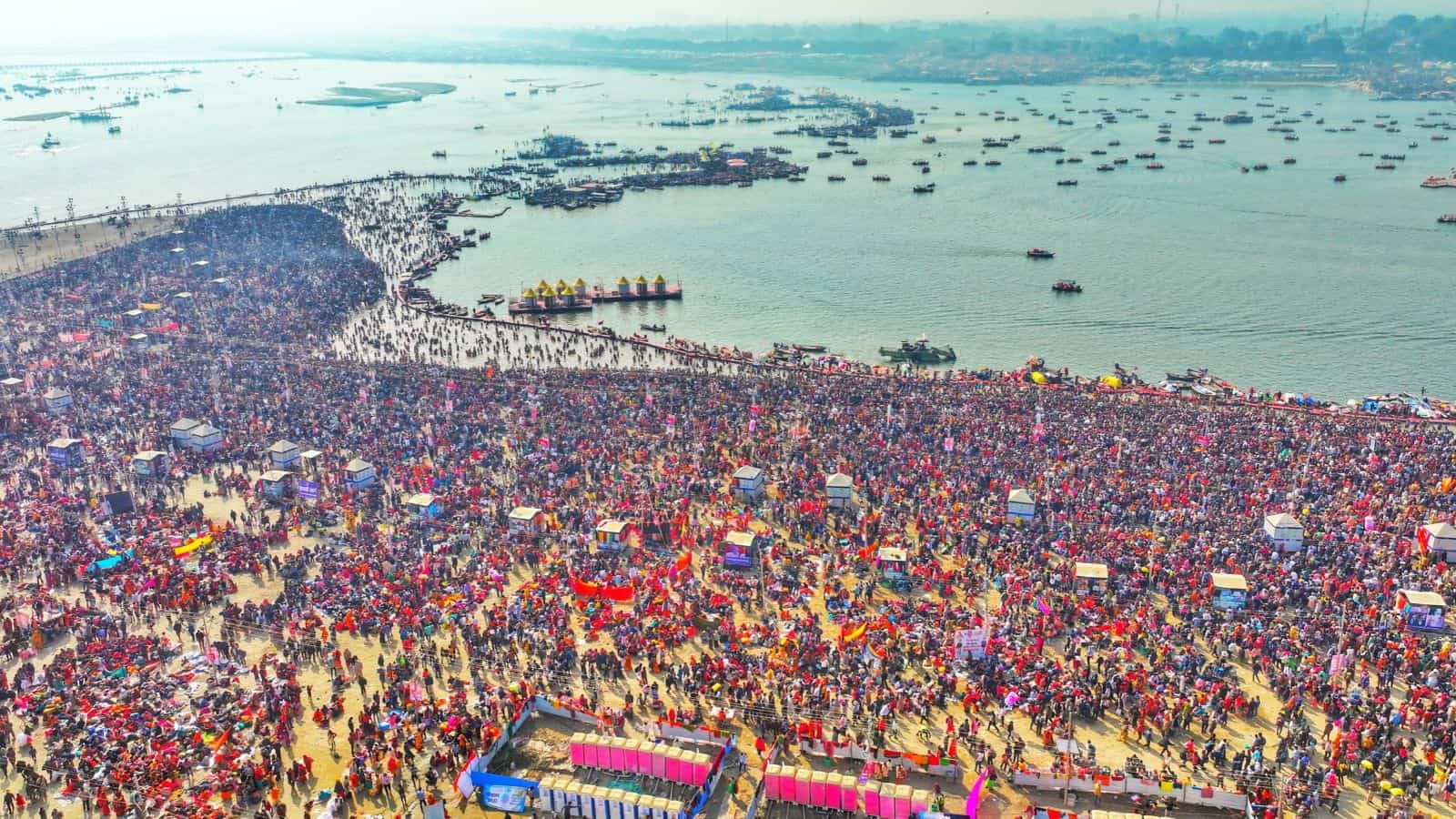
Some pilgrimages are difficult because the route is remote. The Kumbh Mela presents a different kind of challenge: the sheer scale of the gathering.
This major Hindu pilgrimage festival rotates among four sacred locations in India—Prayagraj, Haridwar, Ujjain, and Nashik—according to traditional calendrical cycles. Pilgrims come to bathe in sacred rivers, participate in religious observances, encounter holy teachers, and seek spiritual purification.
The UNESCO description of Kumbh Mela recognizes it as an immense gathering of pilgrims and highlights its religious, cultural, and social significance. Temporary facilities, roads, sanitation systems, security arrangements, and accommodations must support a population that can reach extraordinary proportions during major events.
The remarkable part isn’t just that so many people gather. It’s that an entire temporary city can emerge around the belief that entering a river at a sacred time matters spiritually. For many participants, bathing is an act of devotion connected with purification and liberation, not simply a ceremonial swim.
The Kumbh Mela also shows why pilgrimage can’t always be measured in miles walked. Sometimes the journey’s most demanding feature is sharing a sacred space with an almost unimaginable number of other people.
5. The Amarnath Pilgrimage Leads to an Ice Formation Associated With Shiva
High in the Himalayas of Kashmir lies a cave associated with Shiva and a naturally occurring ice formation revered as a sacred representation of the deity.
Reaching the Amarnath cave requires pilgrims to travel through demanding mountain terrain. Traditional routes involve steep ascents, high elevations, cold conditions, and rapidly changing weather. The journey is usually undertaken during a limited seasonal period when access is possible.
For many pilgrims, the destination is a cave where ice itself becomes an object of religious devotion. The natural formation changes with environmental conditions, adding an unusual physical dimension to the pilgrimage.
Modern arrangements can include organized routes and transportation assistance, but the high-altitude environment remains potentially dangerous. Weather disruptions, altitude sickness, and difficult terrain are real concerns, especially for those unaccustomed to mountain travel.
The pilgrimage illustrates a recurring feature of sacred geography: a place doesn’t need an elaborate human-made monument to become holy. Sometimes a cave, a mountain, or a natural formation is enough to draw generations of worshippers.
6. The Kedarnath Pilgrimage Takes Worshippers Into the Himalayas
Kedarnath, one of Hinduism’s important Shiva temples, sits in the Indian Himalayas at an elevation of roughly 3,500 meters, or more than 11,000 feet.
The temple is part of the Char Dham pilgrimage circuit in Uttarakhand and is especially associated with Shiva worship. Its remote setting means that reaching it involves more than stepping off a tour bus and entering a sanctuary. Pilgrims generally travel through mountain roads before completing a substantial final approach, traditionally on foot, though other transport options may be available.
At Kedarnath, the mountain landscape isn’t a backdrop to the religious experience. It’s part of what makes the journey unforgettable. Snow-covered peaks surround the stone temple, and the pilgrimage season is limited by harsh weather conditions.
The area also carries a painful reminder of the risks of Himalayan travel. Severe flooding and landslides devastated parts of the region in 2013, causing enormous loss of life and damage. Pilgrimage infrastructure and safety measures have changed since then, but the landscape remains powerful and unpredictable.
For many devotees, the difficulty of reaching Kedarnath is inseparable from the sense of having entered a place set apart from ordinary life.
7. The Kumano Kodo Leads Through Japan’s Sacred Forests
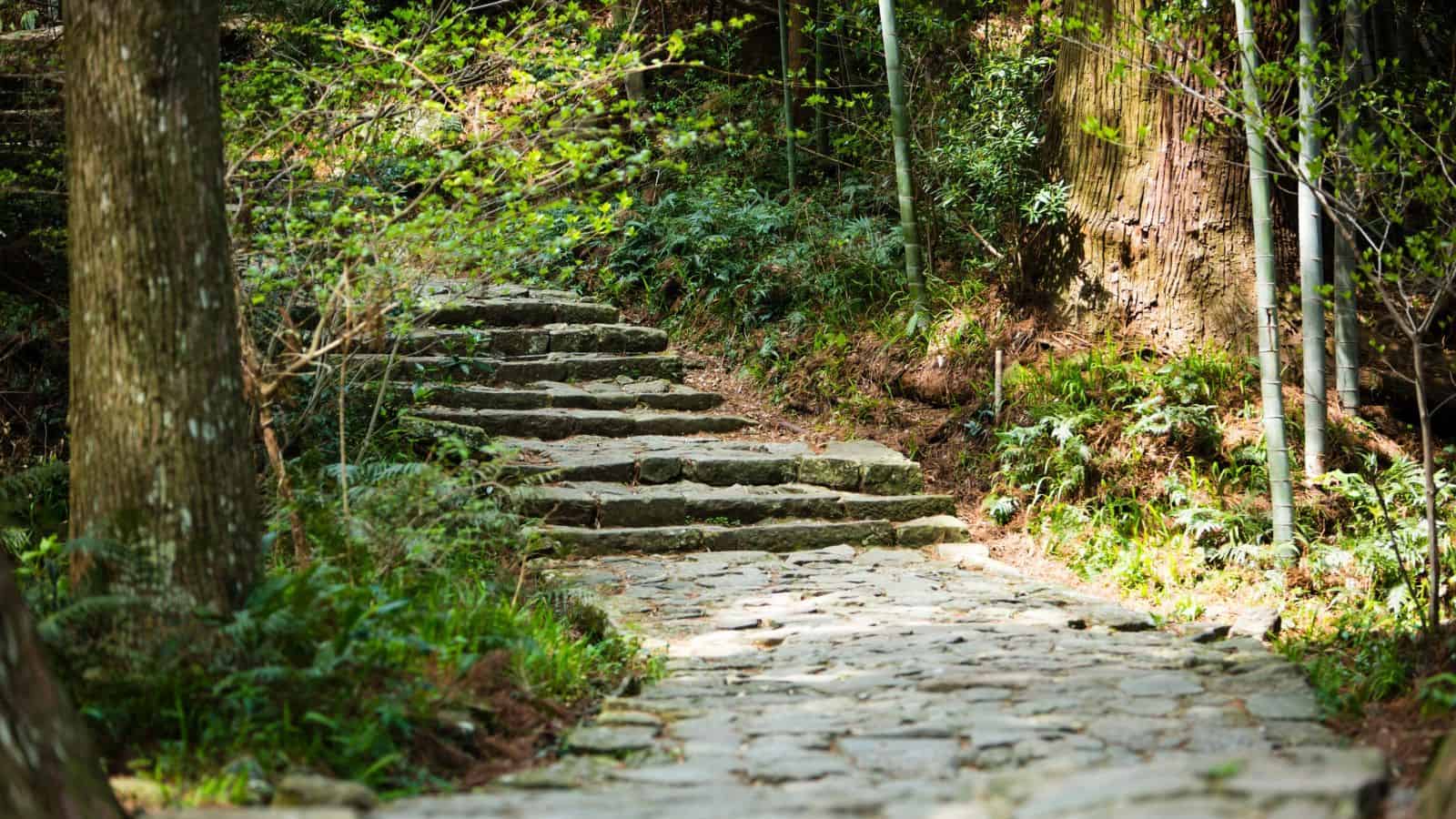
Not every demanding pilgrimage is defined by high altitude or enormous crowds. Japan’s Kumano Kodo offers a different experience: walking ancient routes through forests, mountains, and villages toward sacred sites on the Kii Peninsula.
These routes have long been associated with Kumano’s sacred landscape, where Shinto and Buddhist traditions developed overlapping forms of worship. Emperors, aristocrats, religious practitioners, and ordinary pilgrims traveled through the region over many centuries.
Some modern routes can be completed in a few days, while longer itineraries demand considerably more time and stamina. Stone paths, steep climbs, wet conditions, and uneven terrain can make sections surprisingly challenging.
The Kumano Kodo isn’t simply a walk to a shrine. It’s a journey through a landscape where the forest itself can feel inseparable from the sacred. Pilgrims encounter waterfalls, shrines, temples, and routes shaped by centuries of religious travel.
The contrast with the Camino is especially interesting. Both are historic pilgrimage networks, but their religious backgrounds and landscapes are different. One grew within Christian Europe, while the other reflects Japan’s distinctive history of Buddhist and Shinto religious interaction.
8. The Palitana Pilgrimage Can Mean Climbing Thousands of Steps
In Gujarat, India, the Shatrunjaya hills near Palitana contain an extraordinary complex of Jain temples. Reaching the summit traditionally requires climbing thousands of stone steps.
The hill is sacred in Jainism, particularly within the Śvetāmbara tradition, and is associated with the first Tirthankara, Rishabhanatha, also known as Adinatha. Pilgrims ascend to worship and contemplate spiritual liberation.
The remarkable thing about Palitana is that the climb itself can become part of the discipline. Rather than arriving at a temple through ordinary transportation, pilgrims undertake a demanding ascent that places physical effort alongside religious devotion.
The site also reflects Jainism’s strong emphasis on nonviolence, restraint, and spiritual purification. Temple practices and rules are shaped by religious principles that may be unfamiliar to outsiders.
When pilgrims finally reach the temple complex, they’re rewarded not merely with a spectacular view but with a sacred landscape filled with intricately carved religious architecture. The physical climb and the spiritual destination reinforce one another.
9. The Nanda Devi Raj Jat Can Take Pilgrims Deep Into Remote Himalayan Country
One of India’s less internationally familiar pilgrimages is the Nanda Devi Raj Jat, a traditional religious journey in Uttarakhand associated with the goddess Nanda Devi.
Unlike an annual pilgrimage with a predictable tourist season, the major Raj Jat is traditionally held at long intervals, often described as approximately every twelve years, although actual timing has varied. The journey can extend through remote mountain villages, forests, meadows, and high-altitude terrain.
The pilgrimage is associated with local traditions surrounding the goddess and her journey toward her divine husband’s home. Rituals, community participation, and the movement of sacred objects or symbols help turn the route into a shared religious event.
This is a pilgrimage where local stories, mountain geography, and community identity become almost impossible to separate. The religious significance isn’t confined to one shrine at the end. It extends across the villages, landscapes, and traditions encountered along the way.
Its remoteness also reminds us that some of the world’s most demanding pilgrimages remain relatively unknown outside the communities that sustain them.
10. The Camino Isn’t the Only Pilgrimage Where the Journey Changes the Traveler
The Camino de Santiago remains extraordinary in its own right. Its most famous route, the Camino Francés, runs roughly 780 kilometers from Saint-Jean-Pied-de-Port in France to Santiago de Compostela in Spain. For many walkers, that means several weeks of effort, blisters, exhaustion, conversations with strangers, and long periods alone with their thoughts.
But place it beside the Shikoku circuit, Mount Kailash, the Himalayan pilgrimage routes, or the vast gatherings of the Hajj and Kumbh Mela, and a larger pattern emerges. People from very different religions repeatedly choose to make faith something they experience with their bodies.
They walk, climb, circle, bathe, wait, fast, pray, and endure discomfort. Sometimes the destination is believed to be holy because of a divine presence, a sacred event, a revered teacher, or a natural feature. Sometimes the journey matters because it requires leaving familiar life behind.
Not every pilgrim returns transformed, and not every journey is physically extreme. But pilgrimage gives religious commitment a tangible shape. Instead of simply believing something, a person travels toward it.
Why People Keep Traveling So Far for Something They Can’t See
It’s tempting to explain pilgrimage as religious tourism with extra rituals. That misses much of what draws people to these journeys.
A sacred destination may represent a connection with God, liberation, purification, repentance, gratitude, or a revered figure from religious history. The journey can also create something difficult to find in ordinary life: time away from familiar distractions, a shared purpose with strangers, and the feeling that effort itself matters.
The most surprising thing about pilgrimage isn’t how far people are willing to walk. It’s how often the distance becomes part of the meaning.
Some pilgrims circle a mountain they believe should never be climbed. Others visit 88 temples, climb thousands of steps, or enter rivers surrounded by vast crowds. The routes look nothing alike, and the beliefs behind them can be profoundly different.
But they share one extraordinary idea: sometimes the most important part of reaching a sacred place is what happens to you on the way.
You may also want to read: Sacred Places Where More Than One Religion Claims the Same Ground