Americans Quiet Quit A Whole Lifestyle: 10 Things We Just… Stopped Doing After the Pandemic
Somewhere between learning to bake sourdough and forgetting how to make small talk, Americans quietly “unsubscribed” from a whole list of pre-2020 habits. The world reopened, but a lot of our old routines… didn’t. From midnight Target runs to marathon office days, here are the everyday things we collectively ghosted after the pandemic—and honestly, we’re not sure we miss them.
1. The 24/7 Target Run That Started at Midnight

Remember when “I’ll just pop to the store real quick” somehow meant driving to a fluorescent-lit big-box store at 11:45 p.m.? Now many of those places close early, and so do our social batteries. Midnight is no longer for browsing candles and 47 kinds of cereal; it’s for pretending to sleep while doomscrolling. The late-night errand has been replaced by lying in bed, adding things to a cart you may never actually check out.
2. Hanging Out Just to Hang Out
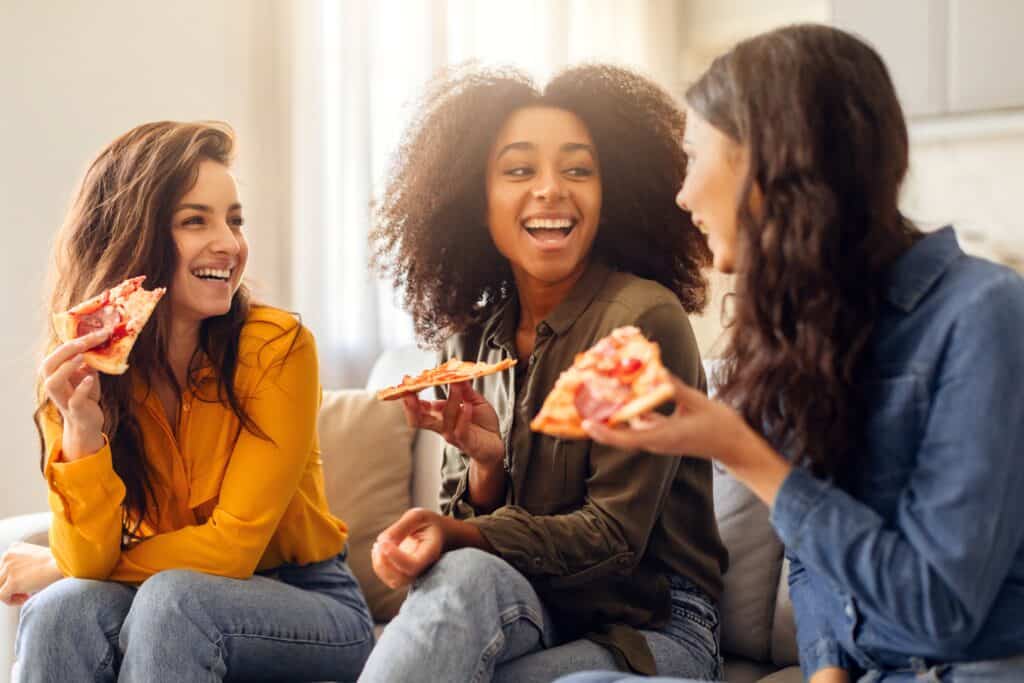
Pre-2020, people used to “swing by” or “pop over” like we were all in a sitcom with no awareness of germs or gas prices. Now, casual hangouts require a group chat, a scheduling poll, and three reschedules. If someone actually knocks on the door unannounced, half the country instinctively hits the floor like there’s a raid. Spontaneity didn’t die, it just moved to “maybe we can do something next month if things calm down.”
3. Worshipping at the Office Cubicle
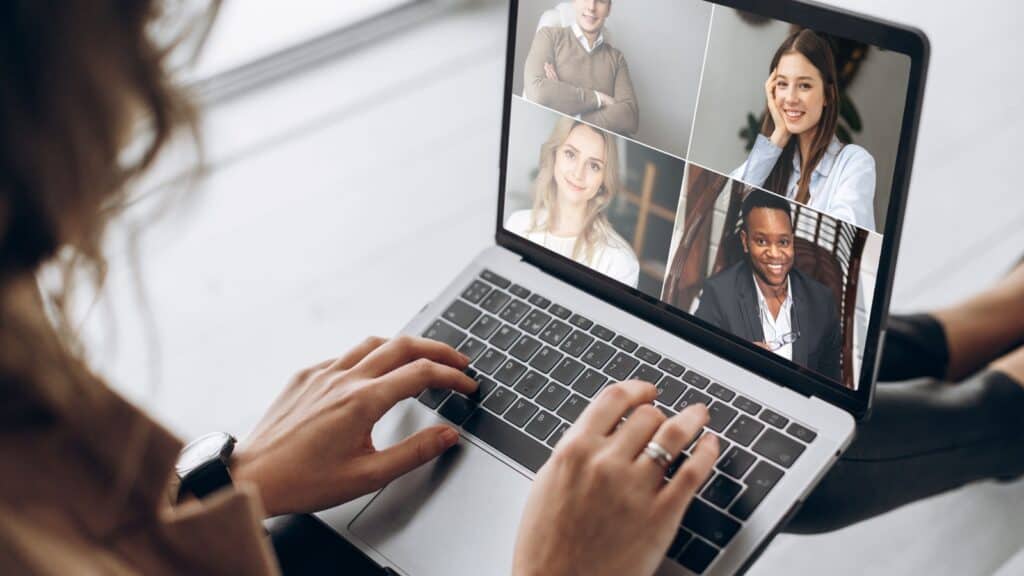
Once upon a time, commuting five days a week was just “what adults do,” not a lifestyle choice we would later question like a bad tattoo. Many Americans quietly traded rush-hour traffic for rolling out of bed and logging into a meeting with camera “unexpectedly” off. The office went from “second home” to “that place you visit twice a week so HR doesn’t worry.” Dress codes now range from business casual on top to “please don’t stand up” below the waist.
4. Shopping Like There’s No Budget
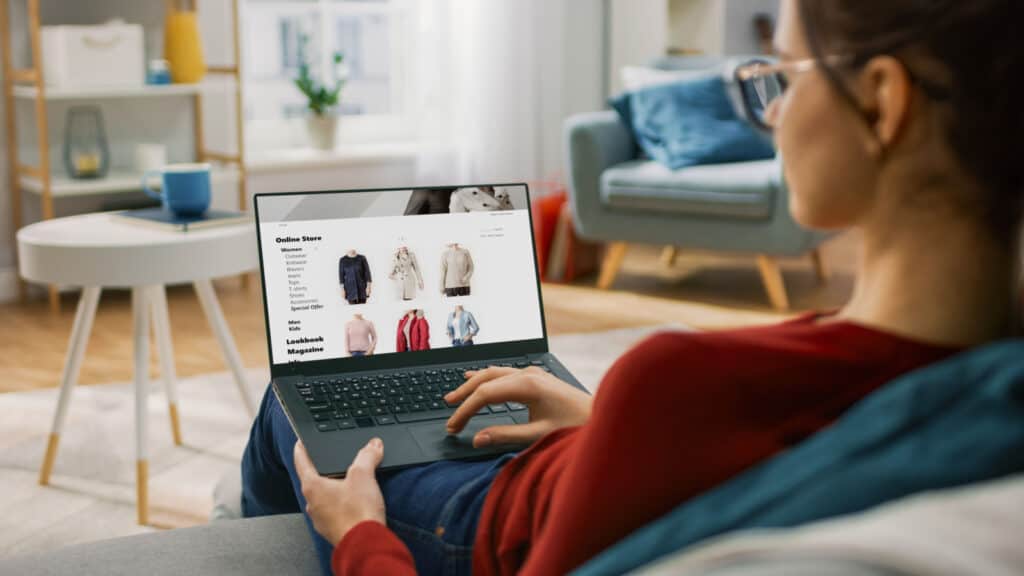
There was an era when people wandered malls for fun and bought things simply because they were on sale and vaguely cute. Now, every purchase goes through a mental committee that sounds like a finance podcast and a therapist arguing. “Do I need this?” has evolved into “Would this survive a recession, a layoff, and my anxiety about climate change?” Impulse shopping didn’t disappear, but it now shows up more as abandoned carts and screenshots sent to friends with “Talk me out of this.”
5. Long, Lazy Restaurant Nights

Dinner used to mean sitting for hours with big groups, oversized menus, and waitstaff who checked in every five minutes. Now, restaurants are leaner, service is faster, and many of us are calculating how long we’ll be around other people like it’s a word problem. Lingering over dessert has been replaced by “We should let them turn this table” and “I’m tired, can we just box this up?” Fine dining got swapped for fine, dining, but we’re home by 9.
Read: 12 Reasons Dining Out Just Doesn’t Feel Worth It Anymore
6. Dressing Up for Literally Everything

Before masks and webcams, some people did full-face makeup and ironed pants just to run errands or sit in an office all day. Then the world discovered the unholy power of sweatpants, messy buns, and strategic Zoom framing. Now, anything beyond “clean-ish and visible from the shoulders up” feels like black-tie. Getting fully dressed is no longer a daily routine; it’s an event that requires notice, hydration, and a recovery period.
7. Sharing Drinks, Forks, and… Air

There was a time when people would say, “Here, try mine,” and hand over a fork without anyone flinching. That sentence now triggers a brief internal slideshow of every virus known to humanity. Double-dipping and drink-sharing went from “fun and friendly” to “absolutely not, Jessica.” Personal space became less of a suggestion and more of a legally binding emotional boundary.
8. Using Cash Like It’s 1995
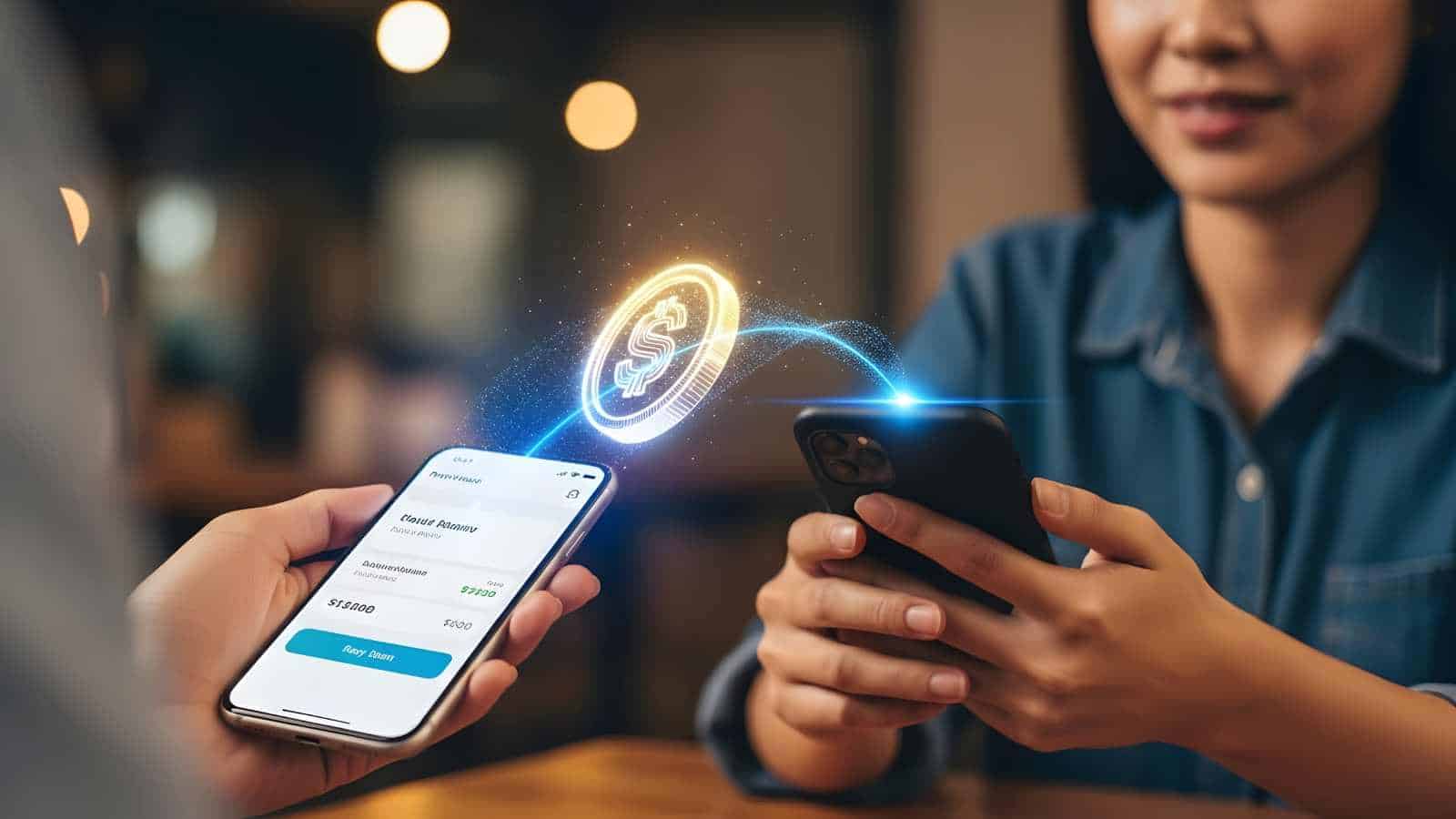
Cash once lived in wallets; now it lives mostly in birthday cards from older relatives and the occasional forgotten kitchen drawer. Paying with your phone has become so normal that being forced to use cash feels oddly historical, like reenacting a scene from your own childhood. People now stare at “cash only” signs like they’ve been asked to churn butter or write a check. The phrase “I don’t carry cash” stopped being an excuse and became an entire lifestyle.
Read: Cash, Cards, or Crypto? What Counts as “Real Money” in 2026
9. Treating Movie Theaters as the Default Night Out
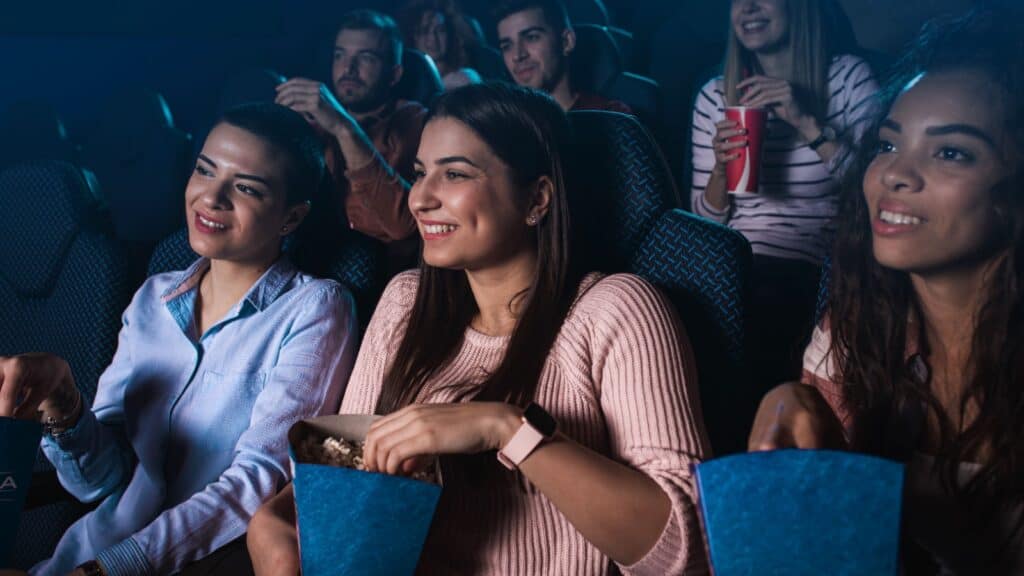
The weekend used to mean grabbing tickets, overpriced popcorn, and sitting in a theater with strangers who definitely did not silence their phones. Now, new releases show up on streaming so fast that leaving the couch feels oddly optional. Movie night has shifted from “Let’s go out” to “Let’s see which subscription we forgot to cancel and watch it there.” The theater is no longer the automatic choice; it’s more like a special occasion with surround sound and $7 water.
10. Power-Extroverting All the Time

Pre-pandemic, saying “no” to plans required inventing increasingly elaborate excuses involving distant cousins and imaginary early mornings. After lockdowns, many people discovered there’s joy in just… not going. “I’m staying in” went from suspicious to socially acceptable, practically a wellness practice. The calendar that used to be crammed with events now has blank spaces, and those blank spaces are quietly cherished like vacation days.
Big Takeaway: We Didn’t Just Pause Life, We Edited It
What changed for many Americans wasn’t just a few habits; it was the default settings on everything from socializing to spending to how much energy a weekday deserves. The pandemic turned a lot of unconscious routines into conscious choices, and a surprising number of those choices stuck. We may not have loved what caused the reset, but a lot of people are not in a hurry to go back to the “before times” version of busy, broke, and burned out.
YOU MAY WANT TO READ:
- 13 bad money habits you likely picked up during the pandemic
- Why tipping is everywhere and the norm of post-pandemic in service industry
Disclosure: This article was developed with the assistance of AI and was subsequently reviewed, revised, and approved by our editorial team.
Like our content? Be sure to follow us on MSN and Newsbreak