Cash, Crypto, or Card? How Americans Are Rethinking Money in 2026
You’re at the checkout counter, and there’s a split second of decision-making: do you pull out cash, swipe your credit card, or just tap your phone and keep moving?
In 2026, paying for things feels less like a routine and more like a choose-your-own-adventure. Cash was supposed to fade away, yet here it is, still hanging on. Meanwhile, cryptocurrency is sneaking into the mainstream, with 21% of Americans now owning digital coins, according to Binance Square. And, of course, credit cards remain the undisputed heavyweight champion of everyday spending.
Money has entered a strange little multiverse where cash, crypto, cards, and mobile wallets all compete for your attention. And here’s the twist: paying isn’t just a transaction anymore; it’s an experience. Spoiler alert: There’s no one-size-fits-all answer, and how people are rethinking money might just surprise you.
Cash
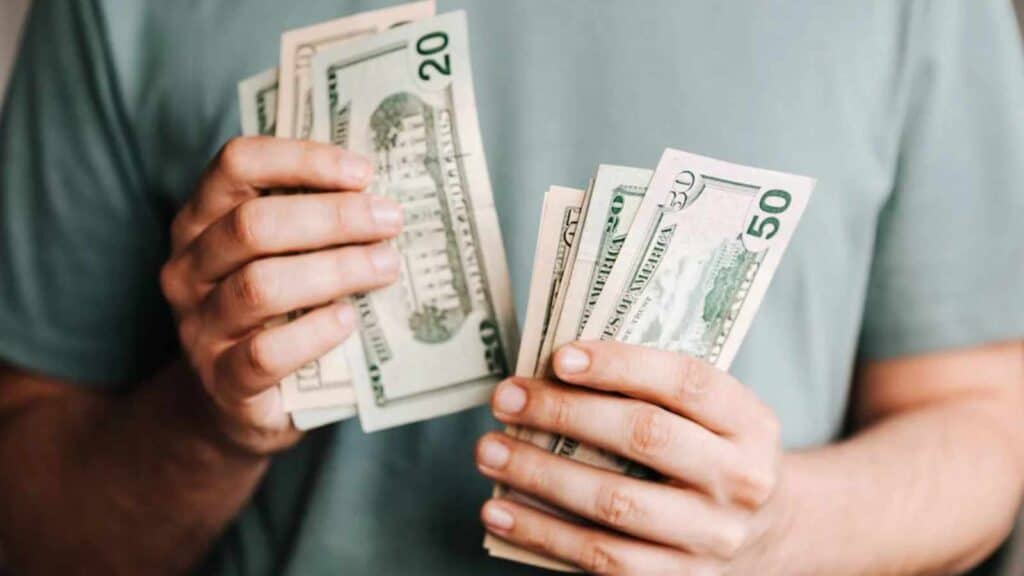
Let’s talk about cash for a second. If you thought it was on its way out, think again. According to the Federal Reserve, cash still accounts for 14% of all consumer payments, and 90% of U.S. consumers report no plans to stop using cash. Not bad for something that was supposed to be dead, right? Sure, it’s not the go-to option for every purchase, but cash is still a go-to for many reasons.
Cash isn’t just about nostalgia; it offers practical advantages that digital methods can’t match. For one, it’s private. When you pay with cash, you can avoid all those prying eyes and data tracking that come with digital payments. Fintech Global notes that 92% Americans say cash protects personal privacy better than cards or digital transactions.
Plus, cash is reliable. When everything else is down, guess what? Cash is still going strong, and if you’re someone who likes to stash a little money away for emergencies. People still carry cash for security and “just in case” moments. Sure, it’s not the flashy new tech, but there’s something reassuring about having cash in your pocket.
Credit Cards
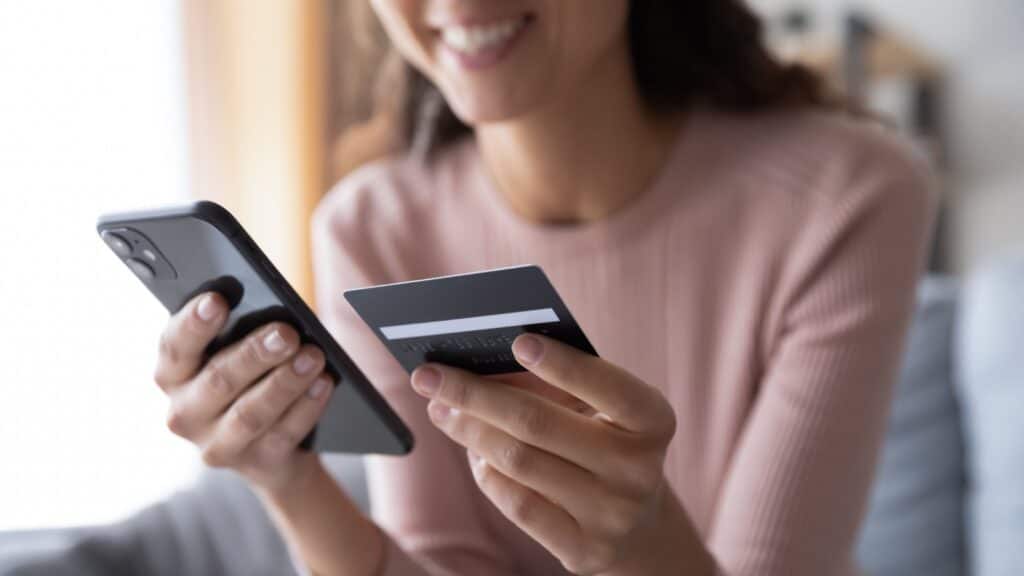
Credit cards are the staple of American spending habits. Even in 2026, credit cards remain the dominant payment method, accounting for 35% of all payments, according to the Federal Reserve Bank of Richmond. These cards are more than just a piece of plastic; they’re packed with perks, making them hard to beat. If you’ve ever earned cashback or travel points, you know the drill: credit cards reward loyalty, and that’s a big reason they’re still on top.
But it’s not just about rewards. Credit cards are convenient. You can use them practically anywhere, from your morning coffee run to buying concert tickets online. And let’s not forget about the security they offer. If you lose your cash, it’s gone forever. But with a credit card, most banks have fraud protection in place, and you can dispute charges if something goes wrong.
Oh, and let’s not forget the rise of contactless payments; you’re now just tapping your card at the register for a super-fast, seamless transaction. In fact, more and more people are choosing cards for small purchases, a territory once ruled by cash.
Mobile Payments & Digital Wallets
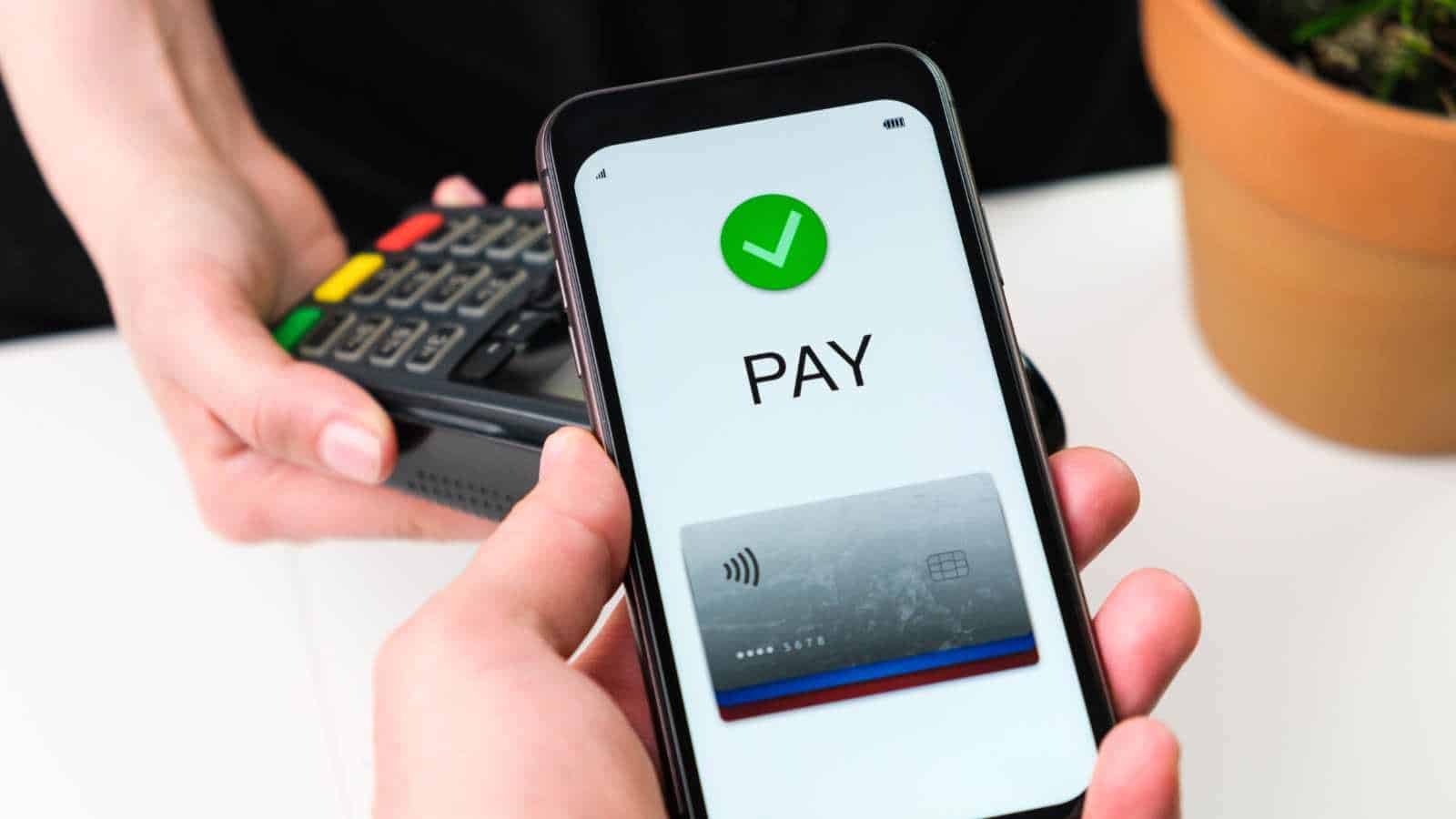
The future of payments? It’s mobile, and it’s already here. Mobile wallets like Apple Pay and Google Pay have surged in popularity, and I’m not just talking about tech geeks.
These days, more than half of U.S. consumers prefer using mobile wallets for their in-store purchases, as noted by the Global Business Outlook. Why? Because it’s quick, easy, and secure. Instead of fumbling through your wallet or bag, you can tap your phone and be on your way.
Plus, mobile wallets aren’t just for payments. You can store all your loyalty cards, tickets, and even cryptocurrencies in there. It’s like having a digital wallet that holds everything. The best part? You don’t even need to worry about security. With features like biometric authentication (fingerprint or face scan), your phone has become your ultimate payment tool, making it harder to beat in both convenience and safety.
Buy Now, Pay Later Dominance
Let’s talk BNPL, because it’s kind of a game-changer. Buy Now, Pay Later has taken off in a big way, especially among younger shoppers. In fact, according to Yahoo Finance, the market is expected to grow by 12.2% annually to reach $122.26 billion in 2025, and continue to grow thereafter. Here’s the deal: BNPL lets you buy now and spread payments over time, which is pretty ideal for those of us who want the convenience of not paying everything up front.
It’s not just for clothing and gadgets either; holiday spending has become a big driver of BNPL adoption. The best part is that you can snag all your holiday gifts without paying for them all at once, and instead of waiting months to pay off a credit card, you can split the costs into smaller chunks. And it isn’t just about younger people avoiding credit cards; it’s becoming a mainstream financial tool that lets people manage cash flow without resorting to traditional loans.
Cryptocurrency and Stablecoins
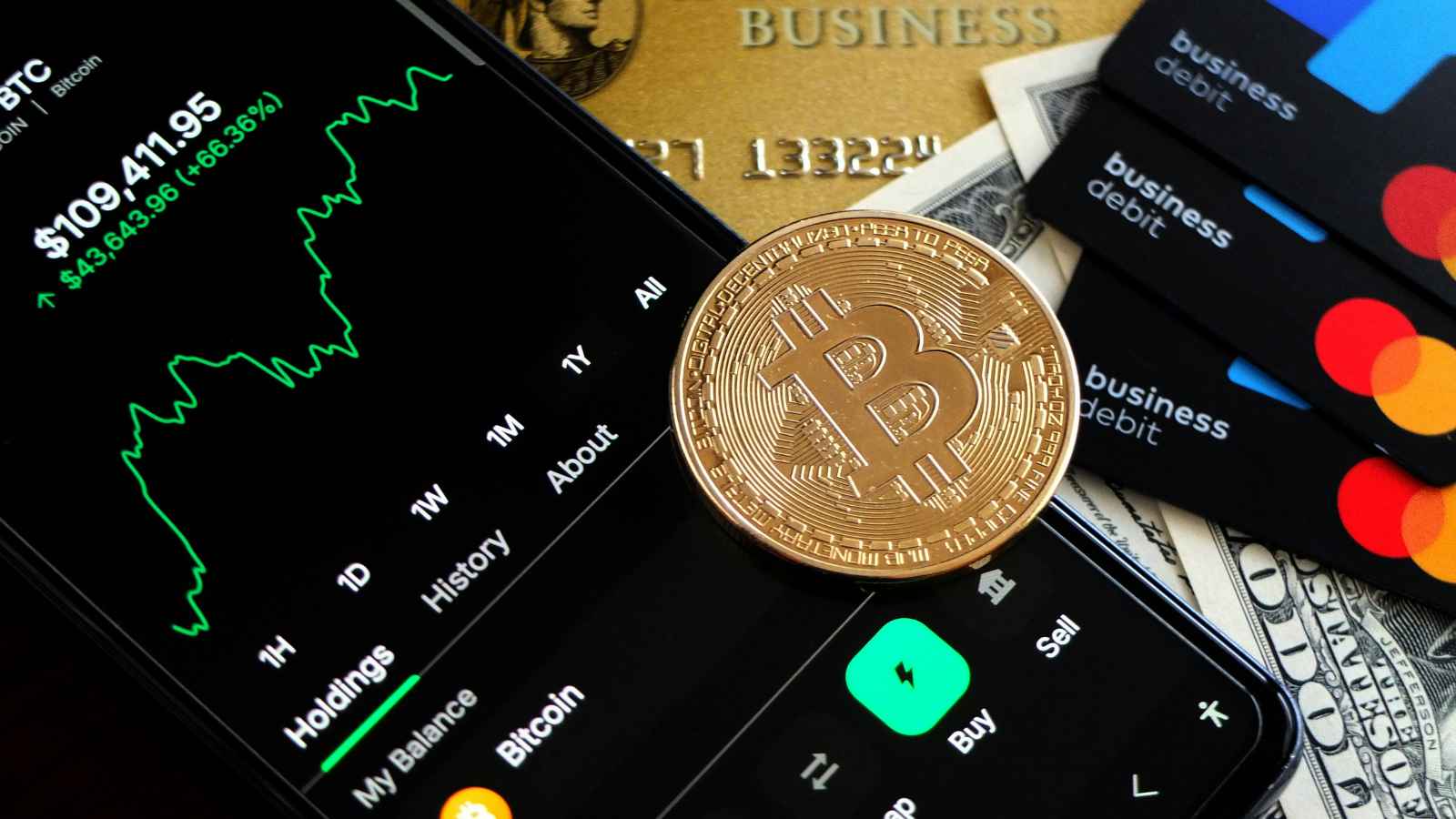
In 2026, cryptocurrency is no longer just a speculative asset; it’s a viable way to pay for goods and services. About 21% of Americans now own some form of cryptocurrency, according to Binance Square, a huge shift from a few years ago. The biggest challenge has always been volatility, but with stablecoins, cryptos designed to hold a stable value, it’s becoming much easier to use digital assets for everyday payments.
Merchants are also catching on; many are planning to accept crypto by 2026. It’s not just about investing in Bitcoin anymore; it’s about using crypto for actual transactions. Plus, stablecoins are quickly becoming the bridge between crypto and fiat, offering a more stable alternative for those who want to move away from traditional banking systems but aren’t ready to gamble with volatile assets.
Peer-to-Peer Payments
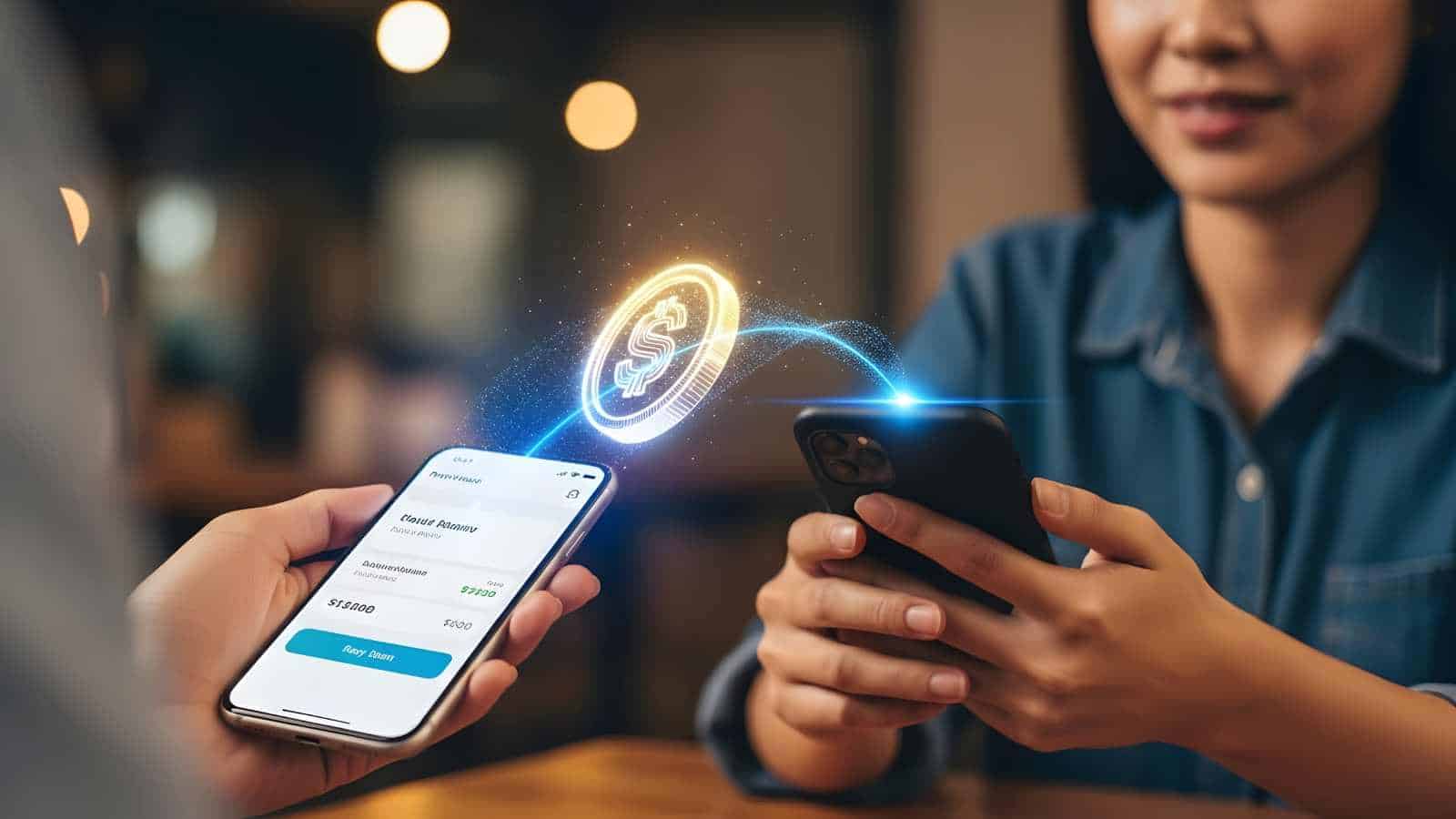
When it comes to Peer-to-Peer payments (P2P), Zelle is leading the charge. According to EMarketer, Zelle processed over $1 trillion in transactions, and that’s just scratching the surface. What makes Zelle so popular? It’s fast, free, and lets you send money directly from your bank account to someone else’s. No waiting, no extra fees. It’s perfect for splitting a dinner bill or sending money to a friend.
Small businesses are increasingly adopting P2P payments to save on credit card processing fees, and younger people are using them more and more. If you’re still relying on cash or checks to pay someone, well… you might want to catch up. Zelle is helping to reshape how people send money, and it’s growing every year.
Key Takeaways
In 2026, the way we pay for things is more diverse than ever. Cash is still relevant, particularly for its privacy, reliability, and ease in emergencies. Credit cards continue to reign supreme for their convenience, rewards, and security, making them the go-to choice for many. Mobile payments and digital wallets are the future, offering quick, secure, and integrated ways to handle payments on the go.
BNPL services are growing rapidly, providing consumers with a flexible way to manage their finances. And let’s not forget cryptocurrency, which has moved from speculation to a practical tool for daily transactions, especially with the rise of stablecoins.
Ultimately, the key takeaway here is that the future of money isn’t about one payment method dominating; it’s about choice and convenience. In 2026, you’ve got the freedom to choose the best payment method for every situation, if that’s using cash for privacy, a card for rewards, a mobile wallet for speed, or crypto for future-forward payments. It’s an exciting time for the world of money
Disclosure line: This article was written with the assistance of AI and was subsequently reviewed, revised, and approved by our editorial team.
Morning Rituals Women Swear By for More Energy and Confidence

7 Morning Rituals Women Swear By for More Energy and Confidence
Morning rituals don’t have to be complicated. A glass of water, a quick stretch, five minutes with your journal — these small things stack up to create significant change. Women who build these habits aren’t just “morning people”; they’re people who decided to take charge of their first hour of the day.
Superfoods That Boost Energy and Mood

The Surprising Superfoods That Boost Energy and Mood
We all have those days when our energy feels low and our mood takes a dip. Instead of reaching for another cup of sugary coffee or an energy drink, the answer might be sitting right on your plate.
Some people are turning to wellness-focused blends that offer a smoother, longer-lasting boost.