Grandparents Day began with a surprising movement
Before there were greeting cards and brunch specials, there was a quiet but determined movement to recognize the vital role of grandparents.
Behind today’s National Grandparents Day lies a surprising history of little-known origin stories, passionate grassroots campaigns, and decades-long efforts by educators, activists, and everyday Americans. This is the story of how a heartfelt cause transformed into an official national holiday—one that now celebrates the wisdom, love, and legacy of grandmas and grandpas across the country.
1. A Spark at the White House Conference on Aging (1961)
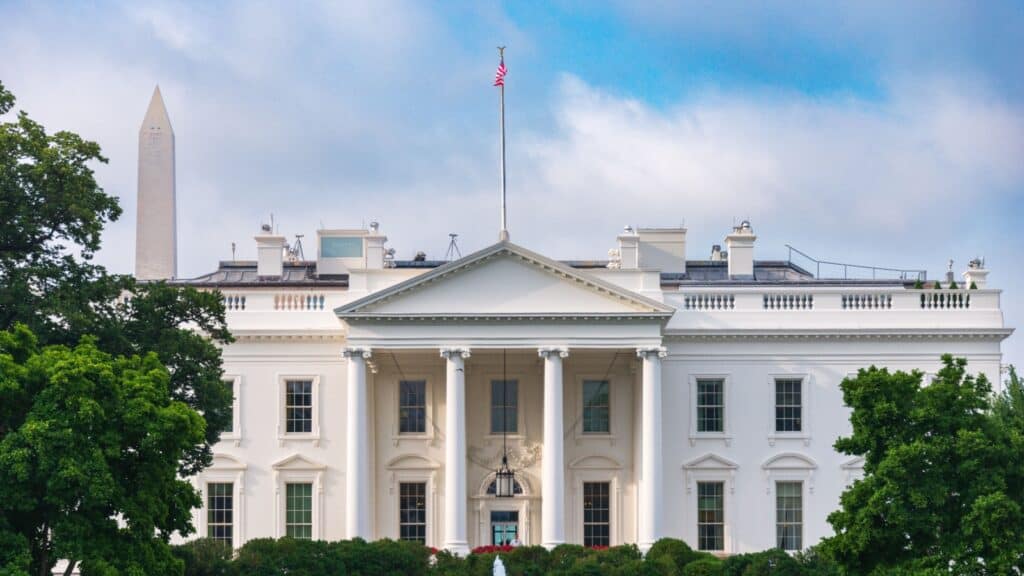
In 1961, Jacob Reingold of the Hebrew Home at Riverdale was inspired by a speech about “the new image of the aged” during the White House Conference on Aging. He organized the first honor‑a‑grandparents event at the Hebrew Home that year, leading up to a borough‑wide observance in the Bronx by 1963.
2. Grassroots Champion from West Virginia
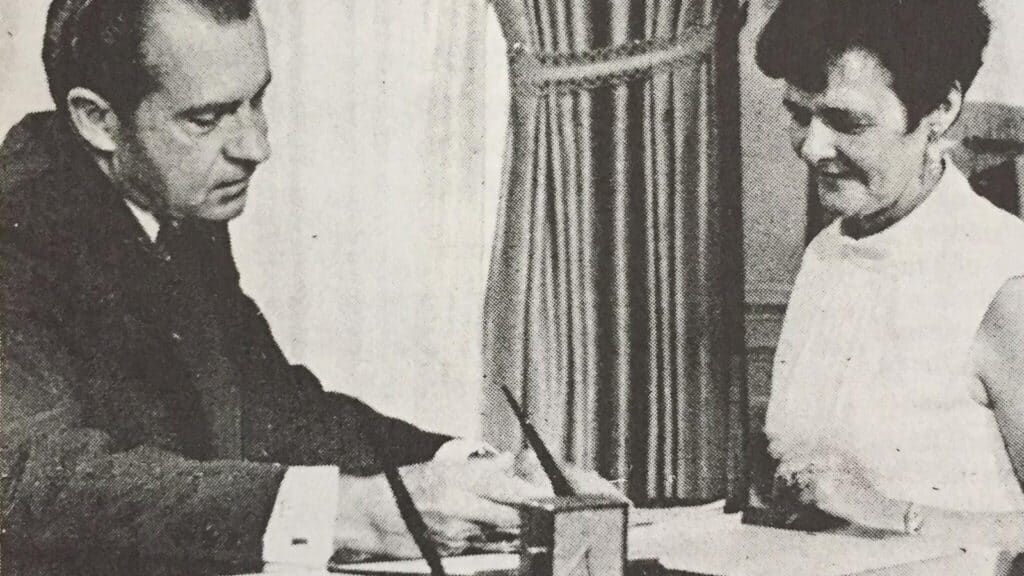
Around the same time, Marian McQuade, a homemaker and elder‑rights advocate from West Virginia, launched her own campaign. In 1970, she began encouraging civic, religious, and political leaders to support a day honoring grandparents.
3. The First Statewide Celebration: West Virginia, 1973

Thanks to McQuade’s persistent lobbying, West Virginia became the first state to proclaim a Grandparents Day in 1973, courtesy of Governor Arch Moore.
4. The Young Voice That Started It All

In 1969, nine‑year‑old Russell Capper wrote to President Nixon suggesting a national Grandparents Day. While the idea was acknowledged, official action required Congressional approval.
5. National Push in the Senate

In 1977, Senator Jennings Randolph (D‑WV), supported by McQuade’s advocacy and coordination, introduced a joint resolution urging a national observance. McQuade had secured proclamations from 43 states by then, sending them directly to Randolph to build momentum.
6. Official Recognition by President Carter (1978)

On August 3, 1978, President Jimmy Carter signed the proclamation, officially declaring the first Sunday after Labor Day as National Grandparents Day. The day was first celebrated nationwide in 1979.
7. A Cultural Response to Modern Ageism

According to TIME, the establishment of Grandparents Day was partly a response to cultural shifts in the 1960s and 70s, when aging was increasingly marginalized. The new holiday was meant to reaffirm the enduring values and wisdom of older generations.
8. A Day Built on Wisdom, Not Commerce

Marian McQuade was adamant the day be celebrated with homemade gifts and meaningful connection, not commercial cards or consumerism. She even declined royalties from a company selling Grandparents Day cards.
9. The Forget-Me-Not: A Quiet Symbol

In the U.S., the holiday’s symbolic flower became the forget‑me‑not, a fitting tribute to grandparents’ lasting legacy and memory.
10. Why This History Matters Today

Understanding the humble origins, and the power of grassroots advocacy, adds real meaning to Grandparents Day. It’s about family, recognition, and honoring a generation that built the world we live in.
The Takeaway

What looks like a gentle, feel-good holiday actually stands on decades of dedication, sparked by both heartfelt community efforts and a call to counteract the isolation of older Americans in modern times. From a Bronx retirement home to grassroots organizing in West Virginia and finally to presidential proclamation, Grandparents Day is a testament to how ordinary people can shape our cultural traditions.
20 Unique Privileges of Grandparenting: What Grandparents Can Get Away With

READ: 20 Unique Privileges of Grandparenting: What Grandparents Can Get Away With