Prime members can save 50¢ per gallon on gas—but there’s a catch
A 50-cent discount at the pump sounds modest until gasoline becomes one of the loudest numbers in the family budget. In May 2026, the gasoline index rose 7 percent in one month and was up 40.5 percent from a year earlier, according to the U.S. Bureau of Labor Statistics Consumer Price Index report. That is the kind of increase drivers do not need an economist to explain. They feel it when the pump keeps running past $40, then $50, then $60, to handle the same commute, the same errands, and the same summer plans.
That is why Amazon’s latest Prime fuel offer is arriving at a moment when many Americans are already watching gas station signs like scoreboards. Prime, Prime Access, and Prime for Young Adults members can save 50 cents per gallon on one fuel purchase during the Fourth of July weekend, from July 2 through July 5, at more than 7,500 bp, Amoco, and participating ampm and Thorntons locations, based on Amazon’s 2026 summer savings announcement. It is a small discount, but the timing makes it feel bigger.
For millions of drivers, this is not really about loyalty points or another app. It is about trying to claw back a few dollars during one of the busiest driving weeks of the year. AAA projected that 72.2 million Americans would travel at least 50 miles from home during the July Fourth holiday week, with 61.4 million expected to travel by car, based on AAA’s 2026 Independence Day travel forecast. That means the gas pump was not a side issue this holiday. For most travelers, it was part of the trip before the trip even began.
What Happened
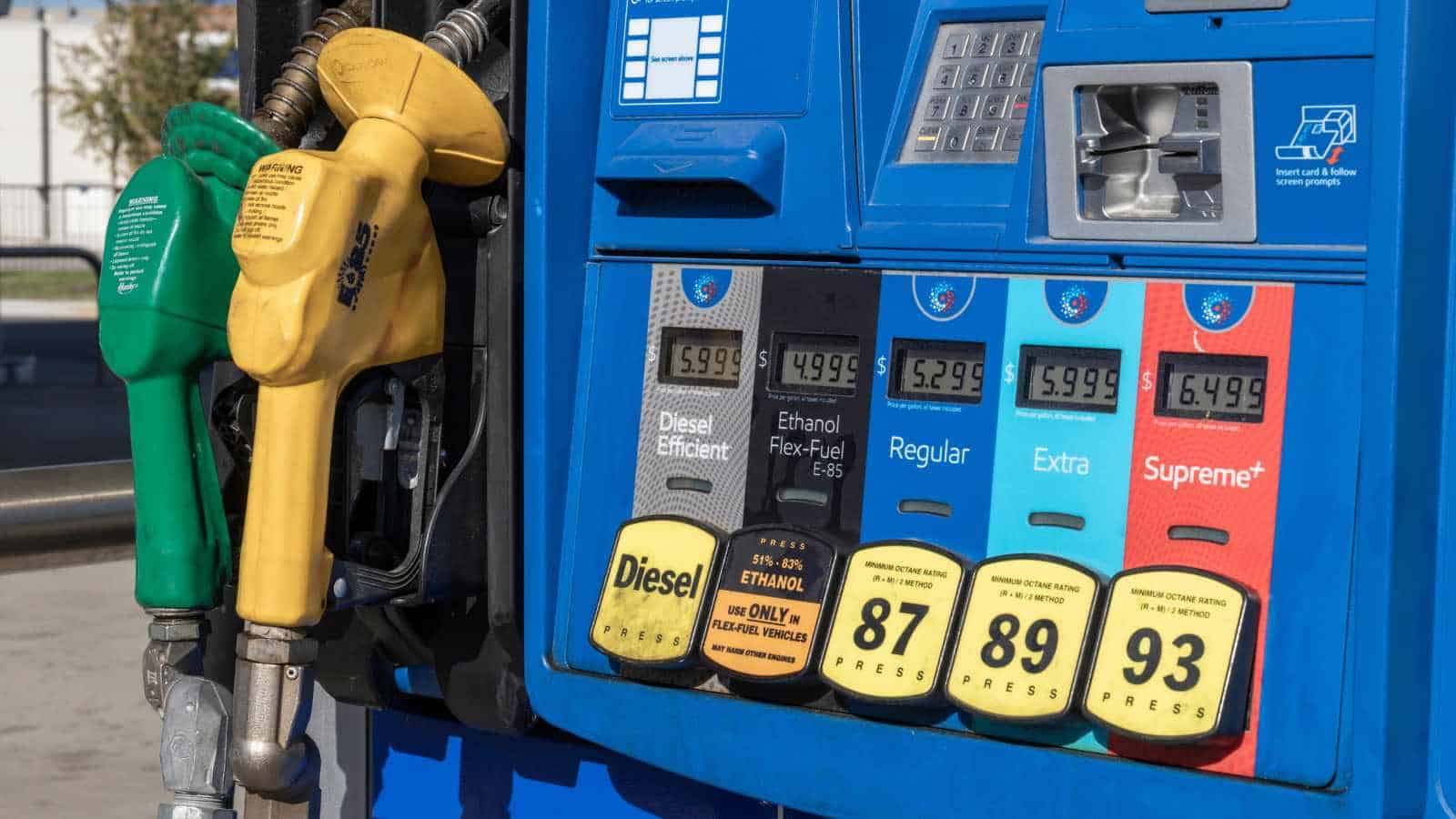
Amazon is offering eligible Prime members a limited-time fuel discount tied to the July 4 holiday window. The company says members can get 50 cents off per gallon on one fuel purchase between July 2 and July 5 at participating BP, Amoco, Ampm, and Thorntons stations across the U.S., as explained in Amazon’s fuel savings details.
The offer is not automatic just because someone has Prime. Members need to connect their Amazon account to a free Earnify account, BP’s rewards platform. Amazon says members can then redeem the discount at the pump by entering their phone number, using a linked payment method, or using the earnify app, according to Amazon’s Prime fuel savings guide.
After the holiday promotion ends, the regular year-round fuel perk remains smaller. Prime members can save 10 cents per gallon year-round at more than 7,500 participating BP, Amoco, ampm, and Thorntons locations, based on Amazon’s Prime fuel benefit page. That makes the 50-cent offer the attention grabber, while the 10-cent discount is the longer-term loyalty play.
The math is easy to understand. On a 14-gallon fill-up, a 50-cent discount saves $7. On a 20-gallon fill-up, it saves $10. That will not transform a household budget, but it may cover snacks, tolls, parking, or part of lunch during a holiday drive.
Why People Are Talking About It
The offer is getting attention because gas prices have become one of the clearest ways Americans feel inflation in real time. Food prices may be buried inside a grocery receipt, and rent may come once a month, but gas prices sit on giant signs beside the road. Drivers see them even when they are not stopping.
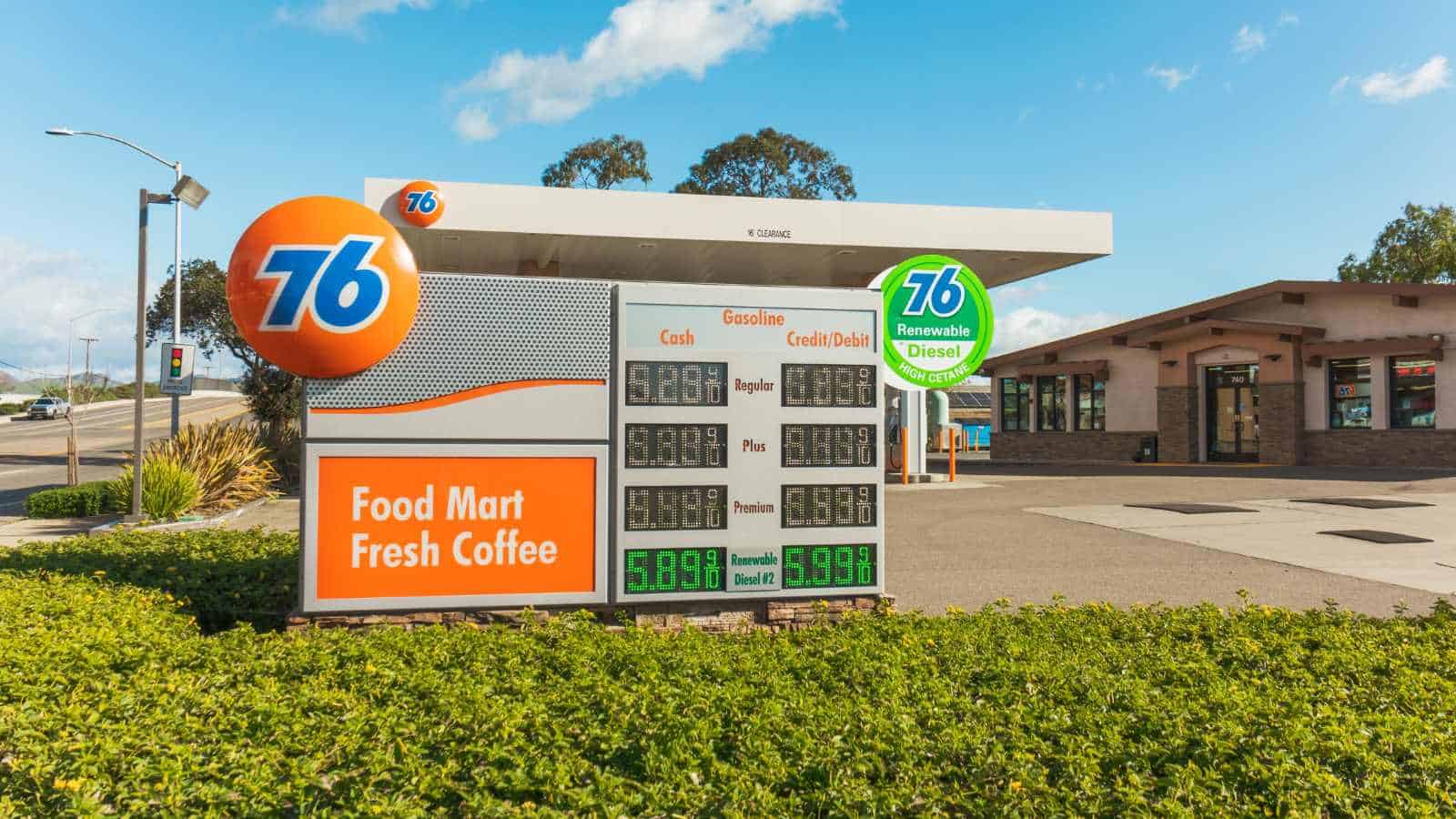
AAA’s national gas price tracker showed regular gasoline averaging above $3.80 per gallon in early July 2026, while states such as California and Hawaii were above $5 per gallon, based on AAA’s daily state gas price averages. For a driver in a high-cost state, 50 cents off per gallon can feel less like a perk and more like a temporary break from a painful normal.
There is also a cultural reason this type of deal spreads quickly. It is simple. People may not know the current crude oil forecast, refinery utilization rate, or wholesale gasoline outlook, but they know what it means to save 50 cents a gallon. It is the kind of discount that can be explained in one sentence and understood before the pump clicks off.
That matters because many Americans are not canceling travel outright. They are adjusting. They are taking shorter trips, packing food, comparing stations, using rewards programs, and looking for any small advantage. A fuel discount from Prime fits neatly into that new habit of survival shopping, where the goal is not one big saving but many small ones stacked together.
The Bigger Picture
This is not only a gas story. It is a subscription story.
Amazon has spent years making Prime feel like more than just fast shipping. Prime now touches streaming, groceries, pharmacy savings, restaurant delivery, shopping events, and fuel. Amazon lists Prime at $139 per year or $14.99 per month. In contrast, Prime Access is listed at $6.99 per month for eligible customers, and Prime for Young Adults at $7.49 per month after the trial period, based on Amazon’s Prime membership information.
That context matters. When households feel squeezed, subscriptions start to face harder questions. Is this membership still worth it? Are we actually using it? Could this money go somewhere else? A gas discount gives Amazon a very practical answer. It says Prime is not just something that lives on a screen or at the front door. It can follow members into everyday spending.
For BP, the deal also has value. It encourages drivers to create Earnify accounts, use participating stations, and develop habits tied to a specific fuel network. That is the quieter side of the promotion. The customer sees a discount. The companies see loyalty, data, and repeat behavior.
That does not make the deal bad. It simply makes it more interesting. In 2026, many consumer discounts are not just discounts. They are entry points into ecosystems.
What the Data Says About Gas Prices
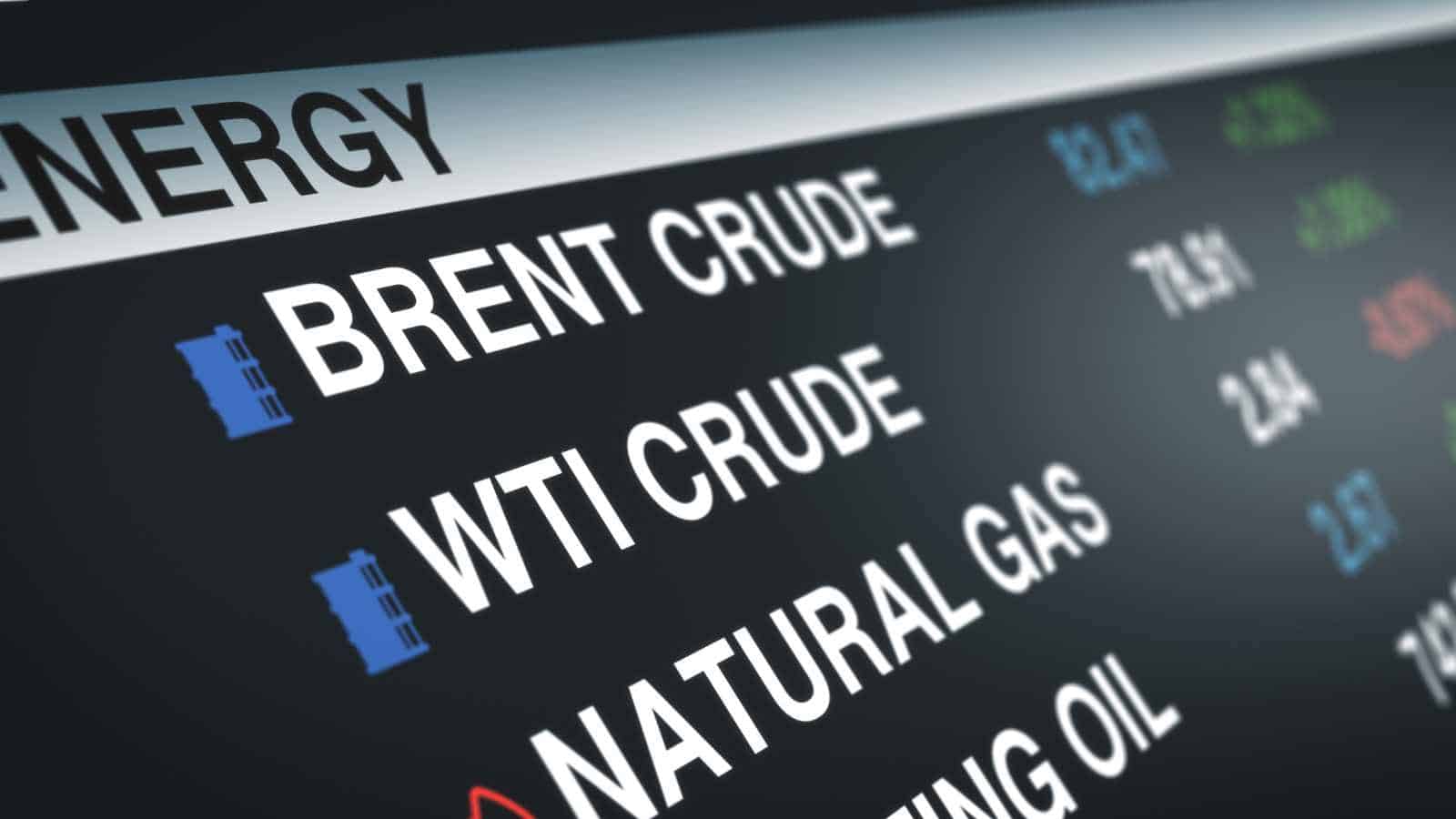
The federal data explains why a fuel discount feels unusually relevant this summer. The Energy Information Administration forecast an average wholesale gasoline price of $2.98 per gallon in 2026, nearly $1 higher than its February forecast, according to the EIA Short Term Energy Outlook for petroleum products. That jump shows how quickly fuel expectations changed during the year.
Supply conditions have also been tight. In late June 2026, U.S. refineries were operating at 96.1 percent capacity utilization, while commercial crude inventories were 7 percent below the five-year average and gasoline inventories were 5 percent below the five-year average, based on the EIA’s June 2026 petroleum market update.
Those figures help explain why drivers may feel confused when prices ease slightly but still seem high. A few cents of relief does not erase a year of sharp increases. It also does not help families who have already adjusted their spending to accommodate more expensive commutes, school runs, deliveries, appointments, and road trips.
This is why the Prime offer feels larger than its dollar value. The discount is limited, but the frustration behind it is not.
Different Perspectives
For current Prime members, the deal is easy to defend. They already pay for the membership, so getting several dollars off a fill-up feels like found money. If they live near a participating station and remember to link their accounts before buying gas, the promotion is useful.
For families with two adults sharing an Amazon Family membership, the offer may stretch a little further. Amazon says two adults in the same Amazon Family can each use Prime fuel savings separately if they have separate earnify accounts and make separate fuel transactions, according to Amazon’s explanation of household fuel savings. That could make the Fourth of July promotion more valuable for couples or households with multiple vehicles.
Skeptics will see the catch immediately. The 50-cent discount is temporary, limited to one fuel purchase, and tied to a membership plus a rewards account. It also depends on station availability. A driver who has to go far out of the way to find a participating location may wipe out part of the savings before reaching the pump.
There is also the larger question of whether Americans should have to manage so many apps, memberships, and loyalty accounts to make everyday life feel affordable. Saving money increasingly requires planning, linking, scanning, tracking, comparing, and remembering which deal works where. For organized shoppers, that can be empowering. For everyone else, it can feel like unpaid homework.
What Readers Can Take Away
The smartest way to treat this deal is as a useful perk, not a financial breakthrough. Prime members planning to drive during the July 4 window should check nearby participating locations, link their Amazon and Earnify accounts before they need fuel, and use the 50-cent discount on the largest practical fill-up.
After that, the year-round 10-cent discount may still be worth using, especially for drivers who regularly pass participating BP, Amoco, Ampm, or Thorntons stations. But it is not worth driving far out of the way unless the savings clearly beat the extra fuel and time.
The bigger takeaway is that gas remains one of the most emotionally powerful prices in American life. It affects workers, parents, retirees, travelers, small business owners, and anyone whose life still depends on a car. When prices rise quickly, even a small discount can become news because it speaks to a larger pressure people already feel.
Prime’s 50-cent fuel offer will not solve high gas prices. It will not change the global oil market, refill tight inventories, or make summer travel cheap again. But for drivers already paying close attention to every gallon, it offers a brief, highly visible form of relief.
And in the summer of 2026, visible relief is exactly what many Americans are looking for.
Disclaimer – This list is solely the author’s opinion based on research and publicly available information. It is not intended to be professional advice.
Like our content? Be sure to follow us.