Struggling to Make Groceries Last? 12 Great Depression Hacks That Still Work
Most advice about saving money on food assumes the problem is either discipline or knowledge. Buy smarter, cook more, waste less. But that framing misses a more structural issue: modern grocery systems are designed for convenience, not continuity. We shop in isolated bursts, cook in isolated meals, and discard food in isolated moments, which quietly breaks the link between what we buy and how long it actually lasts.
During the Great Depression in the 1930s, that disconnect didn’t exist. Households weren’t just frugal; they were systematic. Food wasn’t planned meal by meal but managed as an ongoing inventory under constraint. The goal wasn’t culinary satisfaction in the moment, but extending the lifespan of every ingredient across time, energy, and use.
That distinction matters now more than nostalgia suggests. Today’s challenge isn’t simply rising prices or lack of effort; it’s fragmentation: too many decisions, too many options, and too little integration between them. You can follow a budget, shop sales, and still run out of food early if the system itself is inefficient. If your food runs out faster than expected, the issue may not be what you’re buying, but how those purchases are being managed from the moment they enter your kitchen.
Cook Once, Stretch Twice
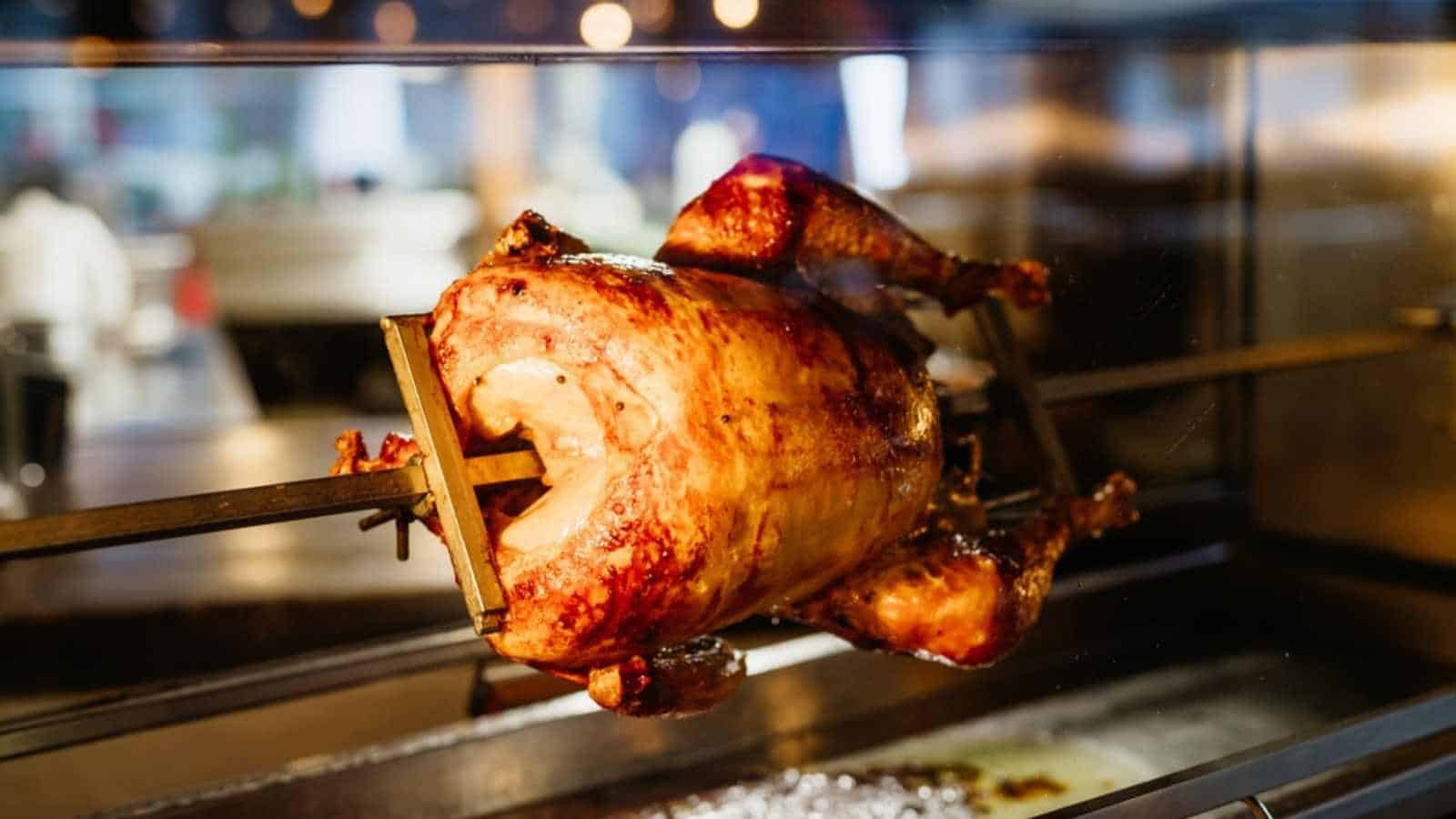
The math of the modern kitchen is often upside down. We spend forty minutes preparing a single dinner, only to face the same labor-intensive hurdle the following evening. Depression-era logic favored the foundation protein or grain.
If you roasted a chicken in 1932, that bird was a three-day commitment. The USDA estimates that the average American family of four now wastes nearly $1,500 worth of food annually, much of it because we view meals as isolated events rather than a sequence of meals.
By roasting a large bird or simmering a massive pot of beans on Sunday, you front-load the energy cost. The secondary meals: soup from the carcass or tacos from the legume base, require almost no additional fuel or prep time.
It is a strategy of thermal and temporal efficiency. The government actually pushed these protective foods to ensure caloric density without repetitive labor.
Treat Leftovers as Ingredients, Not Meals
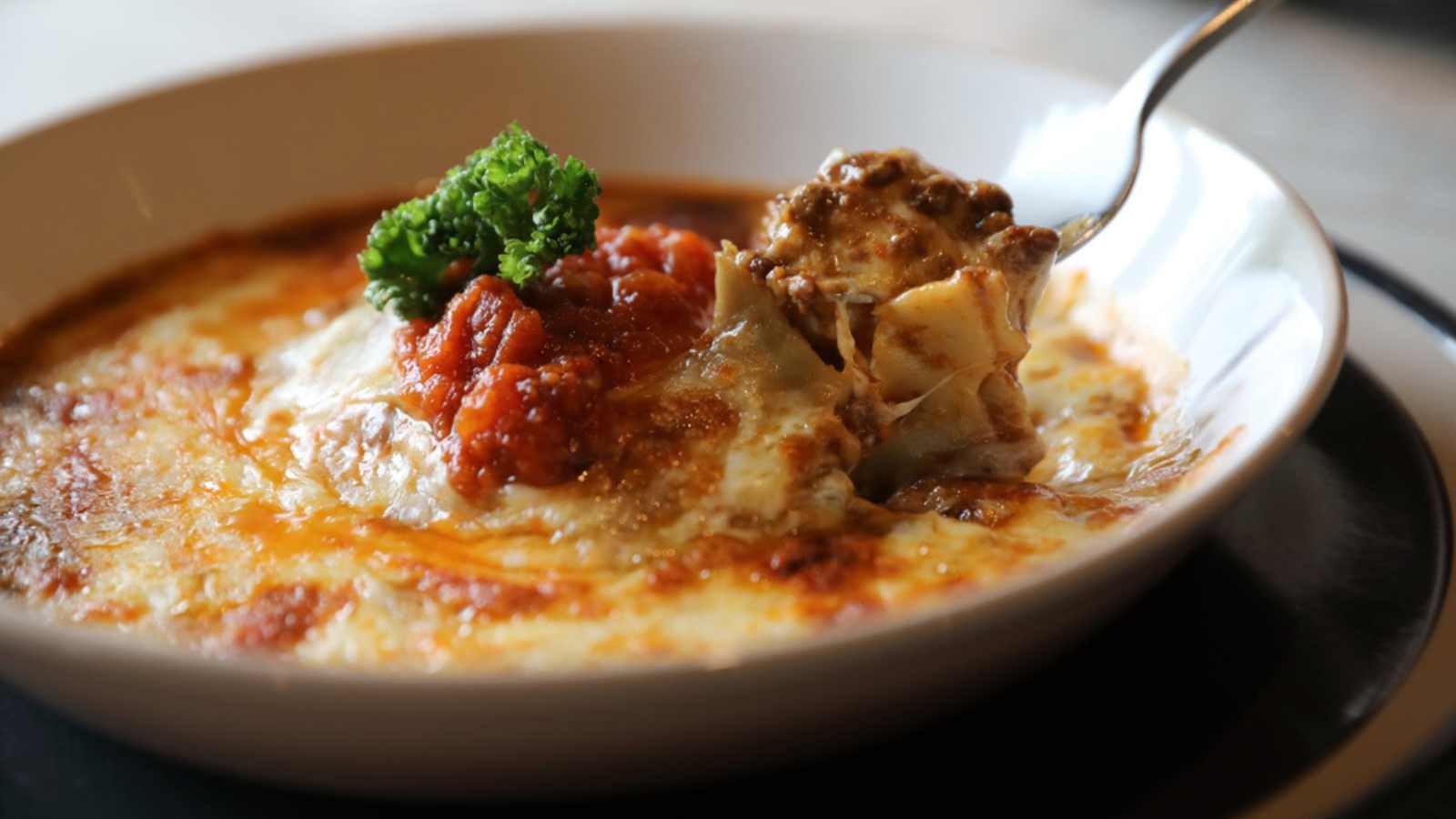
Reheated lasagna is a chore; lasagna transformed into a fried pasta cake or chopped into a minestrone is a discovery. The psychological barrier to eating leftovers is palate fatigue, a luxury the 1930s could not afford, but one that we can solve with a bit of culinary redirection.
Statistics from the Natural Resources Defense Council suggest that leftovers account for 40% of residential food waste in America simply because they look unappealing the next day. The trick is to stop seeing the Tupperware as a finished product. That half-cup of mashed potatoes is actually the thickener for tomorrow’s leek soup or the binder for salmon patties.
While re-engineering food takes more effort than it’s worth, the financial friction of buying a $14 lunch versus spending five minutes tossing last night’s rice into a stir-fry is hard to ignore. It is the difference between being a consumer and being a processor.
Buy Ingredients, Not Convenience
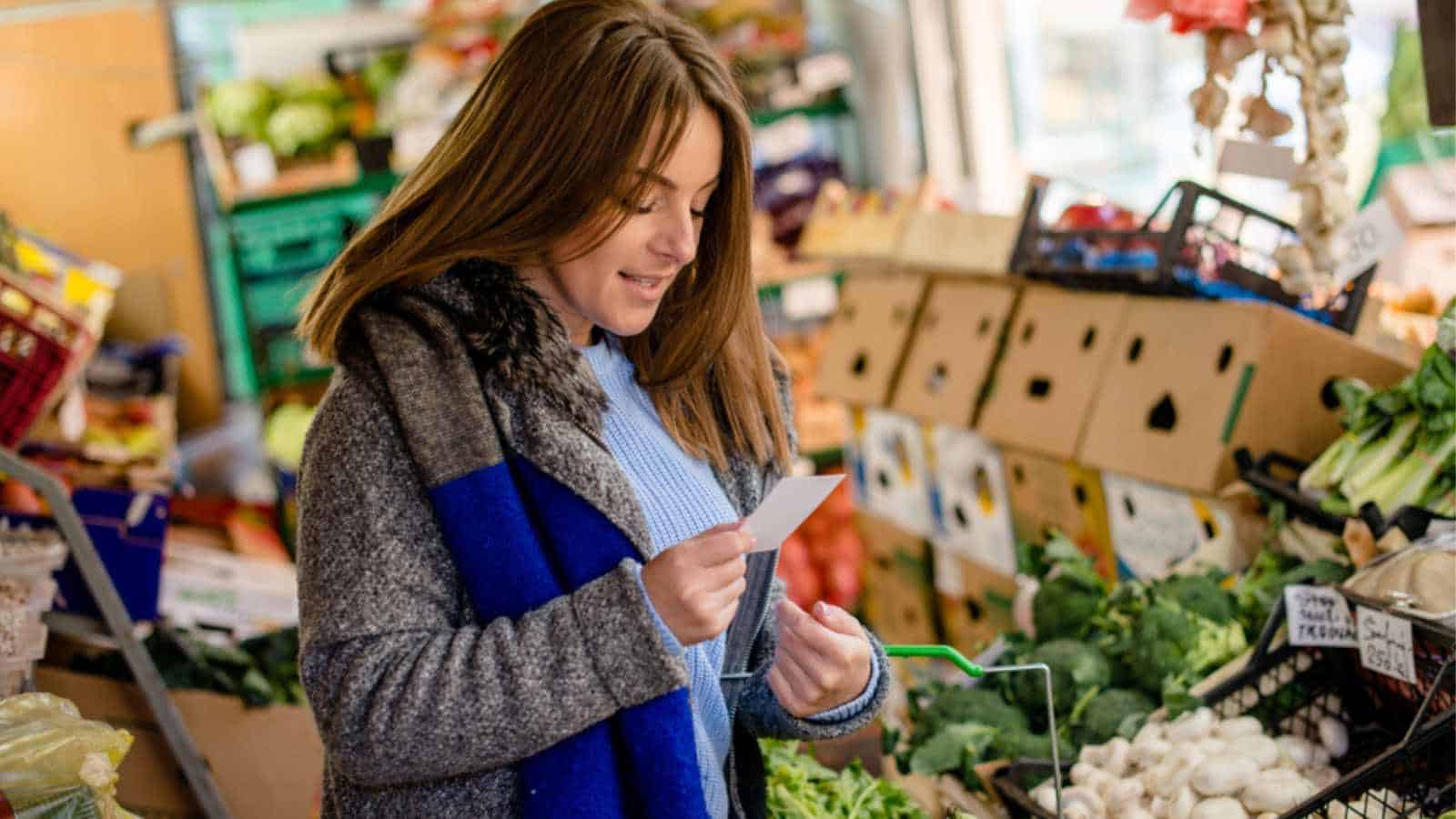
A 2024 price comparison shows that a five-pound bag of flour costs significantly less than a single loaf of premium artisanal bread, yet the flour can produce five loaves.
Convenience is an expensive commodity that the Depression stripped away, forcing a return to bulk staples like lard, flour, beans, and rice. As of the latest data, the farm share of the food dollar is only about 14.8 cents, while 85.2 cents goes to the marketing bill. For highly processed items, the farm value is even lower, illustrating the massive markup for processing.
The time poverty of the modern worker makes scratch cooking impossible. If you spend an hour prepping dry beans, which cost about $0.15 per serving, versus opening a $2.50 organic can, you are essentially paying yourself a high hourly wage in savings.
It is a radical act of self-reliance. You are no longer paying for the plastic, the marketing, or the factory overhead; you are just paying for the fuel.
Use the “Everything Pot”
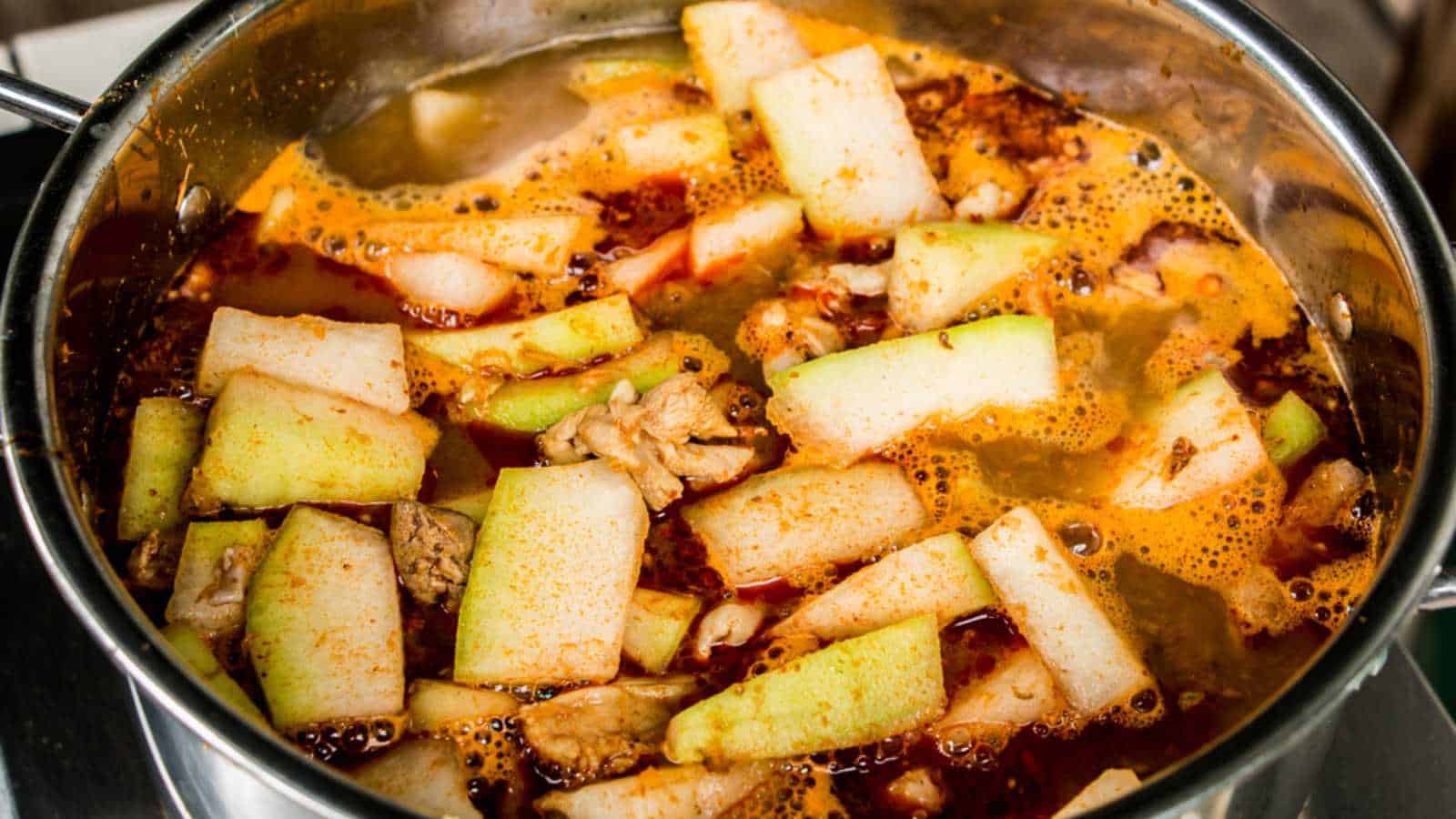
Precision is the enemy of the budget. The “Everyday Pot” or “Perpetual Stew” was a common fixture in lower-income households where a simmering pot on the back of the stove received every stray carrot nub, onion skin, or spoonful of gravy. This is aggregation in its purest form. Modern food safety standards might balk at a pot that never clears, but the principle remains: a casserole or a slow-cooked stew is a forgiving vessel for “the bits.”
Economically, this mirrors the Long Tail theory in business: small, seemingly insignificant leftovers that would be useless on their own gain massive value when aggregated. Small quantities (the last bit of peas, a single sausage) are the items most likely to be tossed.
In a stew, these become the flavor profile. There is no such thing as a missing ingredient in an everything pot; there is only what was available. It’s a chaotic, artistic approach to nutrition that defies the rigid, recipe-driven culture of the modern era.
Eat Seasonally (or Locally Available Alternatives)

We have been conditioned to expect strawberries in January and squash in July, a logistical feat that adds a massive carbon and transport premium to our grocery bills. During the Great Depression, people ate what the soil gave up. If you look at the Consumer Price Index for fresh produce, the volatility is staggering; off-season fruit can cost 40% more than when it is in peak harvest.
However, seasonal has become a boutique marketing term that actually inflates prices in some upscale markets. The real Depression hack is loss-leader shopping. If a grocery store is overstocked on cabbage, you become a cabbage household for a week.
Survival was linked to dietary flexibility. Instead of a rigid shopping list, the goal is to shop the perimeter and the sales. If the blueberries are $8, you buy the $2 apples. You don’t fight the market; you flow with its surpluses.
Waste Nothing Edible
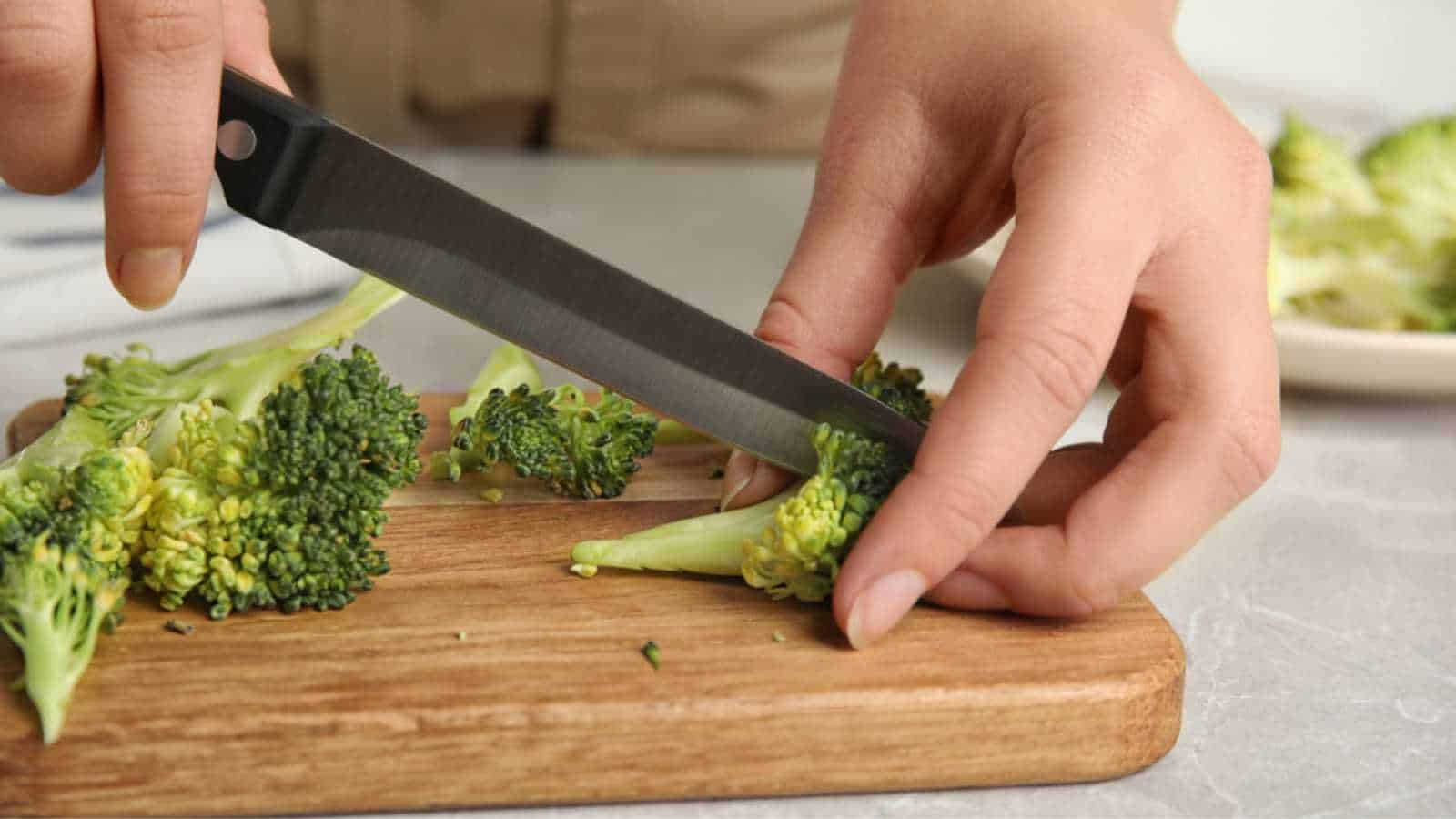
The modern definition of trash would have looked like a pantry to a 1930s housewife. Consider the broccoli stalk: most people toss it, yet it contains the same nutrients and flavor as the florets once peeled. Stale bread isn’t garbage; it’s the foundation for panzanella or bread pudding.
The USDA estimates that about 31% of food at the retail and consumer levels goes uneaten. If we reclassified scraps as secondary yields, that number would plummet. Making your own stock from vegetable peelings and bones is a classic example. While some skeptics say the energy cost of boiling a pot for four hours outweighs the $3 cost of a carton of broth, they forget the quality difference.
Homemade stock is a gelatin-rich nutrient powerhouse that store-bought versions cannot replicate. This is about reclaiming the hidden third of your food budget that currently sits in a landfill. It is the ultimate rebel move against a disposable culture.
Control Portions Upfront
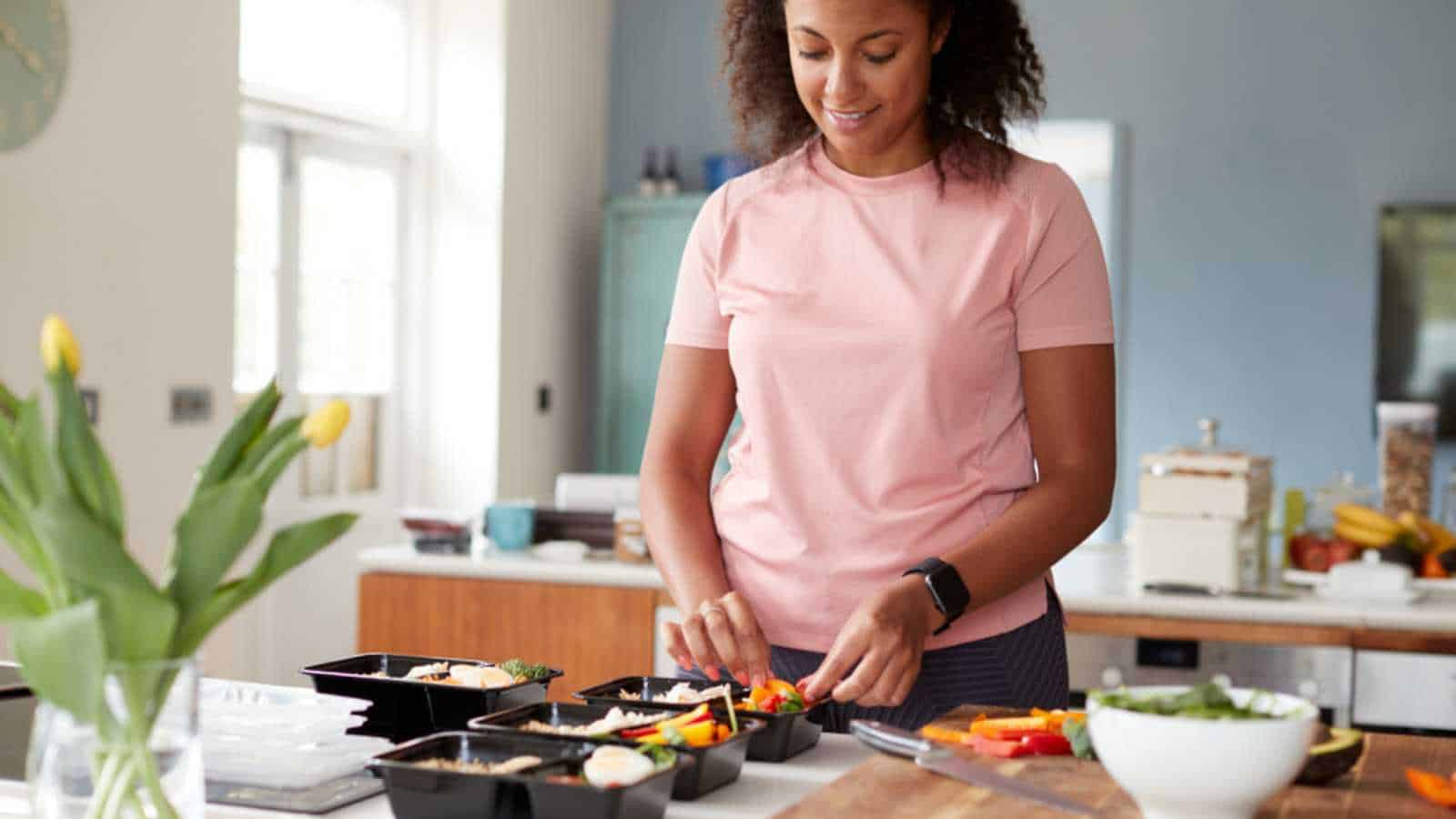
The “clean plate club” was a necessity of the 1930s, but it started with the ladle, not the appetite. Waste often happens because we overestimate our hunger at 6:00 PM. People eat about 92% of what they serve themselves.
If the plate is oversized, the waste is inevitable. By serving smaller initial portions, the Depression scoop, you ensure that any leftovers remain in the pot, uncontaminated and ready for storage. Plated waste is a total loss; pot waste is a future meal.
This is a behavioral hack that requires no money, only discipline. Some nutritionists argue that this leads to grazing, but from a purely economic standpoint, it keeps the inventory clean. It’s a shift from “all you can eat” to “all you need.” In a house where every calorie is a currency, you don’t spend it all on the first plate.
Plan Meals Around What You Already Have

Most people shop for what they want to eat, rather than what they need to use. The “Inventory-First” method is a direct attack on duplication. The average pantry contains about $100 of forgotten items: cans of beans hidden in the back, bags of pasta doubled up because we thought we were out.
A Great Depression household knew exactly how many jars were in the cellar. By forcing yourself to build a menu around that solitary can of chickpeas and the wilting spinach, you stop the cycle of buying new food to sit on top of old food.
This is Just-In-Time inventory management applied to the kitchen. It creates a friction-filled shopping experience where you only buy the missing links, not the whole chain. It’s less about inspiration and more about logistical dominance over your own cupboards.
Bulk Cook Staples, Not Full Meals
The modern meal prep trend involves making five identical containers of chicken, broccoli, and rice. By Wednesday, the soul is crushed by the monotony. The Depression-era alternative was component cooking.
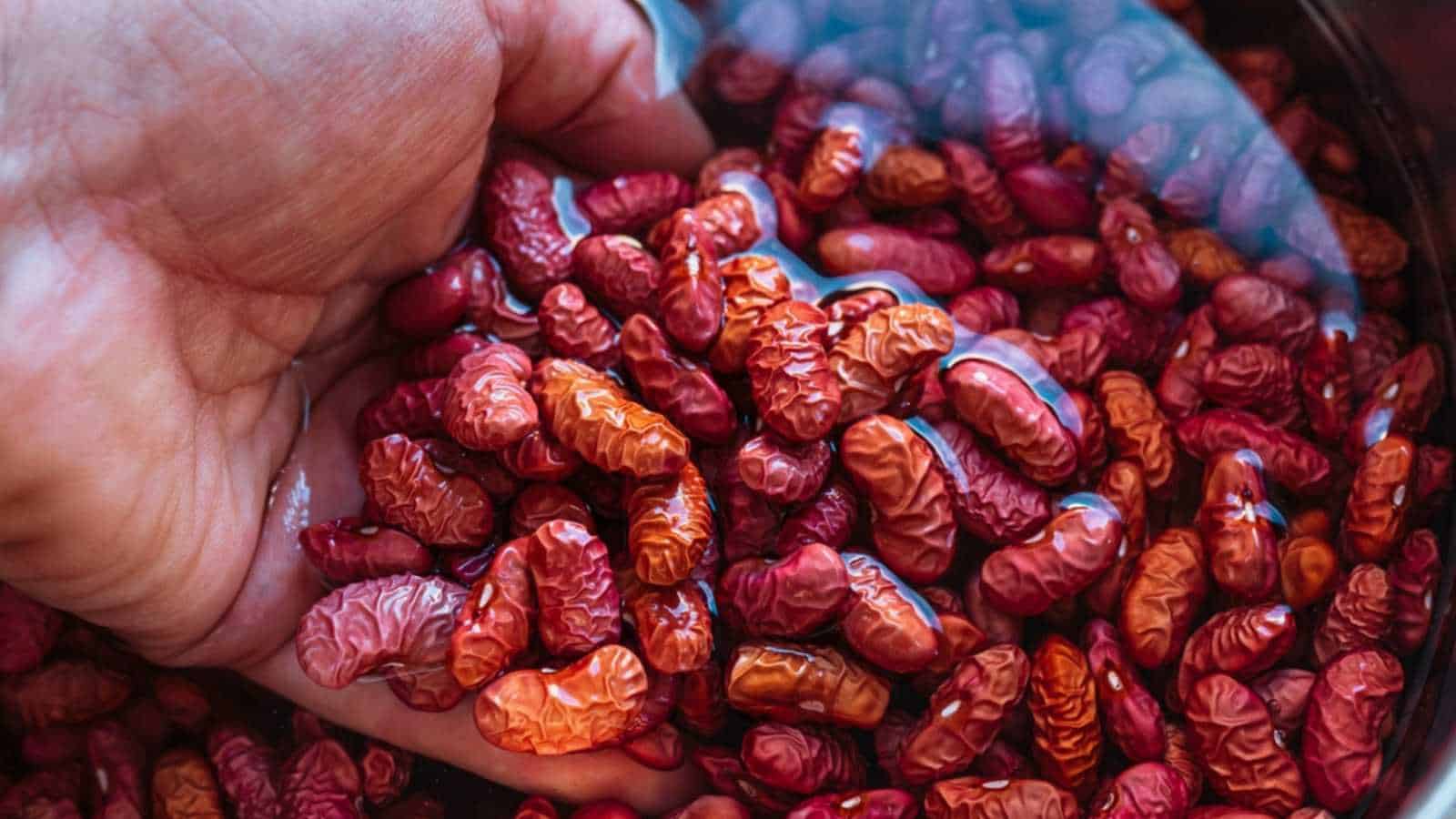
You boil a massive pot of oats or a gallon of beans. These staples are neutral. On Monday, the beans are savory with onions; on Tuesday, they are mashed into patties; on Wednesday, they are added to a soup. This flexibility is the “anti-burnout” mechanism.
A 2025-2026 report found that 58% of adults report being bored with the same recipes as a reason they expect to cook less, and 52% do not consider themselves food-preppy.
Component cooking solves this by allowing for audibles at the dinner table. It provides the speed of a microwave meal with the creative freedom of a chef. You aren’t a slave to a pre-portioned container; you are the architect of a rotating menu.
Stretch Expensive Ingredients
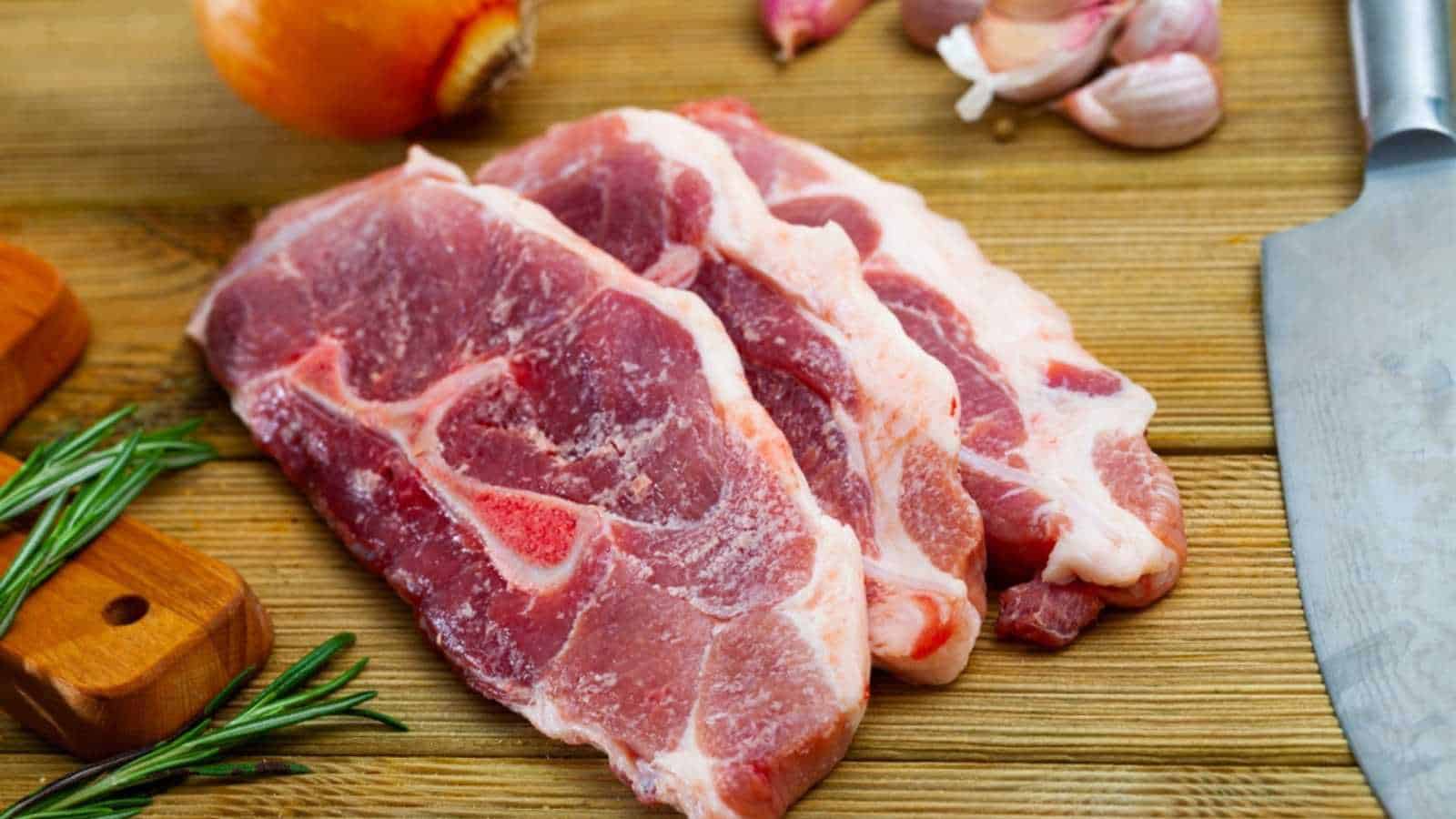
In 1935, meat was a luxury, often used as a seasoning rather than a slab. This is perhaps the most significant budget lever available. By finely dicing a single pork chop and folding it into a large cabbage stir-fry, you provide the “umami” and protein signal to the brain without the cost of four chops.
Using fillers like lentils, oats, or breadcrumbs to double the size of a meatloaf isn’t just a gimmick; it’s a nutritional strategy. High-fiber extenders actually improve satiety more than meat alone.
While meat-heavy diets are often associated with prosperity, the rebel budgeter knows that the real wealth is in the seasoning. You get the steak’s flavor for the price of the beans. It is a masterclass in flavor-to-cost ratio.
Stick to a Short Grocery List

The grocery store is a carefully engineered trap designed to trigger impulse buys. The browsing behavior that modern supermarkets encourage is the antithesis of Depression-era discipline. Conducted by marketing professor David Bell and his colleagues, the study sought to debunk the urban legend that 60–70% of all grocery purchases are impulsive.
A short, rigid list is your shield. If it isn’t on the paper, it doesn’t exist. This requires a shift in mindset: the store is a warehouse for your specific needs, not a gallery for your desires. The 1930s shopper didn’t have the option to wander; they had a fixed amount of cash.
By adopting a cash-only or strict-list policy, you remove the decision-making fatigue that leads to buying a $6 jar of specialty mustard you’ll use once. Discipline is the only thing that stands between you and the supermarket’s marketing department.
Create “Use-It-Up” Days

Every Friday (or whatever day precedes your shopping trip) should be a kitchen amnesty day. No new food enters the house until the old food is gone. This is a forced constraint that drives extreme efficiency.
You are forced to be creative, maybe it’s a fritter night where every stray veggie is shredded, battered, and fried. The environmental impact is huge, but the financial impact is immediate.
By pushing your shopping trip back by just 24 hours every week through a “Use-It-Up” day, you effectively eliminate several full grocery trips over the course of a year.
It is a 15% reduction in annual food spending through sheer grit. Even if you’re eating like you’re poor, others recognize it as the highest form of domestic management. It is the final check and balance that ensures no investment made at the grocery store goes to waste.
Key Takeaways
- Groceries run out faster, not just because of prices, but because food is managed as isolated meals rather than as a connected system.
- The most effective savings come from reducing waste and extending ingredient use across multiple meals.
- Planning around what you already have prevents duplication and keeps food from being forgotten.
- Flexibility matters more than strict meal plans when trying to stretch groceries over time.
- Small behavioral shifts, such as portion control and use-it-up days, can significantly reduce overall food spending.
Disclaimer – This list is solely the author’s opinion based on research and publicly available information. It is not intended to be professional advice.
Like our content? Be sure to follow us