The 12 dangerous side effects of sitting with your legs crossed
Crossing your legs may feel harmless, but health experts say this everyday habit quietly strains your body from your blood pressure to your spine.
Most of us slide one knee over the other without thinking about it twice. It feels like the polite or comfortable thing to do at a desk or dinner. But experts warn that this reflexive habit causes real trouble for your body over time. It creates a chain reaction of stress that travels from your feet up to your neck.
While it might seem harmless to sit this way for a few minutes, the damage accumulates. You are twisting your spine and compressing vital veins every time you settle into this position. This list breaks down exactly what happens beneath the surface when you cross your legs. Let us look at why you should uncross your legs right now for better health.
High Blood Pressure Spikes
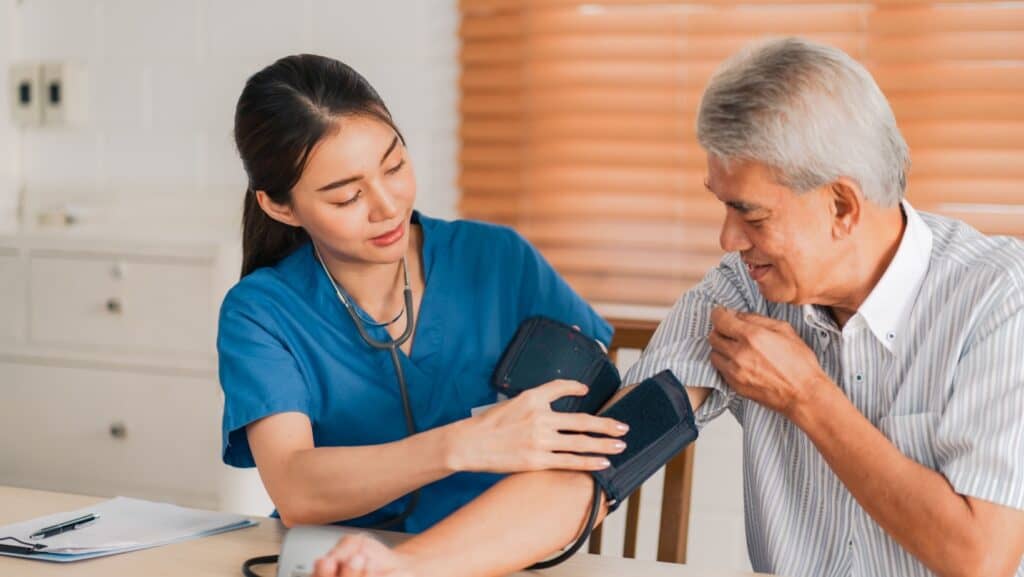
This position causes a temporary but sharp rise in your blood pressure readings. When you stack one leg on top of the other, you force blood up into your chest. This extra volume makes your heart pump much harder to circulate everything properly.
Research backs this up with some alarming numbers regarding your heart health. A NIH study reports that systolic blood pressure increased by approximately 10 mmHg when legs were crossed. You should keep your feet flat to maintain accurate, healthy numbers.
Peroneal Nerve Palsy

Crossing your legs puts direct pressure on the peroneal nerve, which lies just behind your knee. Compressing this nerve for too long can lead to a condition known as foot drop. This makes it difficult to lift the front of your foot while walking.
The numbness you feel after sitting is actually a warning sign from your nervous system. Peroneal nerve injury is recognized as the third most common neuropathy overall and is often triggered by compression habits. You need to move frequently to prevent this nerve from being pinched or damaged.
Varicose Veins Appearance
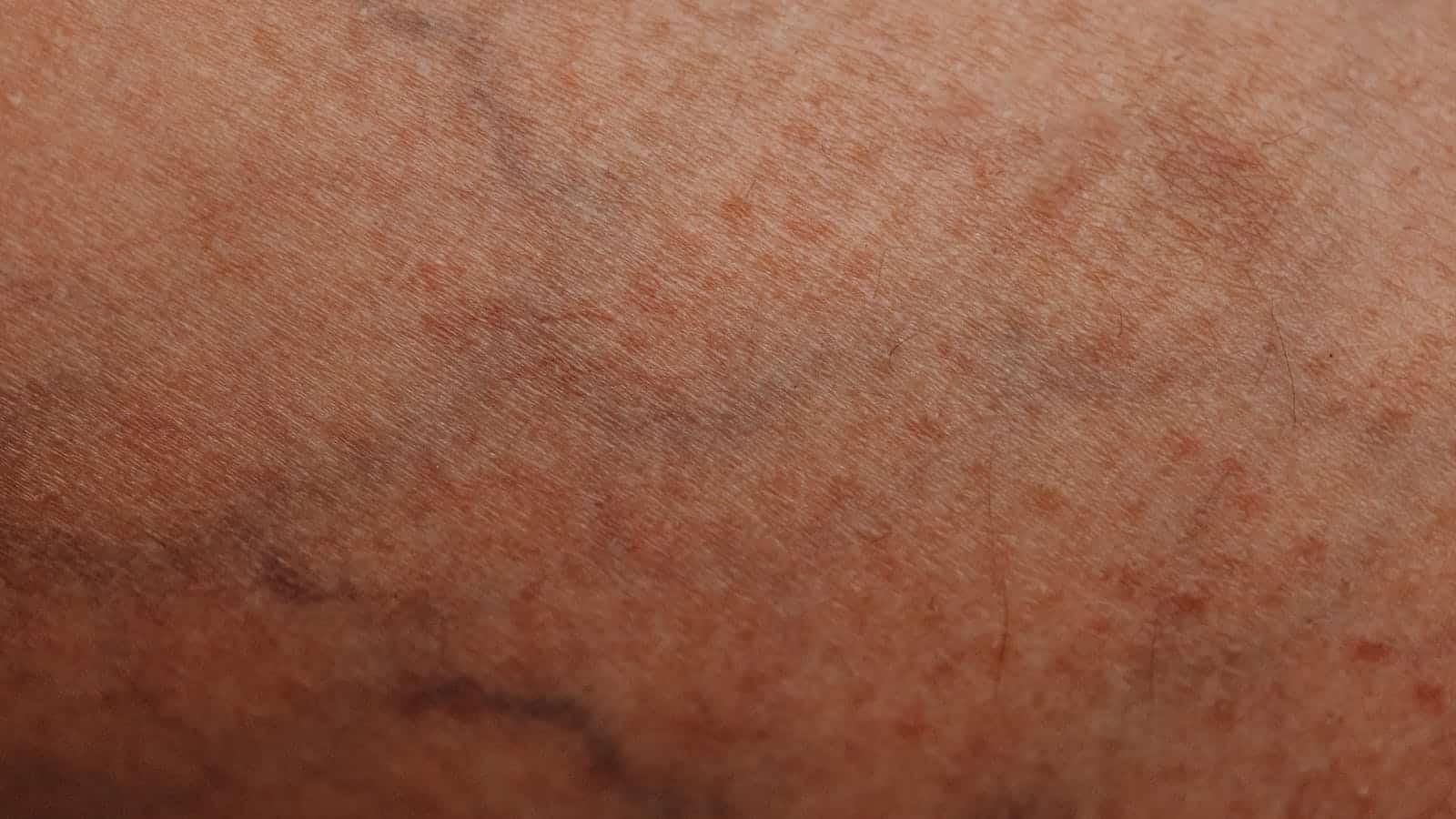
Your veins have tiny valves that prevent blood from flowing backward as it moves to the heart. Crossing your legs increases the pressure inside these veins and can damage the delicate valves. This pressure makes the veins swell and twist until they become visible under the skin.
Blood pools in your lower legs when the circulation is cut off or slowed down by compression. This habit creates a roadmap of purple and blue lines across your calves and thighs. Keeping your legs uncrossed allows your blood to return to your heart much more easily.
Pelvic Bone Misalignment

Sitting with one leg over the other forces your pelvis into a tilted and rotated position. This imbalance shortens the inner thigh muscles and lengthens the outer gluteal muscles. Over time, your joints may stay in this twisted state even when you stand up.
Recent data shows just how quickly this skeletal shift happens to the average person. A 2020 study 403 involving 60 participants found that cross-legged sitting produced significantly greater pelvic obliquity than erect sitting. You are physically reshaping your skeletal alignment every time you sit in this twisted posture.
Deep Vein Thrombosis Risk
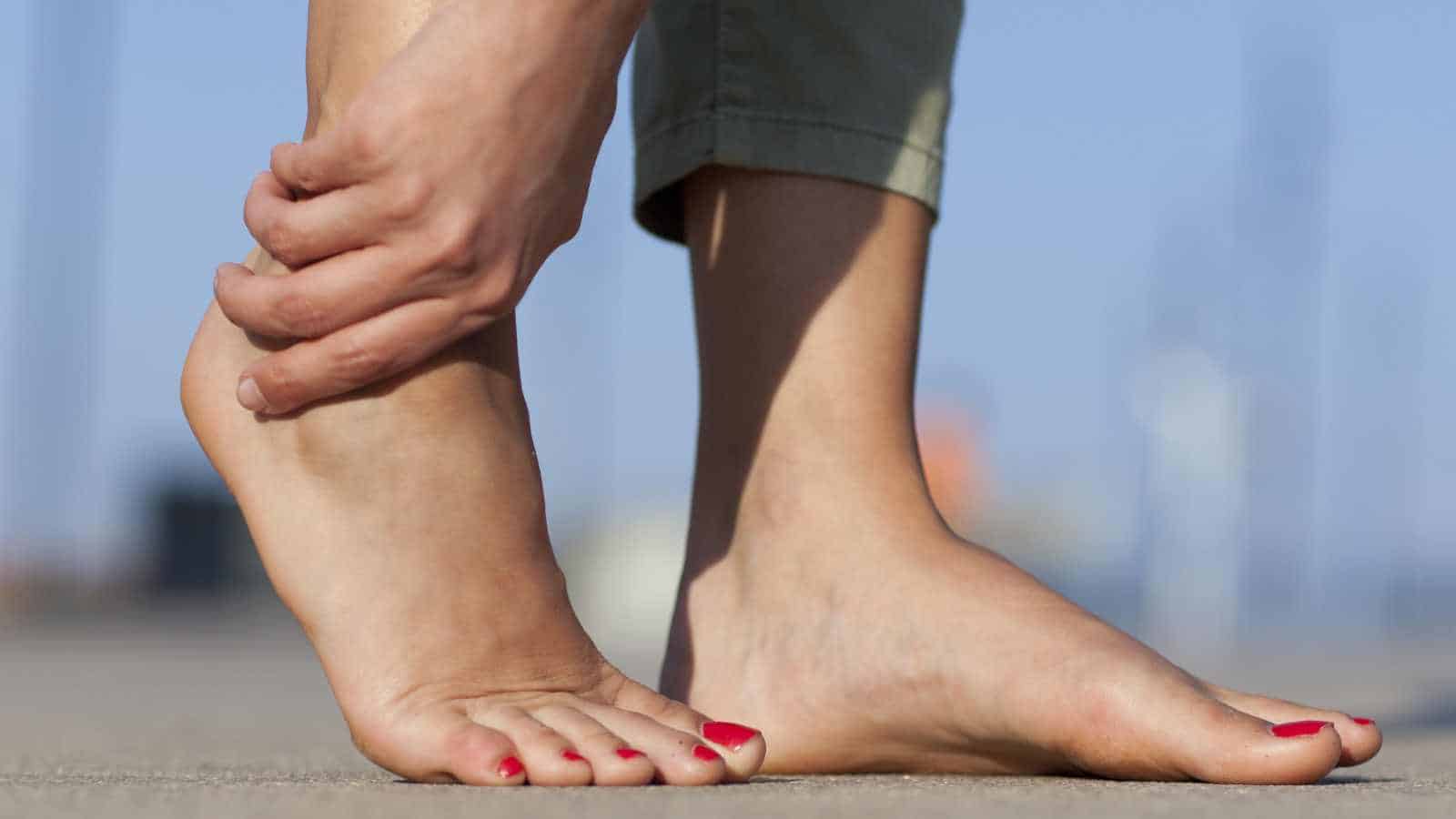
Deep vein thrombosis is a serious condition in which a blood clot forms deep within your body. When you cross your legs, you create a roadblock that slows down the blood flow in your veins. If you stay this way for hours, your risk of developing a dangerous clot rises.
The danger is that a piece of the clot can break off and travel to your lungs. Health officials warn that any position that restricts blood flow increases the risk of a pulmonary embolism. You must keep your blood moving freely to avoid this potentially life-threatening complication.
Lower Back Strain
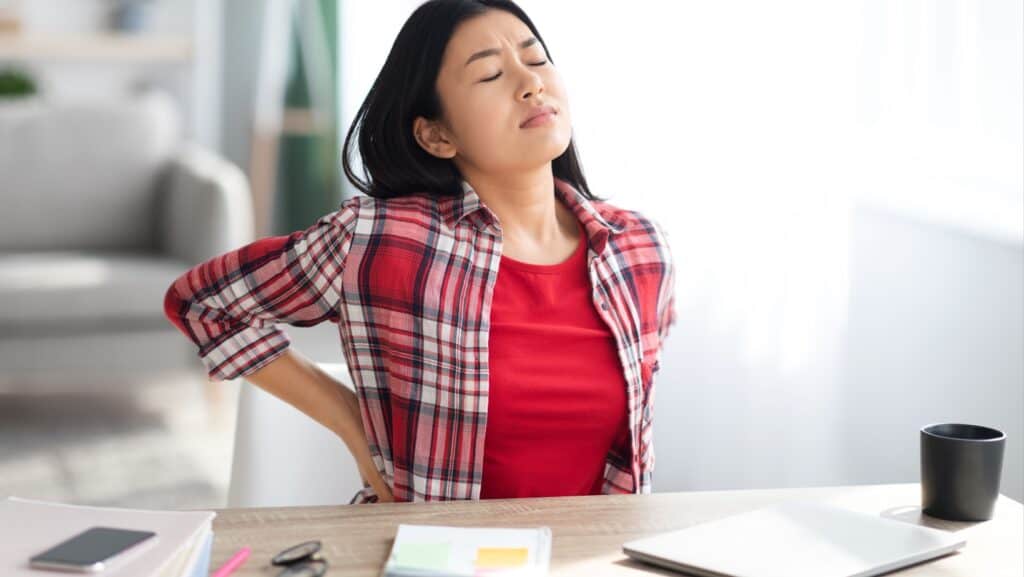
Your spine is designed to stay aligned in a neutral curve to support your body weight. Crossing your legs forces your lower back to flatten and your hips to roll backward. This puts immense strain on the discs and the muscles that protect your spinal cord.
The time we spend in these chairs is a major factor in the back pain epidemic. Adolescents and adults currently spend an average of 7.7 hours a day sitting, according to recent NIH data. That is a long time to be putting torque on your lower vertebrae.
Reduced Sperm Production

Temperature plays a massive role in male fertility and the health of sperm production. Sitting with crossed legs traps heat in the groin area and raises the temperature of the testicles. This heat stress can lead to a lower sperm count and reduced motility.
The science is clear that body heat regulation is vital for reproductive health. A ResearchGate study 403 indicates that scrotal temperature rises significantly in this position, potentially impacting sperm quality, which decreases as temperatures rise. Men looking to start a family should stick to cooler, open sitting positions.
Hip Joint Displacement

The ball and socket joint of your hip is not meant to be jammed into a rotated position. Crossing your legs pushes the head of the femur against the acetabulum in an unnatural way. This friction can wear down the cartilage and lead to early-onset arthritis.
You might feel a sharp pinch in your groin or outer hip after sitting this way. Repeated compression of the hip joint leads to inflammation and long-term mobility issues. Uncrossing your legs is the simplest way to preserve your hip function as you age.
Poor Posture Habits

Your body learns to adapt to the positions you put it in most frequently. If you always cross your legs, your body will eventually forget how to sit straight. You will find yourself slouching to one side even when you are not trying to.
This slouching affects more than just how you look in photos or at your desk. NIH research shows that significant changes in the craniocervical angle occur after just 10 minutes of sitting cross-legged. Your head starts to jut forward, creating a permanent hunch in your upper back.
Spider Veins Development

Spider veins are the smaller, web-like cousins of the larger varicose veins. The increased pressure from crossing your legs causes these tiny capillaries to burst. They appear as red or blue webs spreading across your ankles and thighs.
While they are mostly a cosmetic concern, they indicate poor circulation in that area. The constant squeezing of your legs prevents blood from draining out of the skin’s surface vessels. You can prevent these unsightly marks by keeping your feet flat on the floor.
Neck And Shoulder Tension

The spine is a single unit, so what happens at the hips travels all the way up to the neck. When your pelvis tilts from crossing your legs, your shoulders round forward to compensate. This pulls on the muscles at the base of your skull, causing tension headaches.
You might treat the neck pain without realizing your legs are the root cause. Physical therapists often find that uncrossing the legs relieves chronic upper trap and neck tightness. You have to fix the foundation of your posture to stop the pain upstairs.
Digestion And Gut Compression

Sitting with your legs crossed compresses your abdominal cavity and squeezes your internal organs. This pressure can slow down digestion and lead to bloating or uncomfortable gas. Your intestines need room to move food through your system efficiently.
The way you sit can actually ruin your appetite or make you feel full too fast. Restricting the space in your abdomen hinders the natural peristalsis movement of your gut. You should sit tall with your feet on the ground to let your digestion work without interference.
Like our content? Be sure to follow us