This is what 10 different religions say happens after you die
You are going to die, and honestly, that is the only item on your to-do list that you cannot procrastinate. As the mortician and author Caitlin Doughty perfectly put it, “Death isn’t happening to you. Death is happening to us all”. Yet, despite this 100% mortality rate, we humans are obsessed with figuring out the sequel before the credits roll.
It’s what cultural anthropologist Ernest Becker called our “terrifying dilemma”: we are gods with minds that can soar to the stars, yet we are housed in bodies destined to become worm food. Talk about an identity crisis, right?
But here is the good news: we aren’t facing this void alone. According to a 2024 Pew Research Center study, 70% of Americans believe in an afterlife, and 86% believe in a soul. That is a lot of people betting on Season 2. So, grab a coffee (or something stronger), and let’s chat about the wildest, most comforting, and occasionally terrifying travel itineraries for your soul, courtesy of human history’s greatest “hero systems.”
Christianity: the refining fire isn’t what you think
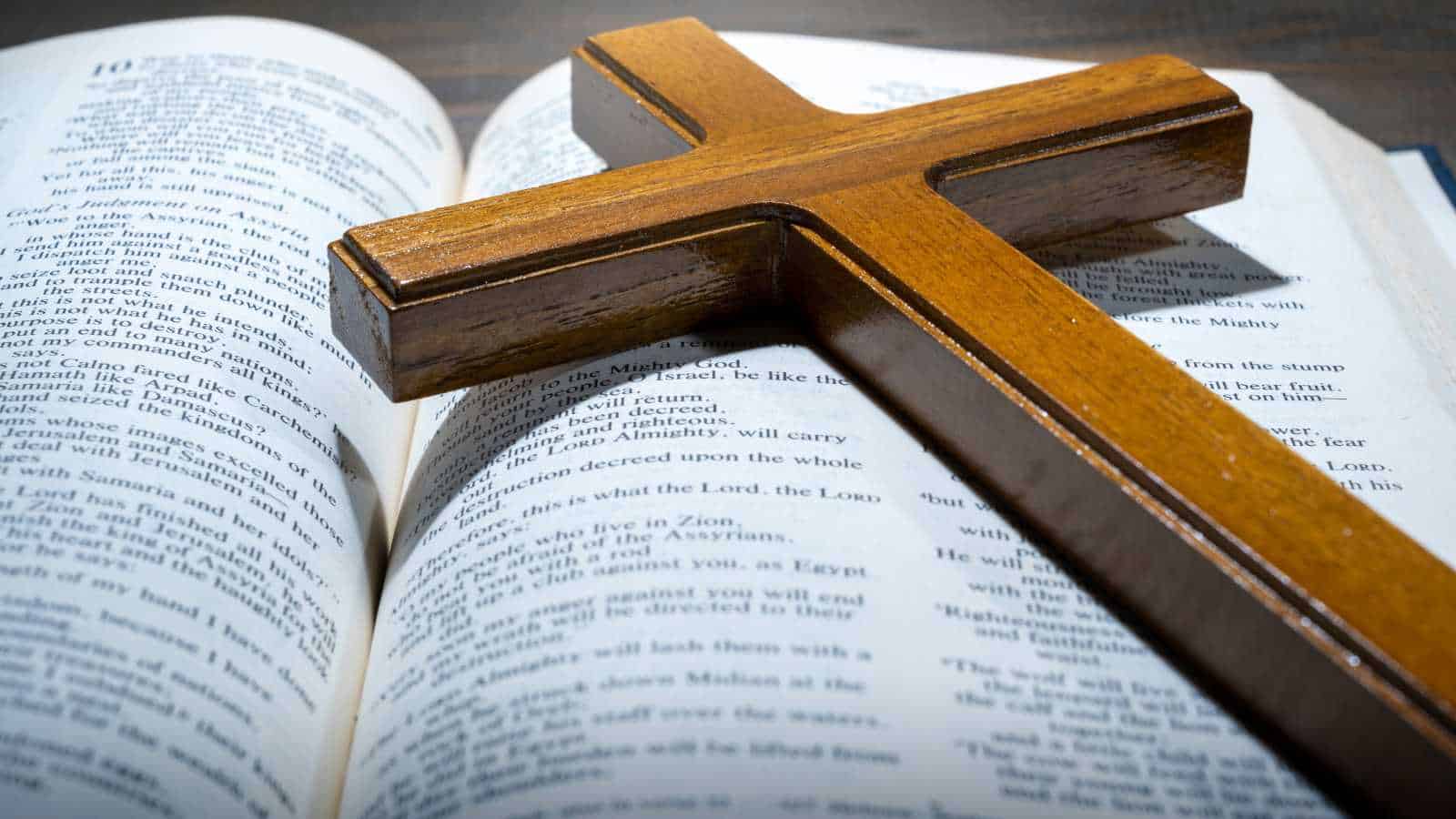
Forget the Dante-style torture chamber for a second. While traditional views bifurcate the afterlife into a VIP lounge (Heaven) and a literal furnace (Hell), modern theology is shifting. Many contemporary thinkers and even popes have rebranded Hell less as a place God sends you to and more as a “state of self-imposed separation”, essentially, locking the door from the inside because you’d rather be miserable than hang out with the Divine.
Then there is Purgatory, arguably the most misunderstood concept ever. It is not a “second chance” or a gloomy waiting room; think of it more like a spiritual mudroom. Before you track the dirt of your ego onto Heaven’s white carpets, you need to get cleaned up. As Pope Benedict XVI suggested, this “fire” might actually be the burning love of Christ itself, stripping away your baggage in a painful but necessary detox. It is intense, sure, but wouldn’t you want to shower before meeting the host of the party?
Islam: the Friday market beauty contest
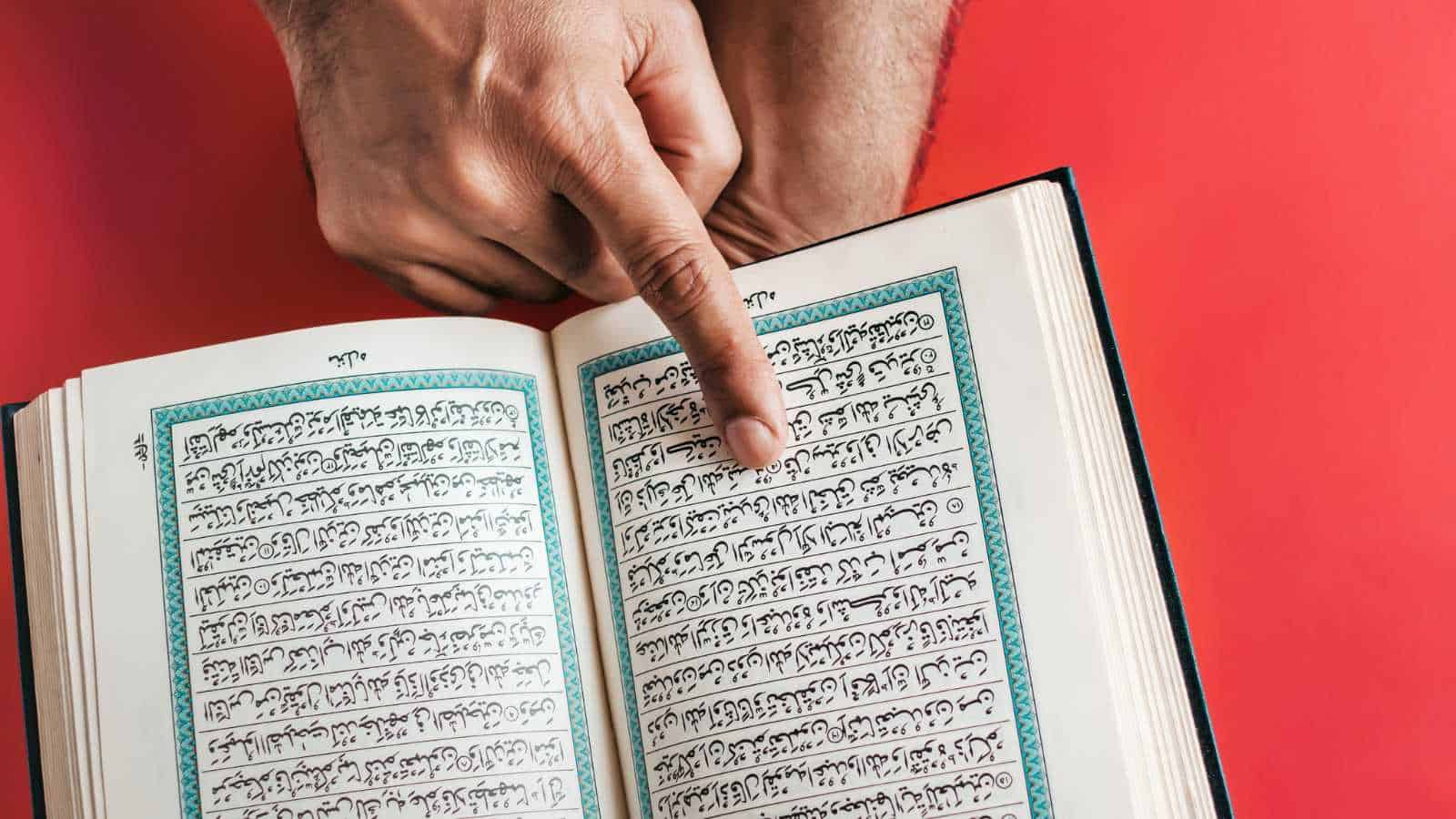
Islamic tradition offers arguably the most sensory-rich descriptions of the afterlife (Jannah), but my personal favorite detail isn’t the rivers of milk or honey; it’s the social calendar. The Prophet Muhammad described a “Friday Market” (Souq al-Jumu’ah) in Paradise where the inhabitants gather weekly. But here’s the kicker: there is no buying or selling.
Instead, a northern wind blows through the gathering, scattering musk on everyone’s faces and clothes. When you return to your family after this excursion, you don’t just look refreshed; you have physically increased in beauty and loveliness. Your family tells you, “By Allah, you have become more beautiful!” and you tell them the same thing. It suggests that eternity isn’t static; it’s a perpetual glow-up where you just keep getting better-looking forever. Sign me up.
Judaism: the supernatural washing machine

Judaism is famously vague about the afterlife because it is hyper-focused on doing good here and now. However, Jewish mystics describe a place called Gehenna (or Gehinom), and trust me, it is not your standard Hell. A popular modern analogy compares it to a “Supernatural Washing Machine”.
When a soul arrives with the stains of negative actions, it needs a deep clean. The heat isn’t punishment for the sake of cruelty; it’s the intense process of removing those stains so the soul can be pristine again. Best of all? It’s usually temporary, capped at 12 months for all but the truly wicked. This is why the Kaddish prayer is recited for only 11 months; you don’t want to imply your mom needs the full cycle!
Hinduism: bureaucracy and the river of sludge
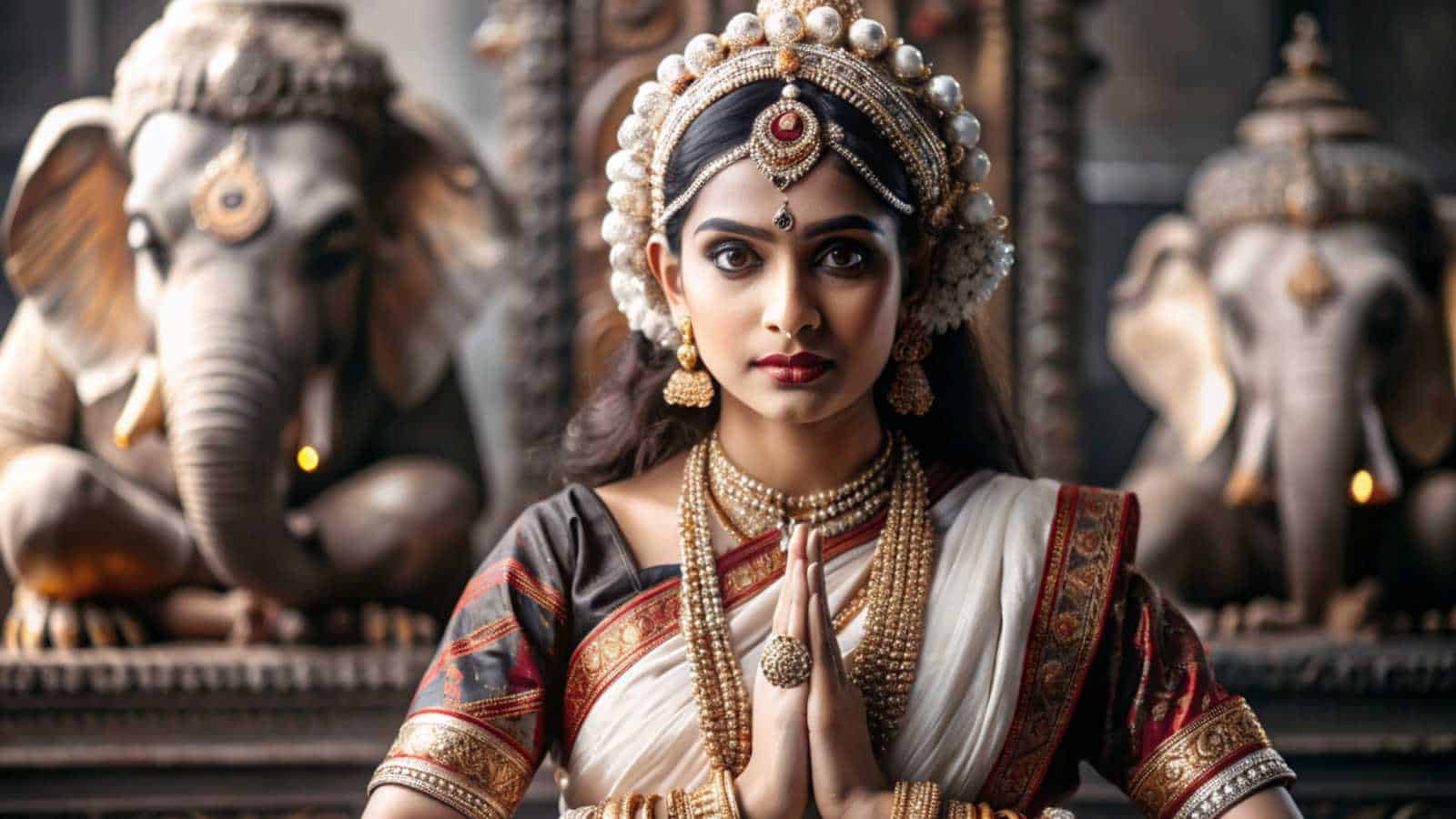
If you think the DMV is bad, wait until you hear about the journey to Yamaloka. In Hindu eschatology, dying is just the start of a massive bureaucratic headache. The soul (Atman) is extracted and has to travel to the court of Lord Yama, the God of Death. To get there, you might have to cross the Vaitarna River, which is composed entirely of blood, pus, and mucus.
Once you arrive, the judgment is hyper-specific. The Garuda Purana lists punishments that fit the crime with terrifying precision. Did you cook animals alive? You might be cooked in oil. Did you rob someone? You get beaten in the dark. It is a strict system of karmic debt repayment that ensures you burn off your “bad credit” before you are issued a new body and sent back to Earth to try again.
Buddhism: the eight cold hells
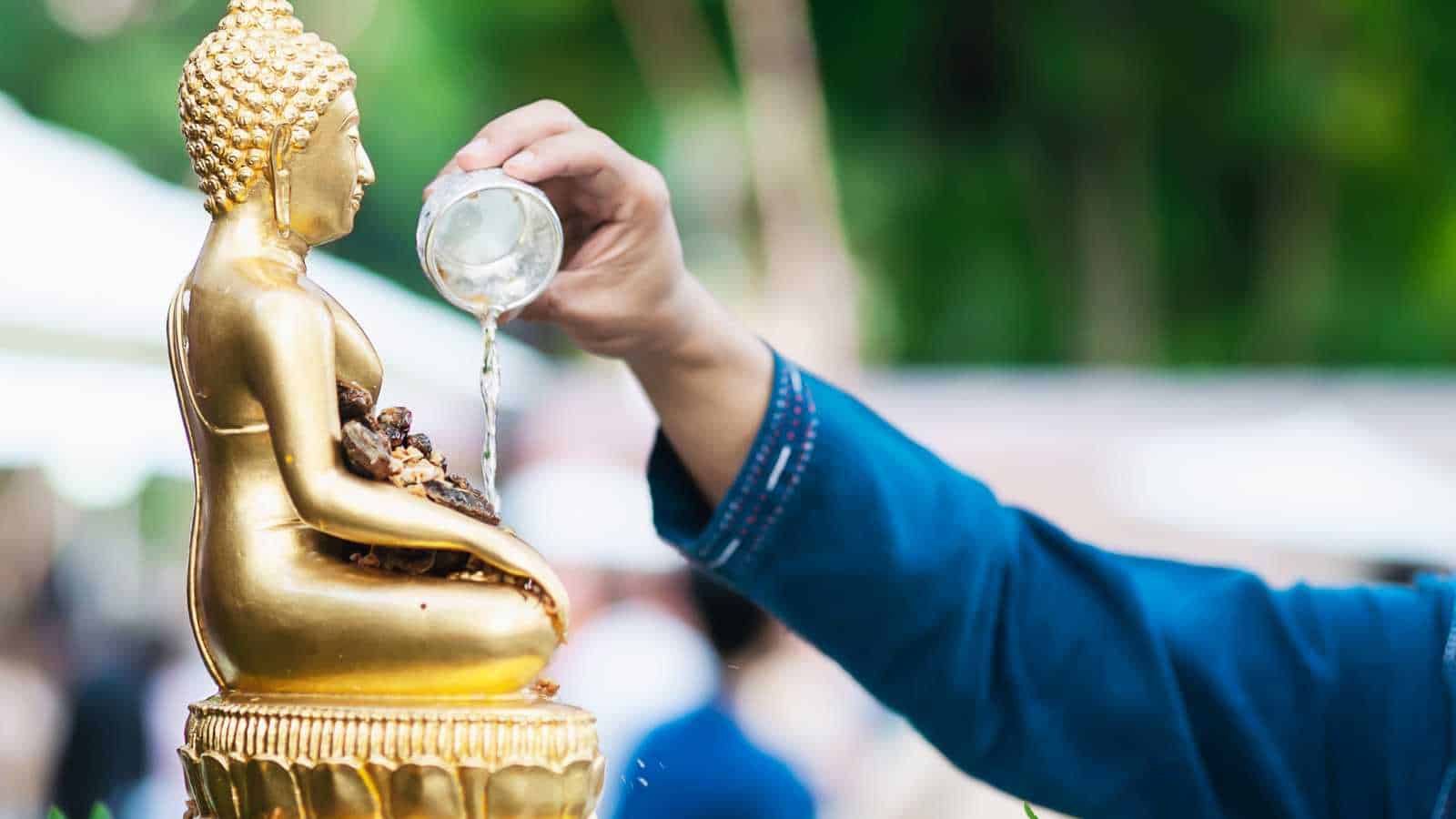
While we usually picture Hell as an inferno, Buddhist cosmology introduces a chilling alternative: the Cold Hells. Located beneath the continent of Jambudvipa, these realms are essentially frozen wastelands where the temperature is torture. The texts get visceral here, one hell is called Arbuda (Blister Hell) because the cold causes skin blisters, while Padma (Lotus Hell) is so freezing that your skin cracks open into flower-like shapes.
Interestingly, a modern “Secular Buddhist” movement, led by thinkers like Stephen Batchelor, interprets these realms metaphorically. They argue these hells aren’t literal places you go after you die, but psychological states you experience right now when you’re consumed by rage or addiction. So, you might be in the Blister Hell every time you scroll Twitter.
Jainism: floating to the cosmic ceiling
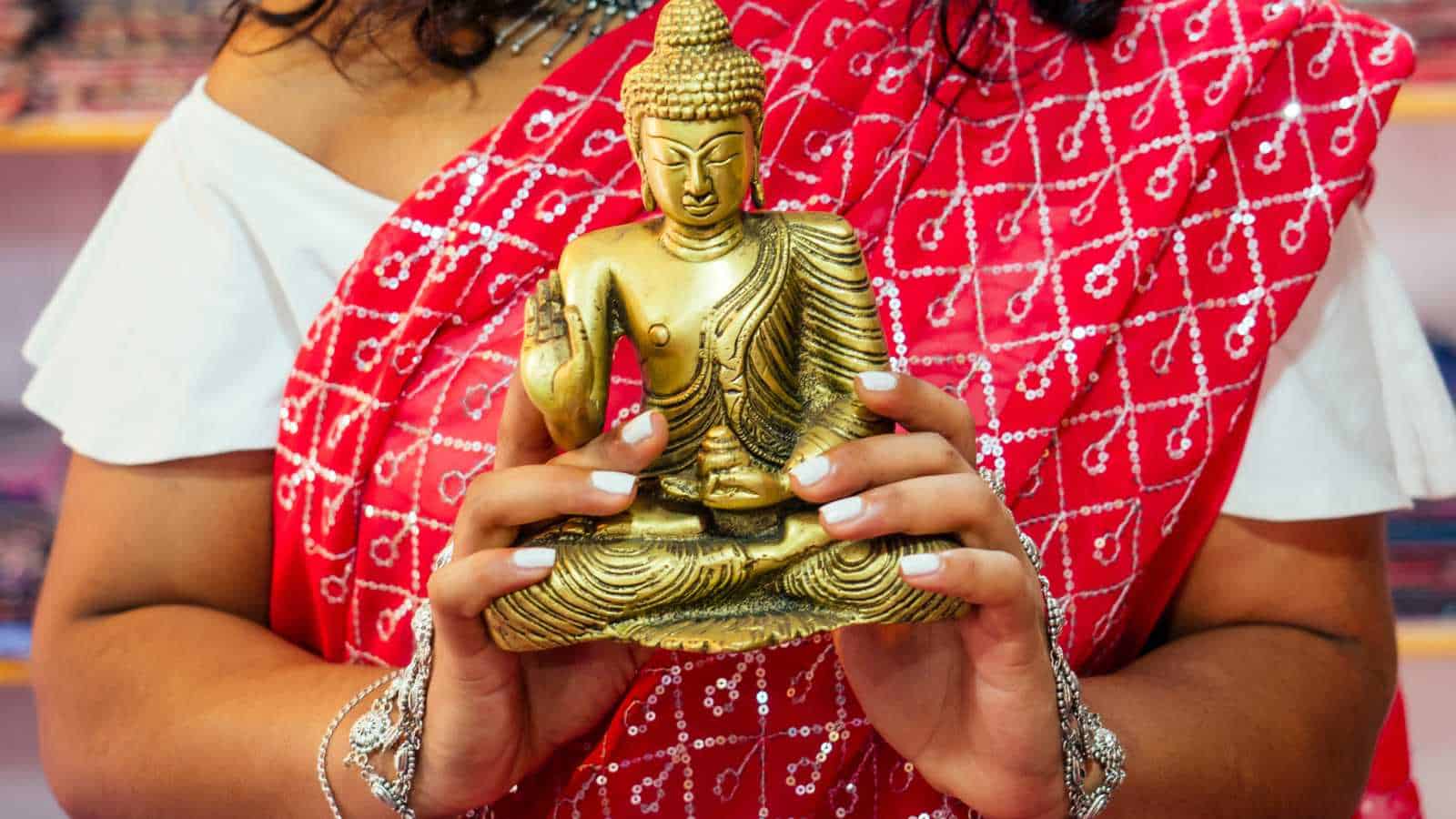
Jainism views karma differently than everyone else, not as a moral law, but as actual physical dust that weighs down the soul. The goal of life is to scrub this dust off through non-violence (Ahimsa) so you become weightless.
The universe is shaped like a giant human (the Cosmic Man), and when a soul is finally purified, it doesn’t merge into a god. Instead, it floats straight up to the very top of the universe, a place called Siddhashila. Imagine a crescent moon at the top of the cosmic forehead. There, liberated souls exist as individuals in omniscience and bliss, forever separate from the drama of the world below. It’s the ultimate VIP section with zero gravity.
Sikhism: the 8.4 million level grind
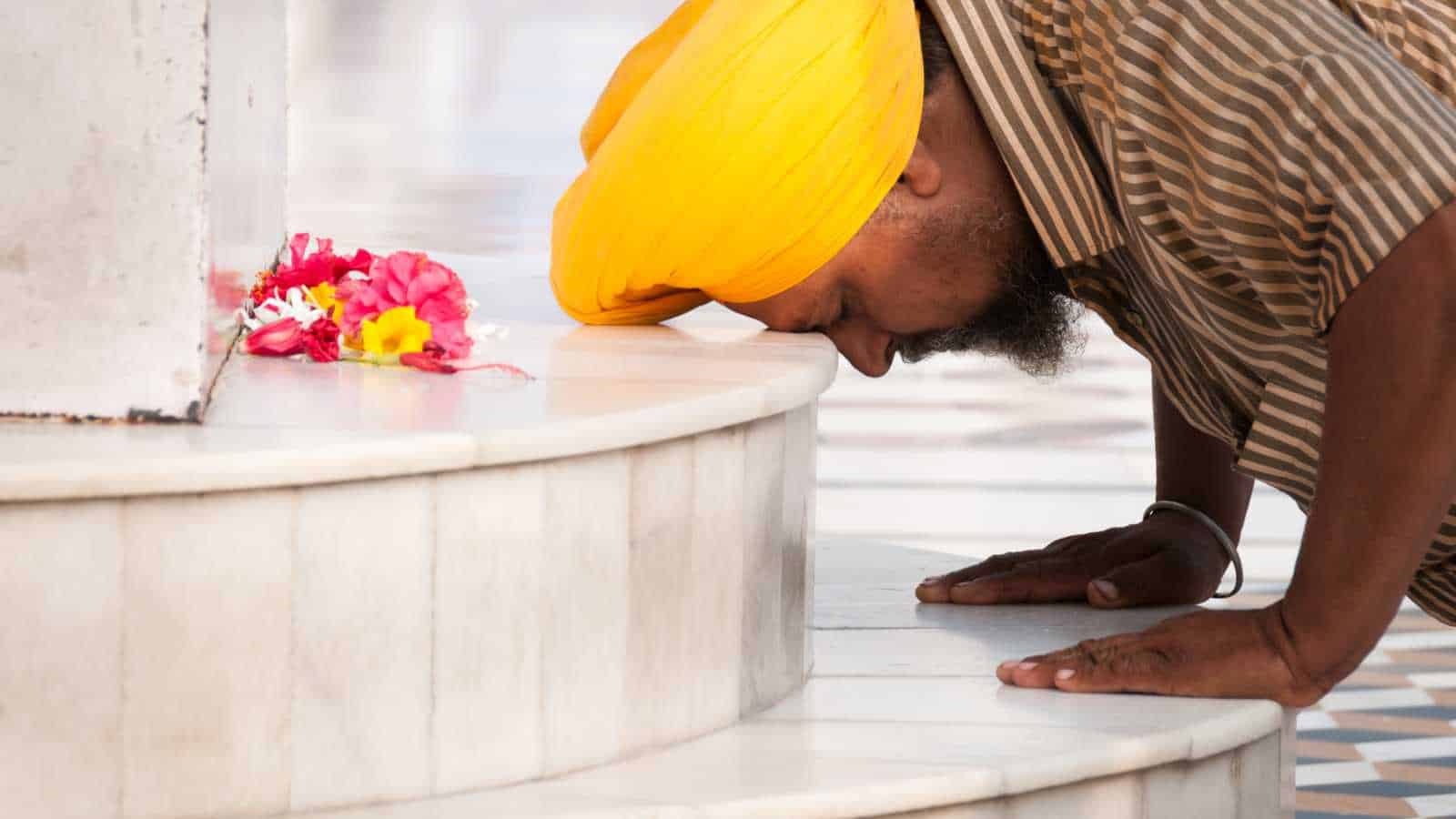
Sikhism treats life like a massive, high-stakes video game. The soul wanders through a cycle called Chaurasi Lakh Joon, which literally means “8.4 million life forms.” You cycle through rocks, plants, and animals before finally unlocking the “Human” level.
Here is the catch: being human is the only “exit ramp” where you can break the cycle and merge with God (Waheguru). If you blow it by being ego-driven, you slide back down the ladder to start the 8.4 million cycle all over again. This strangely aligns with modern science. Did you know that a 2011 study estimated that there are roughly 8.7 million eukaryotic species on Earth? Coincidence? Maybe, but it makes you want to level up while you can.
Zoroastrianism: the bridge and the dog
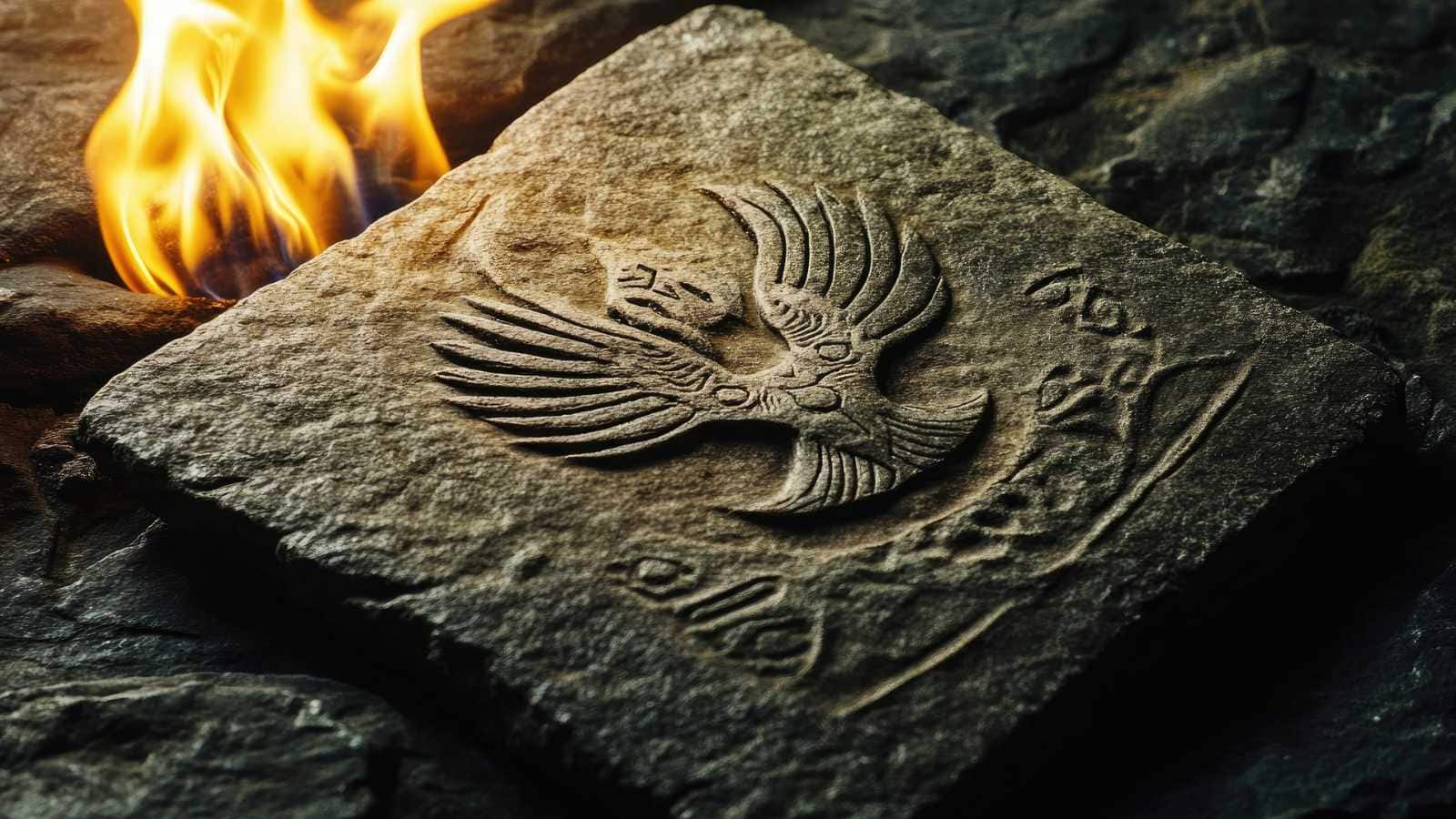
Zoroastrianism, one of the oldest monotheistic faiths, has a serious eco-friendly streak. They believe burying or burning a body pollutes the earth or fire, so they traditionally placed bodies in Towers of Silence to be picked clean by vultures. It’s the ultimate “giving back to nature.”
After death, your soul approaches the Chinvat Bridge. If you were good, the bridge goes wide, and you are met by a beautiful maiden representing your own conscience. If you were bad? The bridge turns sideways, becoming as narrow as a razor’s edge, and you fall into the House of Lies. Also, the bridge is guarded by two four-eyed dogs. So, if you’re a dog person, you’re already halfway to a good afterlife.
Taoism & Chinese Folk Religion: inflation in the afterlife
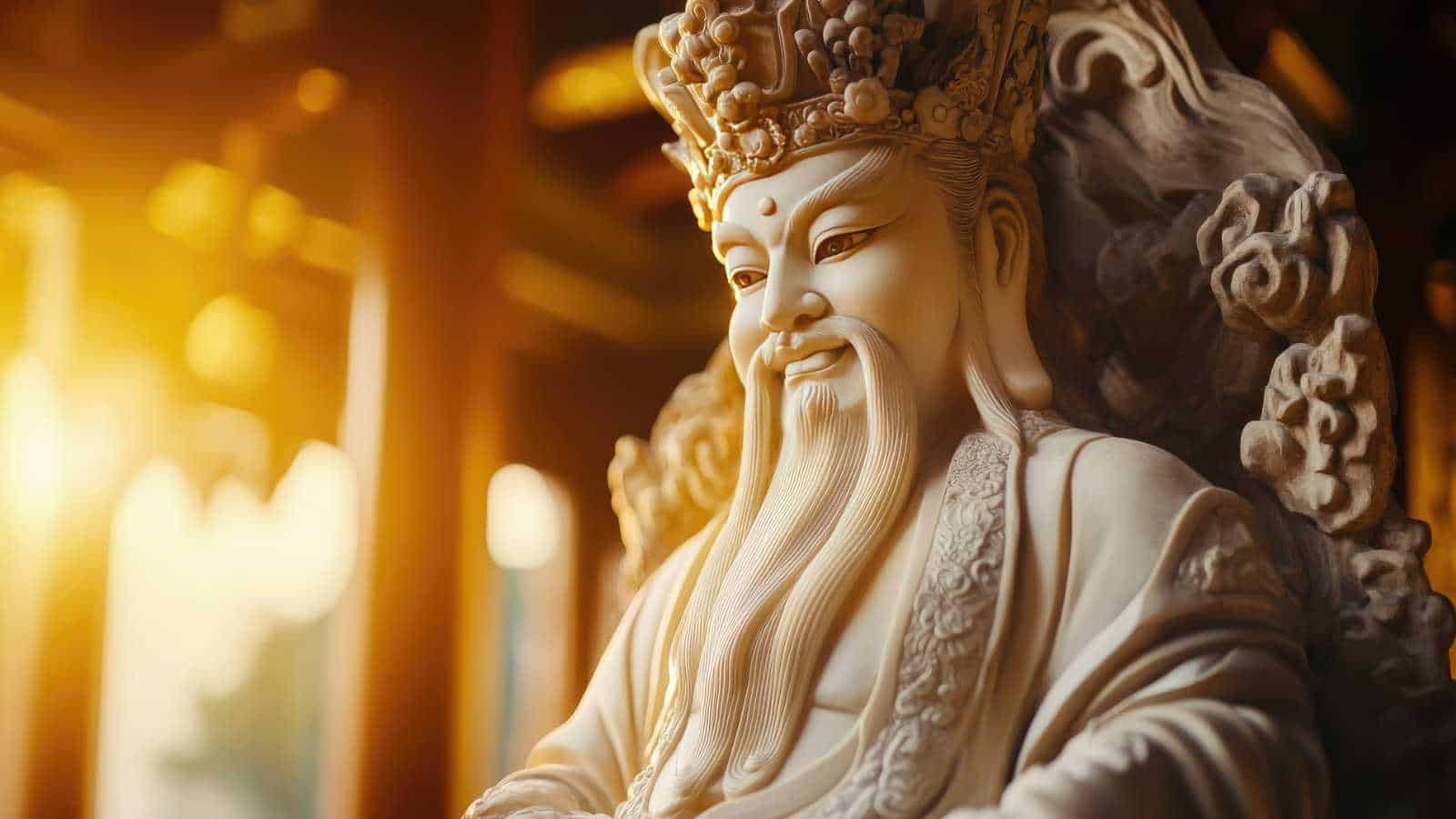
In this tradition, the afterlife is a bureaucratic mirror of the real world, complete with banks, courts, and inflation. Ancestors need cash to bribe the guards of the underworld or buy luxuries, which is why living relatives burn “Hell Bank Notes” (Joss Paper).
Because people want their ancestors to ball out, these notes are printed in denominations of billions of dollars. This has created a sort of hyper-inflation in the spirit world; you can’t just burn a twenty; you need to burn a cool 500 million to buy a cup of tea in the afterlife. It is a transactional relationship: you fund your ancestors’ afterlife, and they use their influence to send you luck. Talk about a family business!
The Baha’i Faith: You are currently a fetus
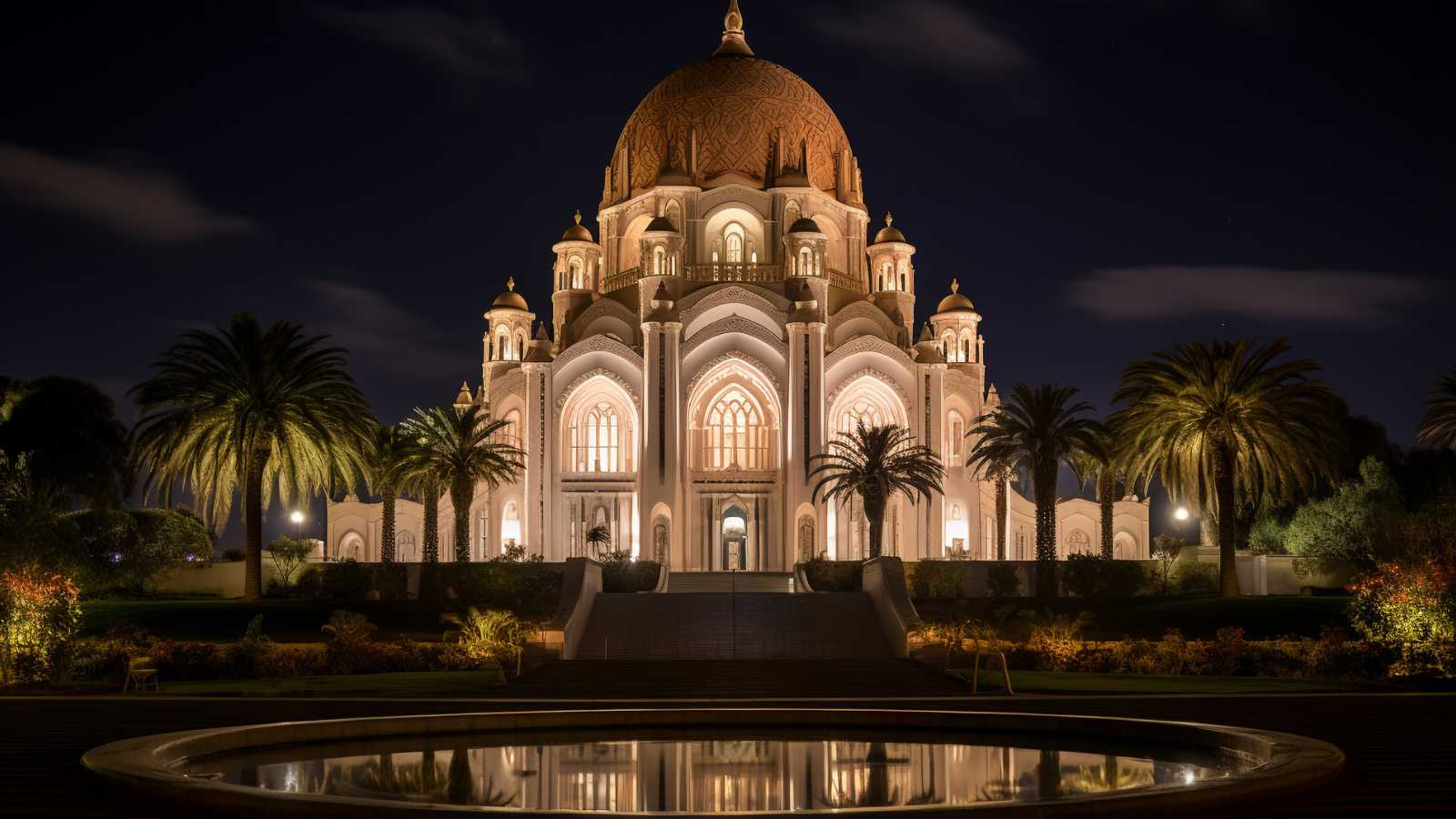
The Baha’i Faith offers my absolute favorite metaphor for death. They view this life as a “womb world.” Just as a fetus grows eyes and lungs in the womb, organs it doesn’t need in the dark, watery environment but will desperately need after birth, we are here to grow “spiritual limbs” like love and kindness.
If you die without developing these virtues, it’s like being born without lungs: you are alive, but you are spiritually handicapped. Death isn’t an end; it’s a birth into a wider, freer universe where those spiritual muscles finally get to stretch. It reframes the whole scary ordeal into a necessary graduation.
Key Takeaway

Here is the bottom line: whether you are scrubbing your soul in a supernatural washing machine, bribing a spirit bureaucrat with a billion-dollar bill, or hoping to high-five a four-eyed dog on a bridge, we are all just trying to make sense of the end.
Sociologist Tony Walter notes that our modern obsession with these narratives, what he calls the “pervasive dead”, shows we aren’t just scared; we are curious and creative. We map the dark so we aren’t afraid of it.
So, live your life like you’re trying to build those spiritual lungs, or at least like you’re trying to avoid the razor-blade bridge. Worst-case scenario? You make this life a little more heavenly while you’re here.
Disclosure: This article was developed with the assistance of AI and was subsequently reviewed, revised, and approved by our editorial team.
20 Odd American Traditions That Confuse the Rest of the World

20 Odd American Traditions That Confuse the Rest of the World
It’s no surprise that cultures worldwide have their own unique customs and traditions, but some of America’s most beloved habits can seem downright strange to outsiders.
Many American traditions may seem odd or even bizarre to people from other countries. Here are twenty of the strangest American traditions that confuse the rest of the world.
20 of the Worst American Tourist Attractions, Ranked in Order

20 of the Worst American Tourist Attractions, Ranked in Order
If you’ve found yourself here, it’s likely because you’re on a noble quest for the worst of the worst—the crème de la crème of the most underwhelming and downright disappointing tourist traps America offers. Maybe you’re looking to avoid common pitfalls, or perhaps just a connoisseur of the hilariously bad.
Whatever the reason, here is a list that’s sure to entertain, if not educate. Hold onto the hats and explore the ranking, in sequential order, of the 20 worst American