Video Gaming finds a new place in mental health treatment
Video games are no longer just pastimes: they’re reshaping mental health care, sparking both hope and concern.
Video games have long been stereotyped as mindless distractions, the domain of teenagers hunched in dark rooms, controllers clutched in hand. But today’s research paints a far more nuanced picture. Games are not only mainstream entertainment; they’re increasingly recognized as tools for stress relief, therapy, and even medical treatment. At the same time, their immersive nature raises questions about addiction, isolation, and mental well-being. The truth lies somewhere in between, and it’s changing the way we think about both gaming and mental health.
Why Games Feel Good
If you’ve ever felt a rush of satisfaction after leveling up, defeating a boss, or finishing a tricky puzzle, you’ve experienced the brain’s reward system at work. Games trigger dopamine, a neurotransmitter associated with pleasure and motivation. That “just one more round” feeling isn’t random; it’s baked into the design.
Psychologists note that structured challenges with clear feedback, like those in games, provide a sense of accomplishment often missing in real life. For many, gaming offers a safe, controlled environment where progress is tangible and rewarding. That sense of mastery can help reduce stress and boost mood, particularly after a long day.
Gaming as Stress Relief
During the COVID-19 pandemic, millions turned to video games for escape and connection. Sales surged, and titles like Animal Crossing: New Horizons became cultural touchstones. It wasn’t just about collecting fruit or decorating virtual houses; it was about soothing anxiety in an uncertain world.
Studies confirm what many players already know: short gaming sessions can lower cortisol levels, the body’s main stress hormone. Games that encourage flow, which is a state of deep focus where time seems to vanish, are particularly effective in calming the mind. Think of puzzle games like Tetris or meditative titles like Journey. They offer immersive experiences that help quiet racing thoughts and reset emotional balance.

Therapy Goes Digital
Beyond stress relief, clinicians are beginning to use video games as therapeutic tools. “Serious games,” designed specifically for health purposes, are now part of mental health treatment. For example:
- EndeavorRx, the first FDA-approved video game therapy, helps children with ADHD improve attention control.
- VR games are being tested to treat phobias, PTSD, and social anxiety by safely exposing patients to triggering scenarios in controlled ways.
- Narrative-driven games like Hellblade: Senua’s Sacrifice, which depicts psychosis, are being praised for raising awareness and offering players a chance to better understand mental illness.
Even mainstream titles are being co-opted into therapy sessions. Some therapists use games like Minecraft to build rapport with young patients or to help them express feelings through creative play.
Building Social Connection
One of the most overlooked benefits of gaming is its role in social connection. Online multiplayer games, from Fortnite to World of Warcraft, allow players to collaborate, compete, and communicate across continents. For many, these communities provide a sense of belonging that may be missing offline.
Research shows that cooperative gaming can increase empathy, teamwork, and communication skills. During periods of social isolation, online games have acted as lifelines, particularly for young people struggling with loneliness. Friendships forged in virtual worlds often spill into real life, creating networks of support and camaraderie.
The Risks of Overuse
Of course, gaming isn’t without its dark side. In 2018, the World Health Organization officially recognized “gaming disorder” as a mental health condition, defined by impaired control over gaming and prioritization of gaming over daily responsibilities.
Excessive play can lead to disrupted sleep, academic decline, and social withdrawal. In some cases, it may serve as a coping mechanism that masks deeper mental health issues such as depression or anxiety. Experts emphasize that it’s not the games themselves that are inherently harmful, but rather how—and how much—they’re used.
Parents, in particular, worry about screen time. While moderate gaming can be healthy, excessive hours in front of a console may crowd out exercise, outdoor play, or face-to-face interactions—all of which are critical for mental well-being.
The Fine Line Between Help and Harm
What makes gaming unique is that the same qualities that provide benefits—immersion, reward loops, online connectivity—can also create risks. A cooperative multiplayer game may help one person feel connected, while another may use it to escape reality in unhealthy ways.
The key, say experts, lies in balance. Just as a glass of wine may relax one person but fuel dependence in another, gaming’s impact depends on individual circumstances, underlying mental health, and usage patterns. Context matters.
Games Designed for Mindfulness
In recent years, developers have embraced the mental health conversation, creating games specifically designed to promote mindfulness and well-being. Titles like Stardew Valley and Kind Words encourage gentle play and positive interaction. Indie studios are leading the charge, showing that games don’t need to be high-stakes shootouts to be compelling.
Mindfulness-based games often focus on slow pacing, soothing music, and low-pressure goals. They invite players to reflect, breathe, and reset; a far cry from the adrenaline rush of competitive shooters. For those seeking calm, they can feel like interactive self-care.
What Science Still Doesn’t Know
While research into gaming and mental health has grown, it’s still relatively young. Many studies show correlations, like reduced stress or improved mood, but causation is harder to pin down. Do games make people happier, or are happier people more likely to play games? Are problem gamers predisposed to addiction, or does gaming itself trigger compulsive behavior? These are questions researchers are still unraveling.
What’s clear is that games are here to stay, and their impact on mental health will only grow as technology advances. VR, AR, and AI-driven games are poised to blur the lines between digital and real even further, raising new opportunities and challenges.
How to Play Smart
For players who want to enjoy the mental health benefits of gaming while avoiding pitfalls, experts suggest a few strategies:
- Set limits. Keep gaming sessions within healthy timeframes.
- Mix activities. Balance gaming with exercise, socializing offline, and outdoor time.
- Choose wisely. Pick games that uplift, relax, or challenge you in positive ways.
- Play with others. Social gaming can provide connection and reduce isolation.
- Reflect on use. Ask yourself if gaming is adding to your life—or taking away from it.
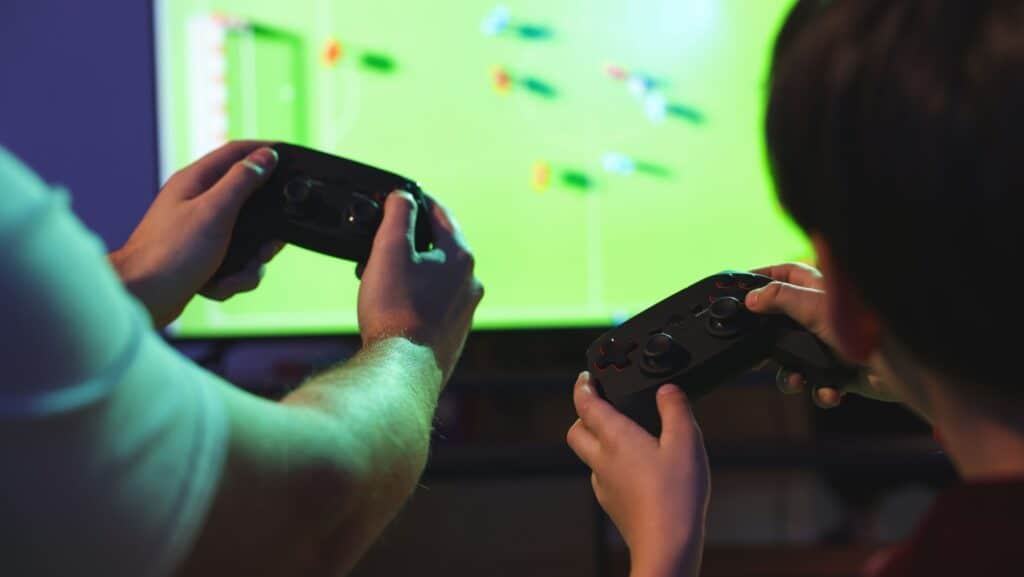
Parents can also help by playing alongside their children, using games as opportunities for bonding rather than points of conflict.
The Takeaway
Video games are no longer fringe entertainment; they’re powerful cultural and psychological forces. They can soothe stress, provide therapy, and connect communities in ways few other mediums can. Yet they can also foster dependency and isolation when left unchecked. Like most things in life, their impact on mental health is complex, personal, and dependent on balance.
What we do know is that games have the potential to be more than playthings. In the right hands, they’re tools of healing, connection, and self-discovery. And as science continues to catch up with technology, one thing is clear: video games may be as much about mental health as they are about high scores.