Voting under pressure: how election rules are quietly reshaping democracy
Election officials are quietly rewriting the playbook, and many of us might not even notice. During the “super-cycle” of 2024, a staggering 3 billion voters were eligible to cast ballots, according to International IDEA. Leaders aren’t just bending the rules; they’re using legal tools to reshape the game in ways that aren’t so obvious.
Steven Levitsky, a Harvard professor of government and co-author of How Democracies Die, frequently warns that modern democracies rarely end with a dramatic, sudden coup. Instead, they often descend into authoritarianism slowly, in plain sight, through a gradual erosion of democratic norms and institutions. What is happening now may not be a bang, but a quiet unraveling one that could change everything.
Restrictive voting laws are surging again

State legislatures are keeping busy with the rulebook. These rules create significant hurdles for voting-age citizens who lack standard ID documents. These barriers prevent eligible Americans from participating in their own government.
The global “elections boom” masks a democracy bust

The world saw a massive “super-cycle” of voting in 2024. International IDEA identified 2024 as a record-breaking year, with more than 1.6 billion people casting ballots worldwide. However, global freedom deteriorated for the 19th straight year in 2024. More elections simply do not guarantee a healthier democracy.
Turnout is high, but trust is fragile

U.S. voters showed up in force for the 2024 presidential election, demonstrating a significant commitment to the democratic process despite a polarized atmosphere. This turnout stands as the second-highest in over a century. Such a surge shows that Americans are willing to wait in line to make their voices heard when they feel the stakes are high.
Election violence and intimidation shape who dares to vote

Safety at the polls is no longer a given in many regions. According to the Freedom House Freedom in the World report, violence was a major theme in 2024, affecting 27 of the 66 countries, over 40% that held national elections.
This coercion distorts representation by scaring voters away from the polls. Intimidation by criminal groups remains a persistent threat to democratic participation globally.
Also on MSN: Hope by design: How cities are planning for children not yet old enough to vote
Legal “tweaks” can add up to democratic backsliding

Small changes to the fine print can have massive consequences. Governments worldwide have been tightening the rules for initiatives and referendums since the mid-20th century. These “tweaks” include raising signature thresholds or shortening timeframes for citizen-driven votes. These legal reforms slowly shrink the space for popular participation.
Freedom scores are falling even where elections continue

Holding an election doesn’t mean a country is actually free. According to the Freedom House 2025 report, the number of countries designated as electoral democracies fell to 106 out of 195, down from 110 the previous year.
Global freedom scores have declined every single year since 2005. Shaken confidence in the process continues to undermine trust, even when formal votes occur.
Quiet changes to registration decide who gets on the rolls

Legislators are quietly transforming voter registration into a complex obstacle course that catches many citizens off guard. Across the country, states are introducing hundreds of bills that fundamentally reshape how people get and stay on the rolls. While some regions work to expand access, many others focus on aggressive “list maintenance” and frequent voter purges.
These administrative shifts often target the most mobile populations, inadvertently sweeping away legitimate voters such as students, renters, and young professionals.
Voter ID rules hit some groups harder

Photo ID requirements are a major sticking point in the 21st century. Based on research from the Brennan Center for Justice, more than 9% of U.S. citizens of voting age, approximately 21.3 million people, do not have easy access to proof of citizenship, such as a passport or birth certificate.
Turnout gaps between white voters and voters of color have widened in several states since 2013. These technical-sounding rules function as modern-day barriers to the ballot box. Minority communities frequently face the steepest climb to meet these new standards.
Democracies are still resilient, but only if the rules stay fair
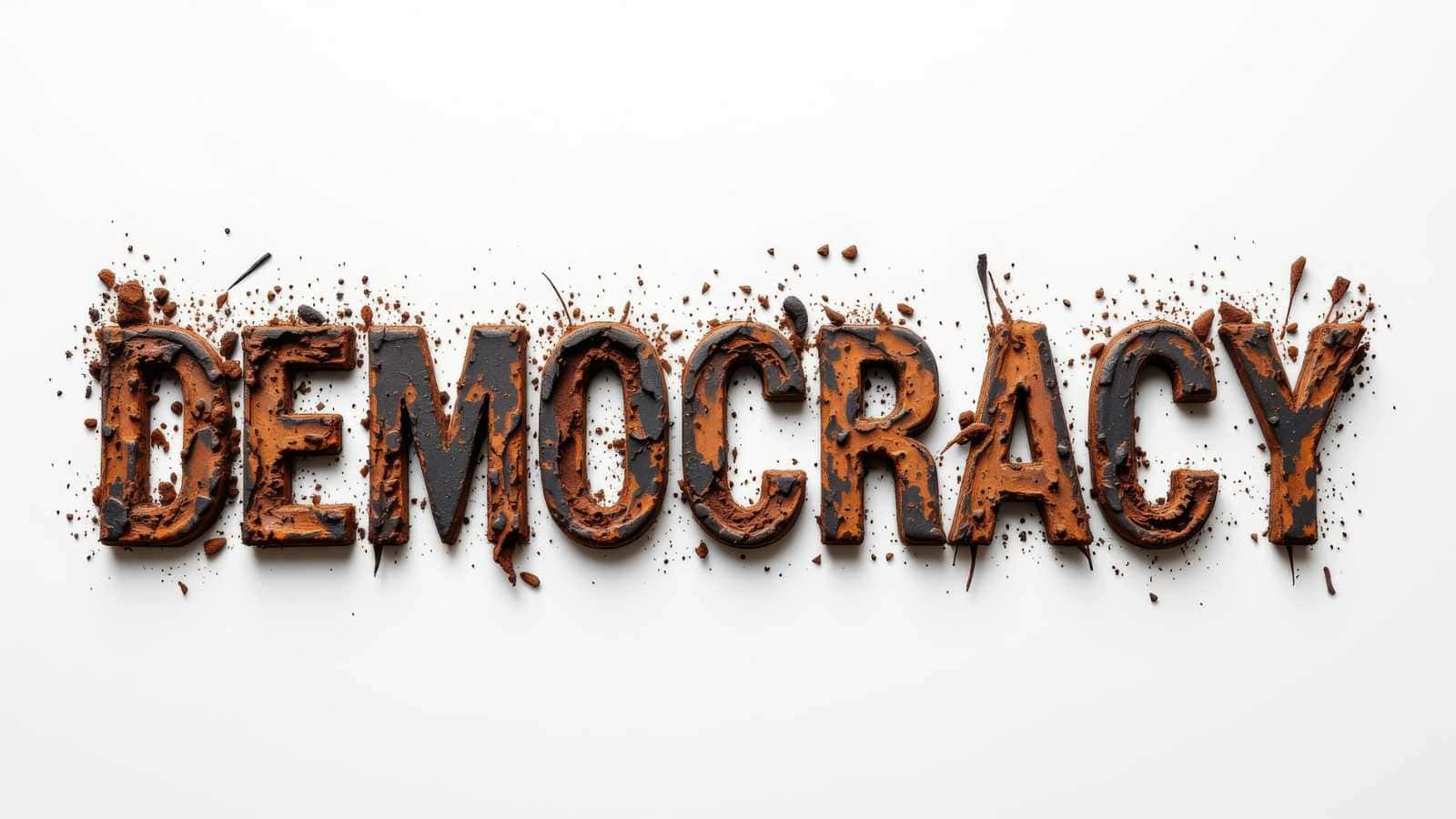
There is still reason for hope if we stay vigilant. Most democracies have not collapsed despite nearly two decades of global decline in freedom. However, this vitality depends entirely on voters’ belief that the system is open and fair. Keeping the rules balanced is the only way to ensure democracy survives the pressure.
Media and information controls skew the campaign environment

The battle for democracy is being fought on our screens. Freedom House’s “Freedom in the World 2025” report confirms a 19th consecutive year of decline in global freedom in 2024, with 60 countries experiencing deterioration in civil liberties and political rights.
In 2024, threats to journalists were most evident in democracies experiencing significant backsliding. Ruling parties often use regulatory pressure and disinformation to manage election coverage. Without independent information, voters cannot make truly informed choices at the ballot box.
Key Takeaway

Global democracy is currently navigating a “super-cycle” of elections shadowed by 19 consecutive years of declining freedom. While voter turnout remains high in places like the U.S., a surge in restrictive laws and aggressive voter roll purges threatens to sideline millions. Proper democratic health requires more than just holding a vote; it demands fair rules, safe polling environments, and an independent media to ensure every voice counts.
Disclosure line:
This article was developed with the assistance of AI and was subsequently reviewed, revised, and approved by our editorial team.
Like our content? Be sure to follow us