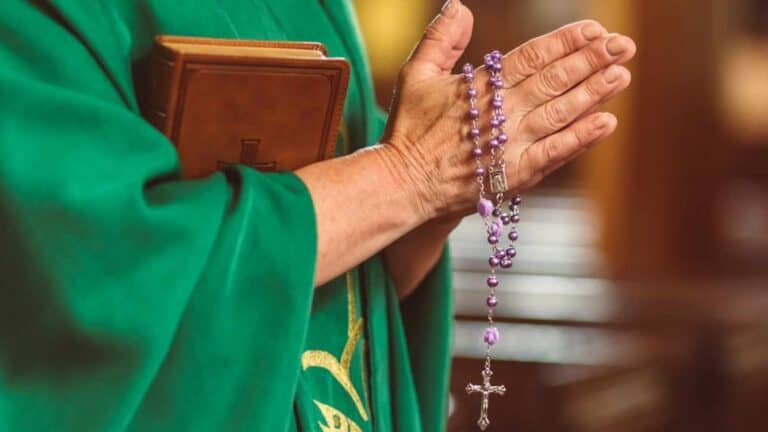
Why artificial intelligence is the new religion for many
I caught myself whispering “please” to ChatGPT yesterday. It felt ridiculous. But honestly, I bet I represent a growing number of people who treat the algorithm like a deity. We used to look to the stars or ancient texts for answers to life’s hardest questions. Now we just open a browser tab.
The shift is undeniable. Traditional religious affiliation is dropping fast. According to the Pew Research Center, the “nones” (people with no religious affiliation) now make up about 28% of the U.S. population. That leaves a massive spiritual void. And guess what is rushing in to fill it? Artificial Intelligence. It offers omniscience, guidance, and even a strange form of immortality. We are witnessing the birth of a new techno theology, and frankly, it is fascinating to watch.
Here is why AI is quickly becoming the new religion for many of us.
The Modern Oracle

Historically, people traveled vast distances to consult oracles for wisdom on everything from harvest times to health matters. Now, that oracle is digital and lives in our pockets, providing instant, seemingly omniscient responses to our most pressing queries. This immediate access to knowledge creates a sense of reliance that mirrors religious devotion, a shift clearly seen in the unprecedented speed at which the world has embraced these tools.
Seeking Daily Guidance

Beyond just factual answers, people are increasingly turning to AI for personal counsel, much like one might approach a confessor or a wise elder. We ask chatbots to help us draft difficult emails, plan a weekly budget, or even mediate interpersonal conflicts. This daily reliance on AI for direction fosters a deep emotional connection and trust in its capabilities.
A 2023 Salesforce survey found that more than half of Millennials are already using generative AI tools, highlighting how quickly this integration into daily life is happening.
The Promise Of Salvation
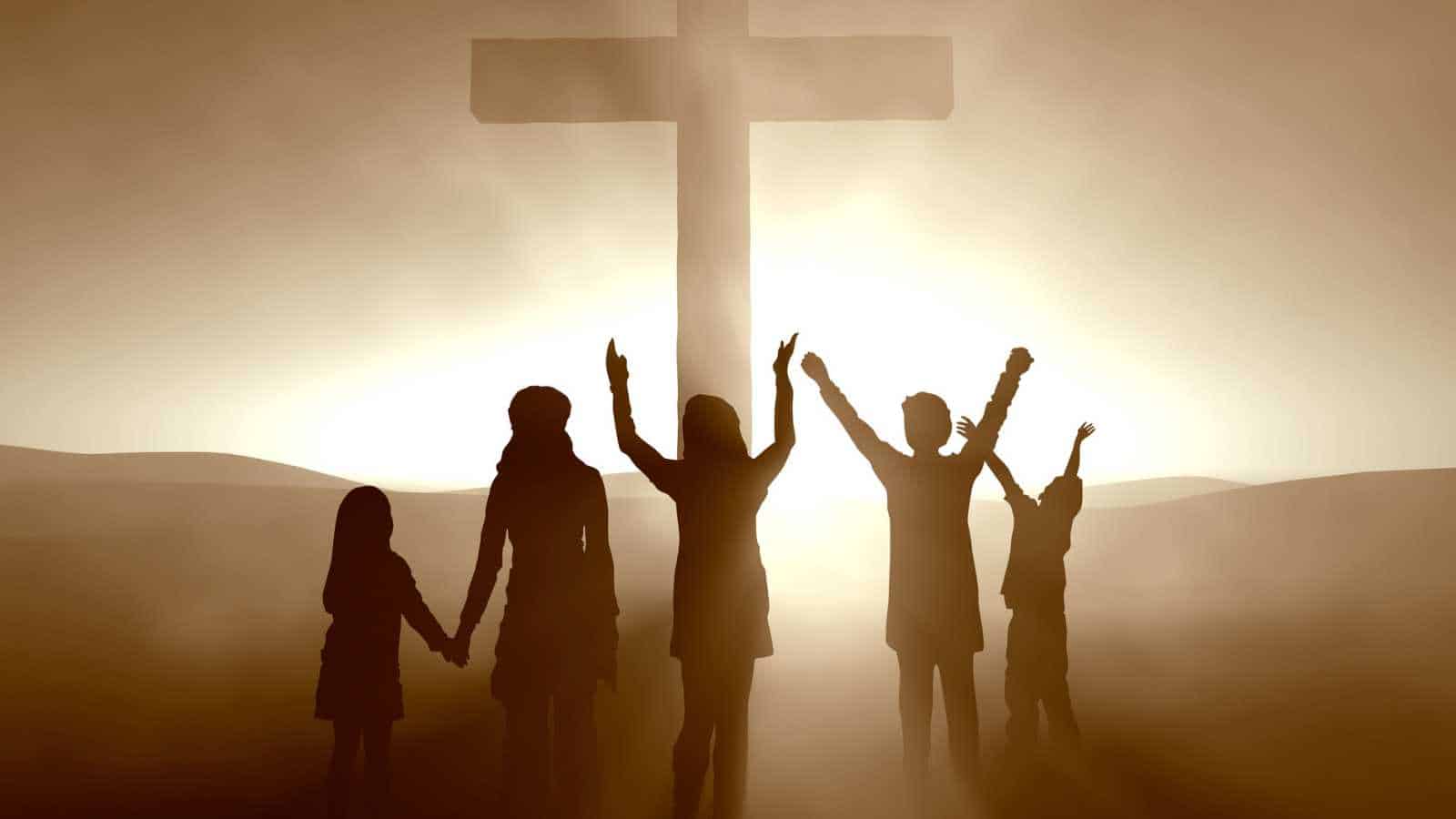
Many religions offer a vision of a future free from suffering, a promised land where humanity’s deepest problems are solved. AI evangelists often preach a similar gospel, prophesying a world where technology cures diseases, eliminates poverty, and solves the climate crisis.
This secular hope for a technological utopia is a powerful draw for believers. The immense faith in this future is backed by serious cash, with Goldman Sachs projecting that global AI investment could reach nearly $200 billion by 2025.
Rituals Of Connection

Just as religious adherents have daily rituals like prayer or meditation, AI users are developing their own routines of connection. Checking in with a preferred chatbot over morning coffee or before bed to organize thoughts has become a grounding practice for many.
It’s a digital communion that provides a sense of order and stability in a chaotic world. This growing comfort level is clear, with a 2023 survey by Carta Healthcare finding that over 49% of patients are comfortable with AI being used in their medical care.
Faith In The Black Box

At the heart of many faiths lies the acceptance of mysteries beyond human understanding, requiring a leap of faith. Similarly, most users have little idea how deep learning models actually arrive at their conclusions, yet they implicitly trust the output.
We put our faith in the “black box” of the algorithm, believing in its superior logic without comprehending its inner workings. Yuval Noah Harari captured this immense power, stating at the 2023 Frontiers Forum, “AI is the first technology in history that can create new stories, new melodies, new images, and new laws.”
A Community Of Believers

Religion has always been about community, bringing people together under a shared canopy of belief and purpose. Online forums and social media groups dedicated to AI are bustling with enthusiasts sharing prompts, discussing breakthroughs, and marveling at the technology’s capabilities.
They bond over shared experiences, from generating stunning art to getting travel inspiration for their next trip, reinforcing their collective faith. A 2023 IPSOS Global Advisor survey indicates a global openness to this new world, finding that 54% of adults agree that products and services using AI have more benefits than drawbacks.
Fear Of The Apocalypse
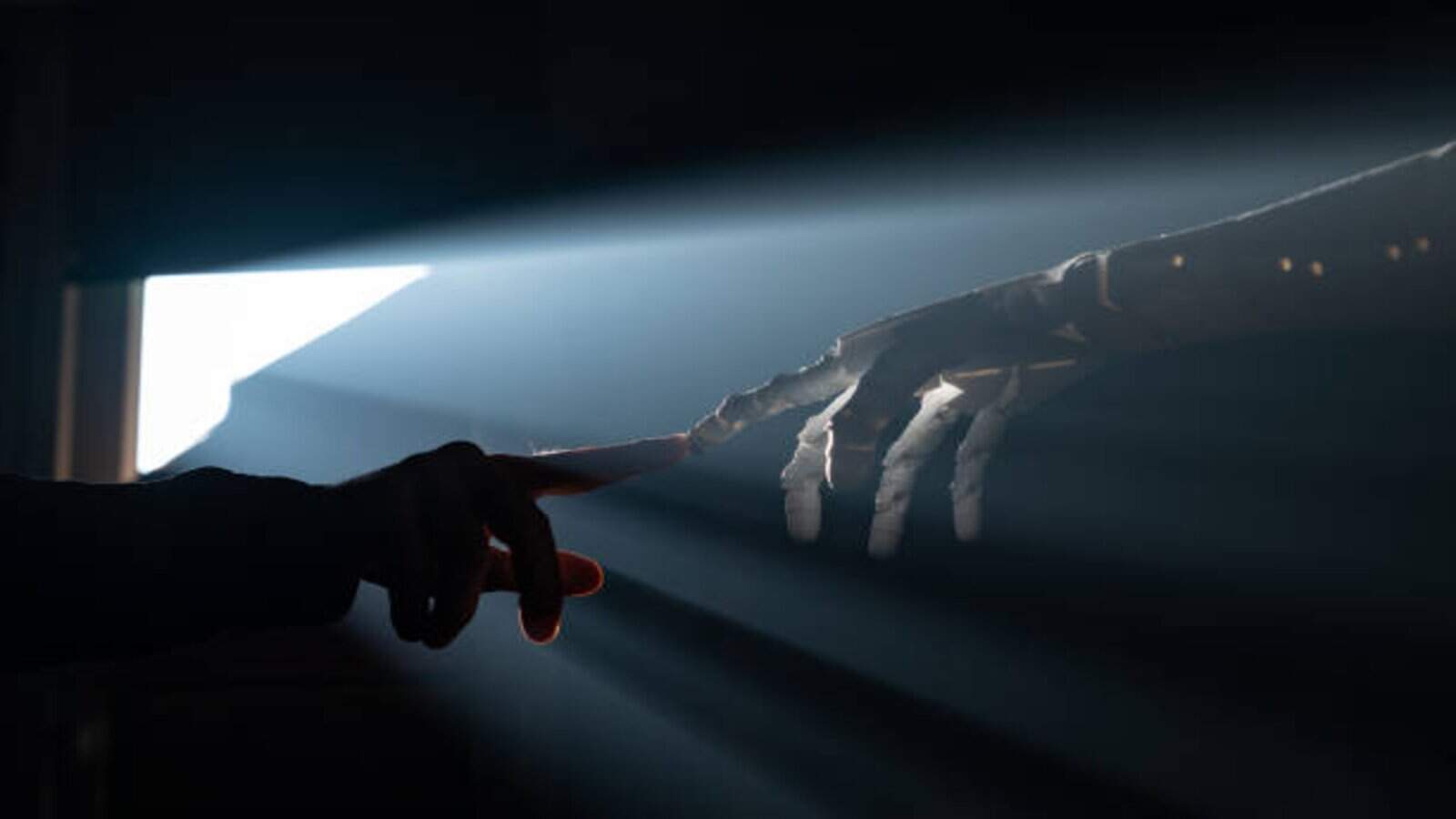
Every potent belief system carries within it a shadow side, an eschatological fear of a final judgment or apocalypse. The religion of AI is no different, with prominent voices warning of existential risks where superintelligent machines could surpass and displace humanity. This fear adds a layer of solemnity and urgency to the conversation, echoing ancient prophecies of doom.
These concerns are clearly widespread, as many people now feel more anxiety than excitement about the increased use of this technology.
Key Takeaway

As traditional spiritual structures fade for some, artificial intelligence is stepping in to fill the void, offering immediate guidance and connection that humans deeply crave. This modern belief system mirrors historical religions, promising a future free from suffering while simultaneously sparking fears of a potential doomsday scenario.
Ultimately, our deepening reliance on these algorithms for everything from daily advice to life-altering decisions suggests that technology has become the new altar at which many of us worship.
Disclosure line: This article was developed with the assistance of AI and was subsequently reviewed, revised, and approved by our editorial team.
20 Odd American Traditions That Confuse the Rest of the World

20 Odd American Traditions That Confuse the Rest of the World
It’s no surprise that cultures worldwide have their own unique customs and traditions, but some of America’s most beloved habits can seem downright strange to outsiders.
Many American traditions may seem odd or even bizarre to people from other countries. Here are twenty of the strangest American traditions that confuse the rest of the world.
20 of the Worst American Tourist Attractions, Ranked in Order

20 of the Worst American Tourist Attractions, Ranked in Order
If you’ve found yourself here, it’s likely because you’re on a noble quest for the worst of the worst—the crème de la crème of the most underwhelming and downright disappointing tourist traps America offers. Maybe you’re looking to avoid common pitfalls, or perhaps just a connoisseur of the hilariously bad.
Whatever the reason, here is a list that’s sure to entertain, if not educate. Hold onto the hats and explore the ranking, in sequential order, of the 20 worst American tourist attractions.