Why Most People Misunderstand What Poverty Looks Like
America, long regarded as the most giving nation and the world’s primary donor, often finds that internal talks of poverty seem not relative to its perceived status.
This image of unlimited abundance was anchored for decades by missions like USAID in Africa: an agency that was dismantled less than a year ago in a historic pivot of American foreign policy.
Yet, in the wake of this global retreat, the domestic reality remains a stark contradiction: in the richest country on Earth, poverty is not an abstract concept for the few, but a daily struggle for the tens of millions who navigate a system of persistent instability that is hidden behind a facade of national wealth.
Poverty in the U.S. is More Common Than You Think
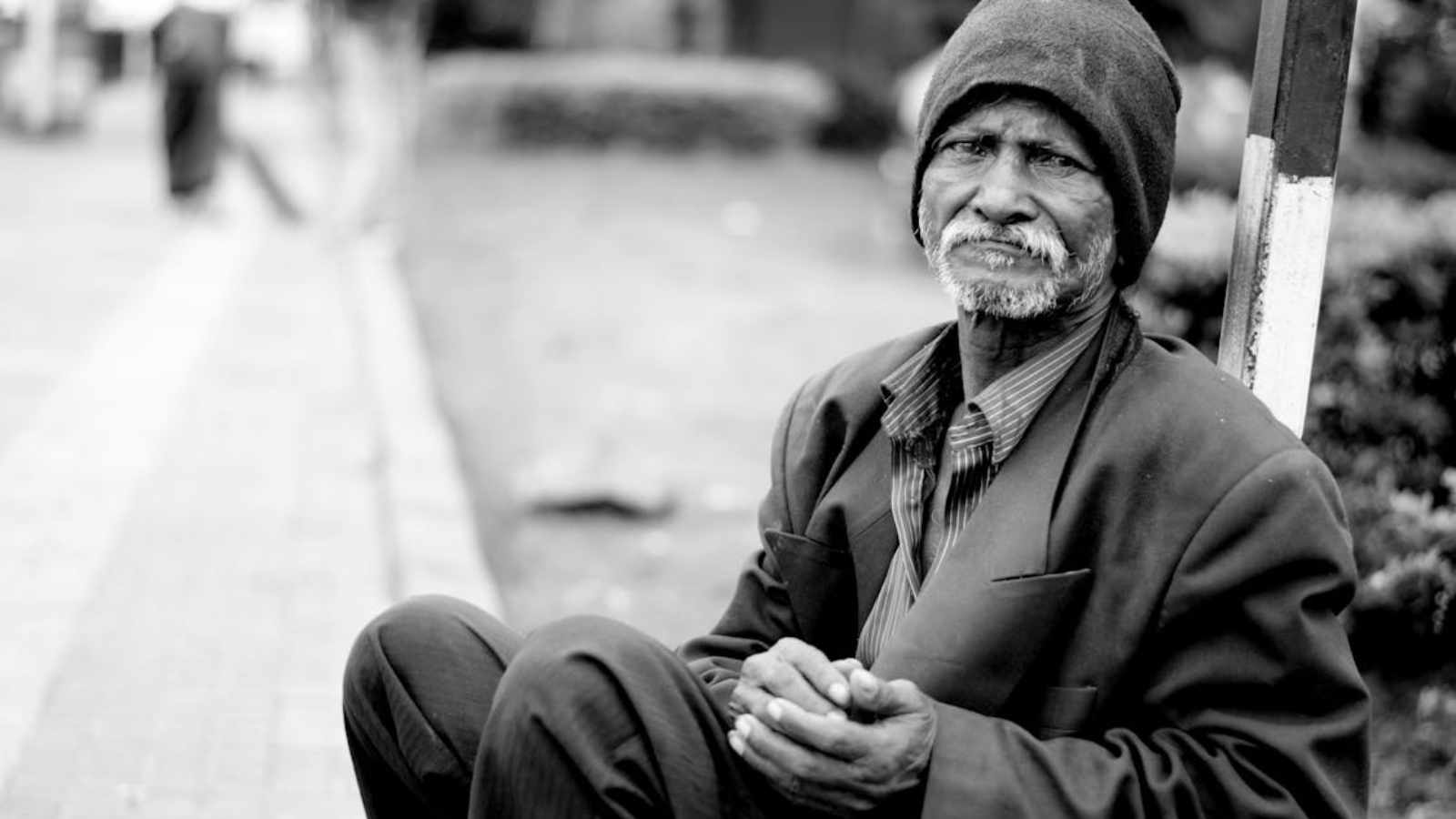
Official figures show that roughly 10.6 percent of Americans lived below the poverty line in 2024, meaning nearly 36 million people were categorized as poor based on income alone. That number includes individuals and families struggling to meet basic costs like food, rent, utilities, and healthcare.
The Census Bureau also uses a Supplemental Poverty Measure (SPM) that incorporates local costs, taxes, and government benefits. Under the SPM, about 12.9% of the population, or roughly 43.7 million people, lived in poverty in 2024.
These numbers may seem abstract on a spreadsheet. But they represent millions of households for whom scarcity is an everyday reality, not a temporary inconvenience.
Over a Third of U.S. Households Experience Food Insecurity
Poverty isn’t only about income figures; it’s about access to life’s essentials. According to data from Feeding America and USDA surveys, in 2023:
- About 13.5 percent of U.S. households (roughly 47 million people) experienced some degree of food insecurity, meaning they lacked reliable access to enough food at some point.
- 5.1 percent of households experienced very low food security, where people regularly cut or skip meals due to lack of resources.
- Nearly 14 million children lived in food‑insecure households.
People Misinterpret Poverty Because They Rely on Visible Stereotypes
A majority of Americans surveyed believe that individual choices, such as work ethic or personal behavior, are the primary reasons people are poor. Yet those same adults also acknowledge that government support is too limited.
This contradiction reflects a deeper misunderstanding: people often see poverty only in its most visible forms, homelessness or extreme destitution, and assume that anything less dramatic must be trivial or self‑inflicted.
But poverty isn’t only about appearance. It’s about day‑to‑day insecurity, tight budgets, trade‑offs between food and medicine, and the mental toll of never feeling financially safe.
Paper checks in the US are nearing obsolescence
Poverty Often Hides Behind Ordinary Facades

Not everyone in poverty looks like a stereotype. Many families classified as poor live in single‑family homes or apartments; many have cars, air conditioning, and basic electronics. These facts are often cited to downplay poverty in the United States.
But this perspective misses the point: owning a few consumer goods does not equate to economic stability. People can have basic appliances and still be unable to afford:
- nutritious food regularly,
- medication or medical care,
- reliable transportation,
- childcare or education fees, or
- savings for emergencies.
Poverty looks like juggling bills, living paycheck to paycheck, and constantly teetering on the brink of crisis, and that reality often looks normal from the outside.
The Poverty Line Is Too Narrow. It Masks Broader Hardship
The official poverty line of about $31,812 for a family of four in 2024 is based on outdated 1960s measures and does not account for modern living expenses like childcare, healthcare, or housing.
That’s why many experts prefer the Supplemental Poverty Measure. Under this measure, poverty is higher, especially in expensive regions or for households with near‑poverty income but high expenses.
In other words, millions of Americans struggle above the official line and yet face the same day‑to‑day trade‑offs that define poverty.
Children Are Disproportionately Affected With Lasting Consequences

While poverty affects all age groups, children are particularly vulnerable. Under the SPM framework, about 13.7 percent of children lived in poverty in 2023, meaning nearly one in every seven American kids struggled with economic insecurity.
Growing up amid food scarcity, unstable housing, or financial stress isn’t just a hardship in the moment; it correlates with lower school performance, higher health risks, and reduced opportunities later in life.
Poverty Is Unequally Distributed Across Communities
Poverty is not evenly spread across regions or demographic groups:
- Black and Hispanic households have significantly higher poverty rates compared to white households.
- Rural and Southern communities tend to face greater hardship than some urban and suburban areas.
- Children and single‑parent households disproportionately bear the burden of poverty.
These patterns reflect decades of structural inequality in access to education, jobs, and economic opportunity.
Income Isn’t the Full Story. Debt and Costs Compound Hardship
Even families above the official poverty line can be in precarious financial positions. Surveys show that many Americans live paycheck to paycheck, meaning any delay in income can trigger a financial crisis. Debt, especially high‑interest credit card debt or medical bills, can turn small shortfalls into long‑term hardship, limiting mobility and future opportunity.
Poverty charges interest through late fees, collections, and credit traps that disproportionately affect lower‑income households.
12 Signs America’s Middle Class Is Disappearing
Public Perception Shapes Policy, And Misunderstanding Hurts Solutions
If most people see poverty as a result of personal choices rather than structural conditions, public policy tends toward punitive or minimal intervention rather than social safety nets and investment.
The cancellation of longstanding measures like the USDA’s annual food security report, a tool used for decades to track hunger, reflects how data politics can further obscure reality. Critics argue that eliminating such reports makes it harder to track and address food insecurity.
Good public policy depends on an accurate understanding. Misperception not only distorts the lived experience of poverty, but it also limits what we are willing to do about it.
Understanding Poverty Requires Seeing It in Everyday Life
Poverty is not just a debate topic, a hot take, or a headline. It’s:
- millions of families struggling every month,
- parents juggling jobs and bills,
- children going to school hungry,
- Households are one emergency away from crisis.
Misunderstanding poverty doesn’t come from lack of information; it comes from interpreting that information through a lens shaped by privilege, visibility bias, and oversimplification.
Key takeaways:
- Poverty is more widespread than official data suggests.
- Visible stereotypes mask the “hidden” reality.
- The official poverty line is outdated.
- Vulnerable groups are disproportionately affected.
- Perception dictates policy.
Disclosure line: This article was written with the assistance of AI and was subsequently reviewed, revised, and approved by our editorial team.
Why investing for retirement is so important for women (and how to do it)

Why investing for retirement is so important for women (and how to do it)
Retirement planning can be challenging, especially for women who face unique obstacles such as the wage gap, caregiving responsibilities, and a longer life expectancy. It’s essential for women to educate themselves on financial literacy and overcome the investing gap to achieve a comfortable and secure retirement. So, let’s talk about why investing for retirement is important for women and how to start on this journey towards financial freedom.