Xbox gets more expensive as Microsoft discontinues 2TB Series X
The next Xbox shock may not come from a boss fight or a surprise game trailer. It may come from the checkout screen. Microsoft announced on June 25 that Xbox console prices will rise worldwide on August 1, 2026, and the jump is hard to shrug off.
Models with 512GB of storage are going up by $100. Models with 1TB are going up by $150. At the same time, Microsoft is “sunsetting” its 2TB model, removing the roomiest Xbox option just as many players are watching their digital libraries grow heavier by the year.
The timing makes the sting sharper. Major releases, including Grand Theft Auto VI on November 19, are already prompting some players to consider upgrades. Now that decision comes with a higher price tag, fewer built-in storage choices, and financing options designed to make the hit feel smaller month by month.
For families, casual players, and loyal Xbox fans, this is no longer just a gaming headline. It is a household-budget story, with the same cost pressure hitting consoles that has already reached laptops, tablets, storage chips, and other consumer devices.
What Microsoft Is Changing
The short version is simple: Xbox hardware will cost more, and the roomiest Xbox Series X option is going away. According to Microsoft’s Xbox Wire update, the company will raise console prices by $100 for 512GB models and $150 for 1TB models beginning August 1.
The Verge reports that the Xbox Series S will start at $499.99 after the increase. The Xbox Series X without a disc drive will start at $749.99, while the disc-drive Series X will cost $799.99. That is a long way from 2020, when the Series S launched at $299, and the Series X launched at $499.
The 2TB Xbox Series X Galaxy Black Special Edition is the piece that makes the change sting for heavier players. Microsoft introduced the 2TB model in 2024 as a higher-storage special edition. It gave players double the storage of the standard Series X in one box. Now that option is being pulled from the lineup just as digital libraries keep getting larger.
Why Microsoft Says Prices Are Rising
Microsoft is not framing this as a premium-console move. The company says the parts market has turned ugly. In its Xbox Wire announcement, Team Xbox wrote: “Unfortunately, console storage and memory prices have increased by more than 2.5x and we expect another doubling by the fall of 2027.”
The company added another detail that matters for consumers: “Unlike phones, computers, speakers, and other consumer devices, consoles are typically not sold at a profit, but instead for less than they cost to make.” That is the old console bargain. The company sells the hardware cheaply and later earns money from games, subscriptions, accessories, and platform spending.
That bargain is under strain. A June 10 Xbox Wire memo from Asha and Matt to Xbox employees was blunt: “We are in a hardware component crisis.” The same memo said storage component costs had already climbed sharply and could reach more than five times what Xbox paid two years earlier by the 2027 holiday season.
The AI Boom Is Now in the Living Room

This is where the story gets bigger than Xbox. Reuters reports that Microsoft is raising Xbox prices as a global component crisis drives up storage and memory costs across consumer electronics. Reuters also reported that groups representing electronics firms, retailers, automakers, and others had warned that rising memory-chip demand could lead to price hikes and supply-chain disruption.
The reason keeps pointing back to AI. Data centers need huge amounts of memory and storage to run AI systems. Reuters reported in May that Nintendo and Sony were also dealing with higher memory prices as the AI boom constrained chip supply.
In that Reuters report, Morningstar analyst Kazunori Ito said Nintendo’s price move suggested the memory-cost rise had become severe enough that it could no longer be absorbed internally.
That is the strange twist for gamers. AI may feel like something happening in corporate server farms far away. But the cost pressure can still show up in a living room, tucked into a higher console price and a smaller set of storage options.
Storage Is Becoming Part of the Real Price
The missing 2TB model matters because storage is no longer a small detail. Modern games can arrive with large downloads, big updates, and high-resolution assets. Xbox Game Pass also encourages players to sample more games, which sounds great until a 512GB or 1TB drive starts feeling crowded.
Microsoft has not confirmed the install size for Grand Theft Auto VI, so it would be unfair to guess. But the broader trend is clear enough for anyone with a full hard drive: today’s game libraries demand space. Reuters reported that Take-Two priced GTA VI at $79.99 and kept its November 19, 2026, launch date. Xbox’s own store lists the game for Xbox Series X|S.
That means some buyers will soon be making several decisions at once: buy before the August price increase, wait for refurbished deals, add storage later, or rely on deleting and reinstalling games. The console price is the only item on the first line of the bill.
Financing May Help, but It Changes the Purchase

Microsoft is trying to soften the shock. Its Xbox Wire update says players will have access to Buy Now, Pay Later options; interest-free financing for up to 12 months through partners; lower-priced previously played consoles through retail partners; and certified refurbished consoles with up to $100 off MSRP.
Those programs can help real people. A parent buying a console for the holidays may prefer a short 0% financing plan to a single painful checkout total. A refurbished Series X can be a smart choice if it comes from a trusted seller with clear warranty terms. Lower upfront cost matters when groceries, rent, insurance, and school expenses already crowd the budget.
But there is a trade-off. Console gaming used to feel like a one-time purchase with a few extras. Now the pitch is starting to look more like consumer electronics financing: monthly payments, refurbished tiers, trade-ins, storage add-ons, subscriptions, and digital purchases. The price on the shelf no longer tells the whole story.
The Series S Value Question Gets Harder
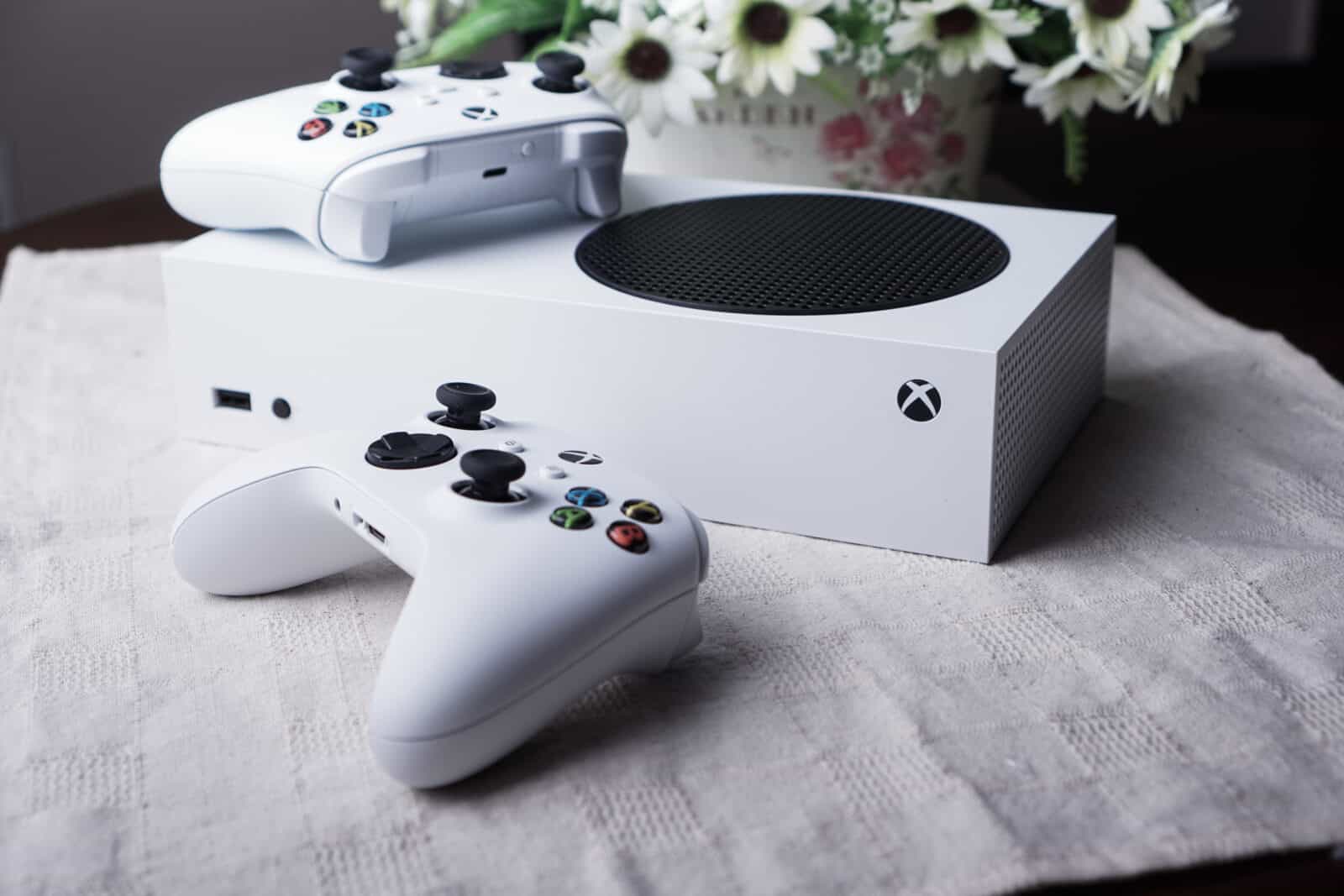
The Series S was supposed to be the friendly entry point. Smaller storage, less power than Series X, lower price. At $299 in 2020, that made sense for many households. At $499.99 after the August increase, the question changes.
A $500 Series S still gets players into the Xbox ecosystem. It still plays current-generation Xbox games. But the value math becomes tighter when storage is limited, and the price now sits where the flagship Series X stood at launch. For a buyer choosing between a new console, used hardware, a handheld, a PC upgrade, or another platform, the “budget Xbox” pitch needs more explaining than it once did.
This is where affordability becomes personal. A longtime Xbox fan may still see Game Pass, backward compatibility, and the Xbox library as worth it. A parent buying for one game may pause. A college student may wait. A casual player may stretch an older console for another year.
Microsoft Has a Case, but Fans Have a Point
Microsoft’s argument is not hard to understand. If storage and memory costs have risen more than 2.5 times, and consoles are sold at thin margins or below cost, the company has less room to absorb those increases. Reuters notes that Sony and Apple have also raised prices due to similar pressure on components.
Fans also have a fair complaint. They are being asked to pay more while losing the cleanest high-storage option. The 2TB model may have been a special edition, but its disappearance still feels poorly timed. Digital games are getting larger. Premium games are getting more expensive. Hardware is getting pricier. The old promise of console gaming, simple, affordable, plug-and-play fun, feels less simple.
Both things can be true. Microsoft may be facing a real parts crisis. Consumers may still feel squeezed.
What Buyers Should Do Before August
For anyone already planning to buy an Xbox, the next few weeks matter. Current inventory and retailer discounts may be worth checking before August 1. The Verge has already noted discounted Xbox deals ahead of the price jump, and Microsoft’s own announcement points buyers toward refurbished, financing, and previously played options.
The practical move is to price the whole setup, not just the console. Add the console, the games, the storage you may need, Game Pass if you use it, a second controller if needed, and any financing terms. A $499.99 starting price can rise significantly once real-world gaming habits are factored in.
For light players, a smaller model may still be fine. For Game Pass explorers or players who keep several large titles installed, storage planning matters more. For families, refurbished hardware may be the quiet winner if warranty and return terms are clear.
The Xbox box may still sit neatly under the TV. But the real cost now stretches across the shelf: the console, storage, subscription, game price, and maybe a payment plan, too. The new Xbox Math is not just about playing. It is about knowing what the full bill looks like before the download begins.
Disclaimer – This list is solely the author’s opinion based on research and publicly available information. It is not intended to be professional advice.
Like our content? Be sure to follow us