10 exotic animals you can legally own as pets
If a golden retriever feels a little too ordinary, you might be surprised by which wild companions you can legally bring home.
Owning a pet in the United States has evolved far beyond the traditional choice of cats and dogs, with many people now looking for companionship in the wilder side of the animal kingdom. While you might think these creatures belong in a zoo or a distant rainforest, it is actually quite possible to bring some of them into your home legally. State laws vary wildly across the country, so you have to check your local regulations before committing.
The appeal of exotic pets comes from their striking appearances and fascinating behaviors that differ so sharply from the average golden retriever or tabby cat. Caring for these unique animals requires patience and specialized knowledge, but the reward is a bond with nature that few get to experience firsthand. However, you must be ready for the responsibility, as these animals often have very specific dietary and environmental needs. Let’s dive into the fascinating options available to American pet lovers right now.
Fennec Fox
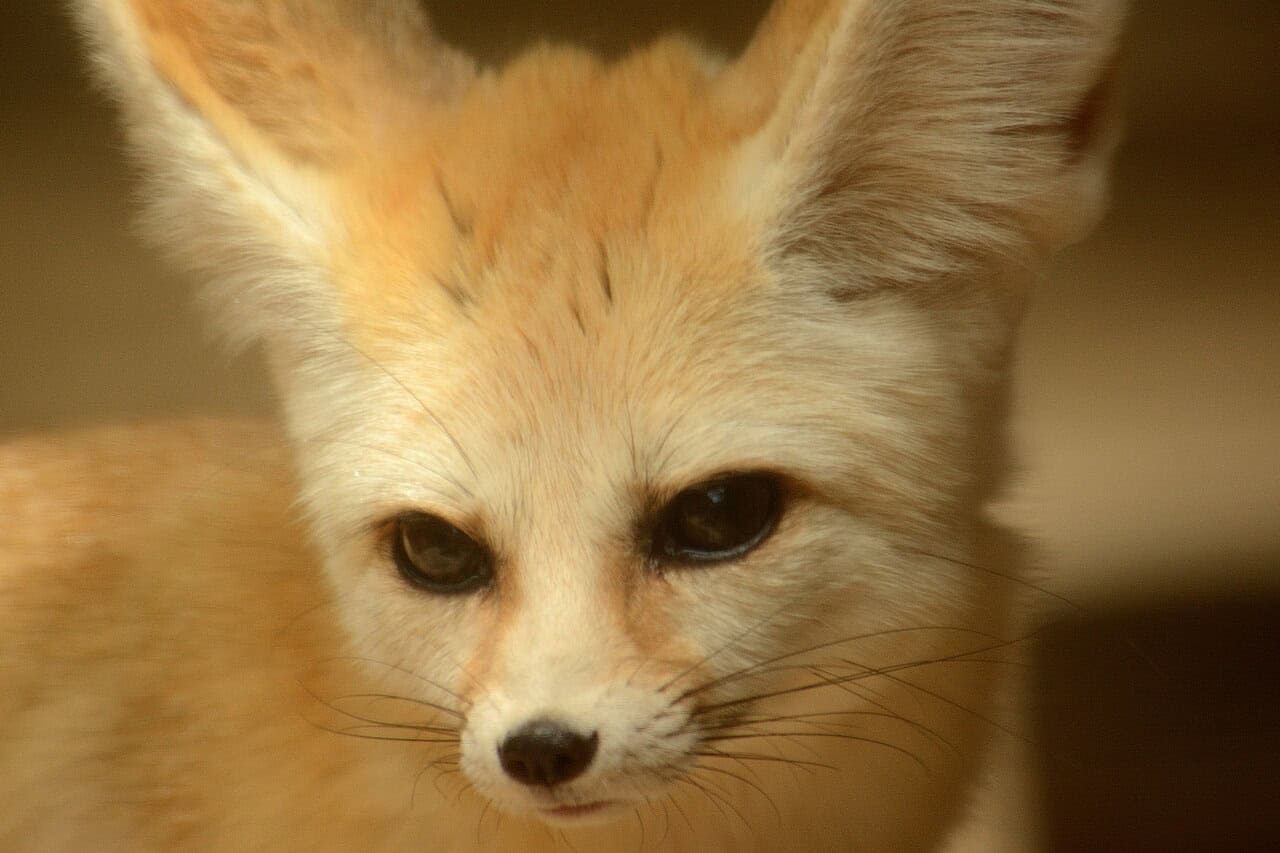
These tiny foxes are famous for their oversized ears and boundless energy, making them one of the most sought-after exotic pets in the nation. They are naturally desert animals, which means they love digging and staying warm, so you will need to provide plenty of sand or soft bedding. A recent check on breeder prices shows that Fennec foxes can cost between $3,500 and $4,000.
Despite their wild ancestry, Fennec foxes can be surprisingly affectionate with their owners if they are socialized from a young age. They behave a bit like a mix between a cat and a dog, often playing fetch but also enjoying their independence when the mood strikes. You should know that they are nocturnal, so be prepared for some energetic play sessions while you are trying to sleep.
Axolotl
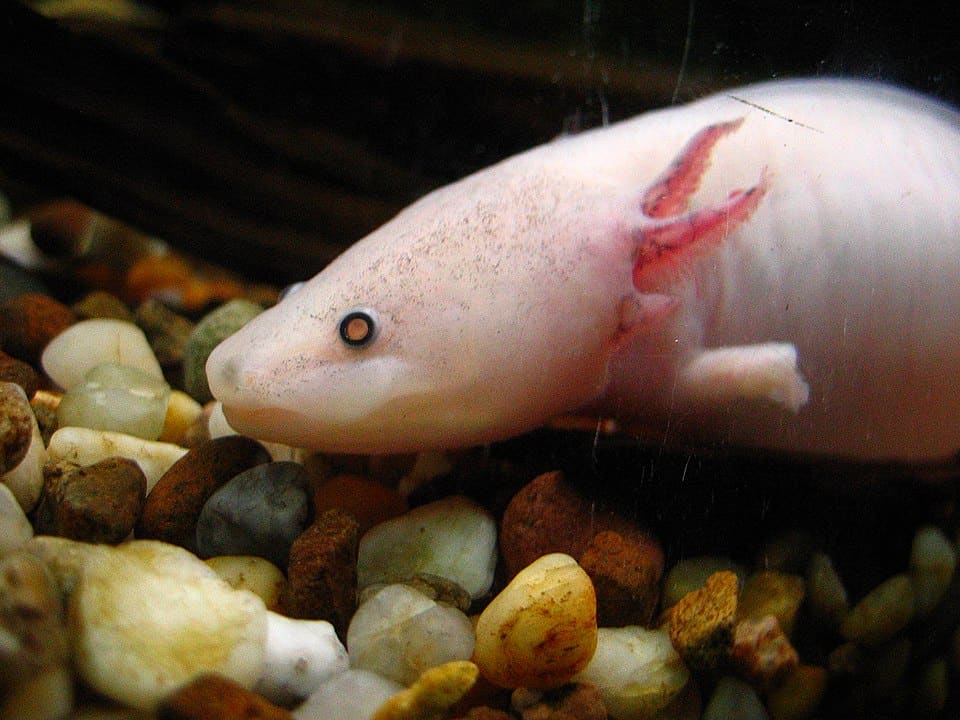
The Axolotl is a purely aquatic salamander that has won hearts worldwide with its permanent smile and feathery external gills. These creatures are entirely water-bound, meaning you will need a high-quality tank setup with cool water to keep them healthy and happy. Interestingly, Axolotls are illegal to own in California, Maine, New Jersey, and D.C., so check your local laws first.
They are relatively low-maintenance compared to other exotics, but they do require very clean water to prevent infection in their sensitive skin. You can feed them a diet of worms and specialized pellets, watching them snap up food with surprising speed. Their ability to regenerate lost limbs is a biological marvel that continues to fascinate scientists and pet owners alike.
Bearded Dragon
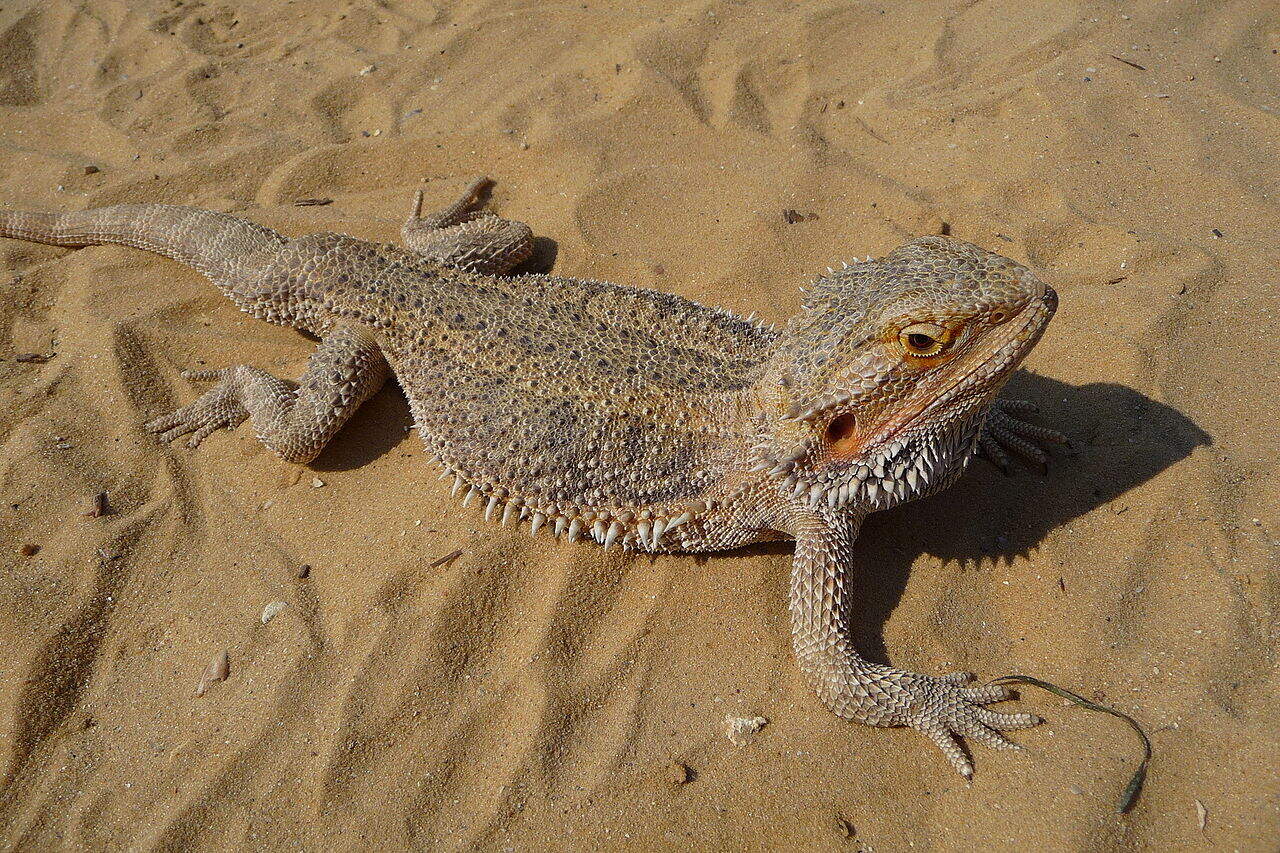
Bearded Dragons are often called the “golden retrievers” of the reptile world because of their calm demeanor and willingness to be handled. They require a warm habitat with basking lights to mimic the Australian outback, along with a diet of insects and leafy greens. Data from PetFood Industry indicates that reptile ownership has stayed steady at 6 million households, with these lizards leading the charge.
These lizards are known for their communication skills, often waving their arms or bobbing their heads to signal submission or dominance to others. They are sturdy creatures that tolerate handling well, making them an excellent choice for first-time reptile owners. You will find that they have distinct personalities and often enjoy hanging out on their owner’s shoulder.
Sugar Glider
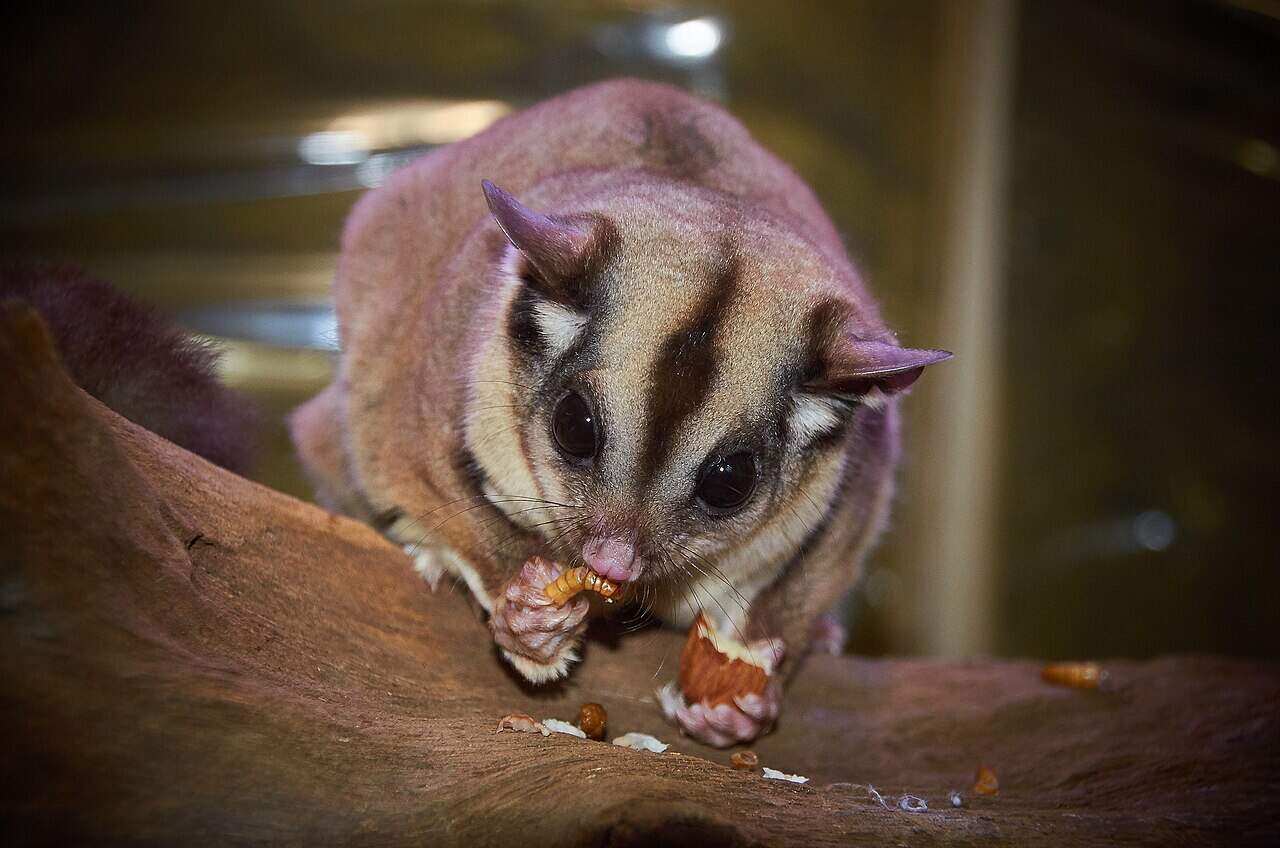
Sugar Gliders are small marsupials that possess a membrane stretching from their wrists to their ankles, allowing them to glide through the air. They are incredibly social animals that bond closely with their human families, often curling up in a pocket or hood for a nap. Because they are so social, it is highly recommended to keep them in pairs so they do not get lonely.
Their diet is complex, requiring a precise mix of fruits, vegetables, and protein to prevent health issues like calcium deficiency. You will need a tall cage with plenty of branches and toys to keep them entertained during their active night hours. Over 17.6 million exotic pets are currently owned across 9 million American households, and these gliders make up a significant portion.
African Pygmy Hedgehog
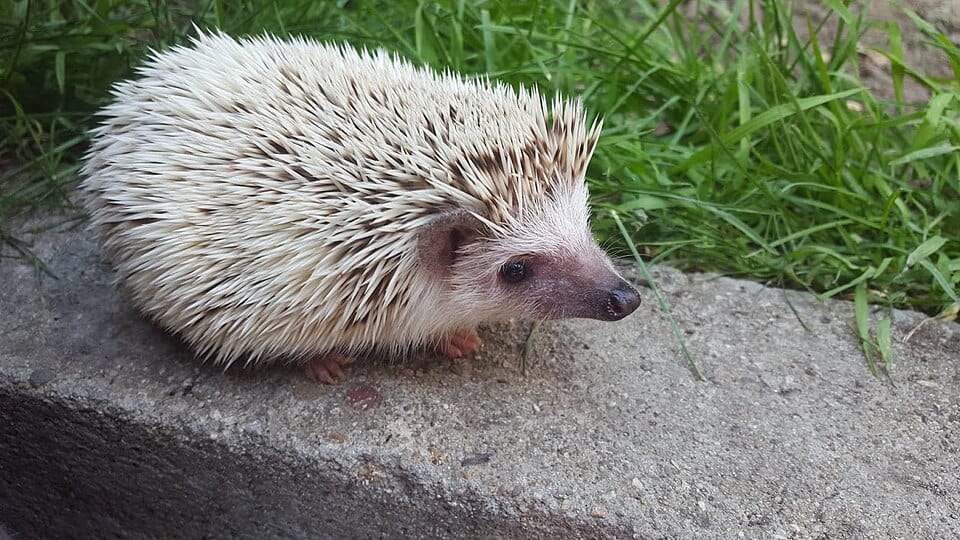
The African Pygmy Hedgehog is a solitary and quiet pet that has become increasingly popular for people living in smaller apartments. They are covered in prickly quills but have a soft, furry belly that they will expose once they trust you completely. You must handle them gently and frequently to ensure they remain tame and comfortable with human interaction.
They are insectivores by nature, so their diet consists mainly of high-quality cat food supplemented with mealworms or crickets. Since they are prone to obesity, you will need to provide an exercise wheel to keep them active during the night. These little guys are nocturnal, so do not be surprised if they sleep all day and party all night.
Ball Python
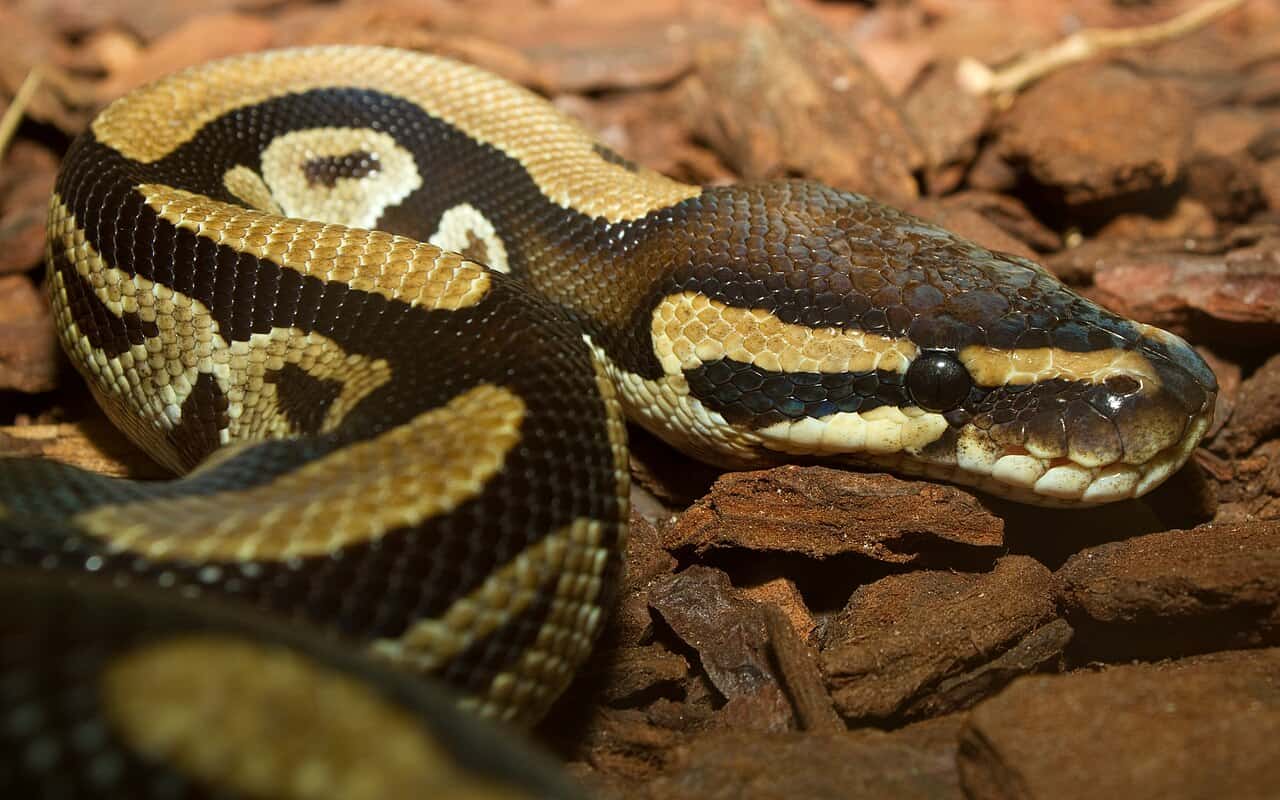
Ball Pythons are docile snakes that get their name from their tendency to curl into a tight ball when they feel threatened or shy. They are heavily bred in captivity, resulting in hundreds of stunning color patterns and morphs that appeal to collectors. These snakes typically live around 30 years in captivity, so getting one is a long-term commitment.
They are ambush predators that do not require a massive amount of space, though a secure tank with proper humidity is non-negotiable. You only need to feed them a thawed rodent once every week or two, making them very easy to care for schedule-wise. Their calm temperament makes them one of the safest and most popular snakes for handling.
Capybara
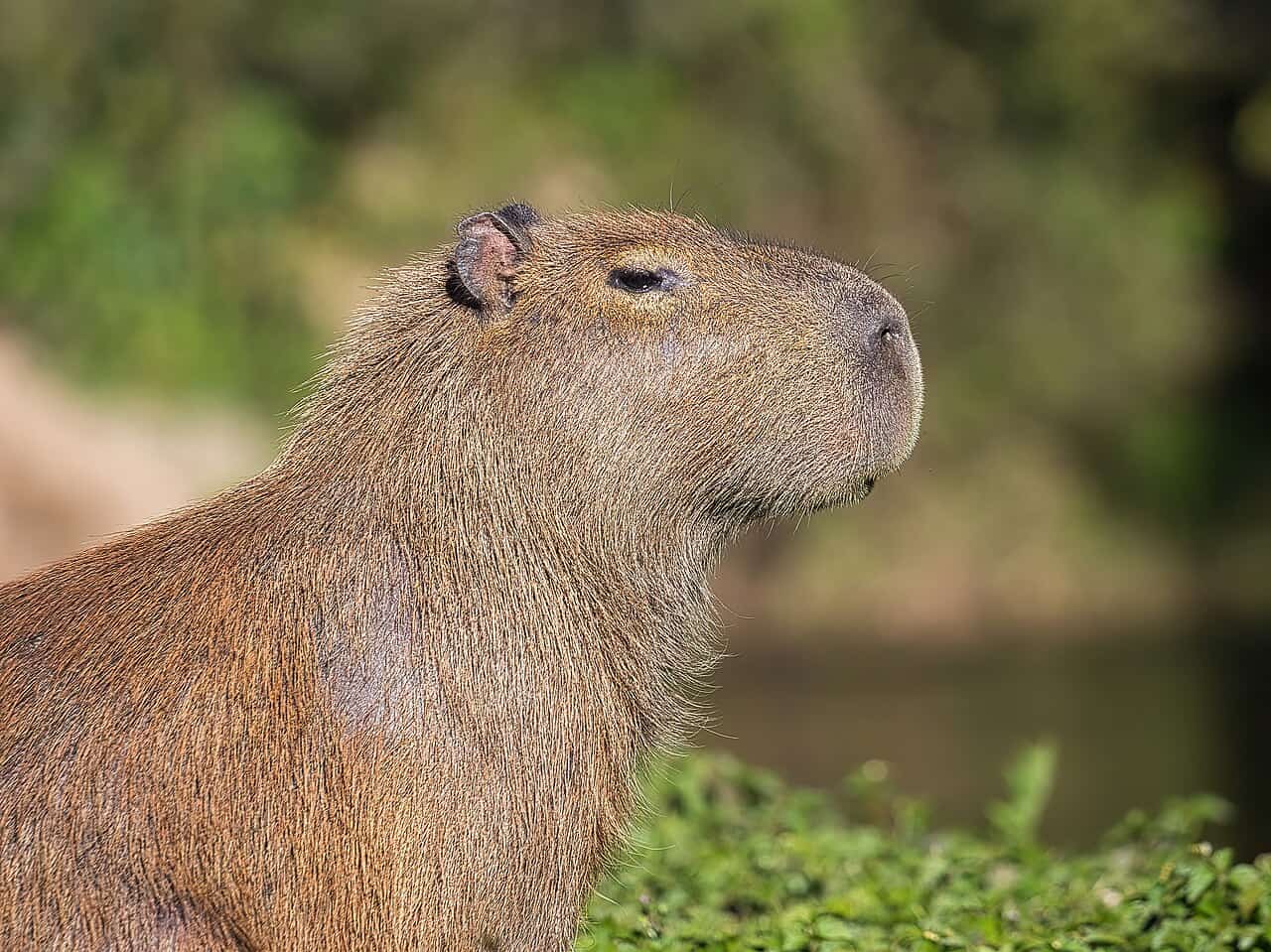
The Capybara holds the title of the world’s largest rodent and looks essentially like a giant, chill guinea pig. They are semi-aquatic animals that require access to a pool of water for swimming, which helps keep their dry skin healthy. It is crucial to note that they are herd animals, so they do best when living with other Capybaras or even dogs.
Owning a Capybara is a major commitment because they can weigh as much as an adult human and require a lot of outdoor space. They are famous for their incredibly chill attitude and ability to get along with almost any other animal species. You will need a solid fence, as these clever rodents are surprisingly good at finding ways to wander off.
Wallaby
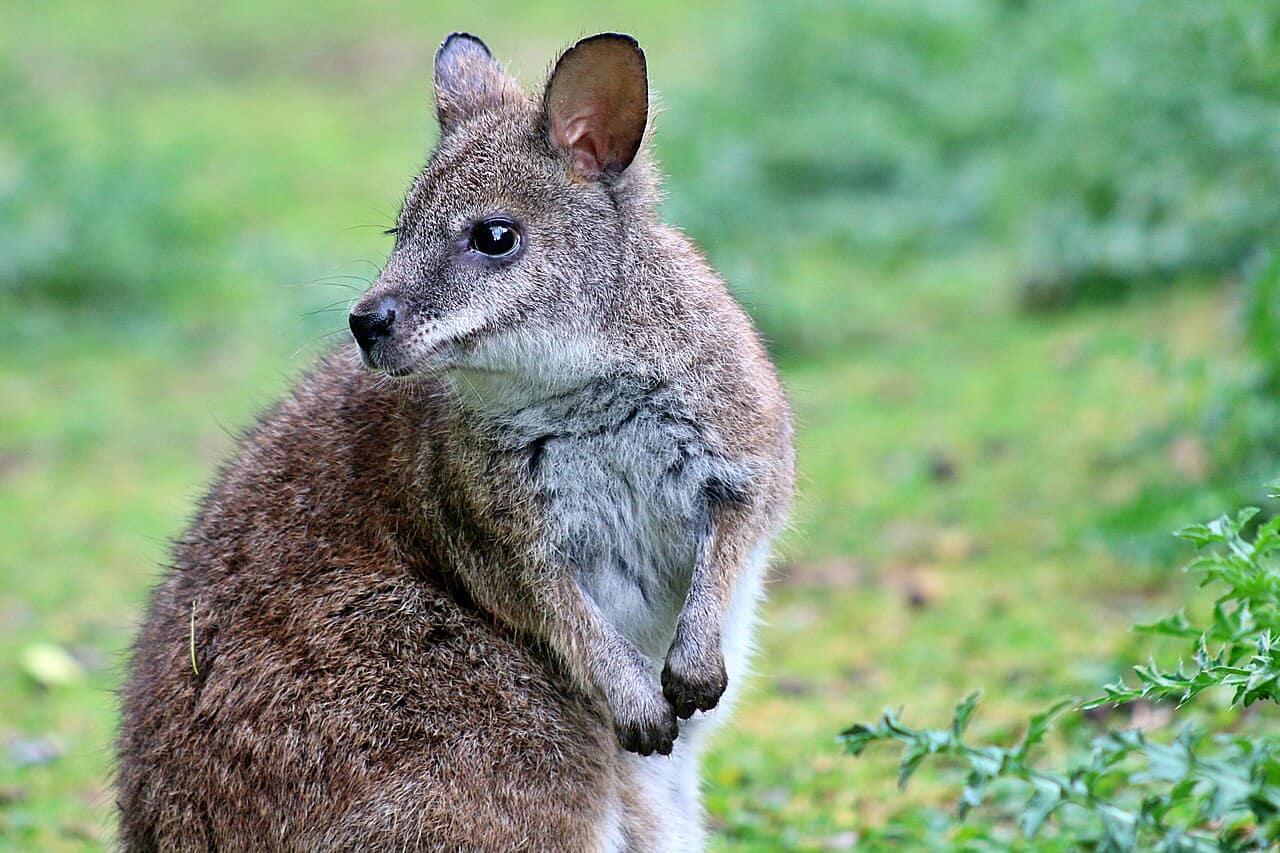
Wallabies are smaller cousins of the kangaroo and can make intriguing pets for those with plenty of outdoor space. Bennet’s Wallabies are the most common species kept as pets, known for their hopping gait and curious nature. They require a high fence and a shelter to protect them from the elements, much like you would provide for a farm animal.
Feeding a Wallaby involves a diet of grass, hay, and specialized kangaroo pellets to ensure they get the right nutrients. They can be quite skittish, so earning their trust takes time, patience, and plenty of treats. A staggering 51% of exotic pets in the US are reptiles, but marsupials like Wallabies are carving out their own niche.
Skunk
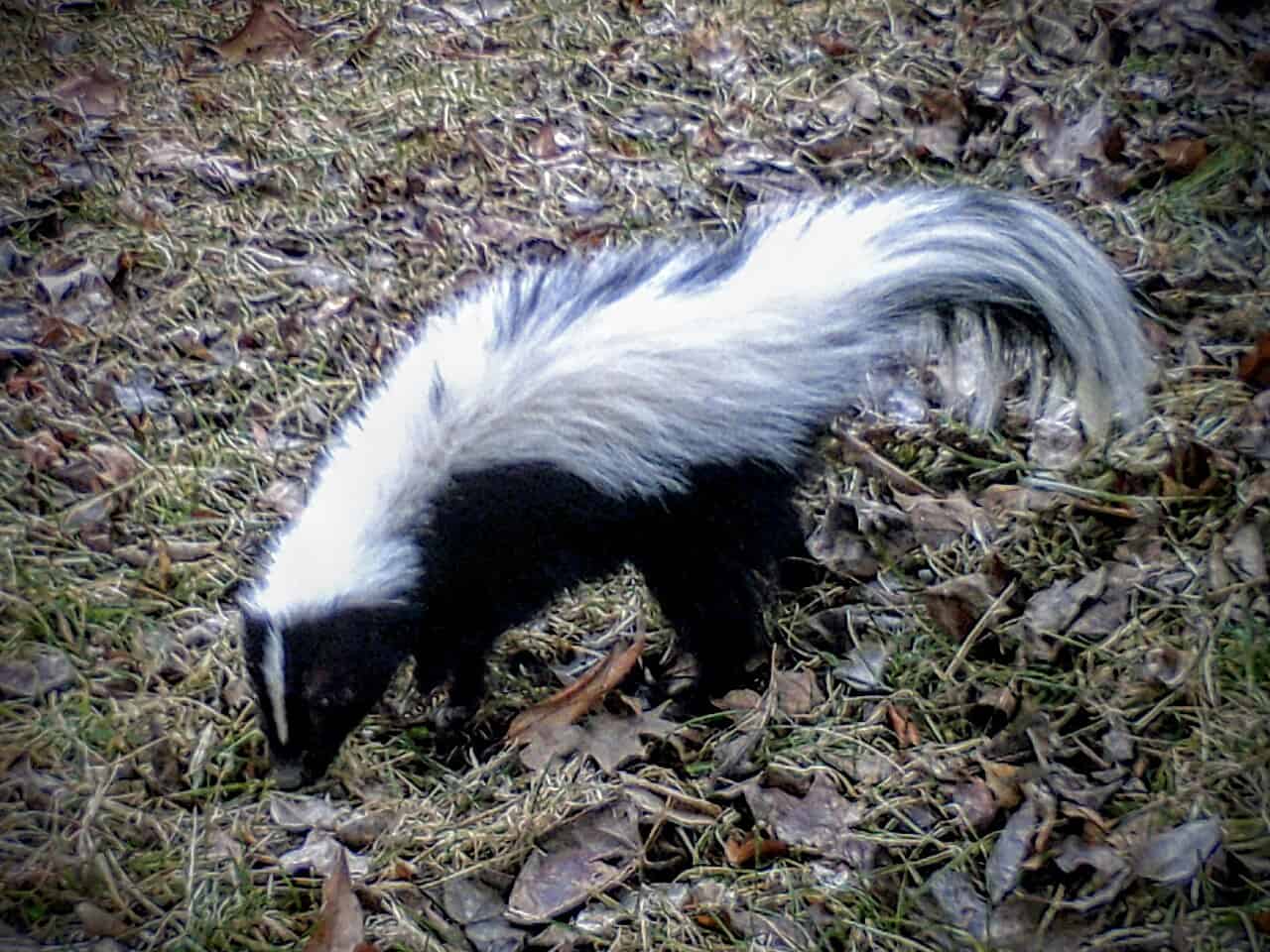
Domesticated skunks are becoming a favored pet for their playful and intelligent personalities, often compared to ferrets. Breeders remove their scent glands at a young age, so you do not have to worry about getting sprayed inside your house. These animals are incredibly curious and can open cabinets, so you will need to childproof your home.
Skunks are omnivores that need a varied diet of vegetables, limited fruits, and protein to stay healthy and lean. They can be litter-trained fairly easily, which makes them a viable option for indoor living. You must check your state laws carefully, as many states still classify them as wildlife and ban them.
Serval

The Serval is a wild cat native to Africa that possesses a stunning spotted coat and incredibly long legs for jumping. They are high-energy animals that act much more like wild cats than domestic house cats, requiring outdoor enclosures. Owning a Serval is expensive and demanding, often requiring permits that are hard to obtain.
They bond strongly with one person and can be affectionate, but they are not lap cats and will play very roughly. You will need to feed them raw meat and whole prey to meet their nutritional needs. Gen Z now makes up 20% of pet owners, and many are driving the trend toward owning such distinct animals.
Like our content? Be sure to follow us.