10 household items that are toxic to your health
You probably think your home is safe, but some everyday items might be quietly making you sick.
Your home is supposed to be a sanctuary, but it might be harboring some invisible enemies that are quietly compromising your well-being. We often scrub, spray, and polish our living spaces with products we assume are safe, only to introduce potent chemicals into the air we breathe every single day. It is startling to realize that the very items we trust to keep our homes clean could actually be making us sick.
While we worry about smog and industrial pollution outside, the danger often lurking inside our cabinets poses a more direct threat to our families. Many common household staples contain ingredients linked to respiratory issues, hormone disruption, and other serious long-term health concerns that consumers rarely hear about. Taking a closer look at these everyday products is the first step toward creating a truly safer environment for you and your loved ones.
Non-Stick Cookware

We all love the convenience of sliding a fried egg right off the pan without a sticky mess, but that slippery coating often comes at a steep price for your body. These pans are typically treated with PFAS, also known as “forever chemicals,” which can leach into your food when the pan gets scratched or overheated. The CDC recently reported that most Americans now have these persistent synthetic chemicals in their blood.
Once these chemicals enter your system, they refuse to leave and can build up over time, potentially leading to thyroid disease and other metabolic disorders. It is much safer to switch to alternatives like cast iron, stainless steel, or ceramic cookware that do not rely on these questionable chemical coatings. You might miss the easy cleanup at first, but your long-term health is worth the extra minute of scrubbing.
Air Fresheners
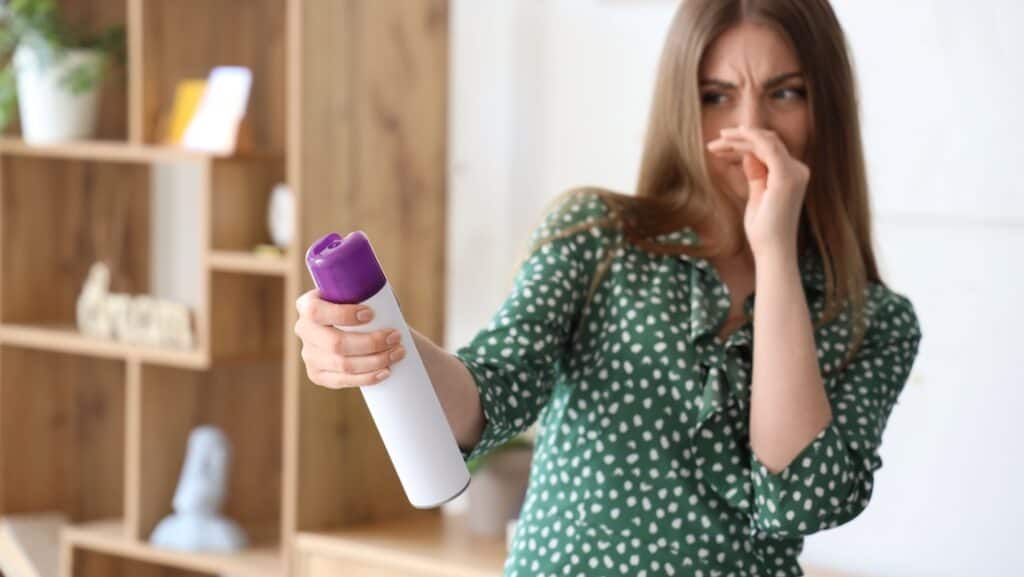
Masking unpleasant odors with a burst of “tropical breeze” or “linen fresh” spray seems like a quick fix, but you are essentially polluting your own indoor air. Most commercial air fresheners do not actually remove odors; they simply coat your nasal passages with oil or numb your nerves so you stop smelling the bad scent. The EPA estimates that indoor air quality can be two to five times more polluted than outdoor air, largely due to products like these.
These products often contain phthalates, which are chemicals used to prolong the scent but are known to interfere with hormone production and reproductive health. Instead of spraying a chemical cocktail, try opening a window, using an exhaust fan, or simmering a pot of water with lemon peels and cinnamon sticks. Natural ventilation is always superior to filling your lungs with synthetic perfumes that mask the real problem.
Plastic Food Containers

Storing leftovers in plastic tubs is a habit most of us have, but when these containers are heated or old, they can release toxins directly into your meals. Many plastics contain Bisphenol A (BPA) or similar substitutes that act as endocrine disruptors, mimicking estrogen and throwing your body’s hormonal balance out of whack. A study from George Washington University found that 81% of fast food samples tested contained DnBP, a plasticizer linked to fertility issues.
Even plastics labeled “BPA-free” often use replacement chemicals that are just as harmful but have not yet been as widely studied or regulated by safety agencies. Glass or stainless steel containers are far more stable options that will not leach invisible chemicals into your hot soup or pasta sauce. Making the switch to glass storage is a simple change that significantly reduces your daily exposure to these pervasive toxins.
Common Cleaning Sprays

That lemon-scented spray you use to wipe down every surface in your kitchen might be doing a lot more damage to your lungs than you realize. The harsh chemicals in multipurpose cleaners can irritate the delicate lining of your respiratory system, leading to chronic inflammation over the years of use. Research from the University of Bergen found that regularly using cleaning sprays for 20 years affects lung function as much as smoking 20 cigarettes a day.
People who clean their homes frequently are inadvertently inhaling a fine mist of potent chemicals that remain in the air long after the counters are dry. You can achieve a sparkling clean home using simple, non-toxic ingredients like vinegar, baking soda, plain soap, and water. Your lungs will thank you for ditching the harsh fumes in favor of safer, old-fashioned cleaning methods.
Laundry Detergents

We associate the smell of strong laundry detergent with cleanliness, but that lingering scent is often the result of a complex mixture of undocumented chemicals. Manufacturers can hide hundreds of hazardous ingredients under the single word “fragrance” on the label, thanks to trade secret laws that protect their formulas. Breast Cancer Prevention Partners found that fragrance chemicals actually make up the majority of the toxic chemicals detected in cleaning products.
These hidden ingredients can cause skin irritation, trigger asthma attacks, and contribute to long-term health issues that may not appear for years. Opting for fragrance-free or plant-based detergents is a much gentler choice for your skin and the environment. Clothes that come out smelling like nothing are actually cleaner than those coated in a layer of synthetic chemical perfume.
Drain Cleaners
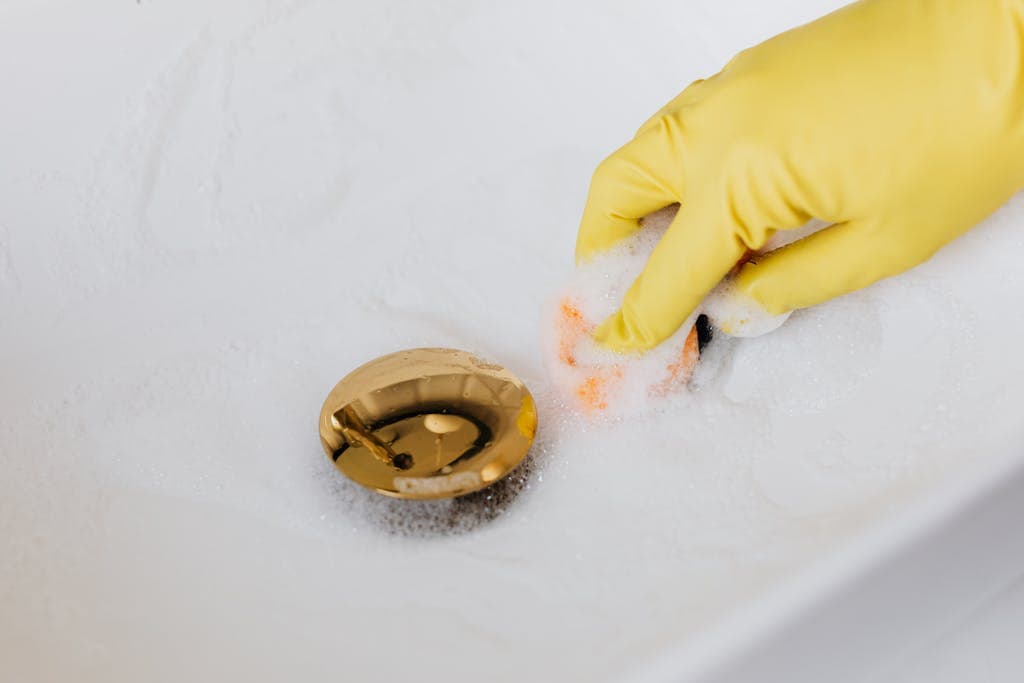
When the sink backs up, pouring a bottle of heavy-duty drain opener down the pipe is a common reaction, but these products are among the most dangerous items in any home. They rely on extremely corrosive substances like sulfuric acid or lye to eat through clogs, which can burn skin and eyes on contact. According to 2024 National Poison Data System statistics, cleaning substances remain a leading cause of pediatric poison exposures, accounting for roughly 10% of cases.
The fumes alone from these drain openers can be overpowering and harmful to inhale, especially in a small, poorly ventilated bathroom. A mechanical snake or a plunger is a much safer and often more effective way to clear a blockage without risking a chemical burn. Physical tools solve the problem without introducing a bottle of liquid poison into your home environment.
Antibacterial Soaps

For years, we were told that we needed to kill 99.9% of germs to be healthy, but antibacterial soaps containing triclosan may do more harm than good. These harsh chemicals can contribute to the rise of antibiotic-resistant superbugs and may interfere with thyroid hormone regulation in the body. The FDA has stated that there is no evidence that antibacterial soaps are any more effective at preventing illness than plain soap and water.
Washing your hands with regular soap and warm water for twenty seconds is the gold standard for hygiene and is perfectly sufficient for removing bacteria. Using mild soap preserves the natural microbiome of your skin while still washing away the harmful pathogens. You do not need military-grade chemicals to keep your hands clean before dinner.
Oven Cleaners
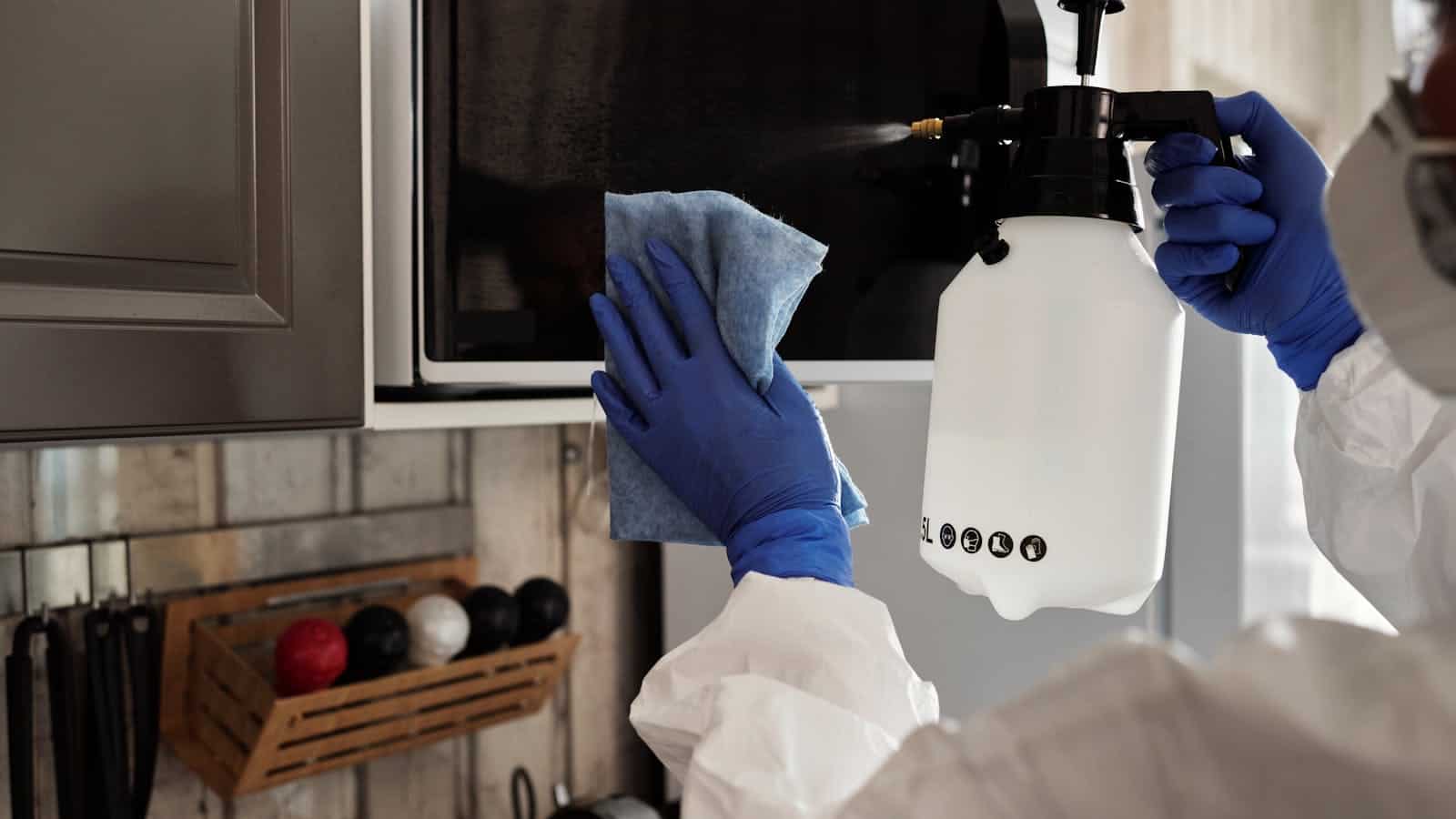
Cleaning a dirty oven is a tough job, but the conventional spray-on oven cleaners used to melt grease are some of the most caustic products you can buy. They typically contain high concentrations of lye (sodium hydroxide), which can cause severe burns to the skin and eyes and permanent damage if swallowed. Inhaling the fumes from these cleaners can burn your throat and lungs, making it a risky task for anyone with asthma.
A paste made of baking soda and water left to sit overnight can loosen burnt-on food effectively without the risk of chemical burns. It requires a bit more elbow grease the next day, but it is a small price to pay for safety. Skipping the toxic fumes makes the kitchen a much safer place for the cook and the family.
Pressed Wood Furniture

That affordable bookshelf or wardrobe you bought might be releasing formaldehyde gas into your bedroom through a process called off-gassing. Pressed wood products like particleboard and plywood are often bonded with glues containing formaldehyde, a known carcinogen that can trigger respiratory irritation. Formaldehyde levels are often highest in new homes or rooms with recently purchased furniture, sometimes persisting for months.
If you buy these types of furniture, try to let them air out in a garage or well-ventilated space for a few days before bringing them inside. Choosing solid wood or buying used furniture that has already finished off-gassing is a much healthier strategy for your indoor air quality. Investing in solid wood pieces is safer, but second-hand furniture is a budget-friendly way to avoid these chemical emissions.
Bleach and Ammonia

Individually, bleach and ammonia are potent cleaners, but many people do not realize the deadly danger of mixing them or even using them in the same room. Mixing these two common household items creates chloramine gas, which can cause coughing, chest pain, and severe respiratory damage within moments. Emergency rooms see thousands of accidental poisoning cases every year, resulting from well-intentioned cleaning sprees gone wrong.
Even using one after the other on the same surface can be enough to trigger a dangerous reaction if they are not rinsed thoroughly. It is best to stick to one product at a time or, better yet, use safer alternatives that do not carry the risk of creating a toxic gas cloud. Reading the warning labels on your cleaning bottles is a critical habit that could quite literally save your life.
Like our content? Be sure to follow us.