10 real reasons why America’s housing crisis was designed to benefit the rich
Do you ever feel like the housing market is actively rooting against you?
Well, you aren’t crazy. It turns out America’s housing setup isn’t broken by accident; the system is practically wired from top to bottom to make sure the rich get richer while the rest of us scramble for crumbs. Let’s look at the real receipts.
The mortgage interest deduction is a giant gift to the rich

If you think the government’s biggest housing tax break is helping regular folks buy homes, think again. This tax break lets you write off interest on mortgages up to $1 million, but you have to itemize your taxes to get it. Since most regular earners take the standard deduction, they get nothing.
Meanwhile, a massive 70 percent of this tax benefit goes straight to the top 20 percent of earners. It’s a massive subsidy for buying luxury estates, not starter homes.
Section 1031 lets investors dodge taxes forever
Imagine selling a property, making a massive profit, and paying zero dollars in taxes. That’s exactly what wealthy moguls do using Section 1031.
They simply roll profits into a new property, kicking the tax bill down the road. There’s no limit on how many times you can pull this off. By deferring capital gains, the rich keep their millions fully working for them, while you pay taxes on every paycheck.
The swap till you drop loophole keeps wealth in the family

This is where the tax code gets truly wild for wealthy dynasties. Investors spend their entire lives swapping properties to avoid capital gains taxes.
When they finally pass away, their heirs get what’s called a “stepped-up basis.“ This resets the property’s value to current market rates for tax purposes. Decades of deferred taxes are wiped out in an instant, letting heirs inherit the empire tax-free.
Exclusionary zoning locks you out of good neighborhoods

Local zoning laws sound boring, but they are highly effective tools for sorting people by wealth. Rich suburbs use rules like banning apartments to keep lower-income families out.
These “Dream Hoarders” use zoning to protect their home values and monopolize top-tier public schools.
This drives up nearby rents by $24 to $27 per month per decade of zoning. It is a polite way of saying “you’re not wealthy enough to live here.“
Property tax assessments are quietly rigged
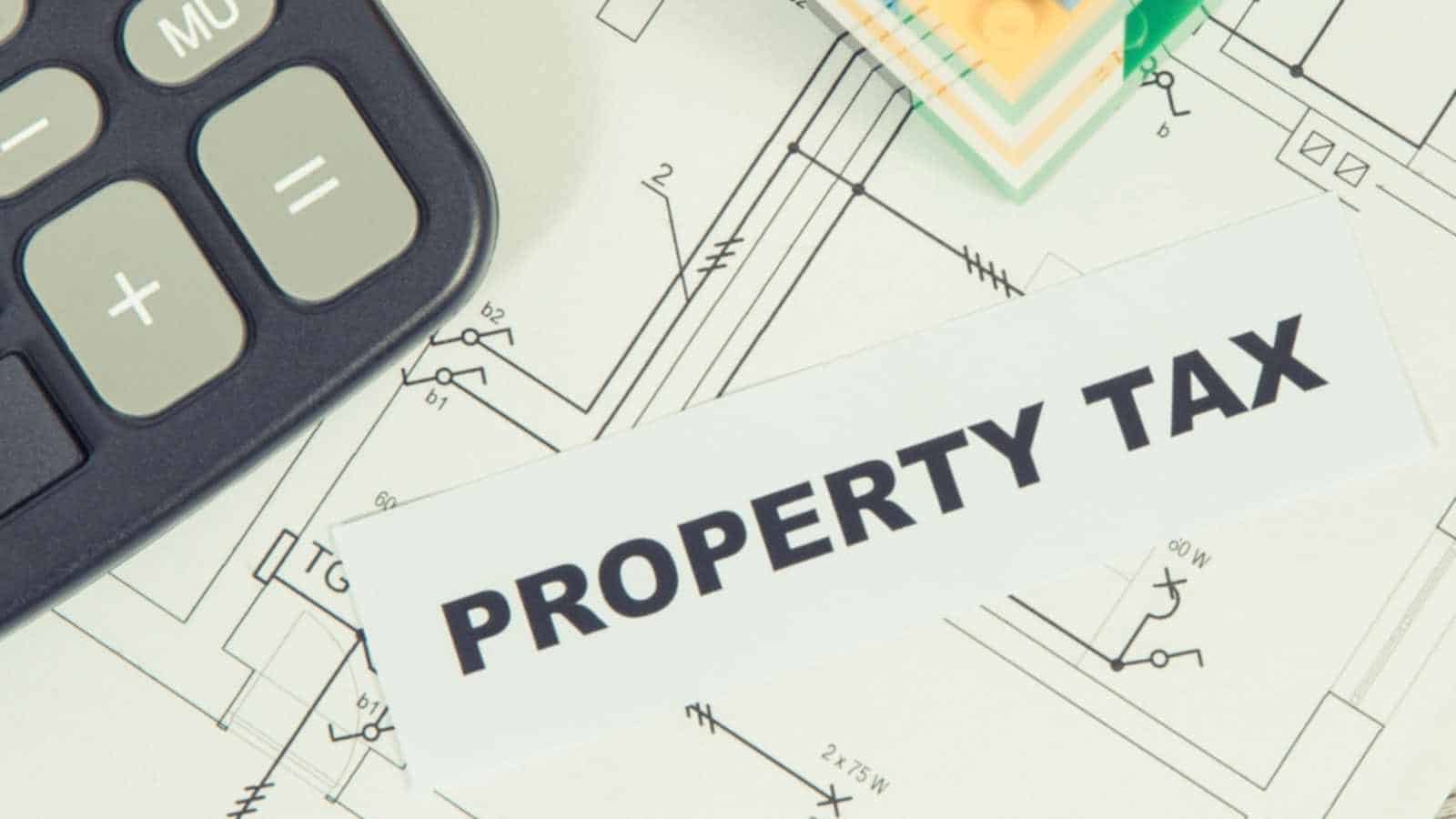
You’d think property taxes would be fair, but expensive homes actually get a massive discount. Local assessors routinely undervalue luxury mansions while overvaluing cheaper homes.
This bias is called Property Tax Assessment Regressivity. It means working-class families pay higher effective tax rates than billionaires. It’s a silent wealth transfer that makes owning a starter home even more expensive.
The Federal Reserve fuels massive housing bubbles

When the economy hits a rough patch, the Fed steps in, but its cure often hurts regular buyers. During the post-COVID era, the Fed pumped over a trillion dollars into mortgage-backed securities.
This flood of cheap money pushed mortgage rates to historic lows, sparking a buying frenzy. Prices skyrocketed, boosting existing homeowners’ wealth while locking out first-time buyers. As housing advocate Karen Petrou points out, the Fed’s free-money policies made the U.S. “far more unequal far faster.“
Wall Street is treating houses like trading cards
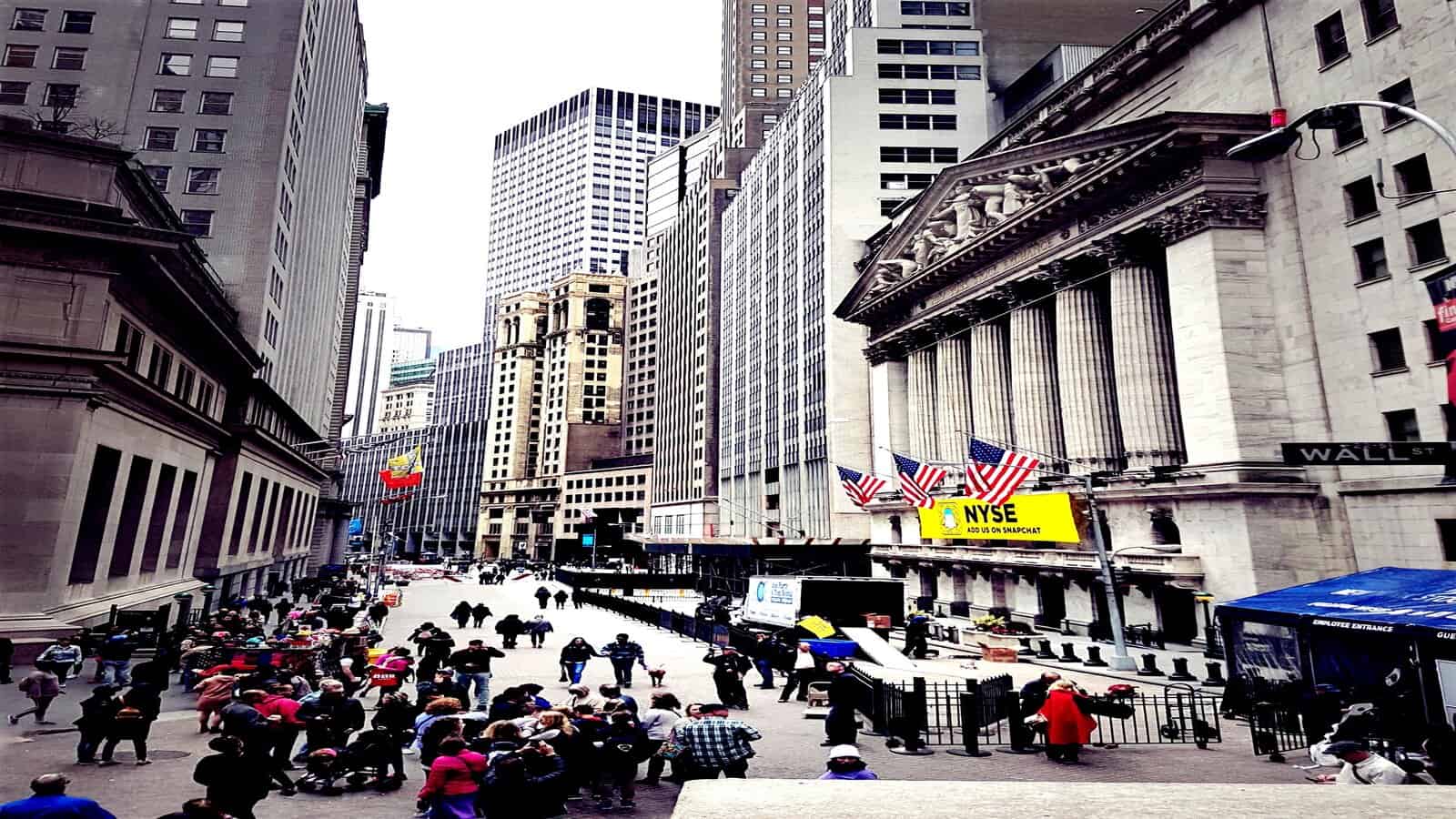
Over the last decade, corporate giants realized they could make a killing by buying up single-family homes. UN housing expert Leilani Farha warns that “housing has been financialized: valued as a commodity rather than a human dwelling.“
In 2024, investment firms bought 25.7% of U.S. homes. They outbid real families with cash offers, only to rent the houses back to us at hyper-inflated rates. When homes become “rent-backed structured securities,” your shelter is just an entry on a hedge fund’s spreadsheet.
Algorithmic pricing is quietly fixing your rent

Ever feel like rents across your city are rising in perfect, unexplained lockstep? It turns out many big landlords were using a secret weapon: RealPage’s algorithmic software.
The DOJ sued, alleging landlords used this tech to share private data and artificially hike rents. In May 2026, several giant landlords agreed to a $218 million settlement to resolve these claims. As DOJ antitrust chief Gail Slater put it, “RealPage was replacing competition with coordination, and renters paid the price.“
Capital gains rules give wealthy sellers a break

Tax rules on home sales are heavily tilted toward high-income sellers. Under current law, couples can exclude up to $500,000 in capital gains when selling a primary home.
Almost 85 percent of all housing capital gains tax liabilities actually fall on the top 10 percent of earners. Proposals to expand these limits would only pad the pockets of wealthy households. It’s another tax code quirk that keeps the biggest profits tax-free for the rich.
Airbnb is gobbling up the remaining starter homes

Instead of renting to local workers, many wealthy investors buy properties to list on short-term rental platforms. This practice, known as the “Airbnb effect,” takes much-needed housing supply off the market.
A national study found that a 1 percent increase in Airbnb listings leads to measurable hikes in local rents and home prices. In tourist hotspots, Airbnb has driven up property prices by over 5 percent. This lets absentee landlords cash in while leaving locals with nowhere affordable to live.
Key takeaway

The American housing crisis isn’t a tragic accident; it’s the direct result of tax breaks, monetary policies, and zoning laws built to protect wealthy assets. By treating shelter as a financial plaything, the system locks out everyday families while guaranteeing real estate fortunes keep growing.
Disclaimer – This list is solely the author’s opinion based on research and publicly available information. It is not intended to be professional advice.
Like our content? Be sure to follow us