10 skills boomers mastered that are becoming lost arts
Remember how your parents could fix, calculate, and navigate everything without a phone? Those days are slipping away fast.
The generation that grew up before the internet had to figure things out without a search engine in their pocket. They developed practical abilities that kept everyday life running smoothly. You might remember watching your parents or grandparents perform these tasks with absolute ease. Those everyday routines are slowly fading away as technology takes over our lives.
Smartphones and automation have undeniably made our days easier and much more convenient. We no longer have to memorize information or rely on physical tools to get around town. However, trading independence for convenience means we are losing touch with some truly valuable habits. Let us look at ten classic practices from the past that are fading into obscurity.
Driving A Stick Shift
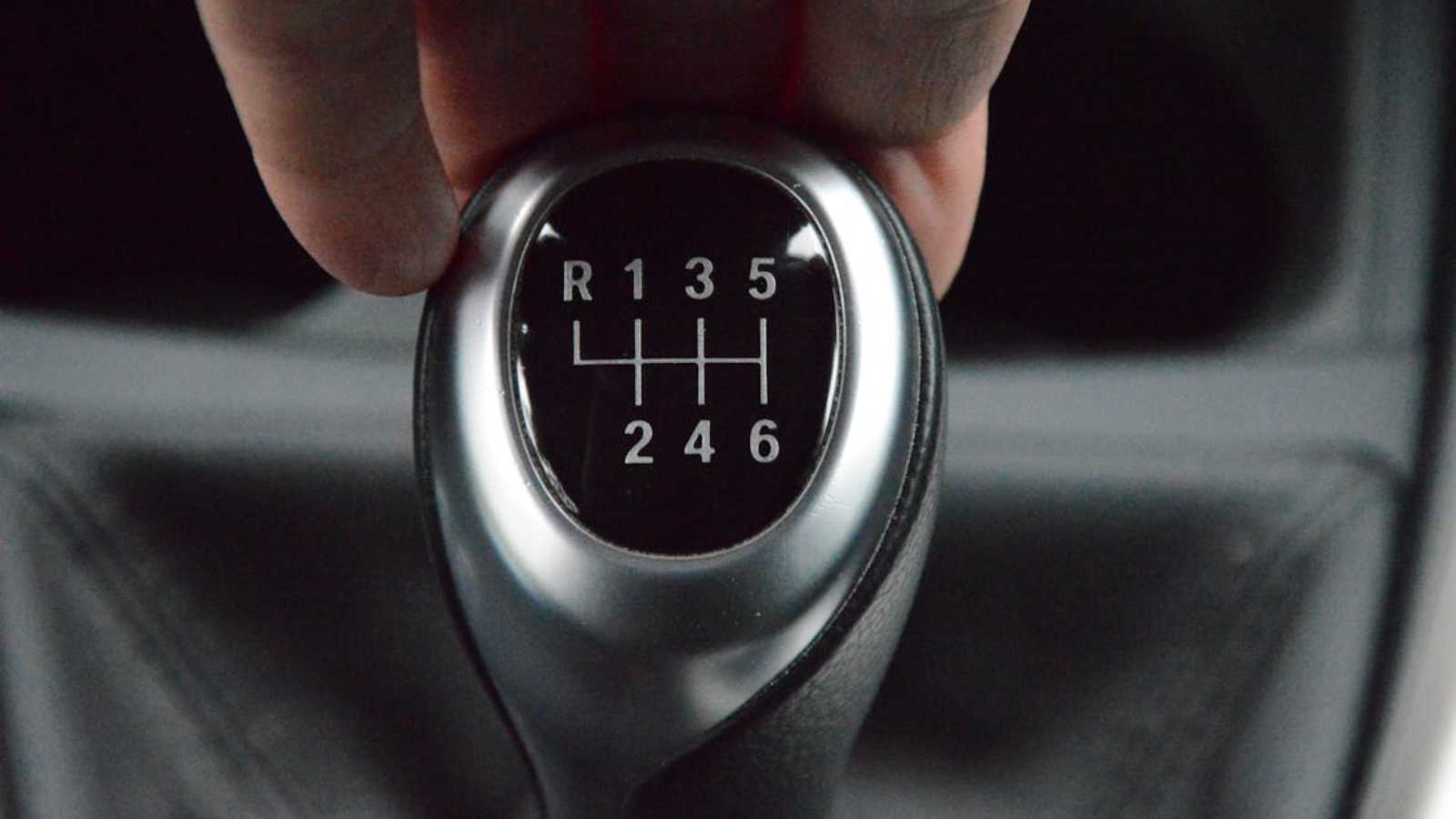
Operating a manual transmission was once a completely standard part of getting your driver’s license. You had to listen to the engine and feel the clutch bite to switch gears smoothly. Today, automatic vehicles completely dominate the roads and do all the heavy lifting for the driver.
Finding a new vehicle with a clutch pedal requires a serious hunt at the dealership. In 2024, manuals accounted for less than 1 percent of new car sales in the U.S., though enthusiast models like the Mazda MX-5 Miata still saw a 70 percent manual take rate. It seems only sports car fans want to keep this engaging driving method alive.
Reading Paper Maps

Planning a road trip used to involve unfolding a massive paper atlas across the kitchen table. You had to highlight your route and pay close attention to highway signs to avoid getting lost. A wrong turn meant pulling over and recalculating your path entirely by yourself.
Modern drivers simply type a destination into a screen and follow the spoken directions blindly. A 2024 study published in Cognitive Research found that participants relied on GPS for 64.5 percent of their travels in unfamiliar environments. We have traded our innate sense of direction for a soothing robotic voice that tells us exactly where to turn.
Memorizing Phone Numbers

Before cell phones held all our contacts, our brains functioned as a personal address book. People effortlessly recalled dozens of numbers for family members, friends, and local takeout restaurants. You dialed these digits so frequently that muscle memory practically did the work for you.
Nowadays, losing a phone feels like losing a piece of your actual brain. Recent 2024 data reported by the Pan American Life Insurance Group highlights that while 70 percent of people can remember their partner’s number, only 34 percent can recall their children’s phone numbers from memory. We have outsourced our memory to silicon chips and forgotten how to retain basic information.
Having Face-to-Face Conversations

There was a time when catching up with a friend meant sitting down together for a proper chat. People maintained eye contact, read body language, and truly listened without checking a screen every five minutes. Building a relationship required actual physical presence and undivided attention.
Texting and social media have replaced genuine human connections with quick digital updates. A 2025 Barna Group report revealed that 29 percent of Gen Z report frequently feeling lonely, compared to just 8 percent of Boomers. This stark generational difference highlights how much we miss the warmth of real conversations.
Balancing A Checkbook
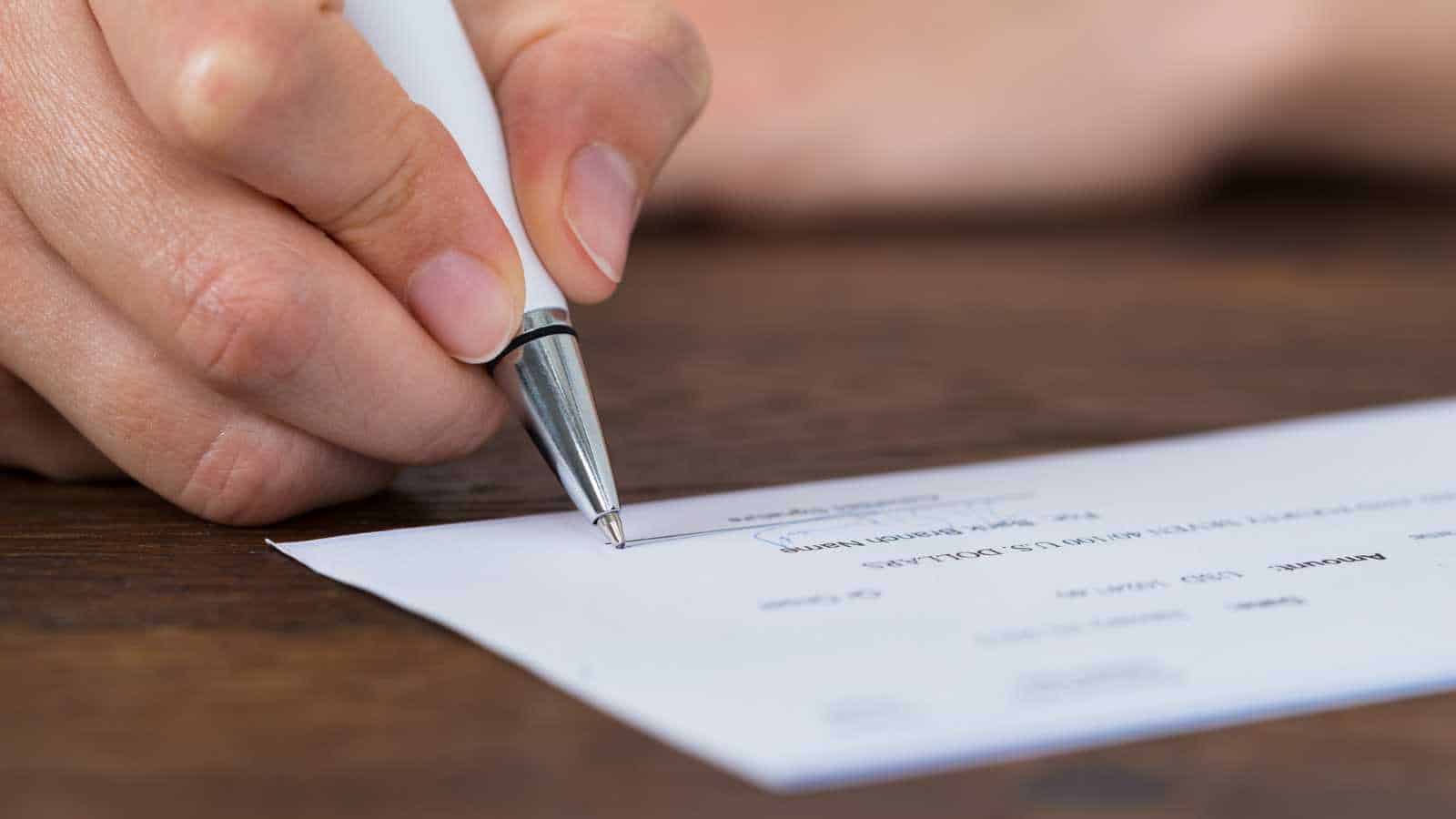
Managing personal finances used to involve a physical ledger and a trusty pen. You recorded every single transaction by hand to make sure your bank balance matched your records. Overdrawing your account was a constant worry if your math was even slightly off.
Digital banking apps now track every penny automatically in real time. The Federal Reserve 2025 Report on the Economic Well Being of U.S. Households noted that only 13 percent of all adults still used nonbank check cashing and money orders in 2024. The physical act of writing out a payment is quickly becoming a historical footnote.
Reading The Daily Newspaper

Starting the morning with a hot cup of coffee and the daily paper was a beloved ritual. You could physically flip through the pages to catch up on local events and global headlines. The rustle of the paper and the faint smell of ink provided a comforting start to the day.
People now consume their updates through endless scrolling on social media feeds. According to the Digital 2024 Global News Report, only 34 percent of young adults aged 18 to 24 say they are interested in the news today. The art of patiently reading a long article from start to finish is fading fast.
Writing In Cursive

Elementary schools once dedicated countless hours to perfecting looping letters and joined handwriting. Students practiced their penmanship diligently to create beautiful and legible signatures. A handwritten letter sent through the mail showed deep care and personal effort.
Keyboards and touchscreens have made typing the primary method of written communication. Many young adults today struggle to even read historical documents written in flowing script. Future generations might view beautifully crafted handwriting as a completely foreign language.
Mending Torn Clothing

Finding a hole in your favorite shirt used to mean pulling out the sewing kit immediately. Knowing how to replace a button or patch a tear extends the life of your wardrobe significantly. It was a practical necessity that saved money and reduced unnecessary waste.
The rise of cheap fashion means most people simply throw away damaged garments without a second thought. Very few young adults possess the basic needlework abilities required to fix a simple seam. We have replaced a sustainable practice with a culture of constant disposal and replacement.
Doing Mental Math

Calculating a tip at a restaurant or figuring out grocery totals used to happen entirely in the head. You learned multiplication tables by heart and applied them to everyday situations with confidence. It kept the mind sharp and made daily transactions incredibly efficient.
Now, everyone immediately reaches for the calculator app on their smartphone to solve basic equations. We hesitate to split a dinner bill without a digital tool dividing us. Trusting our own brains for simple arithmetic has become surprisingly rare.
Preserving And Canning Food
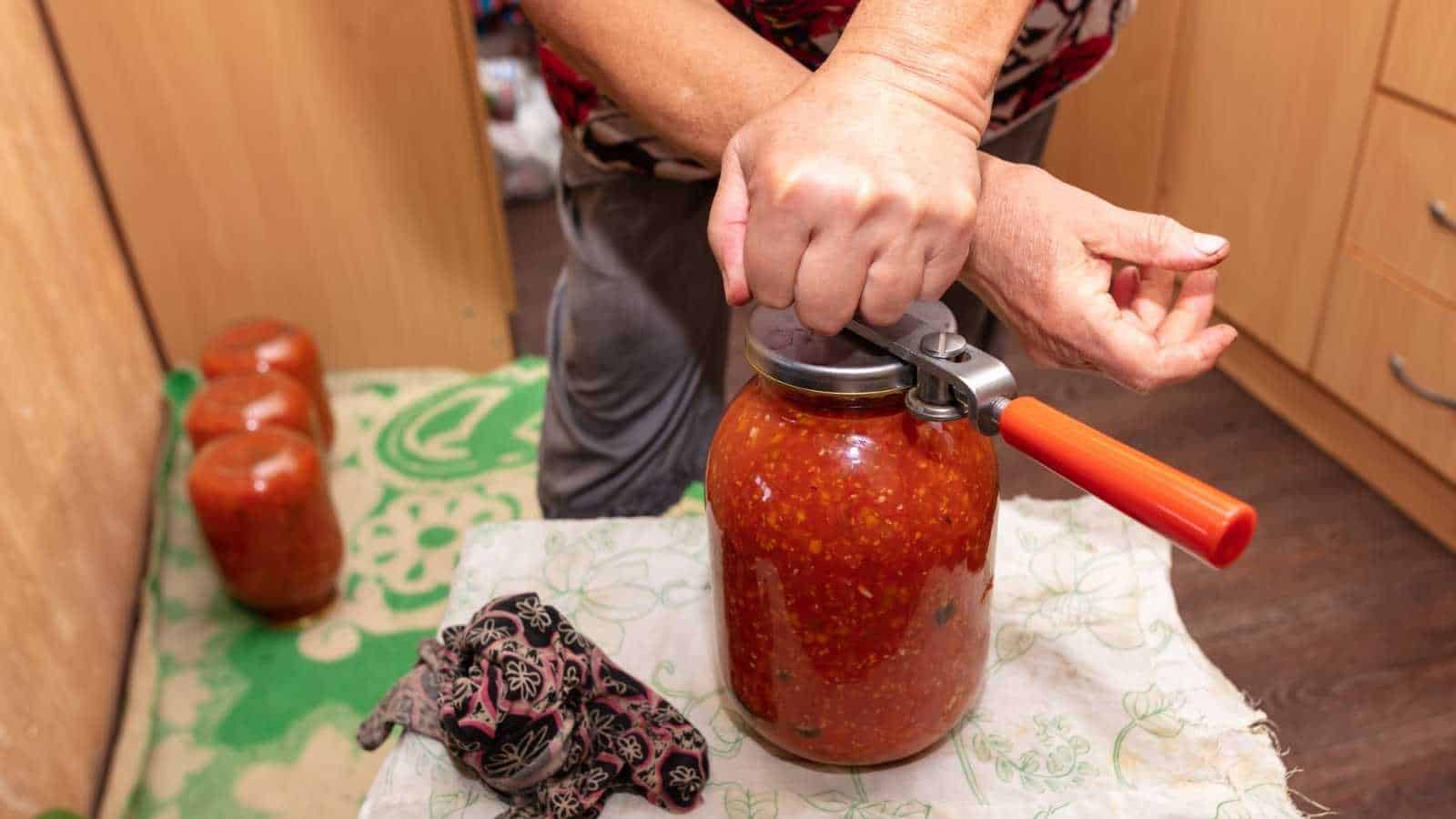
Spending a weekend turning fresh summer produce into jars of jam or pickles was a seasonal staple. Families filled their pantries with preserved goods to enjoy homegrown flavors throughout the cold winter months. It required patience, specific equipment, and a deep understanding of food safety.
Modern supermarkets offer fresh produce year-round and make this extensive effort feel unnecessary. Making jam from scratch is now seen as a quirky hobby rather than a survival skill. The satisfying pop of a freshly sealed mason jar is a sound that fewer kitchens hear today.
Like our content? Be sure to follow us.