11 reasons why men frequently say a relationship ended because their partner changed
“She changed” can sound like a neat little breakup explanation, but let’s be honest, relationships rarely fall apart that cleanly. Sometimes she did change. Sometimes he stopped paying attention. Sometimes, both people changed in opposite directions, then someone picked the simpler headline because “we slowly became emotionally incompatible” does not exactly roll off the tongue at brunch.
This topic hits a nerve because American dating already feels like a group project where half the class forgot the instructions. A national dating survey by Pew Research Center found that 67% of single adults seeking dates or relationships said their dating lives were not going well, and 75% said finding people to date had become difficult.
So when men say a relationship ended because their partner changed, they may describe real shifts, missed expectations, bruised ego, emotional distance, or plain old confusion dressed up as certainty.
She grew into someone he did not expect

Sometimes a woman changes because life asks her to. She gets promoted, goes back to school, starts therapy, loses patience with old patterns, or finally discovers that peace feels better than constant explaining. A lot of men do not hate the growth itself, but they struggle when that growth changes the old rhythm of the relationship. Isn’t it funny how “you’ve changed” often appears right after someone starts setting boundaries?
The wider dating scene already shows a big expectation gap. Women who have had difficulty dating are more likely than men to say they struggle to find someone who meets their expectations (56% versus 35%) and someone looking for the same kind of relationship (65% versus 45%). That matters because rising standards can appear to be “change” to a partner who preferred the earlier, more accommodating version.
Her standards got higher after too many disappointments

Many relationships do not end because a woman suddenly becomes impossible to please. They ended because she stopped accepting the bare minimum with decorative lighting. In the beginning, she may laugh off forgotten plans, vague promises, or emotional laziness because the relationship still feels new and hopeful. After a while, those same habits stop looking cute and start looking like a preview of the next five years.
This shift lands hard because many men experience modern dating as tougher than before. A 2024 national report found that 51% of men said men are doing worse today at finding a romantic partner, compared with 37% of women. When dating already feels difficult, a partner’s higher standards can feel personal, even when she simply wants consistency, effort, and respect.
She stopped mothering him and called it love

Some men say “she changed” when the real translation sounds more like, “She stopped managing my life for free.” That might include reminding him about appointments, cleaning up emotional messes, planning birthdays, smoothing over conflicts, or doing the relationship maintenance he quietly outsourced to her. At first, this can look like care. Later, it starts to feel like unpaid management with cuddles attached, which is not exactly the dream package.
The household labor gap still provides real context for this complaint. In marriages where husbands and wives earn about the same, wives spend more time each week on caregiving and housework, while husbands spend more time on paid work and leisure. That imbalance can make a woman’s “change” look sudden, but she may have reached the point where love no longer means carrying the clipboard for two adults.
Money stress changed how they talked to each other
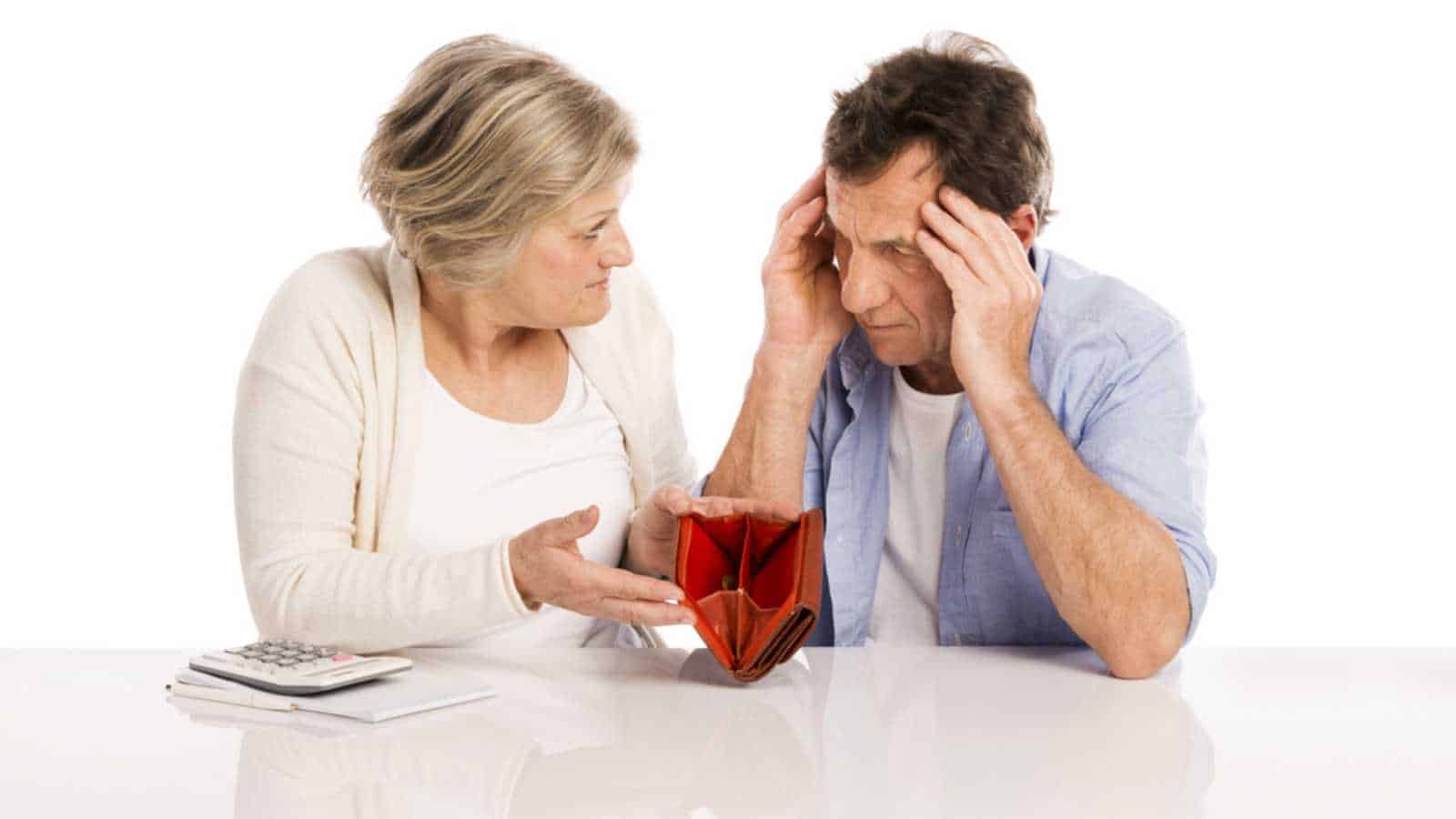
Money can turn a sweet relationship into a tense budget meeting with throw pillows. One partner starts worrying about rent, debt, groceries, savings, or career pressure, and suddenly every small choice carries emotional weight. A man may say his partner changed because she became anxious, cautious, or critical, but financial pressure often changes the entire temperature of a relationship. Who feels romantic after arguing over bills for the third time this week?
Recent research found that the more financial stress people feel, the less likely they are to talk with romantic partners about money. That creates a lovely little trap, because the couple needs communication most when they feel least willing to have it. When silence grows, one partner may label the other as “different,” even though stress quietly rewired the conversation first.
Her independence made the old power balance uncomfortable

A woman’s independence can inspire a healthy partner and intimidate an insecure one. She may earn more, need less validation, build a stronger social circle, or make decisions with more confidence. A man who once felt central to her identity may suddenly feel optional, and yes, that can sting. But should love require someone to stay smaller just so the relationship feels familiar?
American marriages already reflect a shifting power dynamic. In 29% of marriages, husbands and wives earn about the same amount; 16% have a breadwinner wife; and 55% have a husband as the primary or sole breadwinner. As women’s economic roles keep shifting, some relationships thrive because both people adapt, and others wobble because one partner secretly preferred the older arrangement.
Phone habits made her feel less chosen

Sometimes she “changed” because she got tired of competing with a rectangle. Phones, social media, constant scrolling, and private messages can slowly make a partner feel like background noise in her own relationship. A man may remember her as warmer and more relaxed, but he may forget how many nights she tried to talk while he kept half his face lit by a screen. Romance rarely blooms when one person keeps refreshing the internet because it owes them money.
Digital behavior now creates real relationship tension. About 23% of partnered adults whose significant other uses social media said they felt jealous or unsure because of how their partner interacted with others online, and that figure rose to 34% among adults ages 18 to 29. When attention keeps drifting elsewhere, her mood may change because her sense of safety has changed first.
She wanted emotional effort, not another apology tour

Many women do not ask for perfection. They ask for emotional presence, which somehow still scares people, as if it comes with a tax audit. A man may say she changed because she became “too sensitive” or “too demanding,” but she may have started asking for the emotional effort she used to quietly hope for. There is a big difference between wanting drama and wanting a partner who notices your feelings before the relationship catches fire.
Relationship researcher John Gottman describes bids for connection as “the fundamental unit of emotional communication.” His research found that couples who stayed happily married turned toward each other’s bids 86% of the time, while couples who later divorced did so only 33% of the time. So when a woman stops reaching, softening, or explaining, she may not have changed overnight. She may have watched too many small bids go unanswered.
She outgrew old gender roles

Some relationships run smoothly only because one person plays a role they never truly chose. She cooks because “she’s better at it,” manages the kids because “she remembers things,” and handles feelings because “women are naturally good at that.” Cute story, except many women eventually notice the role comes with exhaustion, resentment, and very little applause. When she rejects that script, he may call it a change because the old version benefited him.
The numbers show why this tension still matters. Even in marriages where both partners earn similar income, wives spend about 6.9 hours a week on caregiving and 4.6 hours on housework, while husbands spend about 5 hours on caregiving and 2 hours on housework. If a woman decides she no longer wants a relationship built on invisible labor, that is not a random change. That is a receipt.
Sex and affection shifted because the emotional climate shifted

Men sometimes point to less sex or affection as proof that their partner has changed. Sometimes they have a point, because intimacy patterns do change. But the better question is less “Why did she change?” and more “What changed around her?” Stress, resentment, poor communication, feeling unappreciated, and unresolved conflict can all turn desire into another chore on the list, which nobody requested, thank you very much.
Research on sexual communication found a positive link between sexual communication and both relationship satisfaction and sexual satisfaction, with reported associations of r = .37 and r = .43. That means couples often need honest conversations about intimacy before they start blaming personality shifts. When affection disappears, the relationship may need curiosity rather than a courtroom drama where one person plays detective and judge.
She became quieter after too much conflict

A woman may seem like she changed because she stopped arguing, but silence does not always mean peace. Sometimes it means she has retired from the emotional Olympics. Earlier in the relationship, she may have debated, cried, explained, and tried again because she still believed the conflict could lead somewhere. Later, she may pull back because the same argument keeps wearing a fake mustache and returning as a “new issue.”
Conflict and commitment recur in breakup research. A divorce study found that people most often cited lack of commitment, infidelity, and conflict or arguing as major contributors to divorce, and more participants blamed their partners than themselves. That last detail matters because “she changed” can become a tidy blame story when both people actually helped build the distance.
Her priorities shifted, and the relationship lost its top spot

People do not stay frozen at the age they were when a relationship began. A woman who once centered romance may later center health, career, children, faith, friendships, recovery, education, or peace. A man may experience that as rejection, especially if he expected the relationship to keep its old position in her life. But priorities change because real life keeps walking into the room with shoes on.
A 2025 national stress report found that Americans commonly drew meaning from family, friendships, romantic relationships, and pets, with romantic relationships selected by 47% of adults. That detail quietly says something important: love matters, but it does not always stand alone as the only source of identity or meaning. When a woman builds a fuller life, a relationship must either mature with her or start to feel like a smaller room.
They both changed, but he gave her the headline

Here is the uncomfortable part: sometimes men say “she changed” because it feels easier than saying, “We changed, and I did not know how to handle it.” Relationships develop patterns, and both people shape those patterns daily through attention, avoidance, habits, jokes, conflict, affection, and neglect. When the ending arrives, one person often grabs the clearest explanation because grief hates nuance. Who wants a breakup speech that needs footnotes?
The broader dating market already shows how complicated connections have become. Among single Americans, 57% said they were not looking for a relationship or casual dates, and single men became less likely than in 2019 to say they were looking for romance. That does not prove that men avoid accountability, but it does show a culture in which relationship pressure, fatigue, and shifting expectations keep reshaping how people explain love when it fails.
Key takeaway

When men say a relationship ended because their partner changed, they may describe growth, distance, stress, resentment, mismatched expectations, or a loss of emotional connection. Sometimes she truly changed. Sometimes, he finally noticed. Sometimes the relationship changed first, and both people spent too long pretending the old version would magically return.
The smarter question is not, “Why did she change?” The better question is, “What did the relationship stop giving her?” That answer may sting a little, but hey, emotional honesty rarely arrives wearing pajamas and carrying snacks.
Disclaimer: This list is solely the author’s opinion based on research and publicly available information. It is not intended to be professional advice.
Like our content? Be sure to follow us.