12 downsides of EVs that buyers are starting to notice
Electric cars promised freedom, but many buyers are now reading the fine print. At first, the pitch sounded dreamy: no gas station drama, fewer maintenance visits, and a smoother ride around town. That promise helped EVs move into the mainstream, with the International Energy Agency reporting that more than one in five new cars sold worldwide in 2024 were battery-powered.
Still, daily ownership has made some drivers pause and rethink the hype. A car can look perfect on a glossy ad, then feel different during a cold commute, a long road trip, or a busy school pickup. Many women now want more than a stylish, eco-friendly badge in the driveway. They want a car that fits real schedules, real budgets, and real family needs.
So, as EVs become more common, buyers are starting to notice the downsides that rarely get the spotlight.
Range still feels tight
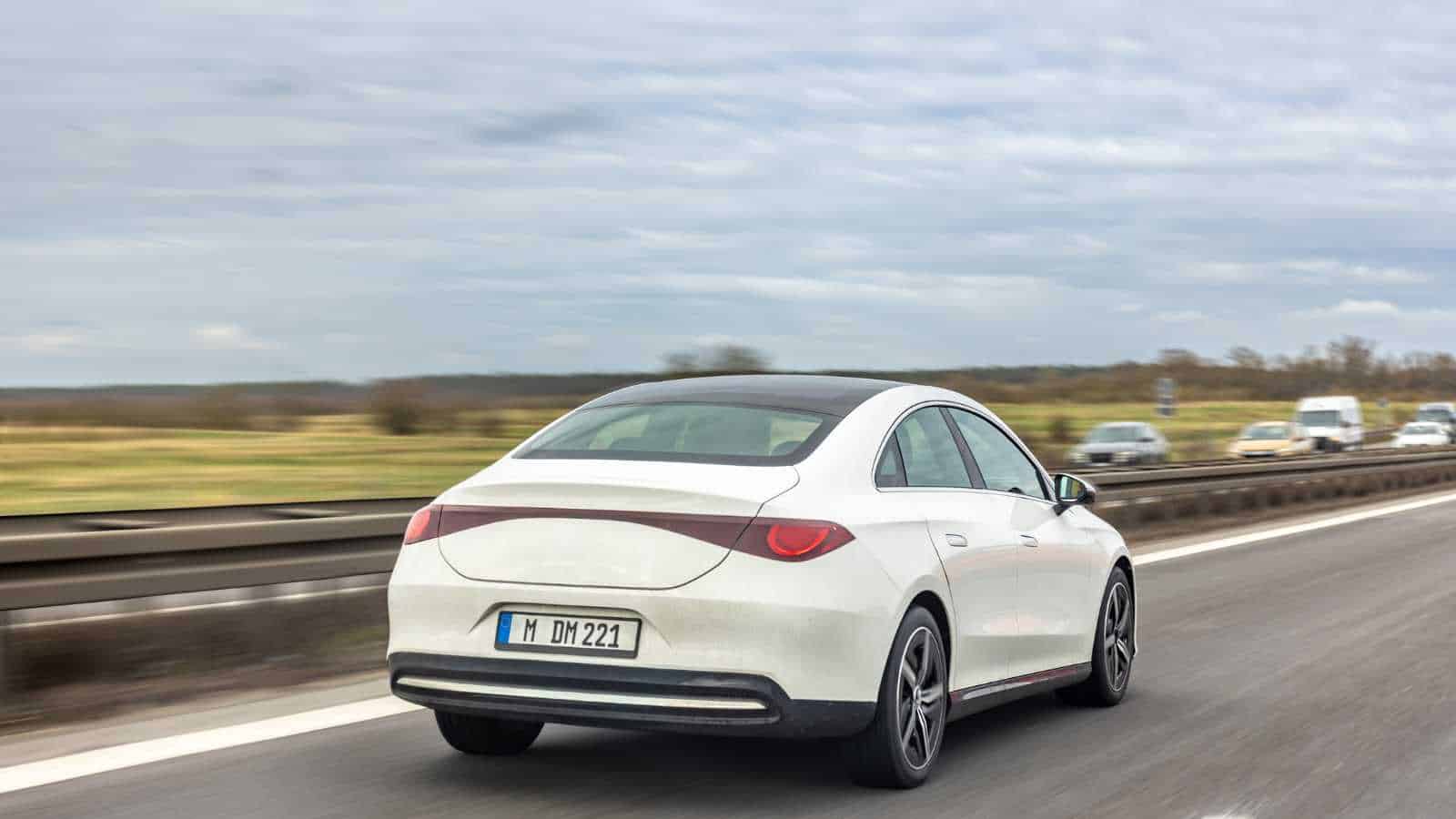
EV range looks great on a window sticker, but many drivers still treat that number with caution. Consumer Reports found in 2026 that some EVs fell up to 50 miles short of their advertised EPA ranges during highway driving, and that gap can rattle anyone with a packed schedule. A buyer may start with confidence, then begin watching the battery gauge more than the playlist.
Long commutes, heavy traffic, hills, and full cars can make the range feel smaller than expected. That matters for women juggling school pickups, errands, work trips, and late drives home. Gas cars rarely make drivers plan around the last quarter of the tank, but EVs can turn that final stretch into math.
Charging gaps remain annoying
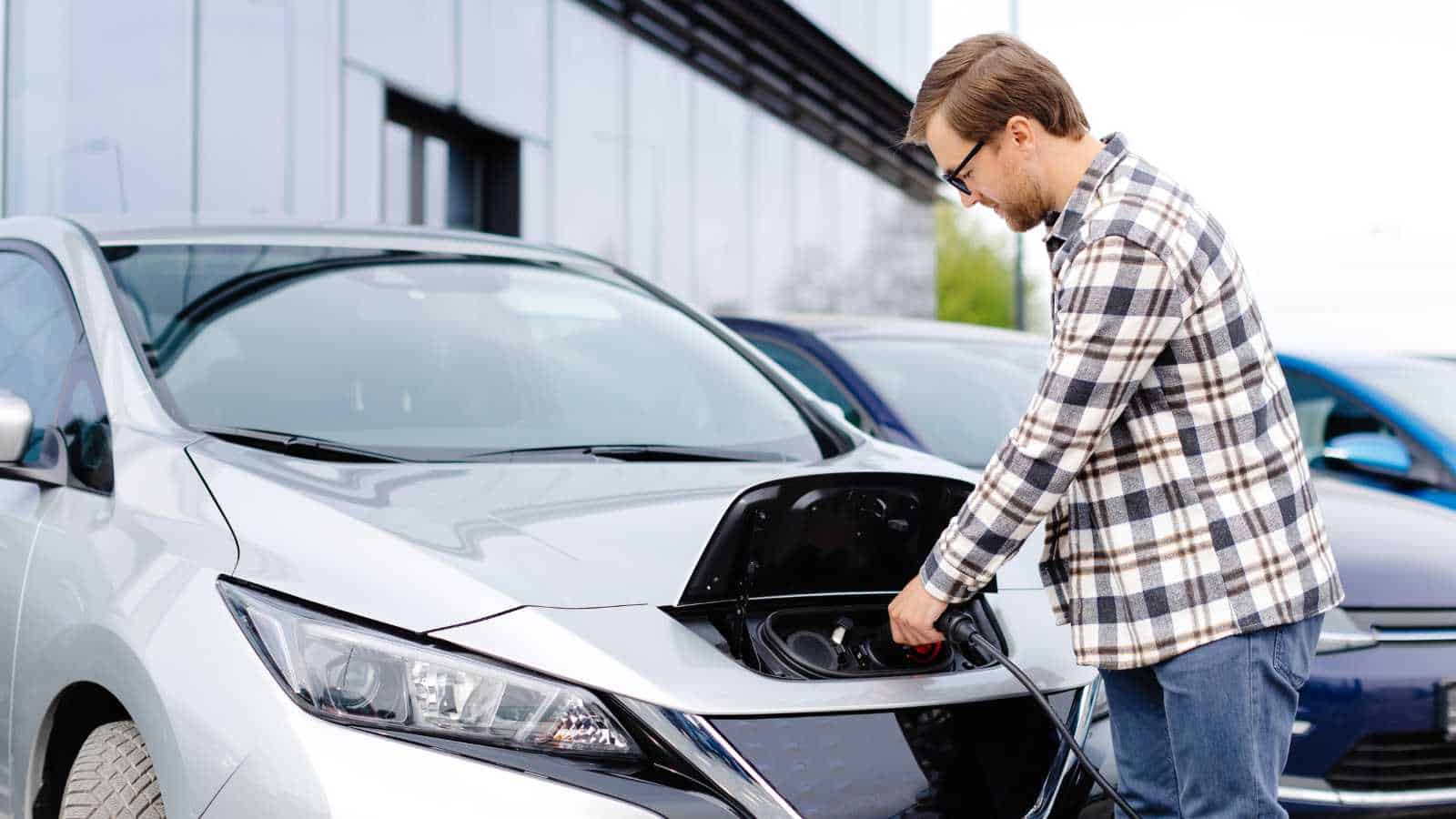
Public charging looks better than it did a few years ago, but the experience still feels uneven in many parts of the U.S. The International Energy Agency says the United States would need to add about 58,000 public charging points per year through 2030 to reach more than 500,000 public chargers. That number explains why some buyers still feel the network has not caught up with real life.
A charger near a mall helps, but it does little for a rural family visit, a late soccer tournament, or a road trip through smaller towns. Many women also care about safety, lighting, bathrooms, and nearby stores during charging stops. A charger can be built into an app and still feel inconvenient in person.
Charging takes patience
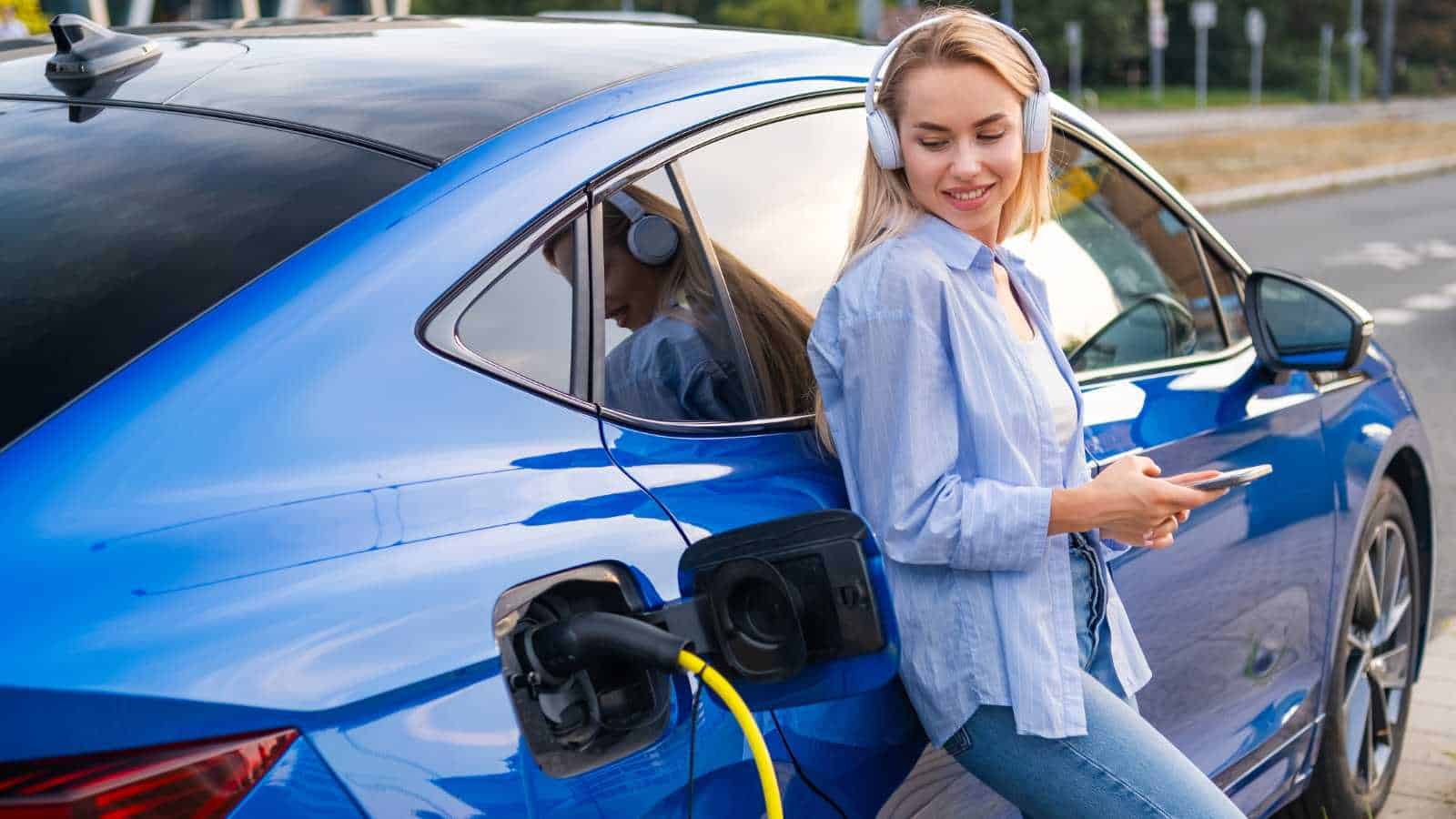
EV charging asks drivers to trade speed for planning, and that can feel tiring fast. The U.S. Department of Transportation says direct-current fast chargers can charge a battery-electric vehicle to 80% in about 20 minutes to 1 hour. That sounds manageable on a calm weekend, but it feels very different with tired kids, groceries, or a tight appointment.
A gas stop usually ends before the snacks hit the checkout counter. EV charging can turn into a full stop, especially if a station is slow or another driver has already taken the best plug. Home charging helps owners a lot, but renters and condo residents often lack that easy setup.
The price still stings
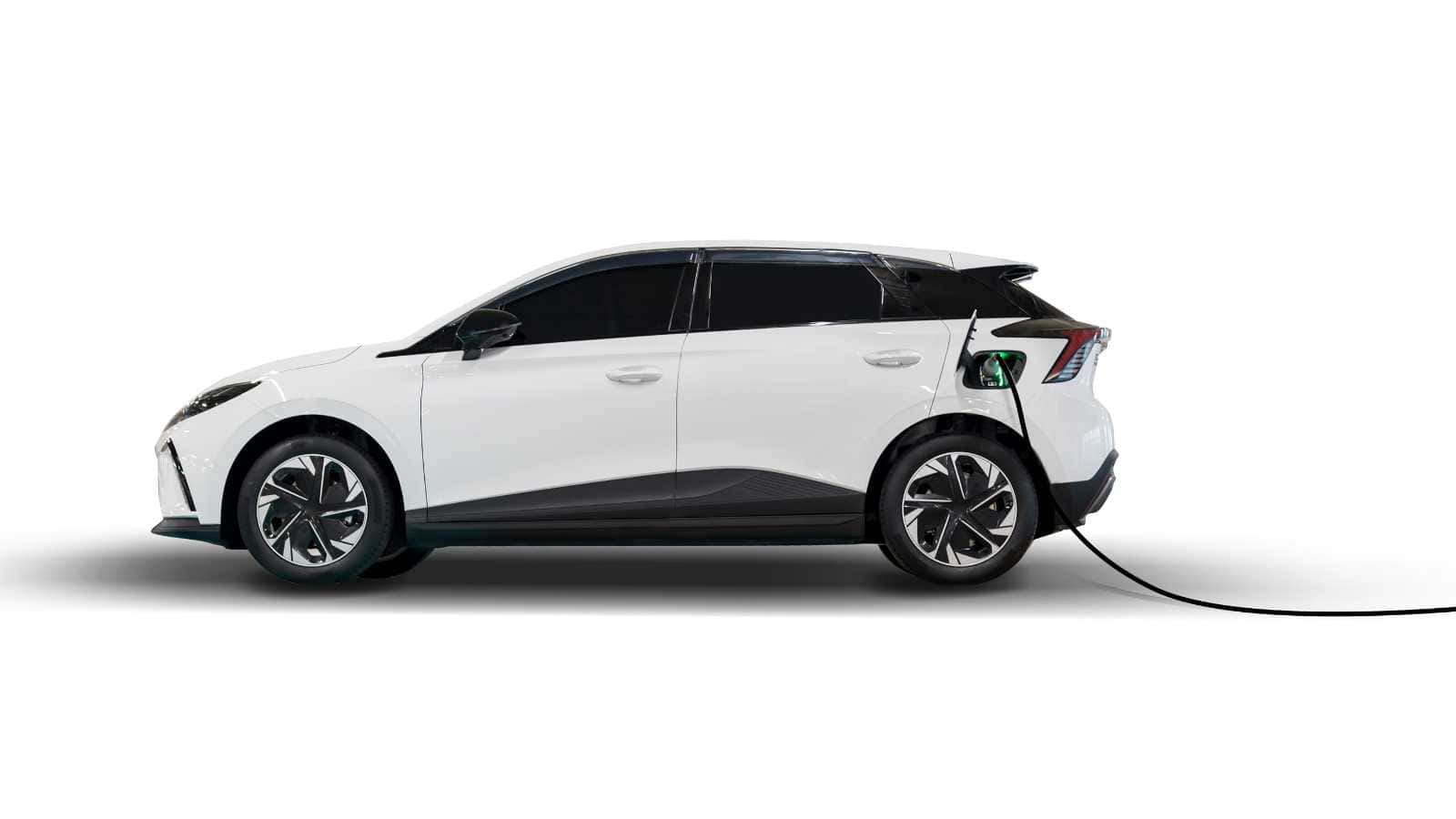
EV prices have improved, but many buyers still feel the pinch before they ever plug in. Kelley Blue Book says the average new EV transaction price reached $57,245 in August 2025, compared with $49,077 for the overall new car market. That gap can change the whole mood at the dealership.
Tax credits and lease deals help some shoppers, but they do not erase the higher monthly payment for everyone. Many households make decisions based on their current budget, not on a perfect savings chart over eight years. For women managing childcare, rent, groceries, and family needs, the dream of a clean car can still seem pricey.
Battery aging creates doubt

Most modern EV batteries hold up better than early fears suggested, yet battery health still makes buyers nervous. Geotab’s 2025 analysis of more than 22,700 EVs found an average annual battery degradation rate of 2.3%. That may sound small, but range sits at the center of EV confidence.
A little loss feels bigger when every mile appears on the dashboard. Used EV shoppers also worry about how the last owner charged, stored, and drove the car. A gas car hides aging in small ways, but an EV shows battery health in the exact number buyers care about most.
Winter changes everything

Cold weather can make a good EV feel less predictable. Recurrent’s 2025 winter study of more than 30,000 U.S. vehicles found that 34 popular EV models averaged 78% of their ideal range in freezing temperatures. That drop hits at the worst time, during dark commutes, icy school runs, and holiday travel.
Cabin heat, snow tires, highway speeds, and battery temperature can all pull more energy from the pack. Preconditioning helps, but it adds another step to the morning routine. Drivers in Minnesota, Michigan, Maine, and other cold states may love the quiet ride, yet they still notice winter’s bite.
Towing cuts confidence
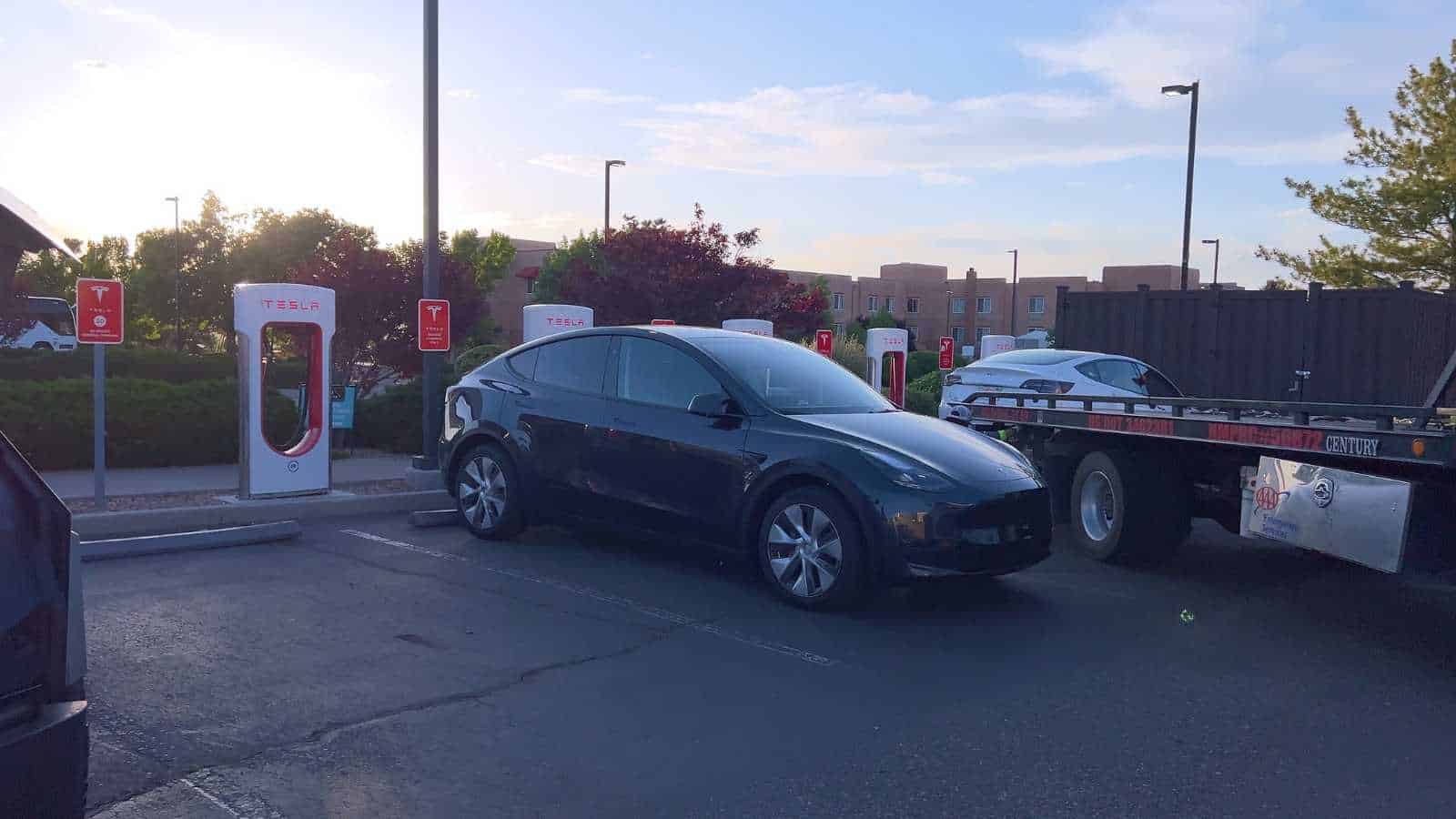
Electric torque feels amazing, but towing can expose a big weakness. Car and Driver found that a 2024 Ford F-150 Lightning Platinum dropped to just 100 miles of range at 70 mph while pulling a 6,100-pound camping trailer. That kind of result can surprise buyers who expected a truck to behave like a truck in every situation. Campers, horse trailers, boats, and moving loads all demand energy fast.
Charging with a trailer can also become awkward if the station layout forces drivers to unhook. For families who love lake weekends or road trips, towing with an EV can feel less free than the brochure promised.
Repairs can get tricky.
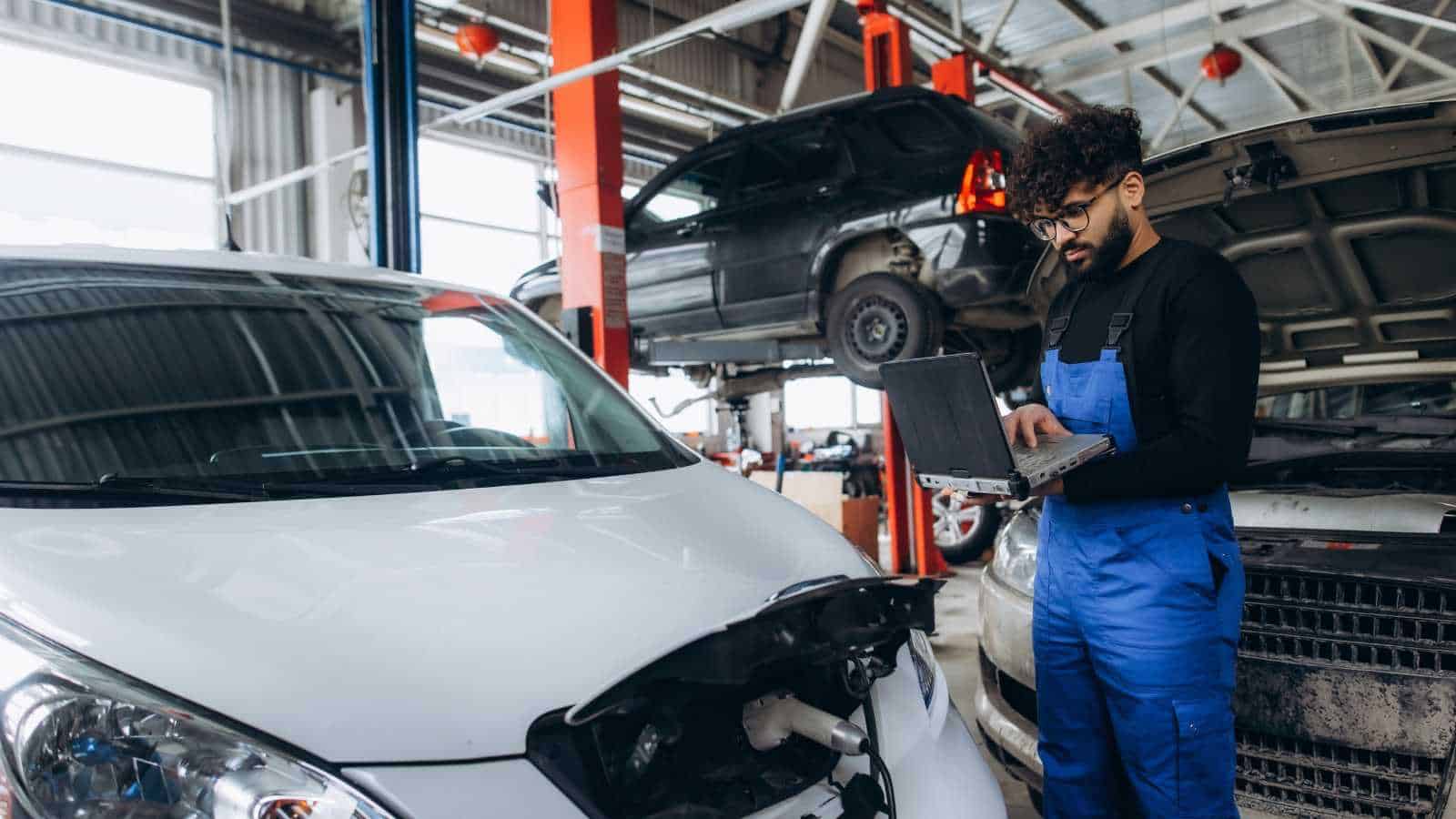
EVs skip many traditional maintenance items, but collision repairs can still bring sticker shock. Mitchell reported that repairable battery-electric vehicle claims averaged $6,236 in the U.S. in 2024, compared with $5,066 for internal combustion engine vehicles. That gap stems from complex components, high-voltage systems, sensors, and specialized repair procedures.
A trusted neighborhood mechanic may handle brakes and tires, but battery or software issues often send owners back to approved repair networks. Parts delays can also stretch the time a family spends without its main car. The ownership pitch sounds simple at first, but the repair path can feel narrow.
Insurance can climb
Insurance quotes can take the sparkle off an EV purchase. Higher vehicle prices, costly parts, and specialized repairs all push premiums upward.
That matters because insurance lands in the budget every month, long after the excitement of the test drive fades. Some models from legacy automakers price better, but Tesla and Rivian examples can still run high. A buyer may save at the charger, then hand some of that money back to the insurance company.
The green story has baggage

EVs cut tailpipe emissions, but batteries carry their own footprint before the car reaches a driveway. MIT Climate Portal notes that about three-quarters of the world’s cobalt comes from the Democratic Republic of the Congo, where human rights concerns continue to follow the mining industry. Lithium, nickel, cobalt, and graphite also require mining, processing, water, and energy.
That does not erase the climate benefits of driving an electric car over time, but it makes the clean-car story less tidy. Many women who care deeply about sustainability now ask tougher questions about sourcing and recycling. The best choice may still be an EV, but it no longer feels like a guilt-free magic wand.
Resale value feels shaky
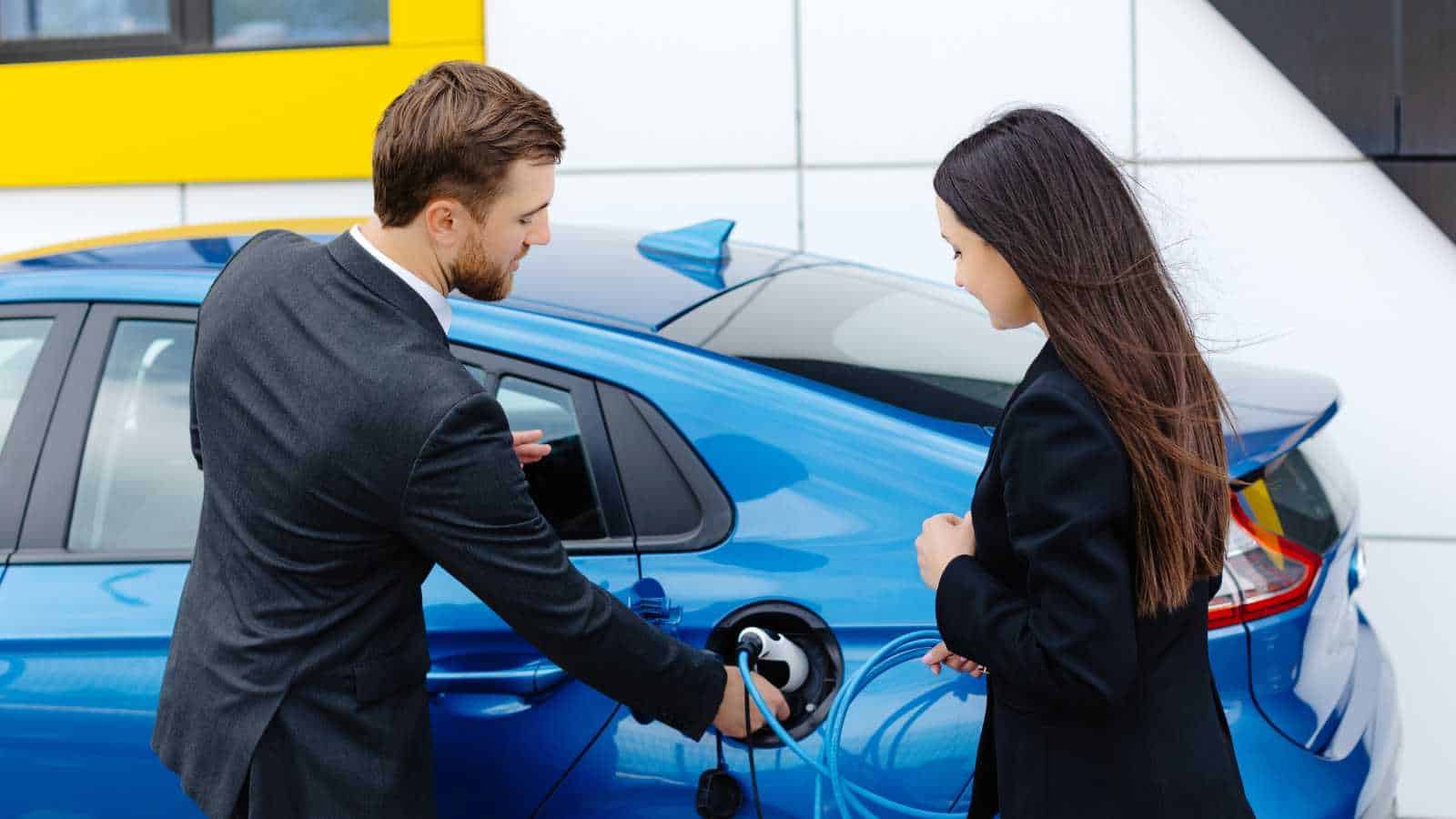
EV resale value has become a real worry for buyers who trade cars every few years. Newer models also arrive with better range, faster charging, and fresher software, so older EVs can feel dated sooner.
Buyers who finance for a long term may worry about owing more than the car is worth. Hybrids and trucks often look safer to shoppers who care about resale stability.
Software can frustrate
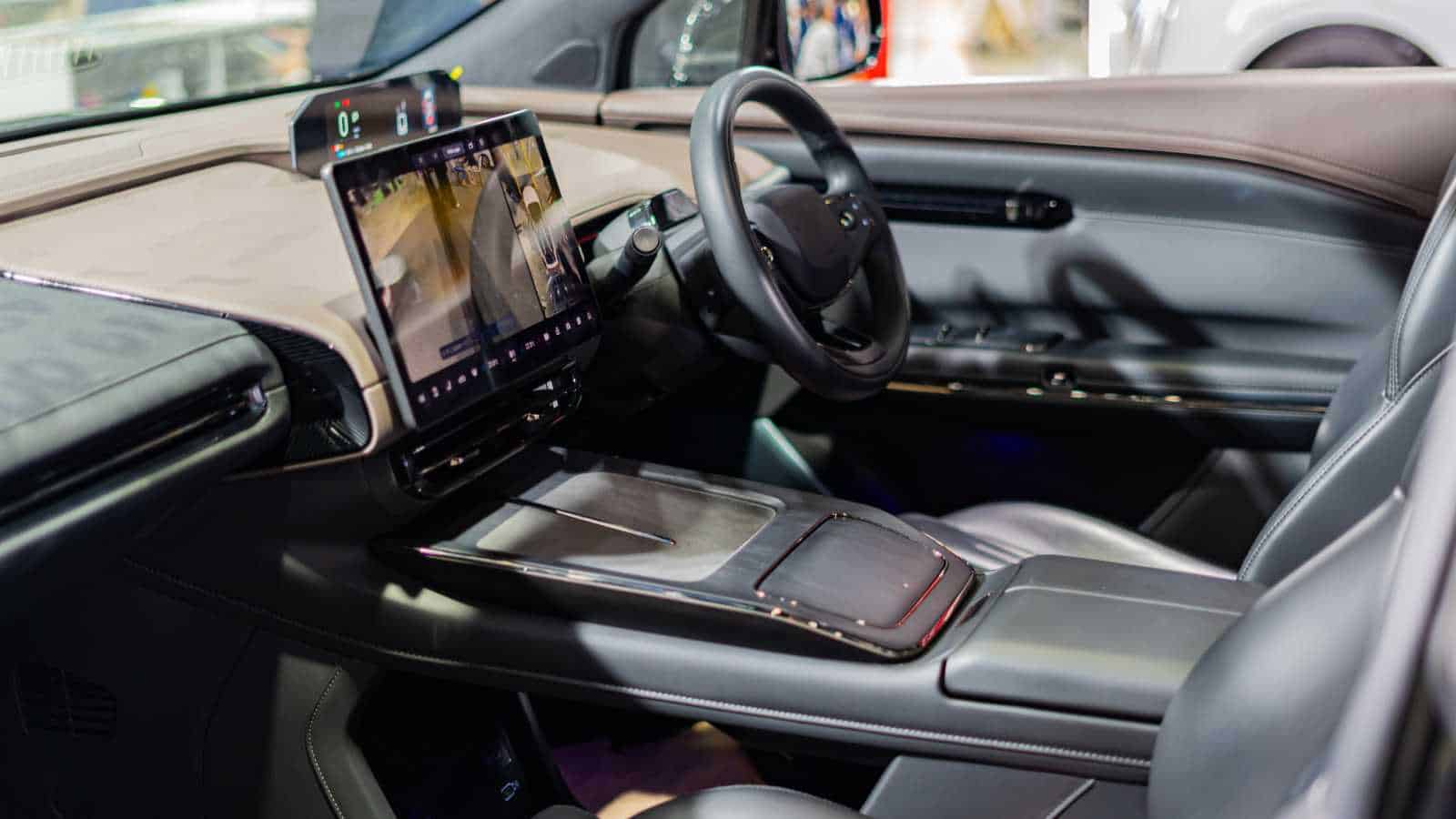
Modern EVs can feel like phones on wheels, bringing both charm and chaos. Reuters reported in May 2026 that Tesla recalled 218,868 U.S. vehicles due to delayed rearview camera images, with the fix delivered via an over-the-air software update. That kind of update can solve a problem without a shop visit, which sounds great.
It can also remind drivers that a car now depends heavily on screens, code, sensors, and surprise patches. Many buyers want simple buttons, steady menus, and a car that behaves the same way every morning. A clever EV can lose trust if software glitches interrupt basic driving routines.
Key takeaway

EVs still have plenty going for them. They can feel smooth, quiet, quick, and cheaper to fuel, especially for owners with easy home charging. The downsides show up in the details. Range, public charging, winter performance, towing, repair access, insurance, battery aging, resale value, and software all shape the true ownership experience.
It is clarity. An EV may fit beautifully if your daily routes stay predictable and home charging feels easy. It may feel stressful if you rent, travel often, tow, live in a cold area, or closely monitor your monthly bills. The best buyer goes in with clear eyes, asks real questions, and chooses the car that supports her life rather than complicates it.
Disclaimer – This list is solely the author’s opinion based on research and publicly available information. It is not intended to be professional advice.
Like our content? Be sure to follow us.