12 phrases people say when they’re probably lying
Ever felt that little gut check when someone says, “To be honest…” or “I swear, this is the truth!”? It’s like your brain instantly goes, “Wait a minute…” Funny how those phrases can send up red flags, even when the person seems totally sincere.
Well, guess what? You’re not imagining it! On average, Americans tell about 11 lies per week. That breaks down to roughly 1.65 lies every single day, according to a report by Mastermind Behavior.
Liars tend to slip up with certain phrases, and once you know them, you’ll be able to spot the fibs a mile away. Ready to fine-tune your “lie radar”? Here are 12 phrases to watch out for the next time you think someone might be pulling your leg.
“To Be Honest” or “Honestly”

Oh, here we go. The moment you hear “to be honest” or “honestly,” you know something’s off. Why stress honesty unless there’s a reason to? It’s like they’re shouting, “Trust me!”—exactly when you should start being the most suspicious.
“I Didn’t Do That”

This is one of the classics. The moment someone says, “I didn’t do that” with no contractions, you better believe they’re trying too hard. If they weren’t guilty, they’d just say, “I didn’t.”
Deceptive individuals are evasive and use this tactic to buy precious time to formulate a believable response. The extra emphasis is a red flag that they’re covering something up.
“I Don’t Remember”

Isn’t it funny how people forget all the important stuff when it’s convenient? If someone hits you with, “I don’t remember,” ask yourself if they’re really forgetful, or if they just don’t want to own up to something.
Their memory always fails them when they’re in the hot seat. Honest people typically say “I don’t know” rather than “I don’t remember”.
“Trust Me”
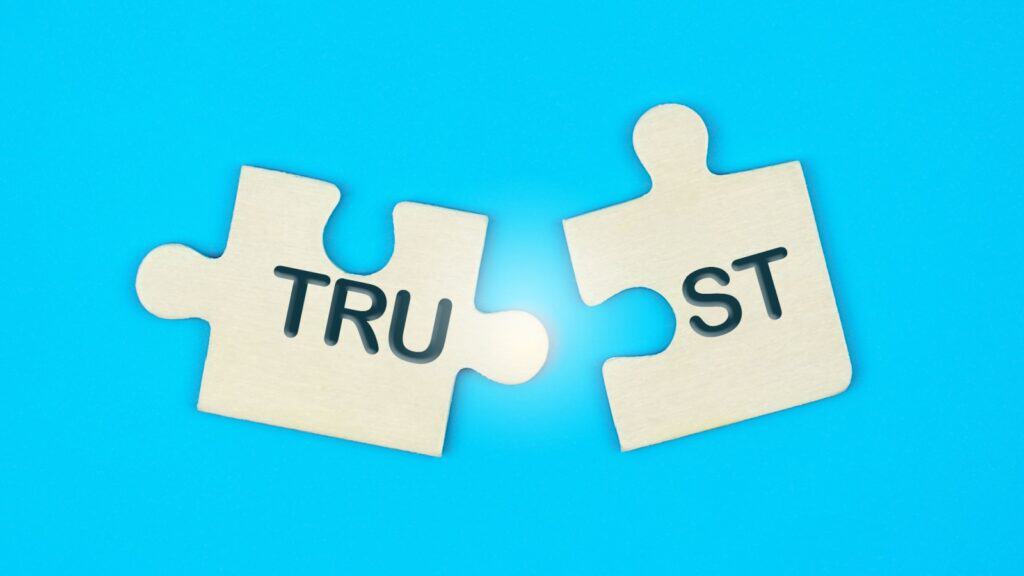
The moment they tell you, “Trust me,” you should probably question everything they say after. Why do they need you to trust them so badly? If their story checked out, they wouldn’t need a personal guarantee, right?
“Trust me” is usually the red flag you didn’t know you needed.
“I Was Just Kidding.”

Ah, the classic deflection. When they say, “I was just kidding,” after saying something out of line, that’s your cue to call it out. If it was really just a joke, why does it sound like they’re covering up something bigger? Yeah, not buying it.
“I Think I Might Have Left It There”

Sure, “I think I might have” sounds casual, but it’s a way for someone to sound unsure without actually committing to anything. It exemplifies what psychologists and linguists call hedging language.
It’s like they’re giving you just enough to make it seem like they’re telling the truth—but not enough to be caught. Sneaky, right?
“Believe Me”

Here’s a little tip: If someone needs you to believe them that much, don’t. “Believe me” is just another way of them pushing their story when you should be doubting it.
If their story was solid, you’d believe it without them having to try so hard. Genuine honesty requires no advertisement.
“It’s Not a Big Deal”

This phrase is a classic for when someone doesn’t want to deal with something serious. They’ll downplay everything with, “It’s not a big deal,” but let’s be real: If it wasn’t, they wouldn’t be brushing it off.
This minimizing language is a well-documented deflection strategy used to sidestep difficult conversations, evade responsibility, and invalidate your feelings
“I Can’t Believe You Think That”

When someone turns the tables and makes YOU the crazy one for asking questions, that’s a major red flag. According to Medical News Today, it’s a manipulation tactic called DARVO (Deny, Attack, and Reverse Victim and Offender).
Instead of owning up, they’re trying to make you feel bad for even bringing it up. Don’t fall for it!
“I’m Not Sure, But…”

They throw in “I’m not sure, but” and suddenly go on to explain the entire situation in great detail. If they’re really not sure, how do they have so much to say about it? Classic way of pretending to be uncertain while actually controlling the conversation.
“I’ll Be Honest”

This one’s a repeat of the classic “honesty” spiel. When they say, “I’ll be honest,” it’s almost like they’re telling you, “Everything I’ve said before this? Well, maybe not so much.” If they were actually being honest, they wouldn’t need to say it.
“It’s Complicated”

“It’s complicated.” Oh, the classic cop-out. When someone drops this line, you can almost hear them hoping you’ll just back off. The truth? It’s usually not that complicated, but they’re definitely trying to avoid giving a direct answer.
According to interpersonal deception theory, people tend to twist things to fit their own agenda. So, don’t let them get away with it—press a little harder!
Disclosure line: This article was developed with the assistance of AI and was subsequently reviewed, revised, and approved by our editorial team.
Why investing for retirement is so important for women (and how to do it)

Why investing for retirement is so important for women (and how to do it)
Retirement planning can be challenging, especially for women who face unique obstacles such as the wage gap, caregiving responsibilities, and a longer life expectancy. It’s essential for women to educate themselves on financial literacy and overcome the investing gap to achieve a comfortable and secure retirement. So, let’s talk about why investing for retirement is important for women and how to start on this journey towards financial freedom.
Science Tells Us What To Expect As We Age: Strategies for Thriving in Later Life

Science Tells Us What To Expect As We Age: Strategies for Thriving in Later Life
How does aging affect our bodies and minds, and how can we adapt to those differences? These are questions that pertain to us all. Aging gradually alters people over decades, a long period shaped by individuals’ economic and social circumstances, their behaviors, their neighborhoods, and other factors. Also, while people experience common physiological issues in later life, they don’t follow a well-charted, developmentally predetermined path. Let’s take a look at what science has told us to expect.