12 reasons a proposed AI Data Center Moratorium is dividing Washington
A major policy fight is unfolding in Washington over something most Americans don’t see, but increasingly rely on every day: the data centers powering artificial intelligence.
The AI Data Center Moratorium Act, introduced in 2026 by Senator Bernie Sanders and Representative Alexandria Ocasio-Cortez, would temporarily halt the construction of new large-scale AI-focused data centers across the United States.
The bill is framed as a pause button on an industry expanding faster than regulators can track. It would remain in place until Congress passes broader legislation that covers energy consumption, environmental standards, and consumer protections related to AI infrastructure.
What makes the proposal significant is not just the politics behind it, but the fact that it lands at a moment when U.S. electricity demand, grid pressure, and AI infrastructure growth are already accelerating at record speed.
Here’s what is driving the debate.
The U.S. power grid is already under measurable strain
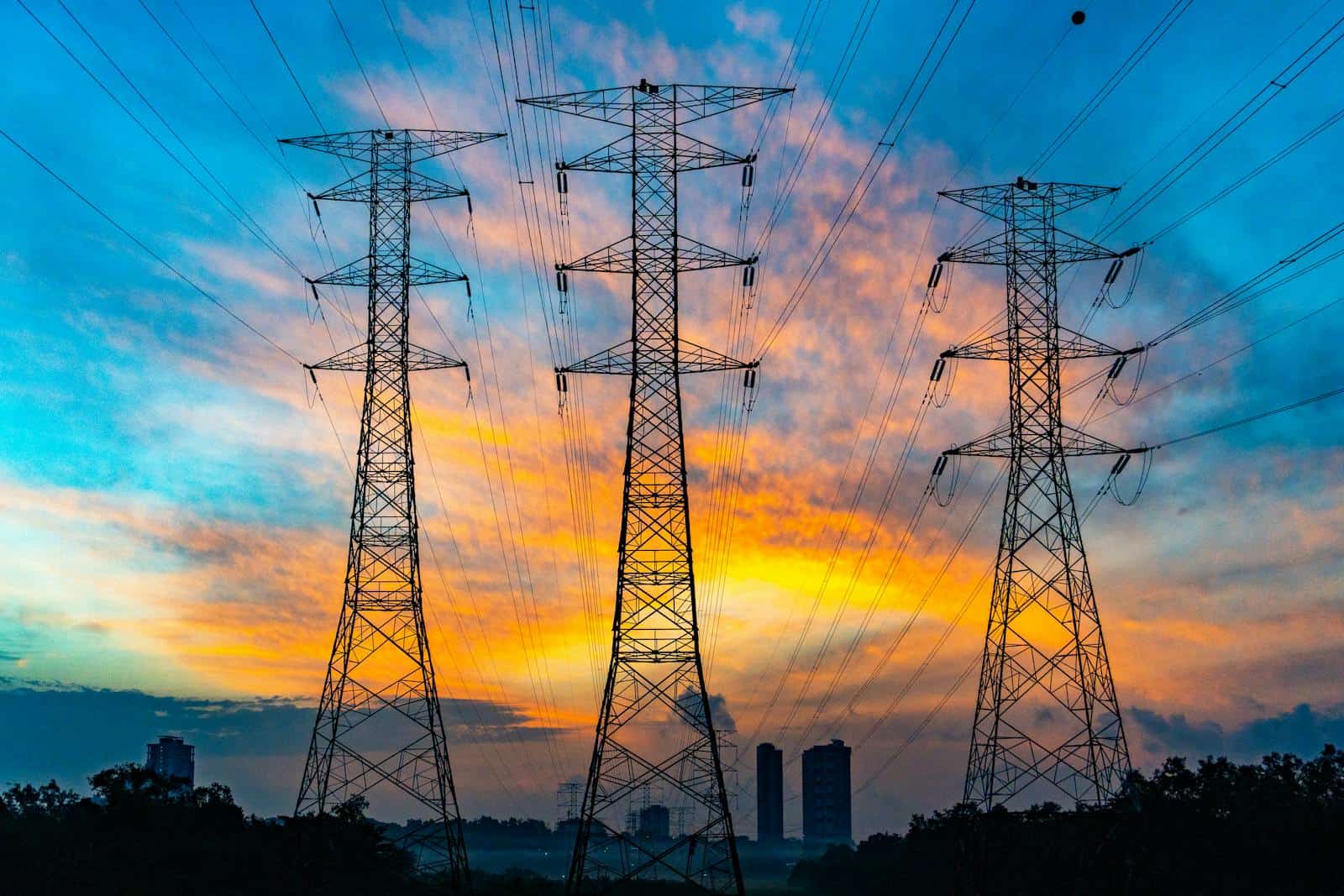
Data centers are now a major driver of electricity demand across the country.
According to Department of Energy estimates, they already account for about 4.4% of total U.S. electricity use, and projections show that figure could reach 12% by 2028 if AI expansion continues at its current pace.
At the national level, the Energy Information Administration expects electricity demand to rise from 4,097 billion kWh in 2024 to 4,283 billion kWh in 2026, with data centers identified as one of the fastest-growing contributors.
That means utilities are planning for a grid that must expand much faster than it has in decades or risk falling behind demand.
Demand growth is no longer incremental; it is exponential

The pace of change is one of the central concerns driving the moratorium.
S&P Global’s 451 Research projects that U.S. data center electricity demand will rise 22% in 2025 alone, with total demand nearly tripling by 2030. McKinsey’s analysis points in the same direction, estimating consumption could surge from 147 TWh in 2023 to 606 TWh by 2030, pushing data centers from roughly 3.7% of U.S. electricity use to nearly 12%.
That level of growth within a single decade is what lawmakers describe as a structural shift in how the U.S. power system operates.
A single facility can consume power on the scale of a small city
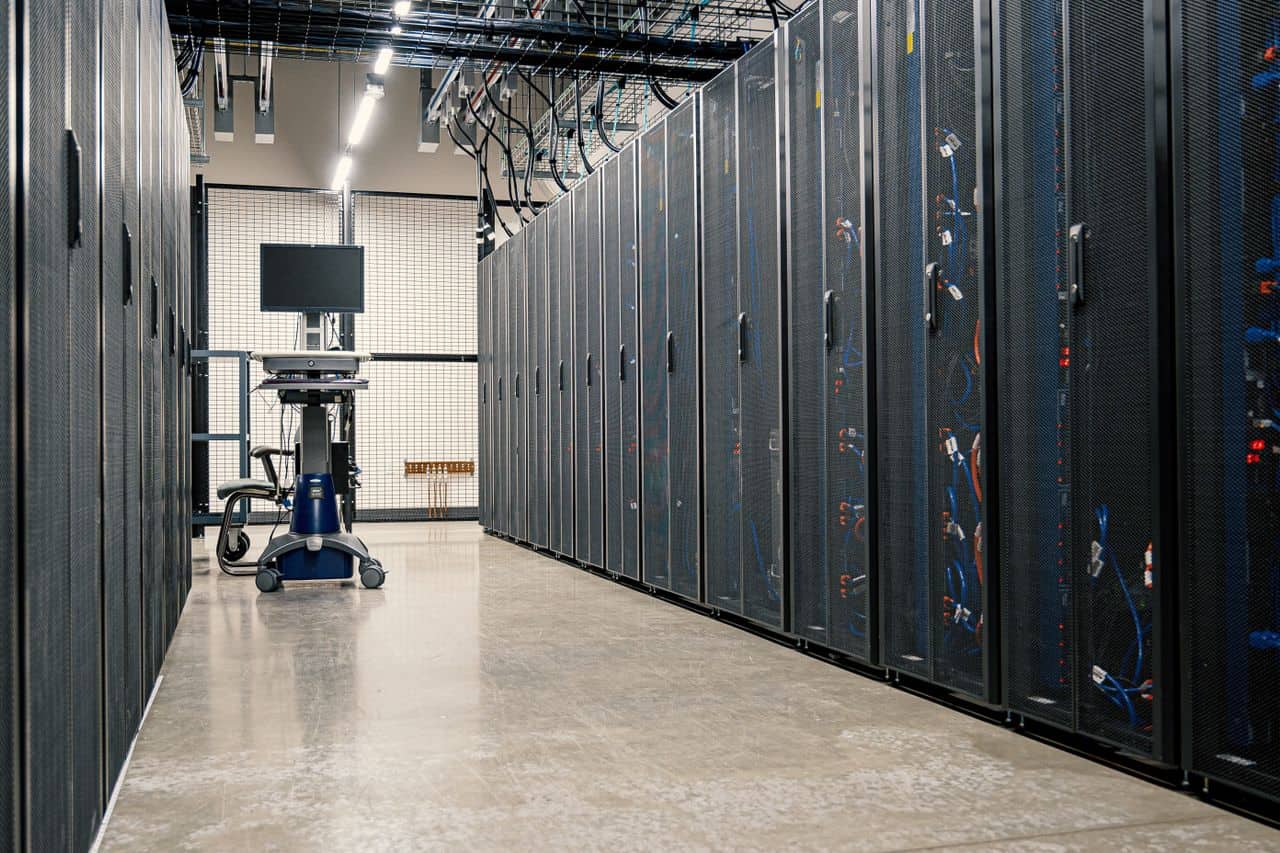
The scale of individual AI data centers has become a political issue in itself.
Consumer Reports estimates that hyperscale data centers often require around 100 megawatts of electricity, roughly equal to the power consumption of 100,000 homes.
In states where multiple facilities are being built in close proximity, utilities are now being forced to expand grid capacity, transmission lines, and water cooling systems simultaneously; often on compressed timelines.
That combination is driving concerns that local systems are absorbing national-scale infrastructure demand.
Climate projections show long-term emissions lock-in
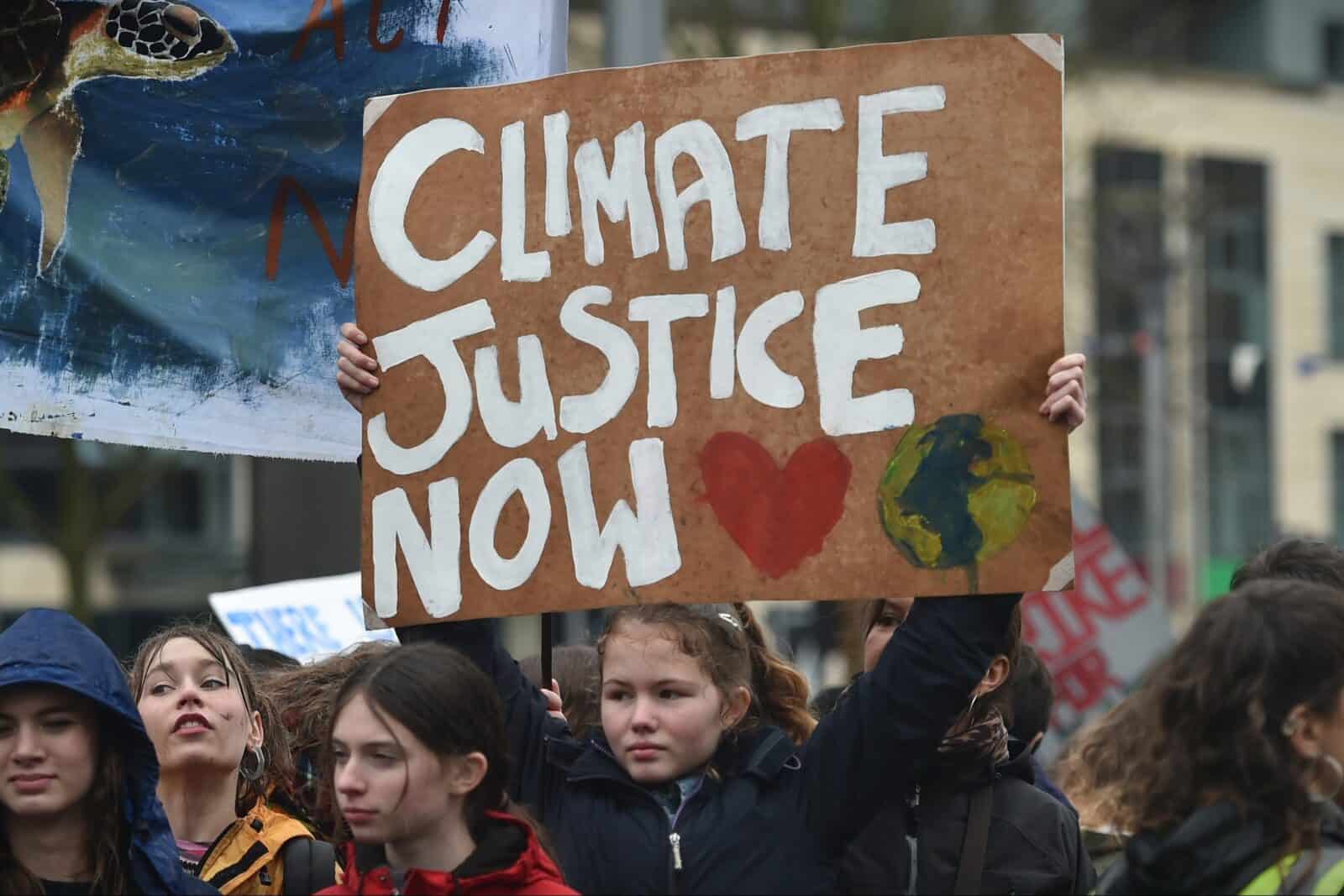
Environmental impact is another factor shaping the push for a pause.
A 2025 study published in Nature estimates that AI-related infrastructure could generate 24–44 million metric tons of CO₂ annually in the U.S. by 2030, equivalent to millions of additional vehicles on the road.
Globally, data centers already consume around 448 TWh of electricity per year, producing up to 208 million metric tons of CO₂, according to climate analyses compiled from major reporting outlets.
BloombergNEF projects that global data center electricity demand could reach 1,200 TWh by 2035 and 3,700 TWh by 2050, suggesting that today’s construction decisions will shape emissions trajectories for decades.
Grid expansion is struggling to keep pace with AI growth
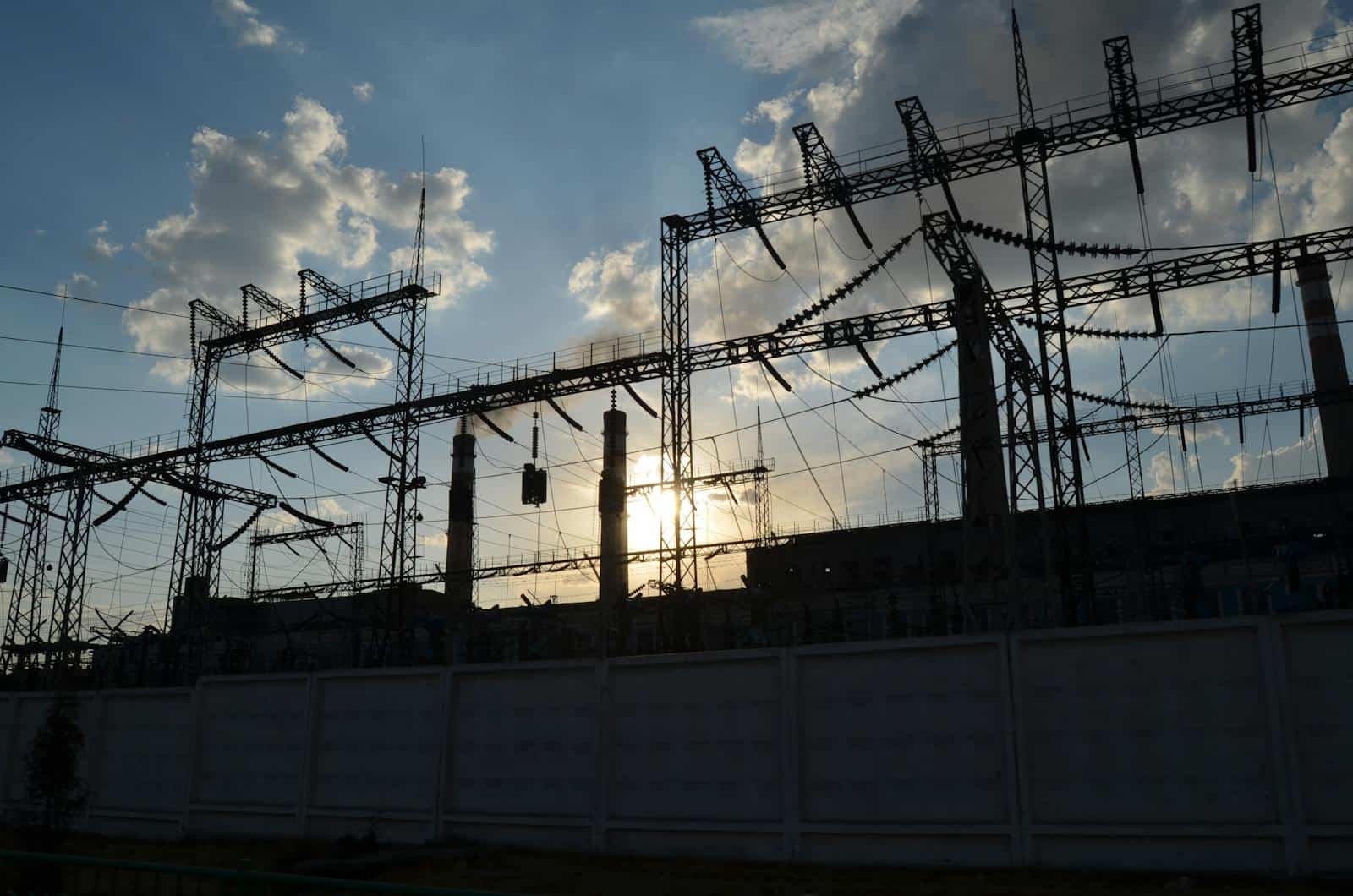
Utility planning is now being tested by the speed of AI infrastructure expansion.
BloombergNEF estimates U.S. data center power demand will rise from roughly 35 GW in 2024 to 78 GW by 2035, nearly doubling in just over a decade.
At the same time, utilities warn that transmission expansion and generation upgrades typically take years, often longer than the construction timeline for new data centers.
That mismatch is creating pressure points in several regions where new AI facilities are competing directly with residential and industrial power needs.
The global footprint of data centers is expanding beyond national control

The debate is not limited to domestic infrastructure.
A United Nations University report warns that data centers already carry “nation-sized” footprints in energy, carbon, and water use, and that these impacts could double within a few years if current AI growth trends continue.
Some elements of the moratorium proposal also raise concerns about how AI infrastructure is exported abroad, particularly to regions with weaker environmental and safety regulations.
6 Reasons Opponents Say the Moratorium Could Disrupt the U.S. Economy
AI infrastructure is becoming core economic infrastructure

The same data centers targeted by the moratorium also power cloud computing, enterprise software, and digital services used across the U.S. economy.
BloombergNEF projects U.S. data center demand will rise from 35 GW in 2024 to 78 GW by 2035, reflecting sustained growth across multiple sectors, not just AI training.
That expansion supports construction jobs, engineering roles, energy investment, and high-skilled tech employment across the country.
AI systems are already embedded in critical industries

Large-scale computing is not limited to commercial AI tools.
Frontier models already require tens of megawatts of computing power, and future multi-gigawatt facilities are being designed to support applications in medicine, logistics, cybersecurity, and scientific research.
In healthcare alone, AI-driven systems are increasingly used for diagnostics, drug discovery, and medical imaging analysis, all of which depend on high-performance computing infrastructure.
Efficiency improvements could cut environmental impact without halting growth

Energy analysts point out that data center expansion does not automatically translate into proportional increases in emissions.
The Energy Information Administration highlights ongoing improvements in grid efficiency and energy management. Advances in cooling systems, chip design, and clean-energy sourcing could reduce AI-related emissions by up to 73% and water use by up to 86% compared with worst-case projections.
That research is often cited in policy circles as evidence that regulation and efficiency upgrades may reduce impact without stopping construction.
Local governments are already regulating expansion
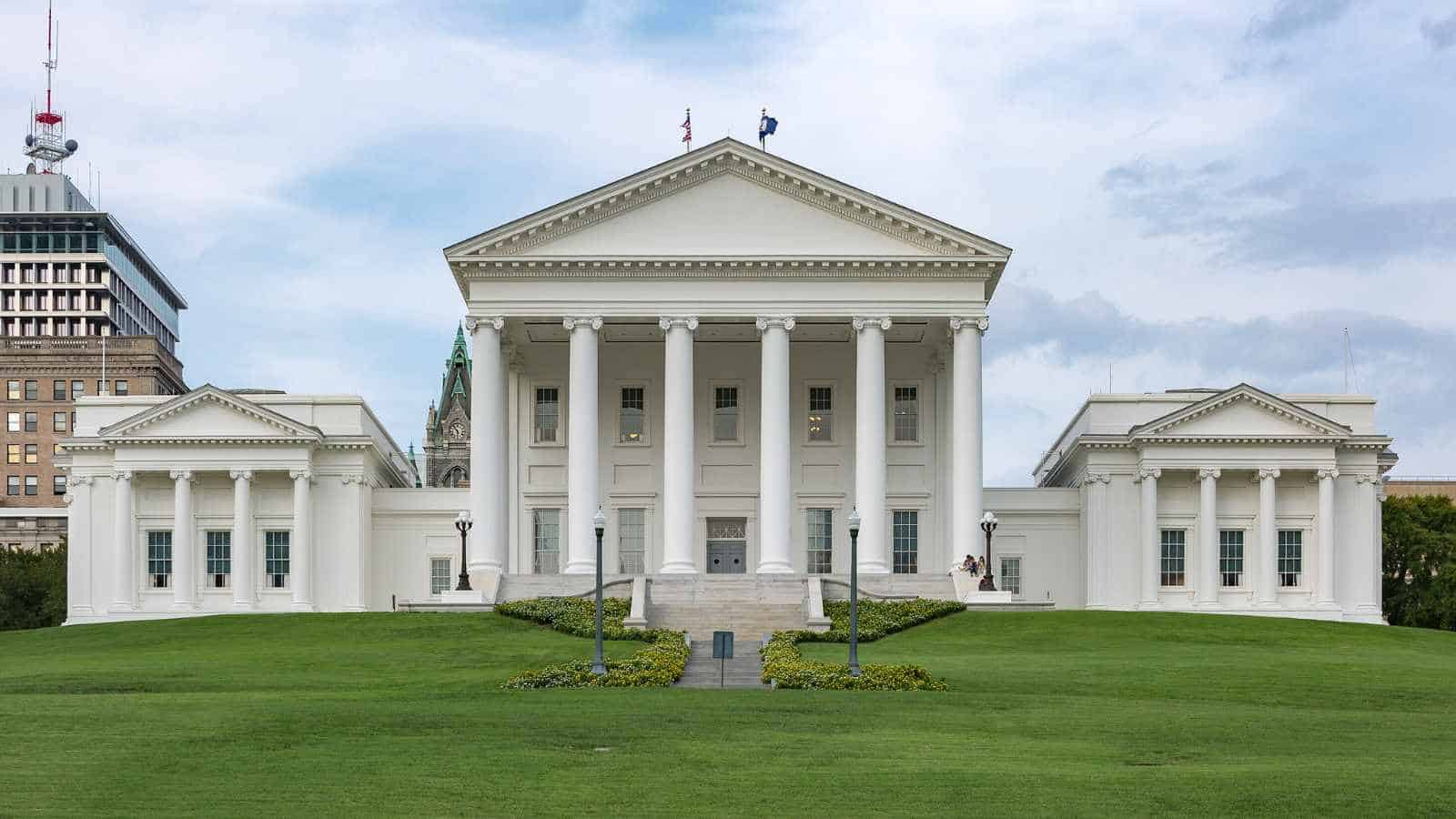
Across the United States, local and state governments are increasingly stepping in to manage data center growth.
Zoning restrictions, environmental impact reviews, and utility approval requirements are already shaping where and how new facilities are built. In 2025, Virginia’s General Assembly passed House Bill 1601 / Senate Bill 1449, creating special rules for “High Energy Use Facilities” (HEUFs)—defined as facilities needing 100 megawatts or more of power from a retail electric utility.
Harvard-linked land-use research shows that these local approaches allow governments to tailor rules based on regional water availability, grid capacity, and land constraints — avoiding a one-size-fits-all national policy.
A moratorium could introduce long-term investment uncertainty

Because the proposal would remain in place until broader federal AI legislation is passed, utilities and developers warn it could slow investment decisions tied to long planning cycles.
U.S. Department of Energy (DOE) report on transmission expansion (2023) notes that new high-voltage transmission lines often take 10 or more years to complete, with many projects delayed longer due to permitting and land acquisition challenges.
That delay, some analysts warn, could affect both energy supply and digital infrastructure growth.
The policy fight is becoming a broader political fault line

The moratorium has already become a flashpoint in Washington’s broader debate over AI regulation.
Supporters frame it as necessary oversight for a rapidly scaling industry. Opponents describe it as a sweeping intervention that could weaken U.S. competitiveness at a moment of global AI competition.
Industry groups warn that increasingly polarized policy debates could make it harder to pass narrower regulations, such as energy-efficiency standards or transparency rules, that could address concerns without halting development.
The Bigger Picture

The AI Data Center Moratorium Act reflects a shift in how artificial intelligence is being governed in the United States.
What began as a debate over software safety and innovation has evolved into a broader question of physical infrastructure: how much electricity the country can generate, how much land and water are required, and how quickly the grid can expand to meet demand.
At its core, the dispute is not just about whether AI should grow, but how fast, how regulated, and at what cost to America’s energy system and economy.
And as both sides acknowledge, that balance is already being tested in real time.
Like our content? Be sure to follow us