12 reasons why trade school might be better than college
The promise that a four-year degree guarantees success is fading, replaced by a simpler truth: skills that build, fix, and power the world still matter deeply.
You have probably heard the old advice that a four-year degree is the only golden ticket to a successful life, but that script is flipping fast in modern America. More students are waking up to the reality that a mountain of debt and a generic diploma might not be the smartest route to happiness or financial freedom anymore. Parents and high school grads are starting to look at vocational training with fresh eyes, realizing that learning a specific skill can pay off quicker than sitting in a lecture hall.
The stigma around blue-collar work is fading as tech burnout rises and the need for people who can actually build and fix things becomes undeniable to everyone. You no longer need a master’s degree to earn a six-figure salary or to feel a deep sense of pride when you clock out at the end of the day. Smart folks are doing the math and seeing that trade schools offer a direct line to a stable career without the fluff that often clogs up university curricula.
Lower Cost Of Education

The price tag for a traditional university education has spiraled out of control, leaving many families wondering if the investment is truly worth the financial strain. The average total cost of a trade school education sits comfortably between $5,000 and $20,000, which is a fraction of what universities charge. You can save enough money to put a down payment on a house instead of handing it all over to a bursar’s office.
Most trade programs are lean and focused, meaning you are not paying for electives or campus amenities that you will never actually use or enjoy. Keeping your overhead low right from the start gives you a massive financial head start compared to peers who are drowning in tuition fees. This financial freedom allows you to start building wealth immediately rather than spending decades paying for your past.
Quicker Entry Into The Workforce

Time is money, and spending four or five years in a classroom means you are missing out on half a decade of earning a real paycheck. Trade school programs are incredibly efficient, often wrapping up in two years or less, so you can get out there and start making a living. You get to bypass the sophomore slump and the senioritis to jump straight into the professional world.
While university students are still stressing over midterms and finding summer internships, trade grads are already establishing themselves in their chosen industries. By the time your high school friends are tossing their graduation caps, you could already be a senior technician with two years of experience. Gaining that early foothold can accelerate your career trajectory in ways a degree simply cannot match.
Higher Earning Potential Immediately

There is a stubborn myth that you have to suffer through low wages in the trades, but the paycheck reality tells a completely different and more lucrative story. Elevator and escalator installers and repairers, for example, commanded a median annual income of $106,580 in 2024, proving that manual skills pay serious dividends. Skilled labor is valuable specifically because it is hard to automate and requires specialized training.
You can often hit the ground running with a salary that rivals or exceeds what entry-level corporate jobs are offering to fresh college graduates. Earning a high income in your early twenties allows you to invest sooner and sets you up for a much more comfortable financial future. The trades reward competence quickly, so you see the fruits of your labor in your bank account almost immediately.
Hands-On Learning Environment

Some people are just not wired to sit still in a lecture hall for hours on end while a professor drones on about abstract theories. Trade school offers a dynamic classroom where you learn by doing, using your hands to solve problems and master tangible skills every single day. If you are the type of person who loves to take things apart to see how they work, this is your playground.
This practical approach cements knowledge much faster than reading a textbook ever could because you are immediately applying what you learn. You will graduate with the confidence that comes from actually performing the job, rather than just writing essays about how the job should be done. It creates a satisfying loop of learning and doing that keeps you engaged and focused.
Job Security In Essential Industries
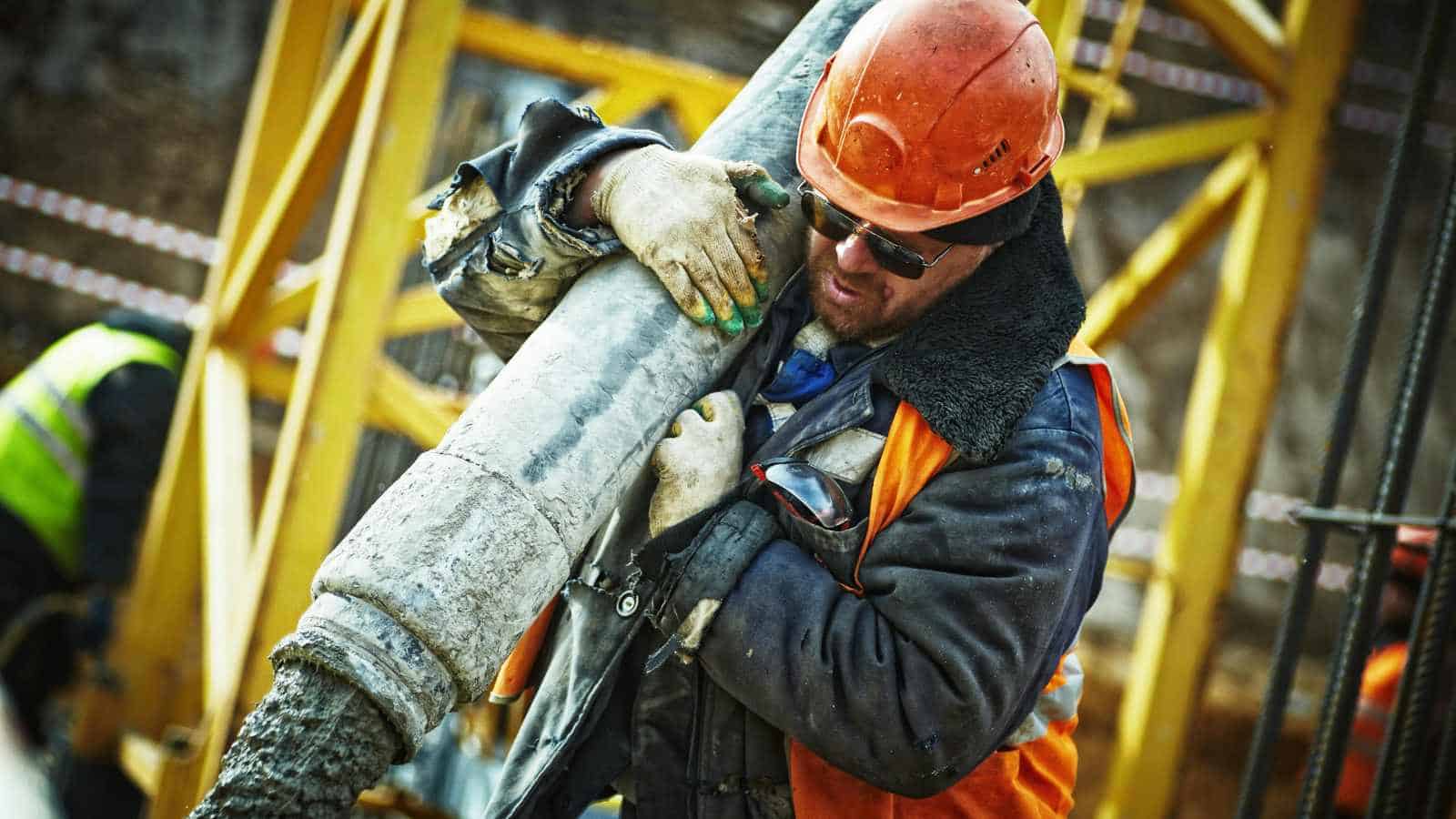
Recessions and economic downturns have a nasty habit of wiping out middle-management roles and office jobs that can be easily consolidated or outsourced. The construction industry is screaming for help, needing an estimated 439,000 new workers in 2025 just to keep up with current project demands. When the pipes burst or the power goes out, nobody cares about the economy; they just need a professional to fix it now.
These jobs are essential for a reason; society simply cannot function without electricians, plumbers, HVAC technicians, and welders keeping the infrastructure running. Choosing a trade means you are entering a field where your skills will likely always be in high demand, regardless of what the stock market is doing. You gain a level of professional safety that is becoming increasingly rare in the corporate sector.
Avoid The Student Debt Trap

We are living in a crisis where education costs are crippling an entire generation, preventing them from buying homes or starting families. Total student loan debt in the United States ballooned to a staggering $1.814 trillion, a burden that hangs over millions of Americans. Avoiding this financial anchor is one of the smartest moves a young person can make for their long-term mental and financial health.
Trade school graduates often finish with zero debt or a manageable amount that can be paid off in a year or two of work. Imagine starting your adult life with a clean slate and your full paycheck going into your pocket instead of into the hands of a loan servicer. It provides a sense of freedom and flexibility that is almost impossible to put a price on.
Clearer Career Path Definition

College students often change majors three times and still graduate, wondering what exactly they are qualified to do with a degree in general communications. Vocational training draws a straight line between your education and your future job, removing the guesswork and existential dread from career planning. You know exactly what you are signing up for and exactly where you will fit into the workforce.
This clarity eliminates the post-graduation drift where twenty-somethings spend years working in coffee shops while trying to “find themselves” professionally. You step out of school with a specific title and a concrete set of marketable skills that employers are actively looking for right now. It is a refreshing alternative to the ambiguity that plagues so many liberal arts graduates.
Massive Demand For Skilled Workers

The “skills gap” is not just a buzzword; it is a very real problem for employers who are desperate to find qualified people to hire. Recent data from the Bureau of Labor Statistics shows the employment rate for recent associate degree recipients was 78.1% in 2024, significantly higher than the 69.6% for bachelor’s degree holders. Companies are fighting over talent in the trades, which puts you in the driver’s seat when negotiating.
While other sectors are facing layoffs and hiring freezes, the trades are often facing a crisis of too much work and not enough hands. You will likely have your pick of job offers and the leverage to demand better benefits and working conditions from the very start. Being in high demand changes the entire dynamic of your working life for the better.
Specialized Skills For The Future

Green energy and advanced manufacturing are transforming the trades into high-tech careers that require brainpower as much as muscle. Wind turbine service technician jobs are projected to grow by a massive 50% between 2024 and 2034, making it one of the fastest-growing careers in the nation. These are not “old school” jobs; they are at the cutting edge of technology and sustainability.
Learning to maintain complex machinery or install solar grids places you at the forefront of the modern economy. You are future-proofing your career by mastering the technologies that will power the next fifty years of American infrastructure. It is exciting to be part of the solution for a cleaner and more efficient world.
Smaller Class Sizes And Focused Attention

University lecture halls can house hundreds of anonymous students, making it easy to get lost in the crowd and be left behind by distracted professors. Trade schools typically keep class sizes small, ensuring that you get the personal instruction and mentorship you need to truly master the craft. Your instructors are usually industry veterans who take a personal interest in your success and professional development.
This close-knit environment fosters a sense of community and allows for immediate feedback when you are learning tricky techniques. You build real relationships with your teachers and peers, creating a professional network that supports you long after graduation day. It is a much more supportive and human way to learn a profession.
Entrepreneurial Opportunities Abound

If you have ever dreamed of being your own boss, the trades offer one of the most accessible paths to business ownership in the country. Once you master your trade and get your license, the barrier to starting your own independent contracting business is relatively low. You do not need venture capital or a boardroom; you just need your tools, a truck, and a solid reputation.
Many successful trade school grads spend a few years learning the ropes on someone else’s dime before branching out to launch their own companies. You have the power to build a local empire, set your own prices, and control your own schedule in a way that corporate employees can only dream of. The ceiling for your success is determined entirely by your own hustle and drive.
Location Independence And Flexibility

A marketing degree might tether you to big cities with expensive rent, but skilled tradespeople are needed in every single town in America. You can choose to live in a rural paradise, a bustling suburb, or a major metropolis because pipes leak and wires spark everywhere humans live. This gives you the incredible power to choose a lifestyle that fits your personality and budget.
You are not beholden to a specific corporate headquarters or forced to relocate to a tech hub just to find a decent job. Whether you want to stay close to family or explore a new corner of the country, your skills travel with you wherever you decide to go. It offers a level of geographic freedom that is truly liberating.
Like our content? Be sure to follow us