12 smart ways to maximize your freezer meals
Your freezer is silently working harder than you think. On hectic weeknights, it can be the difference between a frantic last-minute scramble and a stress-free dinner. Across the U.S., families spend almost an hour a day on cooking and cleanup, leaving little room for life’s other demands.
Freezer meals give you back precious minutes while keeping dinners homemade and satisfying. Beyond saving time, they stretch ingredients, help you plan balanced meals, and reduce the risk of food waste piling up in your kitchen.
With a few smart strategies, those frosty containers can become your secret weapon for calm, creative weeknights. Here’s how to make your freezer do more than chill leftovers.
Label before you freeze
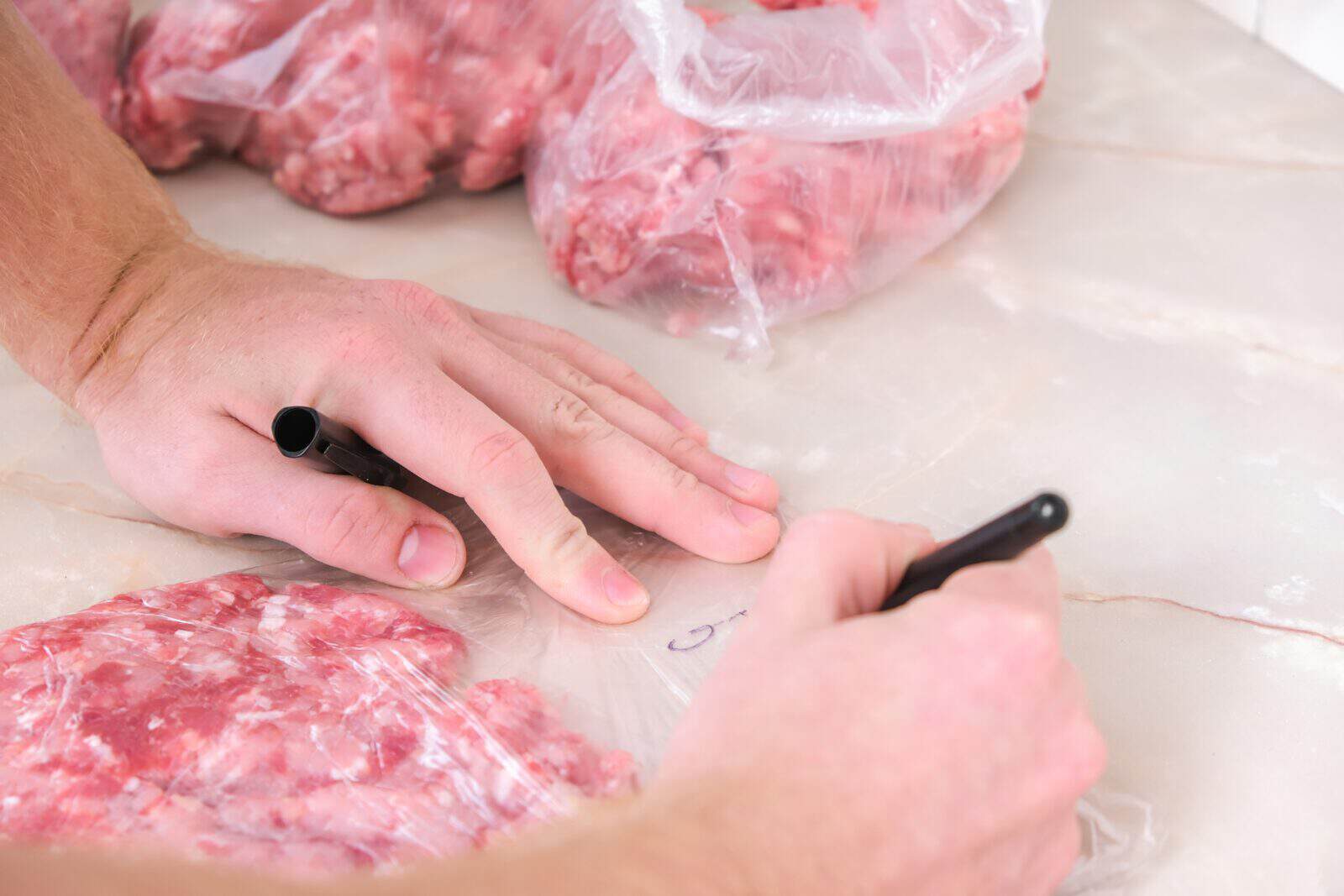
Clear labels save your future self from the dreaded mystery container game. Write the meal name, freeze date, serving count, and quick reheating note before the food goes in. University of Nebraska Lincoln food guidance lists four helpful label details, including food name, package date, servings or amount, and extra notes.
Keep tape and a marker near the freezer so the habit feels easy. Big, readable dates help you grab older meals first. A neat label turns frozen leftovers into dinner, not detective work.
Portion for real nights
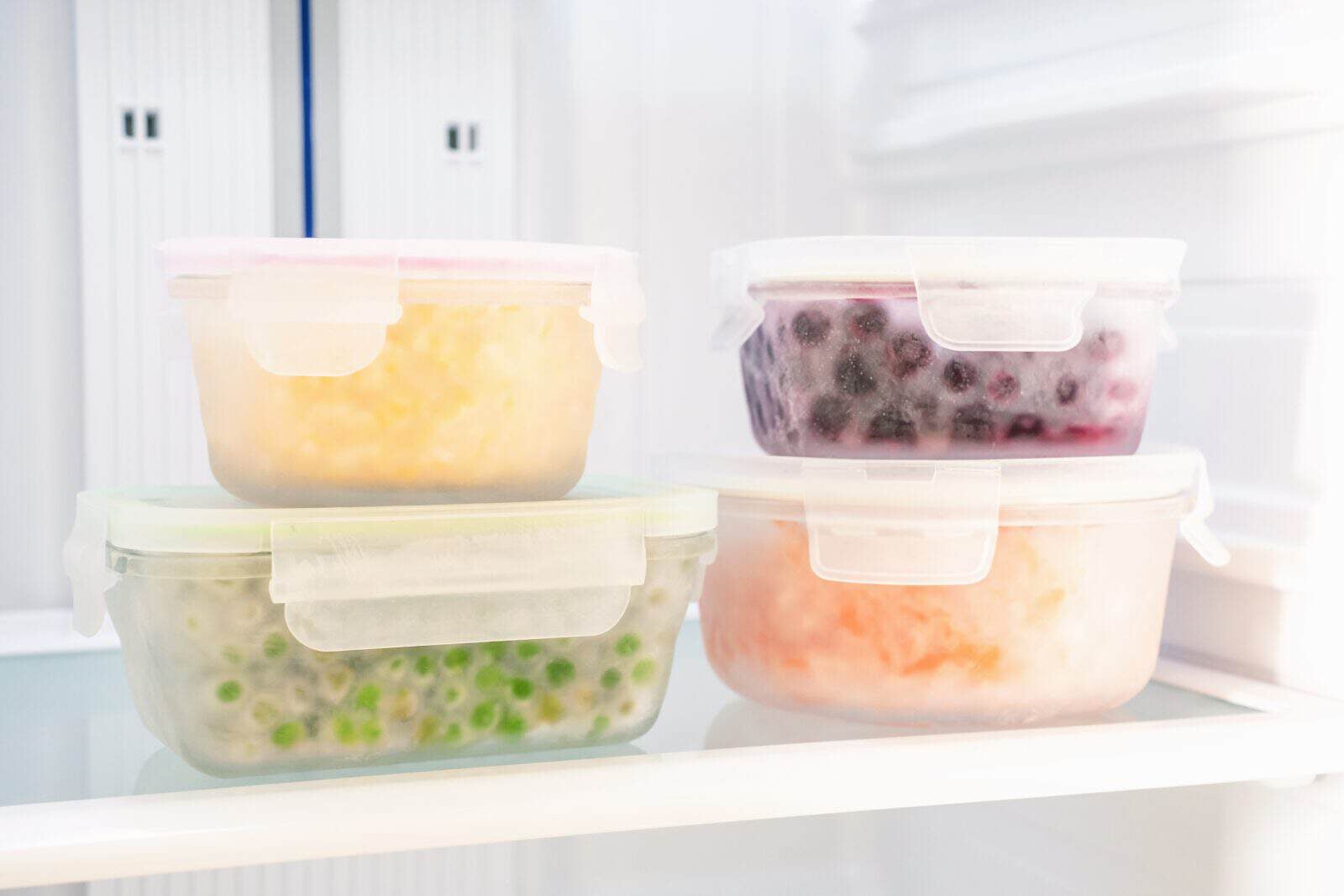
Smart portions make freezer meals fit your actual life. Freeze single servings for lunches, late work nights, or nights when everyone eats at different times. North Dakota State University Extension advises adding only the amount of food that can freeze within 24 hours, usually 2 to 3 pounds per cubic foot of freezer space.
That tip protects food quality and keeps the freezer from working too hard. Family portions still shine for casseroles, chili, and pasta bakes. The goal is simple: reheat what you need and avoid wasting the rest.
Freeze bags flat
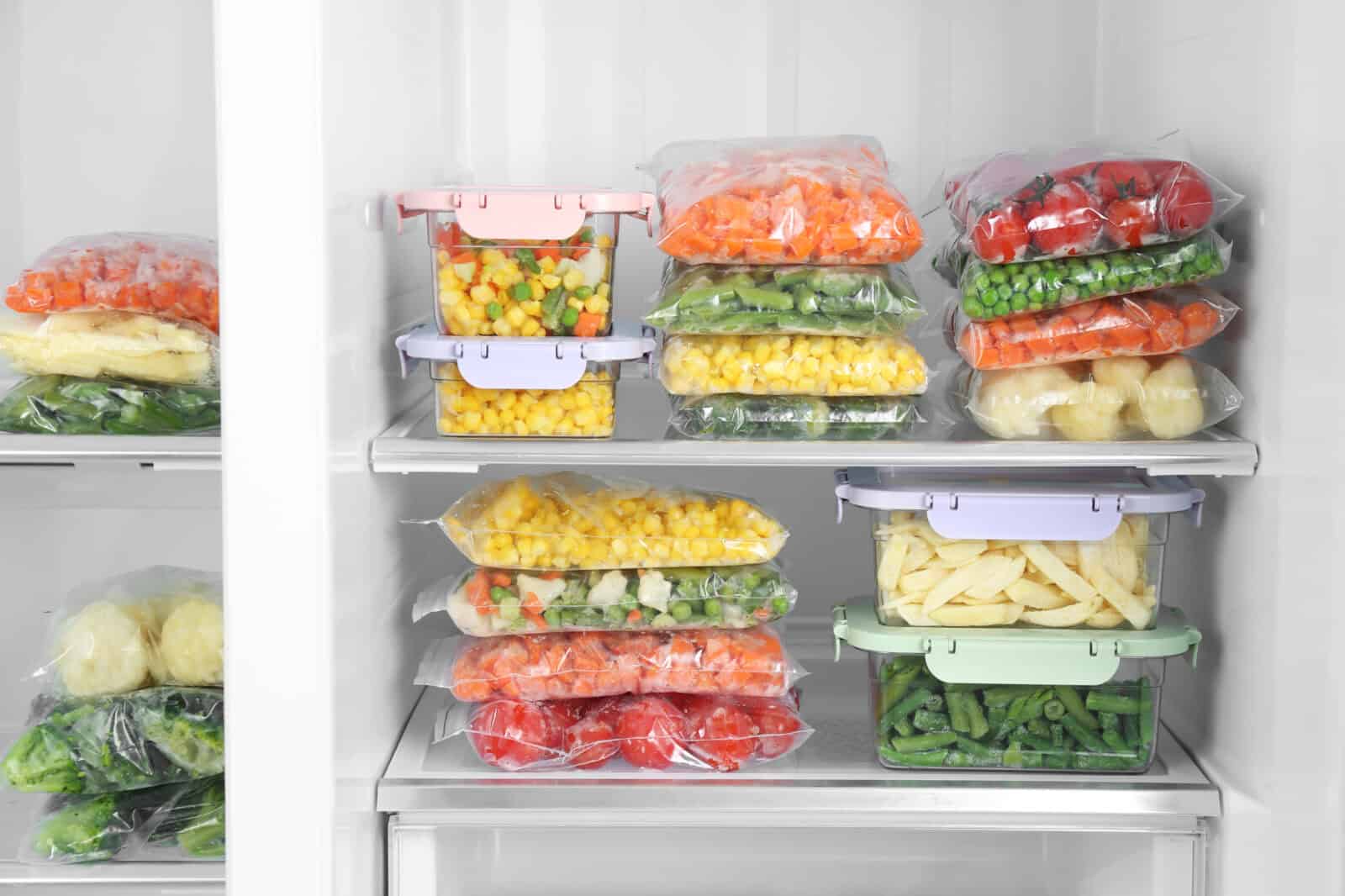
Flat bags make your freezer feel bigger without buying a thing. Pour cooled soups, stews, sauces, and cooked beans into freezer bags, press out air, and lay them on a tray.
You can see dinner options at a glance. This little trick turns a frosty pileup into a tidy meal library.
Rotate older meals first
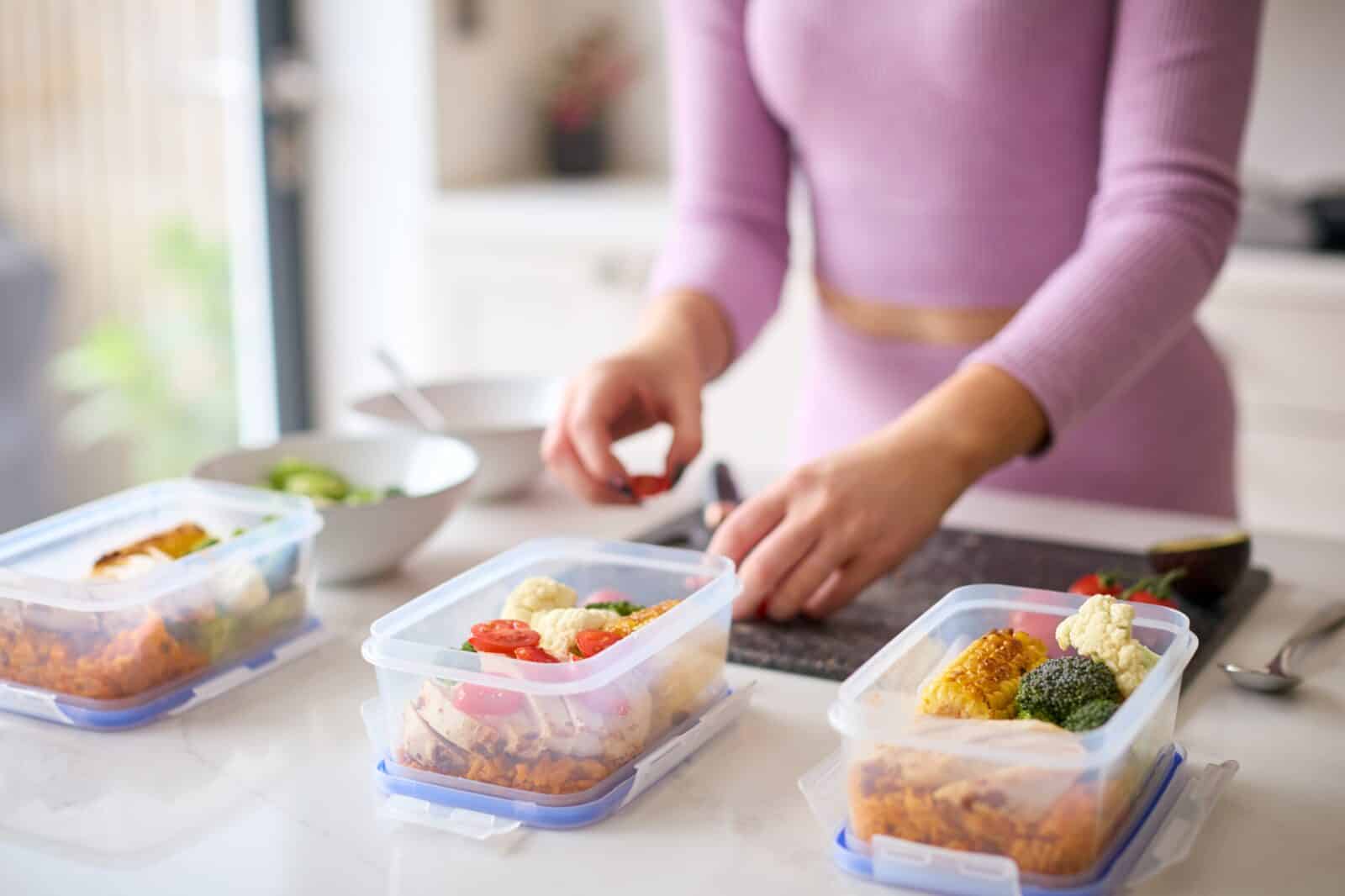
Rotation keeps your freezer stash fresh, safe, and far less boring. Use the simple first-in, first-out rule every time you meal plan. Michigan State University Extension says FIFO means labeling stored food with dates and placing older items in front or on top so you use them first.
Put newer meals behind older meals after every grocery trip. Keep one “eat this week” section for anything nearing peak quality. Your freezer will stop becoming a cold hiding place for forgotten dinners.
Prep flexible bases
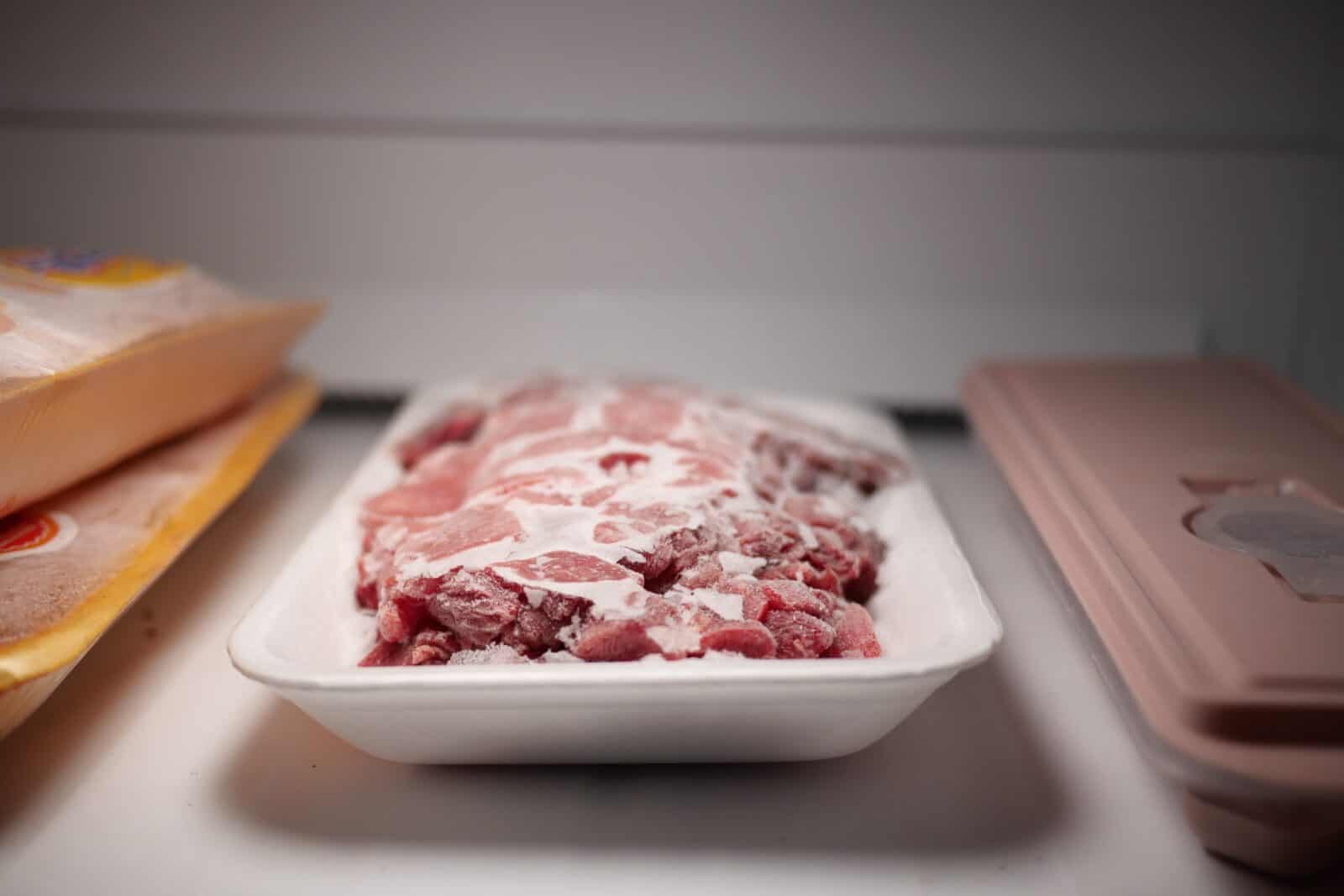
Versatile bases give you more dinner choices with less cooking. Freeze plain shredded chicken, cooked turkey, rice, beans, lentils, roasted vegetables, or tomato sauce. CDC data shows that adults got 53 percent of their calories from ultra-processed foods from August 2021 to August 2023, so ready-made bases can help you build quicker meals at home.
A neutral protein can be used to make tacos, soup, pasta, or salad bowls. Plain rice can support stir-fry one night and burrito bowls the next. Your freezer becomes a shortcut station, not a repeat button.
Guard against freezer burn
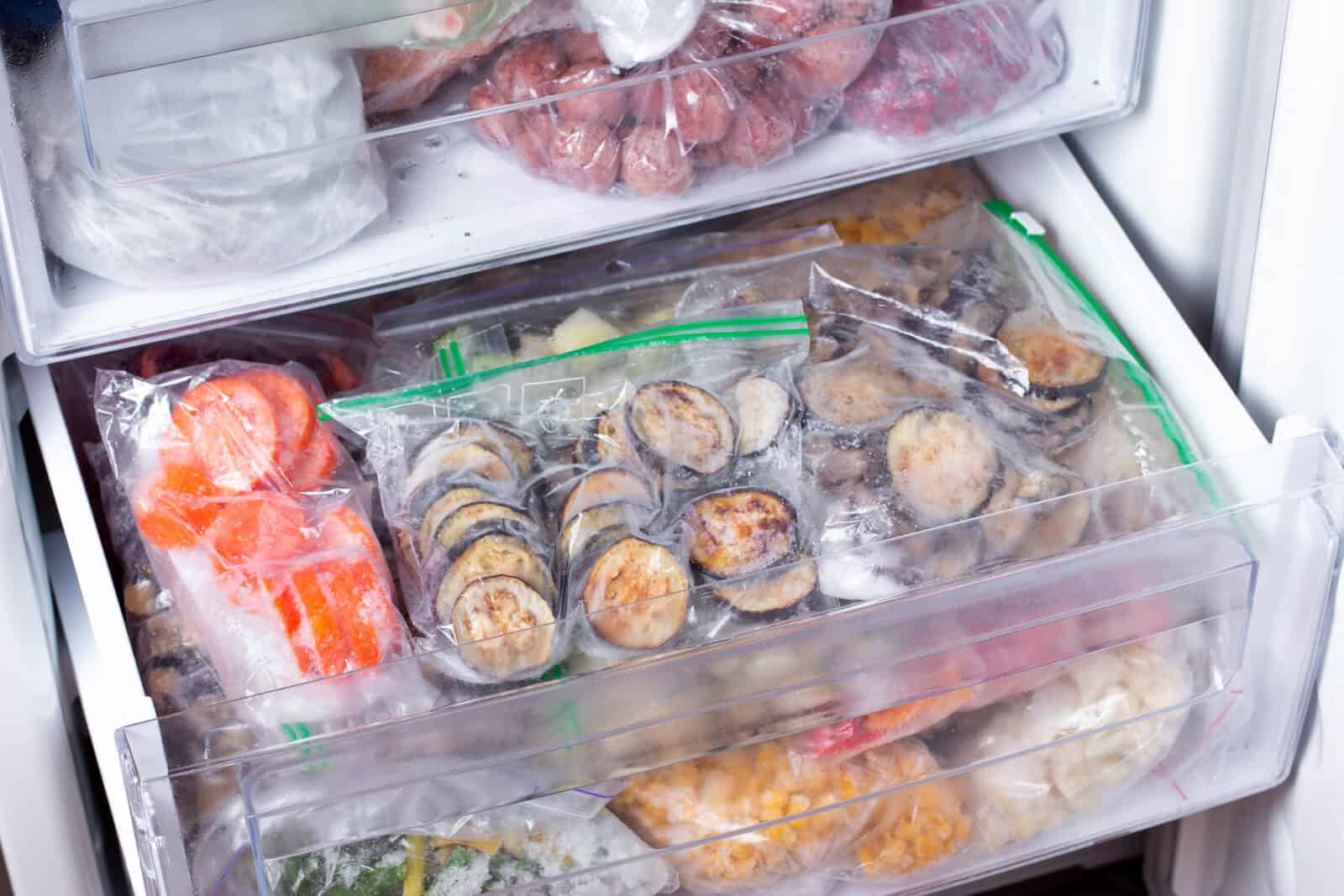
Freezer burn steals flavor before it compromises safety. Air causes dry patches, icy crystals, and a sad texture, so wrap meals tightly and choose freezer-safe bags or containers. Press air from bags before sealing.
Use smaller containers instead of leaving extra space around food. A snug package keeps that cozy soup tasting like dinner, not freezer air.
Batch cook with purpose
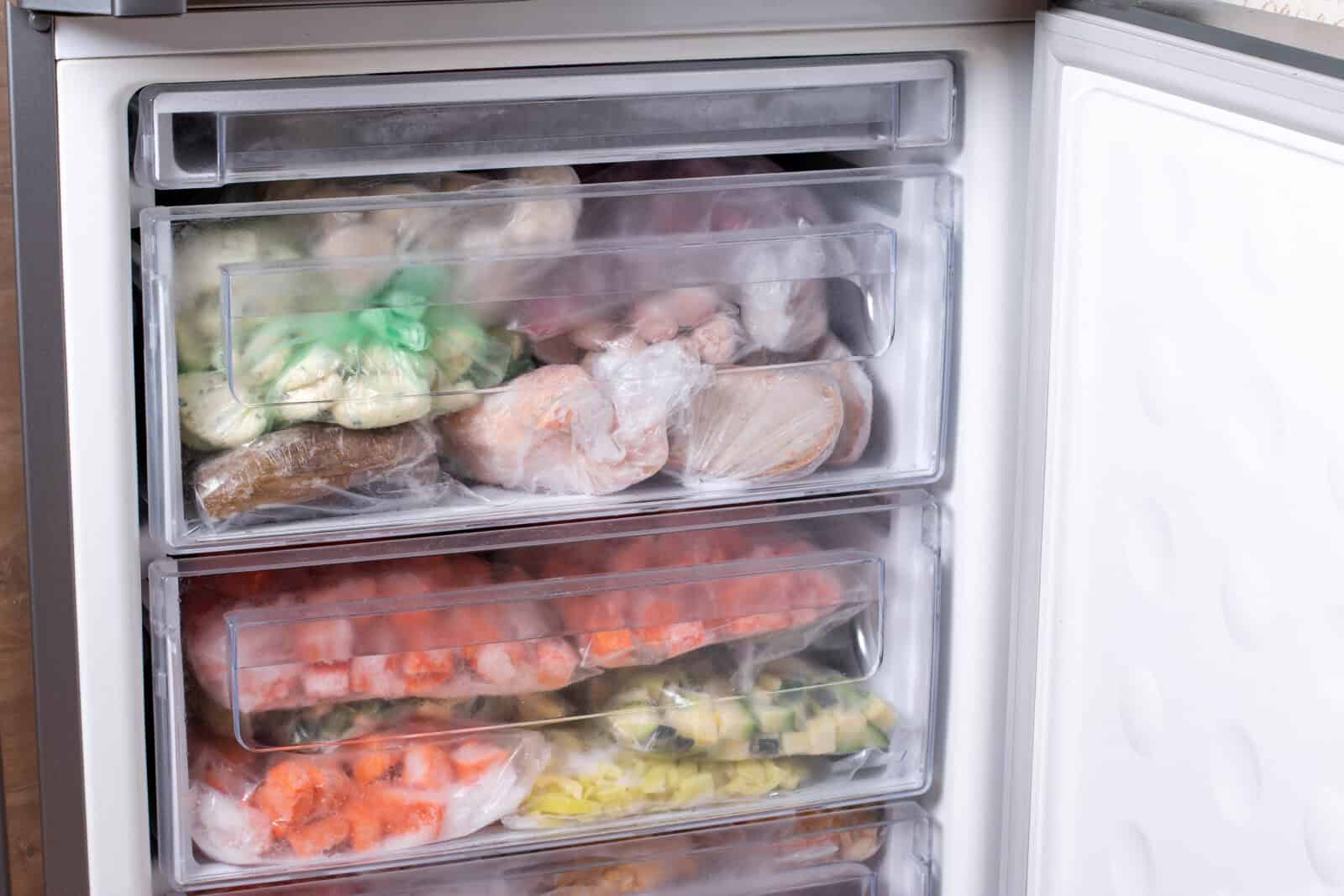
Batch cooking works best when you choose meals that freeze beautifully. Think chili, meat sauce, curry, soup, baked ziti, breakfast burritos, and cooked grains.
Clean the kitchen once and stock for several nights at once. In the future, you will absolutely want to send yourself a thank-you card as a present.
Mix meals and pieces
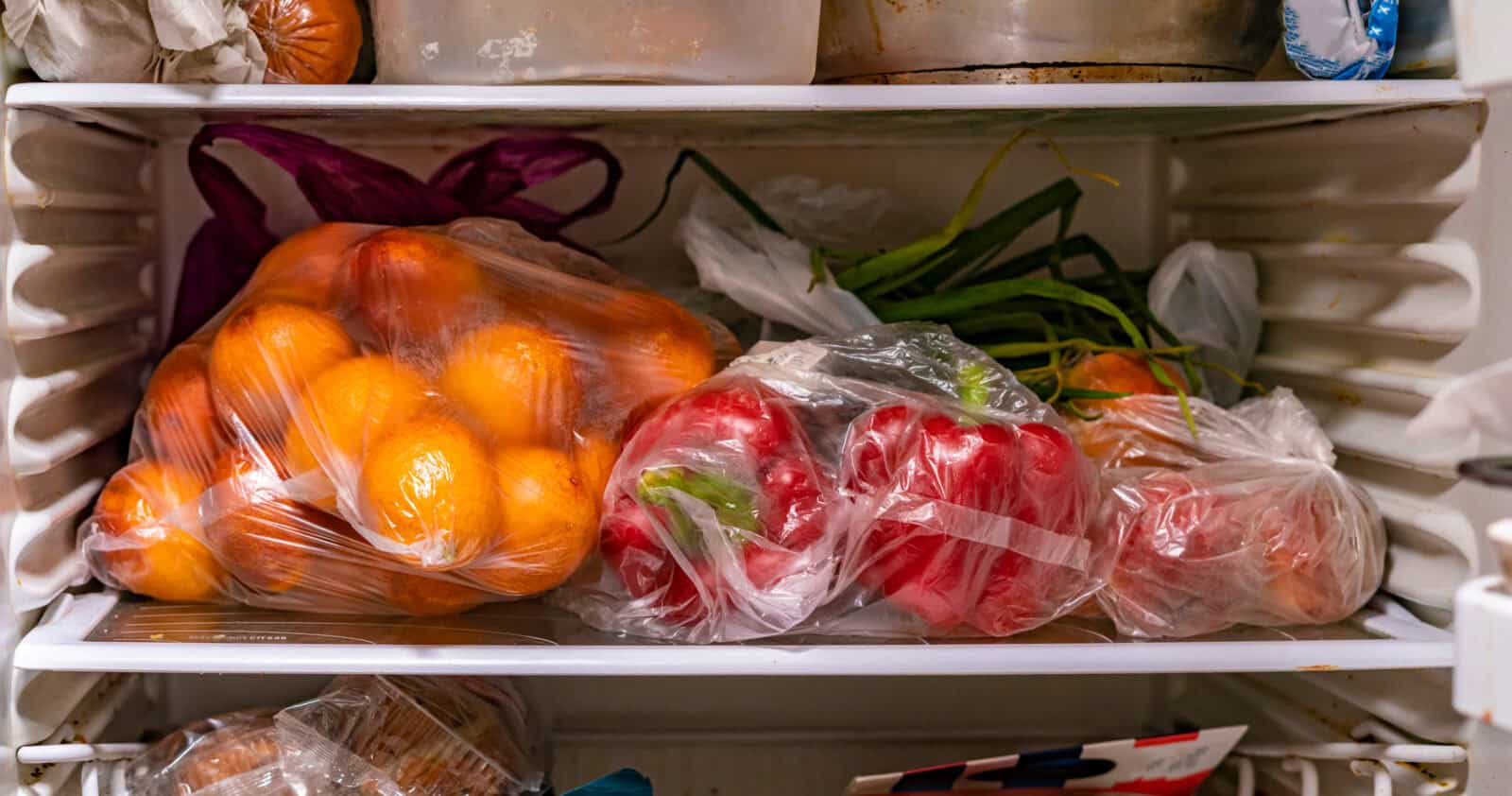
A strong freezer has full meals and useful pieces. Keep a few complete dishes for no-energy nights, then add components like cooked beans, frozen vegetables, sauces, and marinated proteins. AFFI and FMI found that 76 percent of frozen food consumers now combine fresh and frozen ingredients in the same meal.
That approach gives you freedom. A frozen casserole can handle a packed Tuesday. Frozen chicken and vegetables can still become something fresh with rice, herbs, and a quick sauce.
Reheat with care
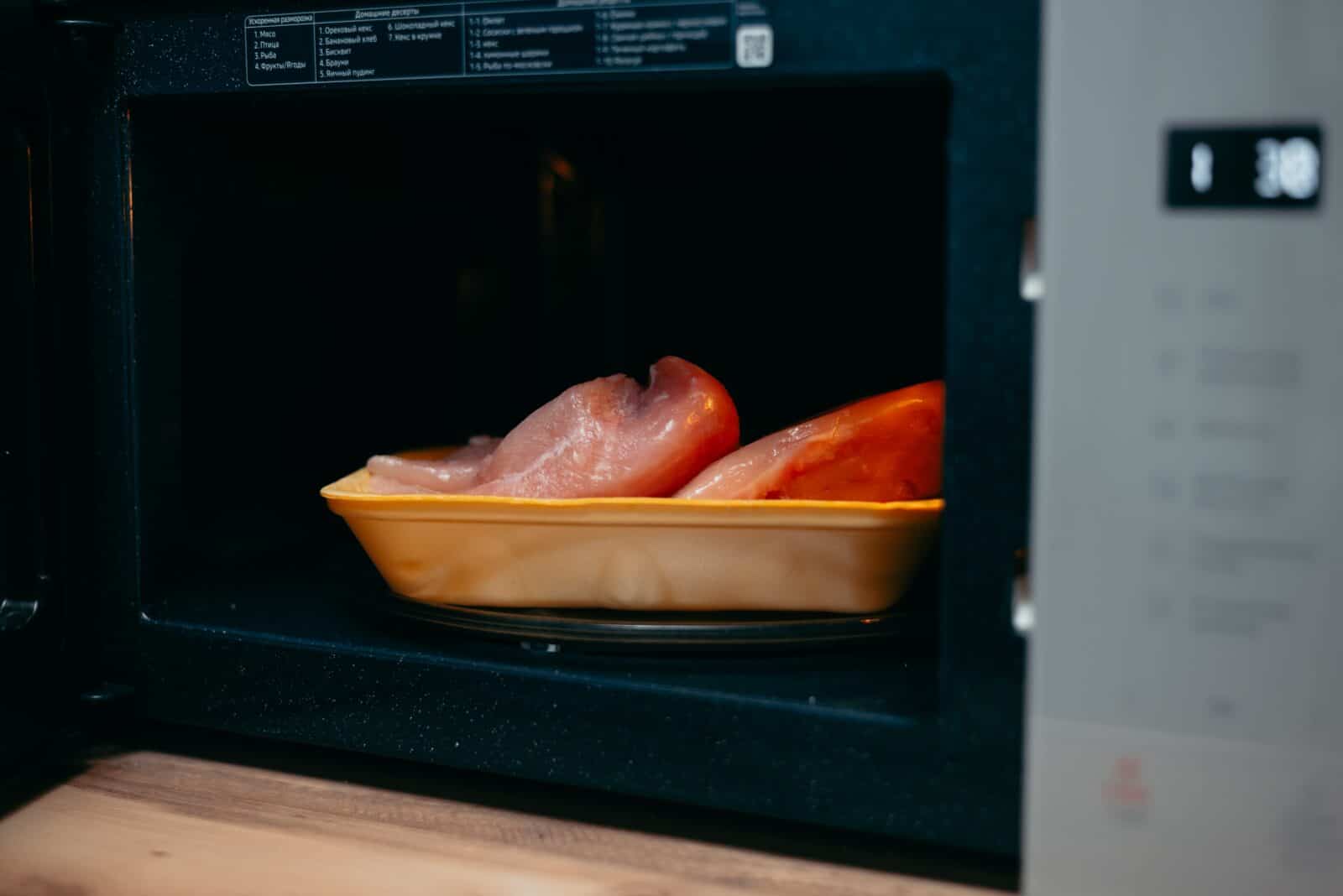
Good reheating protects both flavor and food safety. Thaw meals in the refrigerator overnight when you can, then reheat them gently on the stove, in the oven, or in the microwave. Stir the food halfway through microwave heating to help cold spots disappear.
Add a splash of broth, water, or sauce if the meal looks dry. Treat reheating like the final cooking step, and your freezer dinner will taste much brighter.
Build balanced meals
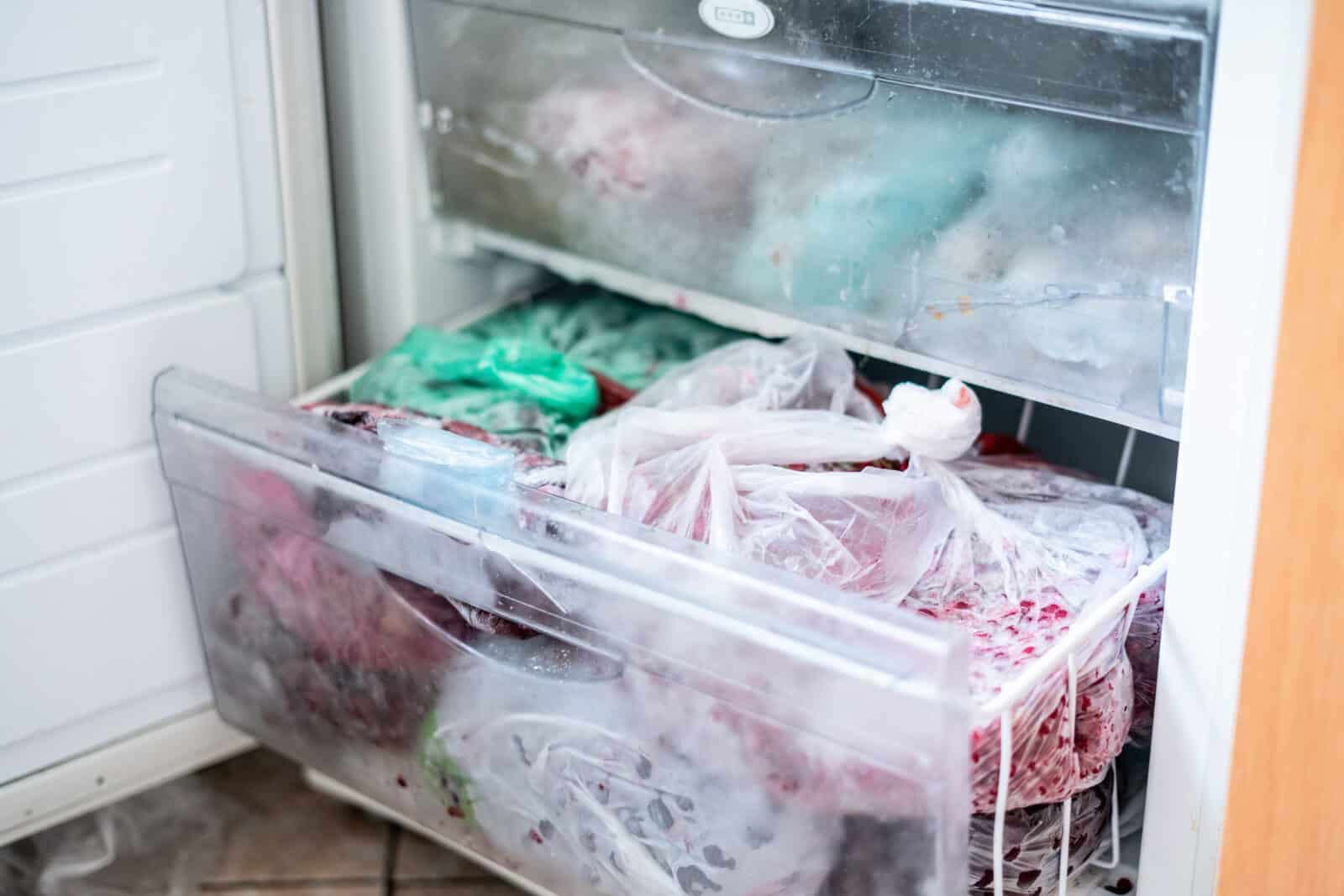
Freezer meals can support real nutrition, not just convenience. Aim for protein, vegetables, grains, and healthy fats in each container. USDA Economic Research Service notes that about 90 percent of Americans eat too few vegetables, and 80 percent do not eat enough fruit.
Add spinach to soup, beans to chili, peas to fried rice, or broccoli to pasta bakes. Frozen vegetables count and cook fast. A balanced freezer meal helps you dodge the takeout panic and still feel cared for.
Finish with fresh flavor
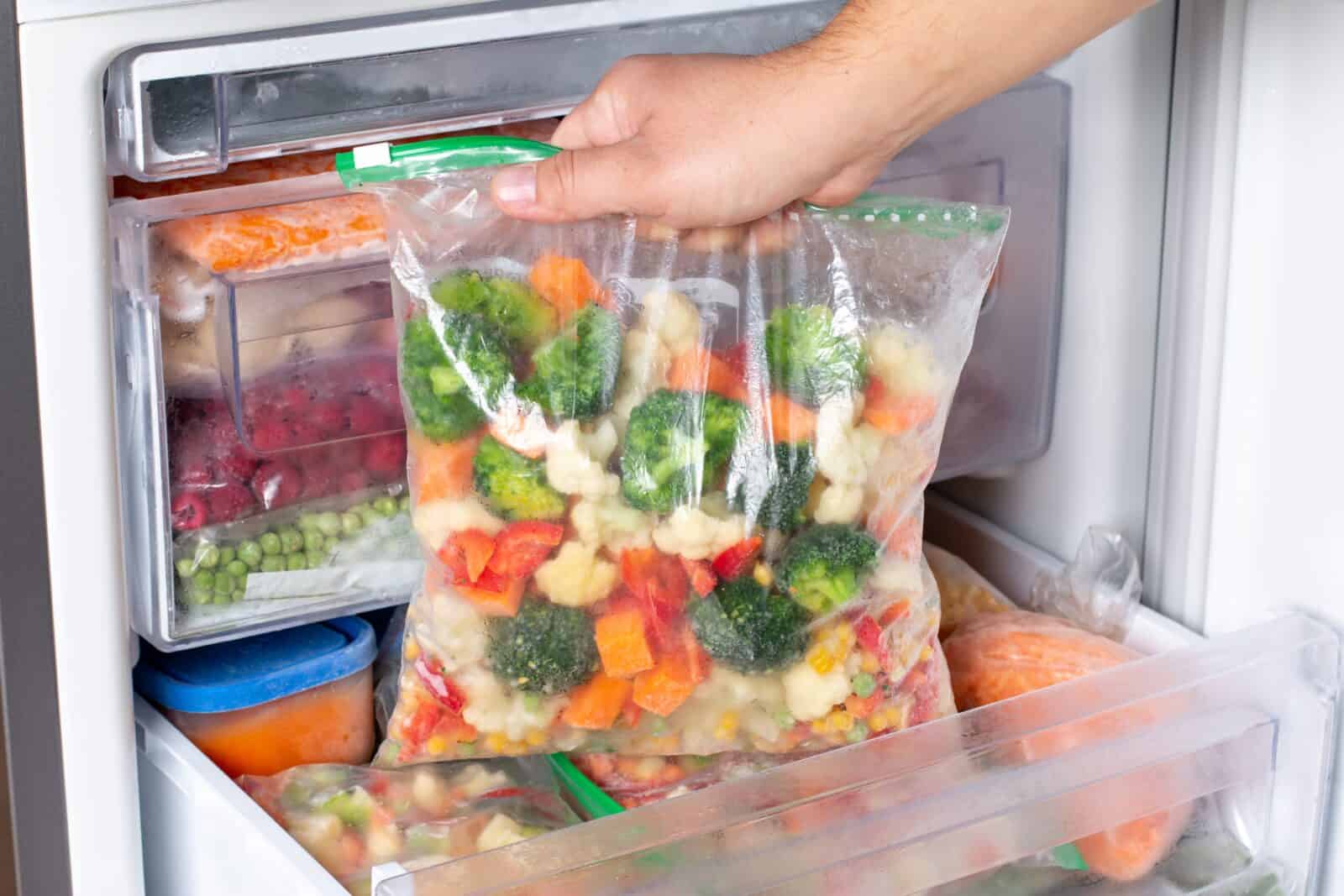
Freezer meals often need a final bright touch. Add lemon juice, herbs, scallions, salsa, hot sauce, toasted nuts, or a little grated cheese after reheating. Instacart’s 2025 survey found that 62 percent of Americans feel very confident in their cooking skills, so small finishing moves can feel doable for many home cooks.
Keep a few flavor boosters near the stove. A spoonful of pesto can wake up soup. Fresh crunch can make reheated rice bowls feel brand new.
Keep a freezer list
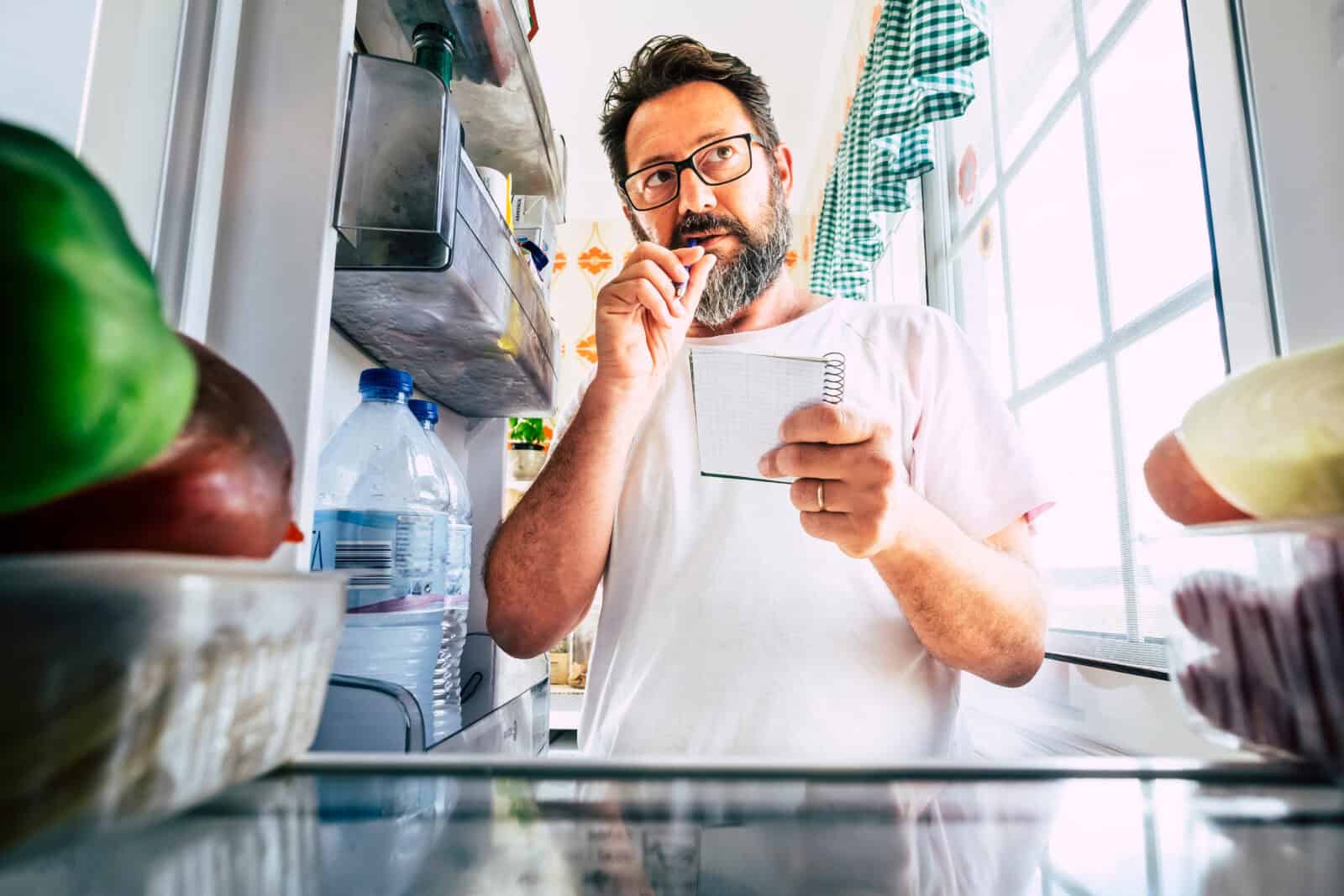
A simple inventory stops good food from vanishing in the back. Use a whiteboard, a paper list, or a note-taking app with categories such as meals, proteins, vegetables, and sauces.
Update the list as soon as food goes in or out. Cross items off before your next grocery run. This tiny habit helps you shop smarter and make better use of what you already own.
Key takeaway
Freezer meals work best when you treat your freezer like a working part of your weekly routine. Clear labels, smart portions, flat bags, and good rotation make meals easy to find and use. Balanced recipes, flexible bases, and fresh finishing touches keep dinner from feeling dull.
Safe reheating and tight packaging protect the flavor you worked hard to create. With a few simple habits, your freezer can save time, reduce waste, stretch your grocery budget, and make weeknights feel a whole lot lighter.
Disclaimer – This list is solely the author’s opinion based on research and publicly available information. It is not intended to be professional advice.
Like our content? Be sure to follow us.