12 Southern states ranked by quality of life
The South is booming so loudly you can almost hear the cranes, moving trucks, and new subdivision signs from the highway.
But the boom does not land softly everywhere. In one city, it may look like new jobs, rising wages, fresh restaurants, and a skyline that seems to grow another floor overnight. In another, it may feel like higher insurance bills, busy roads, hospital shortages, rent pressure, and a paycheck that still stretches too far.
Visa’s economic analysis says 78% of all jobs added during the past five years were in the South, and a 2026 regional analysis cited a poll showing 36% of Americans expect the South to lead economic growth over the next decade. That is a powerful vote of confidence, but sunshine and job growth do not tell the whole story.
Quality of life also means access to healthcare, poverty levels, safety, schools, income, infrastructure, and the quiet question people ask after the moving boxes are unpacked: Does life here actually feel better? Using the supplied composite livability scores, here are the 12 Southern states ranked, with the promise and the pressure sitting side by side.
Florida

Florida takes the top spot with a supplied composite score of 59.82, but this is not a simple paradise story with palm trees and no state income tax doing all the work.
The state gained about 1.8 million residents from 2020 to 2024, trailing only Texas in total growth, and that kind of pull says a lot about jobs, retirement appeal, tourism, warm weather, and lifestyle variety. Yet Florida also shows the cost of becoming everyone’s dream address at once.
Housing pressure, storm risk, homeowners’ insurance, flood exposure, and crowded infrastructure now sit right beside the beaches and boomtowns. Richard Doty, a University of Florida demographer, told AP that Florida “is no longer as affordable a relocation/ retirement option as it once was,” and that line cuts through the postcard haze.
Florida still offers opportunity, energy, and choice, but newcomers should read the fine print on insurance, healthcare access, and climate risk before calling the sunshine a bargain.
Virginia

Virginia ranks second with a supplied composite score of 57.93, and it feels like the South’s steadier hand in this list. It does not have Florida’s resort glow or Texas-sized swagger, but it offers a strong blend of income, education, public-sector jobs, military and federal employment, healthcare access, and relative safety.
BLS data for April 2026 put Virginia’s unemployment rate at 3.8%, which sits below the national rate of 4.3%, and that helps explain why the state often feels more economically stable than flashier Southern peers.
Its higher costs can sting, especially in Northern Virginia, Richmond suburbs, and fast-growing corridors, but residents often get stronger schools, deeper professional job markets, and better access to major health systems in return. The warning is that Virginia’s quality of life is uneven as well.
Rural areas, housing affordability, transportation congestion, and cost gaps between Northern Virginia and the rest of the state still matter. Even so, Virginia’s strength is balance: it may cost more than much of the South, but it often gives more back in services, stability, and opportunity.
North Carolina

North Carolina lands third with a supplied composite score of 53.12, and its appeal is easy to understand on the map. Raleigh, Durham, Charlotte, Asheville, Wilmington, and the Triad each offer a different version of the Southern growth story, from tech and research jobs to banking, healthcare, universities, mountains, and the coast.
BLS data placed North Carolina’s April 2026 unemployment rate at 3.7%, below the national rate of 4.3%, supporting the state’s reputation as a place where opportunity and livability still meet. The state has also benefited from the broader Southern jobs shift that Visa highlighted, with the region accounting for a major share of new U.S. employment growth.
Still, North Carolina is not immune to the side effects of popularity. Housing costs have climbed in top metros, infrastructure is under pressure, and rural healthcare access can lag behind the image of shiny Research Triangle campuses.
The state works best for people who want growth without the most extreme Sun Belt conditions, but preserving the balance is getting harder as more people discover it.
Georgia

Georgia ranks fourth with a supplied composite score of 52.50, powered by Atlanta’s corporate base, logistics muscle, film industry, airport connectivity, and strong job access across several large metros.
BLS data put Georgia’s April 2026 unemployment rate at 3.5%, one of the strongest among these Southern states, giving the state a real economic advantage. But the quality-of-life picture gets more complicated once healthcare and poverty are factored in.
The Commonwealth Fund’s 2025 state health system scorecard appendix ranked Georgia 45th overall, near the bottom nationally, as a sharp warning for families who care about insurance access, care costs, and health outcomes.
Georgia has thriving suburbs, charming small cities, and serious business momentum, but those strengths do not erase uneven access to care or the gap between booming metro Atlanta and struggling rural counties.
Georgia is a place where opportunity can be very real, but residents may still feel the strain if they lack strong insurance, reliable transportation, or proximity to a major medical center.
Tennessee

Tennessee ranks fifth with a supplied composite score of 50.97, and its pitch is clean: no broad-based wage income tax, lower costs than many coastal states, major music and healthcare economies, and cities with strong personalities.
Nashville continues to draw attention from entertainment, healthcare, tourism, and corporate sectors, while Knoxville, Chattanooga, and smaller metros offer a softer landing for people priced out elsewhere.
BLS data listed Tennessee’s April 2026 unemployment rate at 3.6%, again below the national rate of 4.3%, and regional growth coverage shows the state riding the broader Southern economic wave. The caution is that affordability can fade in the places everybody wants to move.
Nashville’s housing costs, traffic, infrastructure strain, and uneven healthcare and education outcomes complicate the simple “move to Tennessee and save money” story. The Commonwealth Fund’s 2025 appendix ranked Tennessee 44th overall in health system performance, a weak showing that should not be ignored.
Tennessee can be a great lifestyle play, but its quality of life depends heavily on location, income, and access to care.
Texas

Texas ranks sixth with a supplied composite score of 49.17, which feels almost modest for a state that dominates so much of the national growth conversation. AP reported that Texas gained 2.1 million people from 2020 to 2024, the biggest increase of any state, and its huge job base, no state income tax, ports, energy sector, universities, tech hubs, and medical centers keep pulling people in.
But Texas also shows how growth can create its own pressure. AP noted that Texas was also the top source of new residents for nine other states in 2024, and Helen You of the Texas Demographic Center gave the simplest explanation: “Large populations naturally generate large volumes of both in-and-out migrants.”
Healthcare is the bigger warning. The Commonwealth Fund ranked Texas among the lowest states overall in 2025, with its appendix placing it near the bottom nationally. Texas is rich with opportunity, but the quality-of-life math changes fast if you face high summer heat, long drives, weak insurance access, property-tax pressure, water stress, or healthcare gaps.
Kentucky

Kentucky ranks seventh based on the supplied scores, at 49.03, and is the kind of state that can look more attractive to a household budget than on a statewide dashboard. Low costs, natural beauty, bourbon country, horse country, college towns, and a strong sense of place give Kentucky real appeal.
But the job and poverty picture make the quality-of-life story tougher. BLS data for April 2026 put Kentucky’s unemployment rate at 4.3%, close to the national rate of 4.3%, while the poverty rate of 16.5% points to deep economic strain for many households. The state can work well for people with stable income, remote work, family support, or roots in strong local communities.
It becomes harder for residents who need upward mobility, strong rural healthcare, or a wide range of high-wage job options. Kentucky’s affordability is significant, but cheap living does not automatically lead to better living. The state’s challenge is turning low costs into broader security, especially outside its strongest metro and university corridors.
Alabama

Alabama ranks eighth with a composite score of 48.55, demonstrating how one state can hold both major promise and stubborn problems simultaneously. Huntsville has become one of the South’s strongest success stories, with aerospace, defense, engineering, and tech-adjacent jobs giving the city a national profile.
Statewide, Alabama also had one of the lowest unemployment rates in the country in April 2026 at 2.8%, according to BLS data. That is a strong labor-market signal. But the wider quality-of-life picture still carries heavy warnings.
The Commonwealth Fund’s appendix ranked Alabama 42nd overall for health system performance in 2025, and a poverty rate of 16.1% shows how many families remain outside the prosperity story.
Alabama is affordable, and in some cities it is genuinely exciting. But healthcare access, education concerns, rural hospital strain, and poverty make it risky to judge the state by its best-performing metros alone. The bargain is real in places, but so are the gaps.
South Carolina
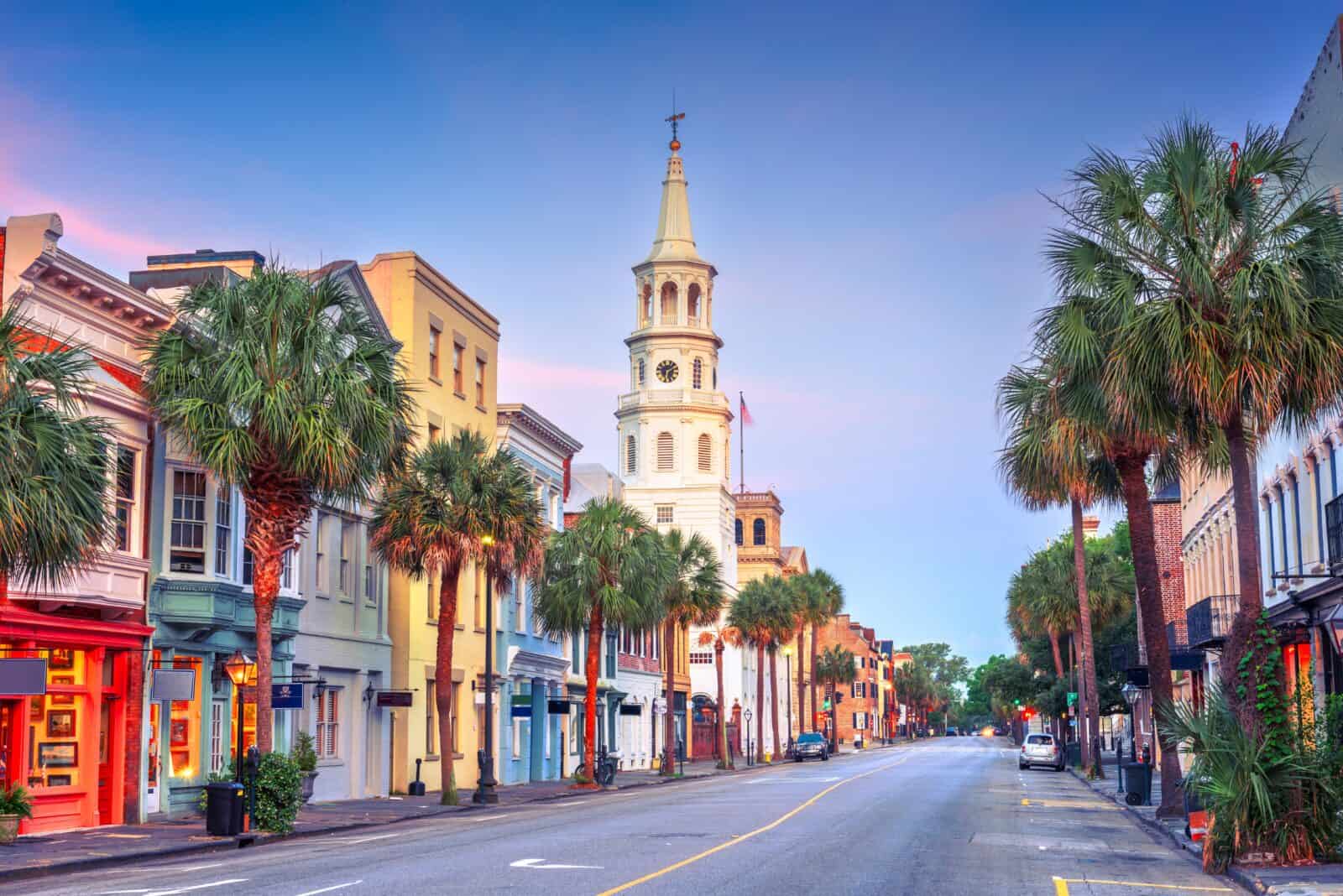
South Carolina ranks ninth in corrected supplied scores at 46.94, even though its growth headlines might make it seem like it should rank higher. The state has attracted movers from North Carolina, New York, California, and other higher-cost places, and communities like Greenville, Spartanburg, Charleston, and Myrtle Beach sell a powerful blend of weather, lifestyle, beaches, jobs, and relative affordability.
A recent regional analysis reported South Carolina’s 4.2% real GDP growth in 2024, above the national rate cited in the same report, which helps explain some of the optimism around the state. But the quality-of-life warnings are loud.
The Commonwealth Fund appendix ranked South Carolina 36th overall in health system performance, and the poverty rate of 14.6% shows that growth has not reached everyone equally.
South Carolina can feel like a winner for people arriving with remote jobs, retirement income, or strong wages. For lower-income residents, rural families, and people who need accessible healthcare, the shine can fade quickly.
Oklahoma

Oklahoma ranks tenth with a supplied composite score of 45.21, and it makes one of the clearest points on the list: low unemployment does not automatically mean a high quality of life. The state is affordable, and BLS-linked April 2026 data placed Oklahoma’s unemployment rate around 3.6%, below the national rate.
That sounds good, and for some households it is. But the Commonwealth Fund ranked Oklahoma among the lowest states overall in its 2025 state health system scorecard, and the supplied poverty rate of 15.6% points to the limits of a jobs-only story.
Affordability helps people stretch paychecks, but healthcare, public services, school quality, infrastructure, and long-term economic opportunity still shape daily life. Oklahoma can offer room, lower housing costs, and a less crowded lifestyle, but residents may pay in other ways, especially if they need specialty healthcare, stronger public systems, or higher-wage career ladders.
The state’s challenge is not just finding work. It is building the kind of support structure that makes life feel secure.
Arkansas

Arkansas ranks eleventh with a supplied composite score of 43.26, and it may be the best example of a state with bright local pockets inside a tougher statewide reality.
Northwest Arkansas has become a serious growth story, helped by Walmart’s Bentonville base, a rising startup scene, university energy, trails, restaurants, and a quality-of-life pitch that has drawn national attention.
Statewide economic data has shown momentum, too, with the BEA reporting strong gains in real GDP for Arkansas in late 2024. But the broader rankings still reveal stress. The Commonwealth Fund ranked Arkansas among the lowest-ranked states overall in its 2025 health system scorecard, and the state’s 16.3% poverty rate is a major drag on overall health.
Arkansas can be affordable and beautiful, with real opportunity in the right communities. Yet healthcare access, rural poverty, educational gaps, and uneven job quality make the statewide picture much more difficult.
For someone moving to Bentonville or Fayetteville with a good job, Arkansas may feel like a smart bet. For many longtime residents, the daily math is less forgiving.
Louisiana

Louisiana ranks last with a supplied composite score of 41.31, and that feels painful because the state has a cultural richness that numbers can never fully capture.
New Orleans, Cajun country, Creole foodways, music, festivals, river towns, and deep community identity give Louisiana a soul that no spreadsheet can measure. But quality-of-life rankings tend to punish core failures, and Louisiana carries too many at once.
The supplied poverty rate of 19.6% is the highest in this list, while the Commonwealth Fund appendix ranked Louisiana 41st overall for health system performance in 2025. BEA also reported that Louisiana had one of the weakest readings on personal income growth in Q4 2024, at 2.4% annualized, which adds to concerns.
Low costs help, but they cannot fully offset the strain on healthcare, poverty, exposure to storms, insurance pressure, infrastructure problems, and uneven economic opportunity. Louisiana may be one of America’s most beloved cultural states, but culture alone cannot sustain a high quality of life when too many residents face hard daily trade-offs.
The South is rising, but not evenly. The region has jobs, energy, migration, business growth, and a powerful sense that the future is moving its way. It also has healthcare deserts, poverty pockets, storm risk, insurance shocks, strained roads, rural hospital troubles, and cities growing faster than their systems can comfortably handle.
The best Southern state is not just the one with the biggest growth number. It is the one where opportunity, health, safety, affordability, and daily peace can meet.
Key Takeaways

- The South is gaining people, jobs, income, and national influence.
- Visa says 78% of U.S. jobs added in the past five years were in the South.
- Florida ranks first by the supplied composite score, but affordability and insurance pressure are rising.
- Virginia ranks second and offers one of the strongest states. Texas gained 2.1 million residents from 2020 to 2024, but it also faces significant challenges in healthcare access. healthcare access challenges.
- Healthcare rankings heavily drag down Texas, Oklahoma, Arkansas, Louisiana, and several other Southern states.
- Affordability helps, but it does not erase poverty, weak public services, or infrastructure strain.
- Fast growth can bring better jobs but also increased traffic, housing pressure, higher insurance costs, and stretched hospital resources.
Disclaimer – This list is solely the author’s opinion based on research and publicly available information. It is not intended to be professional advice.
Like our content? Be sure to follow us