14 reasons some women choose to be traditional wives
The rise of the “traditional wife” is not just a TikTok trend but a genuine lifestyle shift that is capturing the attention of millions across the USA. While the hashtag #TradWife might make you think of 1950s cosplay, the reality is much more complex and often rooted in very modern frustrations. It is easy to scroll past these videos and roll your eyes, but the data tells a deeper story about why some American women are handing in their resignations to focus on the home.
According to the Pew Research Center, the share of stay-at-home mothers has remained relatively stable over the past few decades, hovering around 18 percent. However, the reasons are shifting. It is not just about a lack of opportunity anymore.
For many, it is a calculated choice driven by economics, exhaustion, and a desire for a different kind of life. Let us break down exactly why this lifestyle is making such a comeback.
The cost of childcare is astronomical

Let’s be honest for a second. Have you seen the price of daycare lately? It is practically a second mortgage. According to Child Care Aware of America, the average annual cost of childcare in 2023 was over $11,000 per child, which is more than public college tuition in many states. For many families, sending both parents to work just to hand one entire paycheck over to a daycare center simply does not make math sense.
Many women look at those numbers and decide that staying home is the smarter financial move. It is not just about saving money on childcare. You also save on commuting costs, work wardrobes, and those inevitable “I am too tired to cook” takeout orders. FYI, this financial pivot is often the biggest driver for the switch.
They are tired of the corporate grind

We spent decades telling girls they could be anything, which is amazing. But we forgot to mention that “having it all” usually means “doing it all” with very little sleep. The “girlboss” era pushed the idea that career success is the only path to fulfillment, and, frankly, many women are burnt out.
Recent surveys suggest a growing disillusionment with corporate culture among millennial and Gen Z women. They are trading in quarterly reviews and KPIs for sourdough starters and gardening. It is less about oppression and more about opting out of a system that feels like a hamster wheel.
Religious beliefs play a huge role
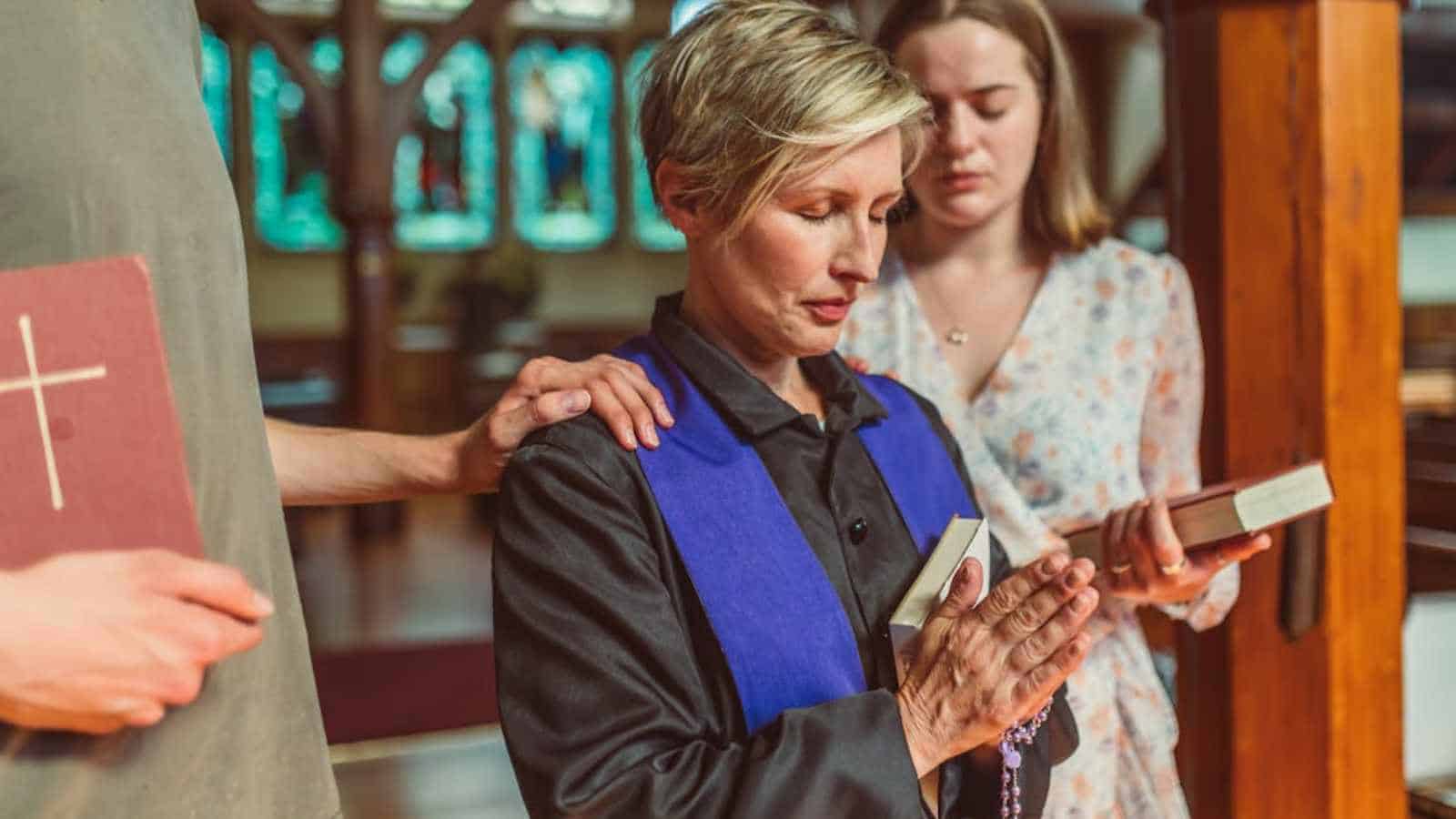
Faith has always been a major factor in traditional marriage dynamics. For many women in conservative Christian communities, being a keeper of the home is viewed as a high spiritual calling. This is not new, but it is finding a louder voice in the digital age.
These women often cite biblical principles (like Titus 2) as their primary motivation. They view their role not as subservient in a negative way but as a distinct and honored position within the family structure. It provides a sense of purpose that a 9 to 5 job rarely offers.
They want to control their kids’ education

The public school system is facing a lot of scrutiny right now. Between safety concerns and curriculum debates, many parents are opting out entirely. The National Home Education Research Institute reports that there were over 3 million homeschooled students in the US during the 2021 to 2022 school year.
Becoming a traditional wife often goes hand in hand with becoming a teacher. These women want to curate exactly what their children learn and when they learn it. It allows them to instill their own values without outside interference.
The second shift is a nightmare
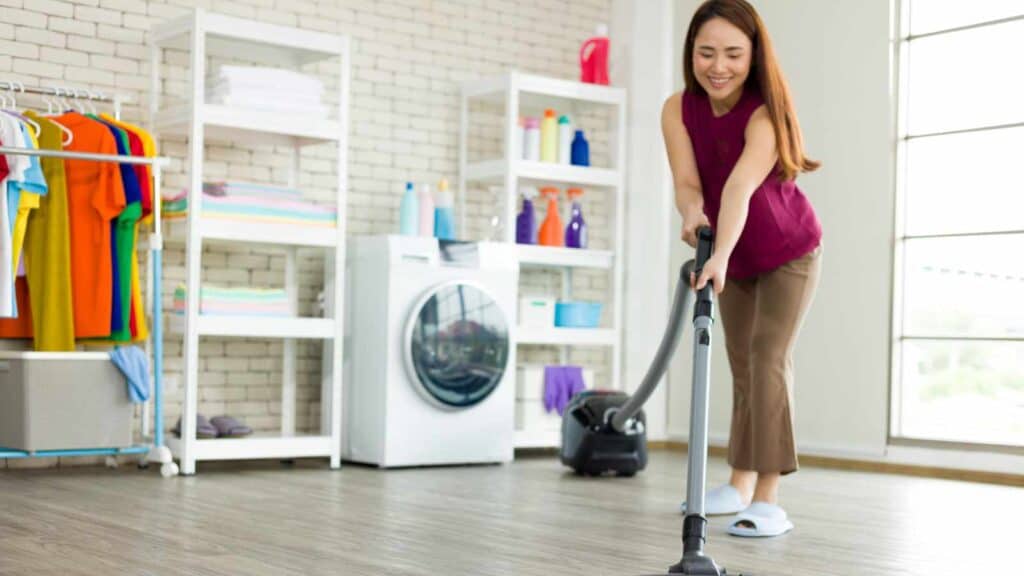
Ever heard of the “second shift”? It is that fun phenomenon where a woman works a full time job and then comes home to do the majority of the cooking and cleaning. It is exhausting just thinking about it.
By choosing to stay home, the division of labor becomes much clearer. The husband earns the money, and the wife manages the home. It eliminates the resentment that builds up when two working parents are fighting over whose turn it is to do the laundry at 8 PM.
A desire for a slower pace of life

Modern life is fast, loud, and incredibly stressful. We are constantly plugged in and on call. The trad wife aesthetic promotes a “slow living” lifestyle that feels like a breath of fresh air.
Imagine waking up to bake bread instead of rushing to catch a train. This lifestyle prioritizes rest, nature, and intentionality over productivity and hustle. IMO, we could all use a little more of that energy, even if we do not go full trad wife.
Social media makes it look glamorous

We cannot ignore the aesthetic appeal. Influencers like Hannah Neeleman (Ballerina Farm) make homemaking look like a continuous Vogue photoshoot. The visual marketing of this lifestyle is incredibly powerful.
You see videos of women in floral dresses arranging flowers in a farmhouse kitchen, and it triggers a deep sense of nostalgia. While social media is a highlight reel and not real life, it certainly plants the seed that homemaking is a beautiful and valid career path.
They prefer clear relationship dynamics

Modern dating can be a confusing mess of “situationships” and ghosting. Traditional marriage offers a very clear script. There is a provider and a nurturer, and everyone knows their role.
For women who crave stability and predictability, this structure is very appealing. There is no guessing game about who pays for dinner or who handles the bills. The rules are set, and for some, that structure is liberating rather than restricting.
Health and nutrition become a priority

When you are working 50 hours a week, processed food is often a survival tool. Traditional wives often pride themselves on cooking from scratch. This allows for total control over ingredients and nutrition.
There is a huge overlap between the trad wife community and the organic, non-GMO food movement. They are making their own butter, canning vegetables, and baking bread to ensure their family avoids the additives found in store-bought food. It is a health-conscious choice wrapped in tradition.
They value being the primary homemaker

Society often undervalues domestic labor, but these women reclaim it as a skill. They treat homemaking as a profession that requires expertise. It is not just “cleaning up”; it is home management.
- Logistics: Managing schedules and appointments.
- Economics: Budgeting and resource allocation.
- Design: Creating a welcoming and beautiful environment.
They take pride in these skills and see them as equal in value to a corporate salary.
It is a rebellion against hustle culture

We live in a culture that worships busyness. If you are not side hustling, are you even living? The trad wife movement is a giant stop sign to that mentality.
It is a counter-cultural statement that says success does not have to be monetized. You do not need to turn your knitting hobby into an Etsy shop. You can just knit because you enjoy it. That freedom is surprisingly rare these days.
They want a large family

If you want four, five, or six kids, having two full-time working parents is incredibly difficult. Logistics alone make it a nightmare. Choosing a traditional setup often facilitates the goal of having a big family.
The Census Bureau data often shows a correlation between larger family sizes and single-income households. One parent focusing entirely on the children makes managing a large brood much more feasible. It creates a support system that daycares simply cannot replicate.
It offers a sense of security

There is something primal about the desire for protection and provision. Some women genuinely feel safer and more cared for in a relationship where the man takes on the burden of financial provision.
This is not about being weak. It is about leaning into a dynamic where you feel supported. My friend Sarah once told me she loves that her biggest worry is the garden, not the mortgage. That peace of mind is a major selling point.
They find joy in serving their family

This is the one that often gets the most criticism, but it is valid. Some people genuinely love caring for others. They find deep satisfaction in creating a warm, well-fed, and happy home for the people they love.
Service is not the same as servitude. When it is a choice made out of love, it can be incredibly fulfilling. Why should we judge someone for finding joy in making their family happy?
Key Takeaways

The shift toward traditional marriage roles is driven by a mix of economic pressure, cultural fatigue, and personal values. It is rarely just about “submitting” to a man and more about curating a specific type of life.
- Financial Logic: High childcare costs make staying home a smart money move.
- Lifestyle Choice: Rejection of corporate burnout in favor of slow living.
- Family Focus: A desire to control education, nutrition, and family values.
- Autonomy: A reclamation of domestic skills as valuable work.
Whether you agree with the lifestyle or not, it is clear that for these women, the “trad wife” life is not a step backward. It is a step toward what matters most to them.
Disclosure: This article was developed with the assistance of AI and was subsequently reviewed, revised, and approved by our editorial team.
Like our content? Be sure to follow us