15 Survival Tactics of the Poor That the Wealthy Can’t Imagine
Poverty bends everyday life into a series of impossible choices that most people never realize exist.
The divide between the haves and the have-nots in America is often measured in dollars, but the real difference lies in daily survival strategies. While the wealthy plan for vacations and retirement, millions of Americans focus intensely on making it to next Friday without running out of food or fuel. Creativity becomes a necessary skill when your bank account hovers near zero. This reality gives rise to a set of ingenious, desperate, and exhausting habits that those with financial security never have to consider.
For many, survival is a high-wire act performed without a safety net, where a single flat tire or unexpected bill can bring everything crashing down. You learn to stretch every resource until it snaps and find value in things others toss in the trash. Poverty forces you to become a master of logistics and efficiency to keep a roof over your head. Here are fifteen tactics that define life on the financial edge, revealing a world of resilience that goes largely unseen.
Diluting The Soap And Shampoo

When the bottle of dish soap or shampoo gets low, you don’t just throw it in the recycling bin and grab a fresh one from the pantry. You add water to the container, shake it up, and extend its life for another week or two. This watery mixture might not lather well, but it gets the job done when there is no money for a replacement. It is a small, private ritual of economy that happens in bathrooms and kitchens across the country.
The wealthy might view a nearly empty bottle as trash, but for the poor, it represents wasted potential that must be captured. You learn to balance the bottle upside down to get every last drop of thick liquid to the cap. Every penny saved on soap is a penny that can go toward something edible. It is not about being cheap; it is about absolute necessity.
The Wait And See Medical Plan

Going to the doctor is a luxury reserved for when you are convinced you might actually be dying. Most minor injuries, strange aches, or persistent coughs are treated with rest, over-the-counter pills, and a lot of hope. You ignore the pain because the co-pay or the urgent care bill is terrifyingly high. A recent report from KFF found that 41% of adults in the United States currently have some form of medical debt.
This fear of debt forces millions to play Russian roulette with their health every single day. You Google your symptoms and pray that the fever breaks before you have to make the hard choice to go to the clinic. Health care becomes a financial calculation rather than a fundamental human right. You only seek help when the cost of illness outweighs the cost of treatment.
Eating Past The Expiration Date

Those printed dates on milk cartons and bread bags are treated as strict warnings by the wealthy, but they are merely suggestions to the poor. You learn to trust your nose and your eyes more than the stamp on the package. Sour milk can still be used for baking pancakes if you know what you are doing. Throwing away food is a sin when the refrigerator is mostly empty.
Food insecurity drives this risky behavior, forcing families to consume things that others would discard without a second thought. According to the USDA, 47.4 million people lived in food-insecure households in 2023. Hunger changes your standards for freshness and safety in drastic ways. You cut the mold off the cheese and eat the rest because you have to.
The Kitchen Oven As A Heater
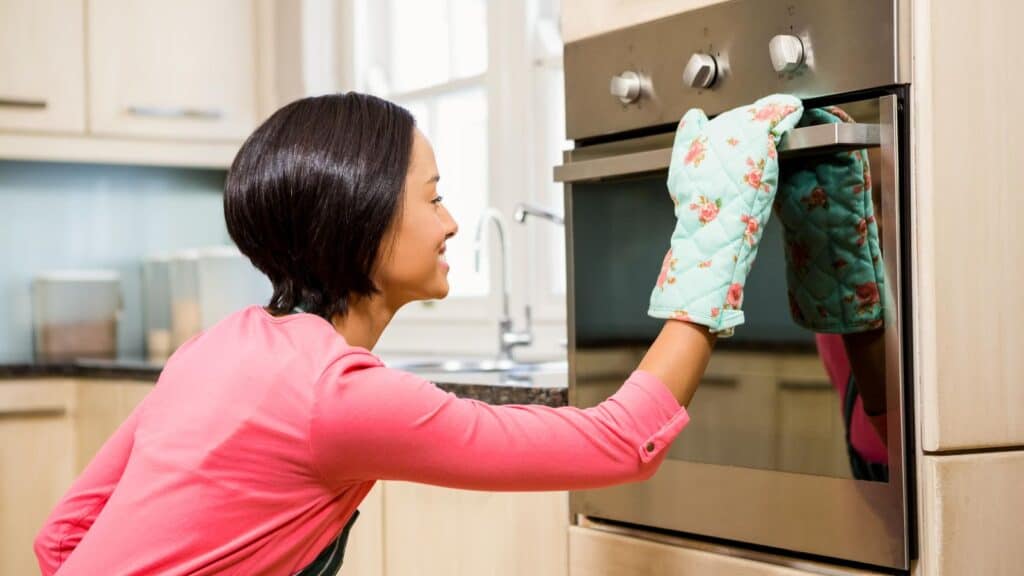
Central heating is expensive, and drafty apartments eat up money faster than you can earn it during the winter months. A common tactic is to turn on the oven, open the door, and huddle in the kitchen to stay warm. It is dangerous and inefficient, but it provides immediate heat without heating the whole house. Families will gather in that one room, sleeping on mattresses dragged onto the linoleum floor.
This survival hack highlights the brutal trade-offs people make between safety and comfort. You might risk carbon monoxide poisoning to stop your children from shivering through the night. The cost of gas or electric heat is often the first bill that gets skipped. You prioritize the immediate need for warmth over the long-term utility costs.
Driving Cars Held Together By Hope

A breakdown is not just an inconvenience; it is a catastrophe that can cost you your job. You become an amateur mechanic, using duct tape to patch leaks and wire hangers to hold up exhaust pipes. New cars are a distant dream, so you keep the old clunker running by any means necessary. S&P Global Mobility reported that the average age of vehicles on U.S. roads hit a record 12.6 years in 2024.
You drive with the radio off so you can listen for new rattles or thumps coming from the engine. Every strange noise triggers a panic attack because you know you cannot afford to have a professional repair it. You pray the transmission holds out for just one more month. The car is your lifeline to work, so you nurse it along.
The Pawn Shop Revolving Door

For many, the local pawn shop serves as a bank, offering short-term loans with high emotional and financial interest. You pawn your television or a family ring to pay the rent, fully intending to repurchase it on payday. It creates a cycle in which you keep repurchasing your possessions. You lose money on the fees, but it buys you a few days of survival.
This tactic is a desperate attempt to bridge a cash flow gap that never seems to close. You build a relationship with the broker, who knows you will be back with the same item next month. Items of sentimental value become liquid assets in times of crisis. It is a way to access cash when traditional banks turn you away.
Strategic Bill Juggling

You never pay all your bills at once; you pay the one that is threatening to cut off service tomorrow. It is a constant juggling act of managing “final notice” letters and negotiating extensions with utility companies. You prioritize electricity over water one month, and then switch it around the next. A recent analysis by Protect Borrowers found that the average overdue utility balance jumped to $789 in 2024.
This stress is a constant background noise in the lives of the poor, eroding mental health and stability. You become an expert at knowing exactly how many days you have after a due date before the lights go out. Living this way requires a mental calendar of deadlines that the wealthy never have to track. You rob Peter to pay Paul, and Peter is always angry.
Walking Miles To Save Bus Fare

Public transportation costs money, and sometimes two dollars is two dollars you need for bread. You walk three miles to work or the grocery store, regardless of the rain, snow, or heat. Your feet become your primary mode of transport because they are free to use. It costs you time and physical energy, but it preserves your meager cash.
The wealthy view walking as exercise or leisure, but for the poor, it is often the only option. You plan your day around the extra hour it takes to get anywhere on foot. Exhaustion is the price you pay for saving a handful of change. You show up to work tired before the shift has even started.
Foraging For Condiments

You never buy ketchup, mustard, or napkins from the grocery store if you can help it. You stock up on these items by taking extra packets from fast-food restaurants or gas stations. The car’s glove compartment becomes a pantry of tiny plastic sachets. These small savings add up over a year.
A handful of taco sauce packets can flavor a bowl of plain rice when the cupboards are bare. You learn to strip a cafeteria tray of everything valuable before you throw your trash away. Resourcefulness means seeing value in the free items that others ignore. It is a small way to reclaim some value from a system that takes so much.
The Family Dataplan Sharing

Internet access and streaming services are often shared across multiple households to split the bill. You might use your cousin’s Netflix password while they use your Hulu login, and your aunt pays for the phone plan. Digital access is crucial for jobs and school, so you pool resources to afford it. The wealthy have their own accounts; the poor have a communal digital ecosystem.
This web of interdependence means that if one person fails to pay their share, everyone loses access. You coordinate who watches what and when to avoid triggering screen limits. Privacy is sacrificed for the sake of connectivity and entertainment. You share because paying full price is simply impossible.
Hand Washing Clothes In The Bathtub

Laundromats are expensive, with prices ranging from several dollars to several dollars per load for washing and drying. To save money, you wash your clothes in the bathtub or in the kitchen sink and hang them around the apartment to dry. The air in the house gets damp and smells like detergent for days. It is labor-intensive work, wringing out heavy, wet jeans by hand.
This tactic saves a significant amount of cash but consumes hours of your time. You pray for sunny days so you can maybe drape things on a balcony or porch rail. You wear clothes multiple times before washing them to reduce the workload. Cleanliness is maintained through hard labor rather than a machine.
The Dollar Store Diet

Grocery stores with fresh produce are often too expensive or too far away, so you shop at the dollar store. You buy processed foods, canned goods, and boxed meals that are high in sodium but low in price. Calories are cheaper when they come in a cardboard box. Health takes a backseat to the simple need to feel full.
This diet leads to long-term health issues, but immediate hunger is the louder problem to solve. Yahoo cites a Bank of America report showing that in 2024, 29% of lower-income households lived paycheck to paycheck, often driving these choices. You buy what fills your stomach for the least money. Fresh fruit is a treat; frozen burritos are a staple.
Sleeping To Skip Meals

When there is no food in the house for dinner, the easiest solution is to go to bed early. You tell the kids that it is a “quiet night” or that you are just exhausted, but the truth is painful. Sleep is the only escape from the gnawing feeling of an empty stomach. It is a heartbreaking tactic used to ration food for the next day.
This is the hidden face of poverty that statistics often miss. You drink a glass of water to trick your body into thinking it’s time for breakfast. You conserve your energy because you have no fuel to burn. It is a biological shutdown forced by economic lack.
DIY Home Repairs

When something breaks in the house, calling a professional is out of the question. You fix a leaking pipe with rubber bands or patch a hole in the wall with toothpaste and cardboard. YouTube becomes your contractor, and duct tape becomes your primary tool. You live with the makeshift repairs because the alternative is eviction or bankruptcy.
Landlords often neglect maintenance in low-income housing, shifting the burden to tenants. You learn to live with a window that does not close or a door that does not lock properly. Functionality is more important than aesthetics in a poor household. If it works, it does not matter how ugly it looks.
The Cash Stash Safety Net
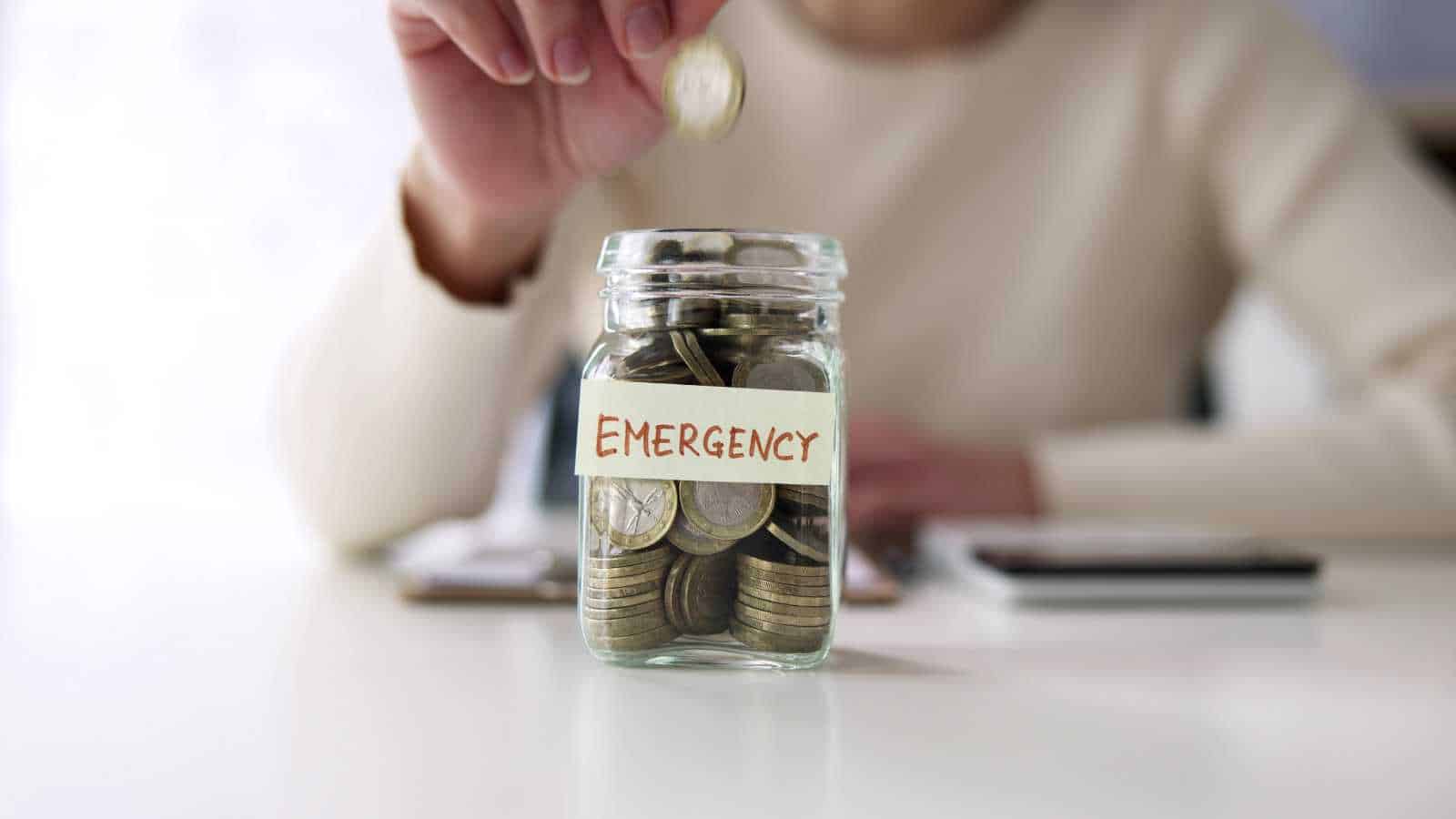
Banks often charge monthly fees if you do not maintain a minimum balance, so many poor people opt out of the banking system entirely. You keep your emergency fund in a coffee can, under a mattress, or inside a hollowed-out book. This cash is your only shield against total disaster. The Federal Reserve found that in 2024, only 63% of adults said they would cover a $400 emergency expense with cash or savings.
Keeping cash at home is risky, but it avoids the slow bleed of overdraft fees and service charges. You count it often, knowing exactly how much stands between you and the street. Every dollar in that hiding spot represents a hard-won victory. It is the most fragile safety net imaginable, but it is all you have.
15 Things Women Only Do With the Men They Love

The 15 Things Women Only Do With the Men They Love
Love is a complex, beautiful emotion that inspires profound behaviors. We express our love in various ways, some universal and others unique to each individual. Among these expressions, there are specific actions women often reserve for the men they deeply love.
This piece explores 15 unique gestures women make when they’re in love. From tiny, almost invisible actions to grand declarations, each tells a story of deep affection and unwavering commitment.