9 cities struggling to keep residents from leaving
Boxes are moving faster than welcome mats in 2026. Americans are quietly swapping city skylines for smaller towns, chasing quieter streets, affordable homes, and manageable commutes. The U.S. Census Bureau reports that millions are leaving large metro areas, pushing some once-bustling cities to face real population decline.
Rising housing costs, stretched city services, and safety concerns now guide families’ decisions, especially women managing household and caregiving responsibilities. Legacy industrial hubs and sunbelt favorites alike find themselves on “think twice” lists. Post-pandemic flexibility and remote work make moving more feasible than ever.
These trends turn the simple question of “where to live” into a personal mix of safety, finances, and lifestyle for countless households in 2026.
St. Louis fights for trust
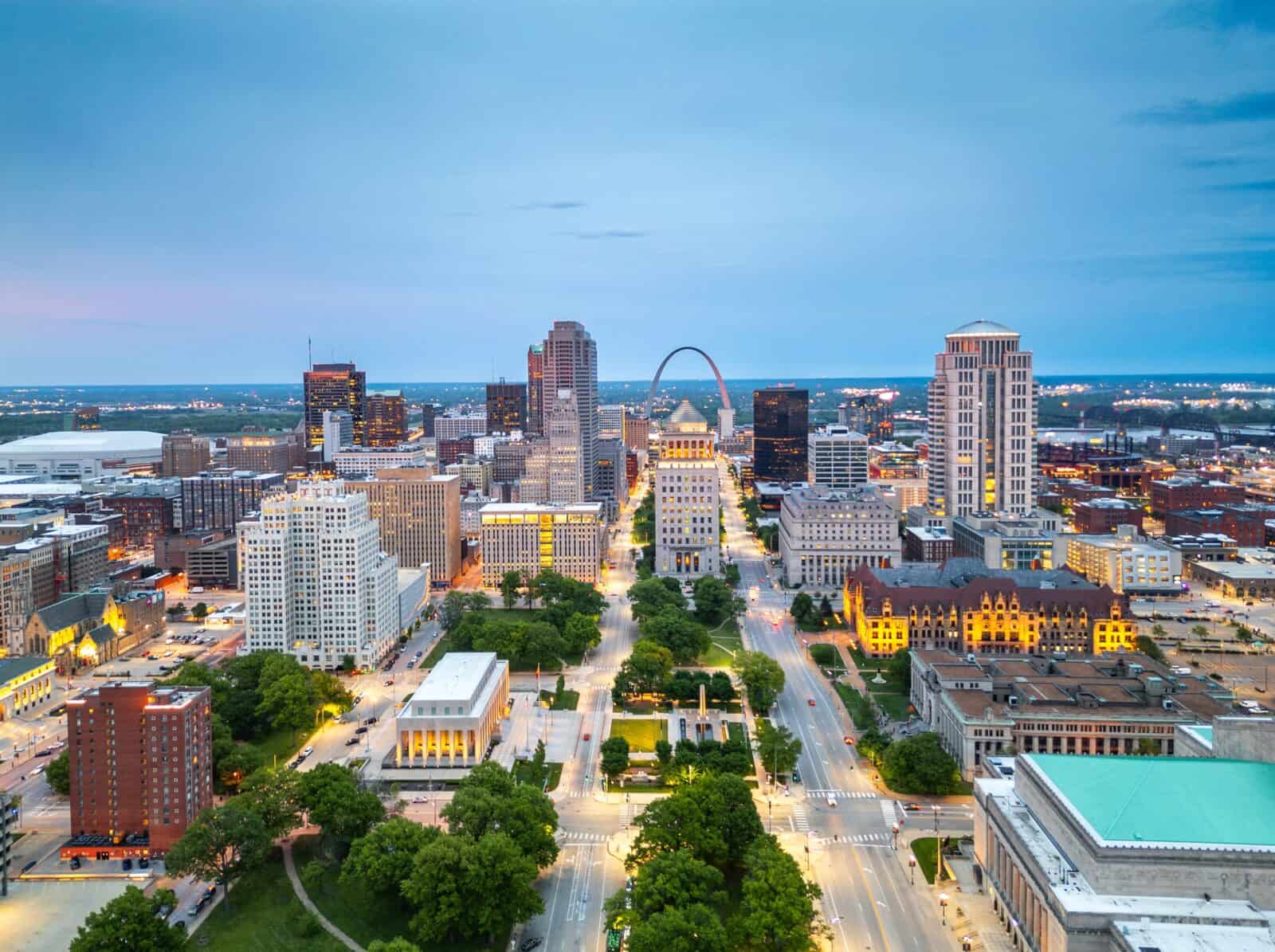
St. Louis still has charm, soul, and a fierce neighborhood spirit, but families want more than pretty brick streets. The U.S. Census Bureau lists the city’s population at 278,144 in 2025, down from 279,695 in 2024. That yearly slide adds pressure to schools, stores, and basic services.
Many women weighing a move notice safety first, then jobs, then daily convenience. Vacant lots also make some blocks feel forgotten after dinner. City leaders can win people back, but residents need cleaner streets, steadier services, and proof that their neighborhood matters.
Detroit keeps rebuilding confidence
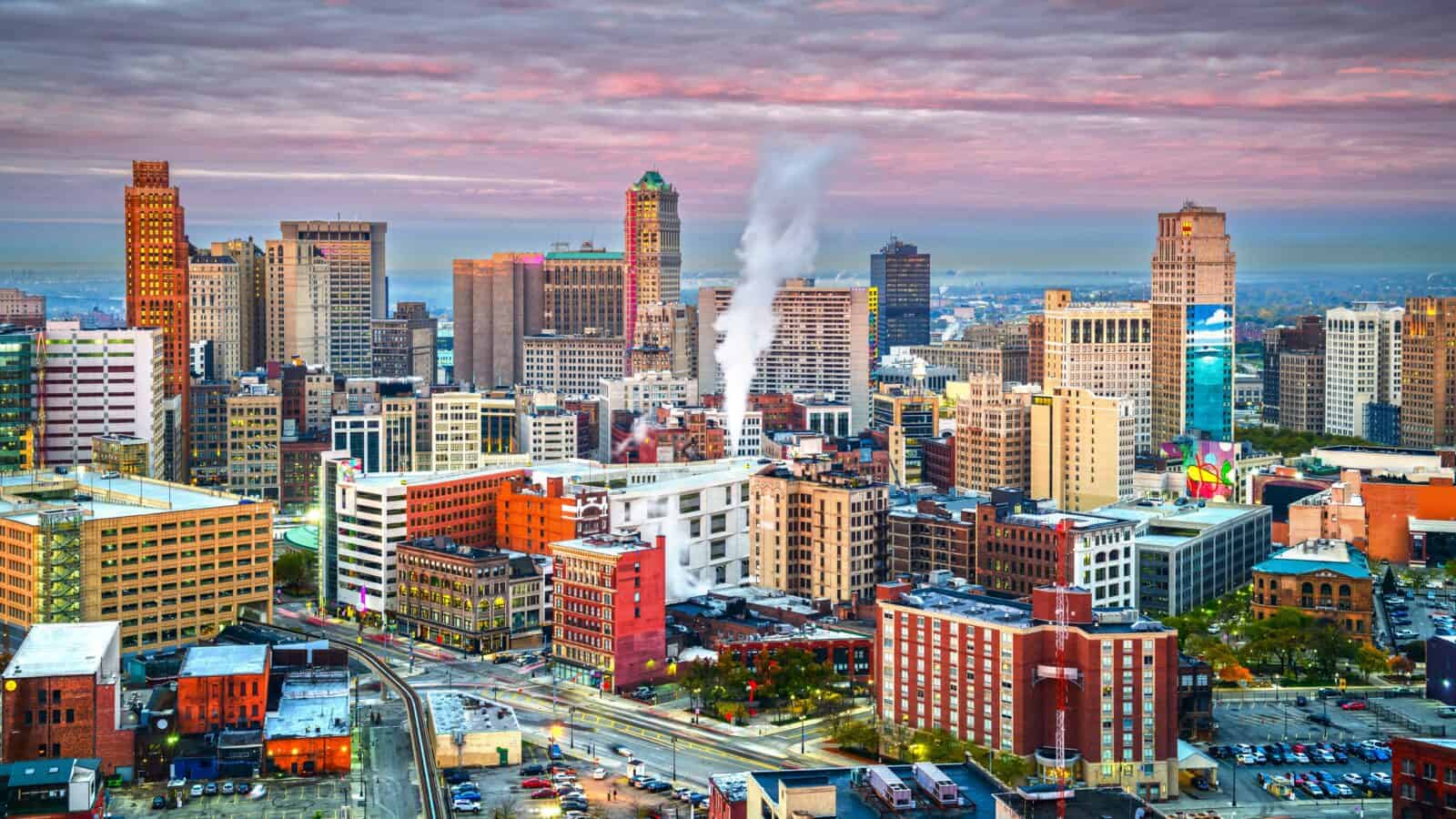
Detroit has momentum again, making its story more layered than a simple exit tale. Axios reported fresh Census data showing 649,095 residents in 2025, Detroit’s third straight yearly gain.
That bounce deserves applause, but the city still fights the memory of decades of flight. Many families want proof that comeback energy reaches their street, not just downtown. Women juggling commutes, school pickups, and elder care notice uneven transit fast. Detroit can keep residents longer when revival feels practical, local, and visible on ordinary blocks.
Austin cools after its boom
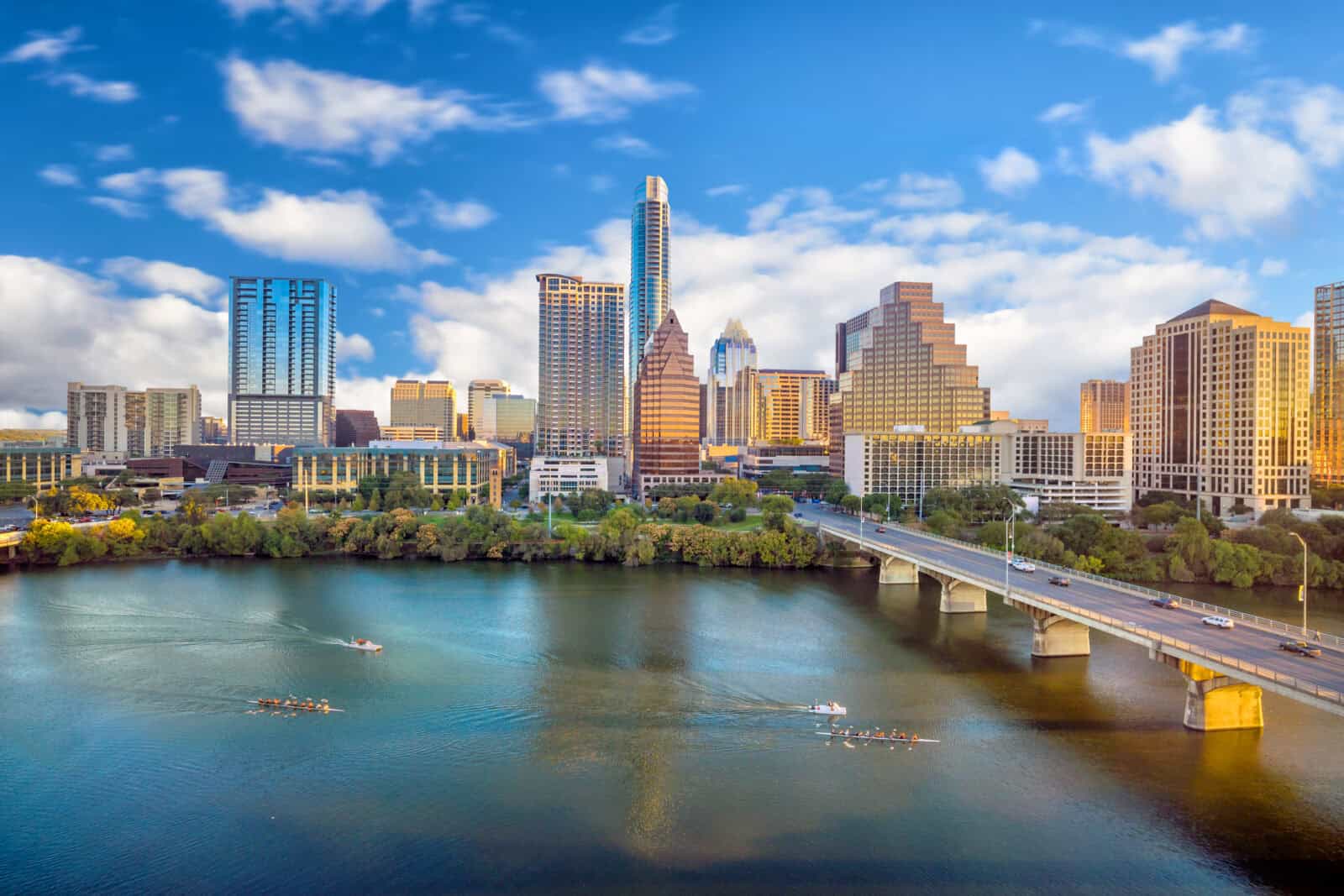
Austin still pulls in dreamers, tech workers, musicians, and brunch lovers, but the easy-growth glow has faded. Redfin reported that the city’s median sale price fell 2.2% year over year in March 2026 to $530,000.
That price still feels spicy for many teachers, nurses, young moms, and single earners. Traffic also eats into the fun that made Austin famous. People who can work from anywhere now compare Austin with smaller Texas towns. Cheaper homes, calmer parking, and more breathing room can suddenly look very tempting.
New Orleans faces storm math
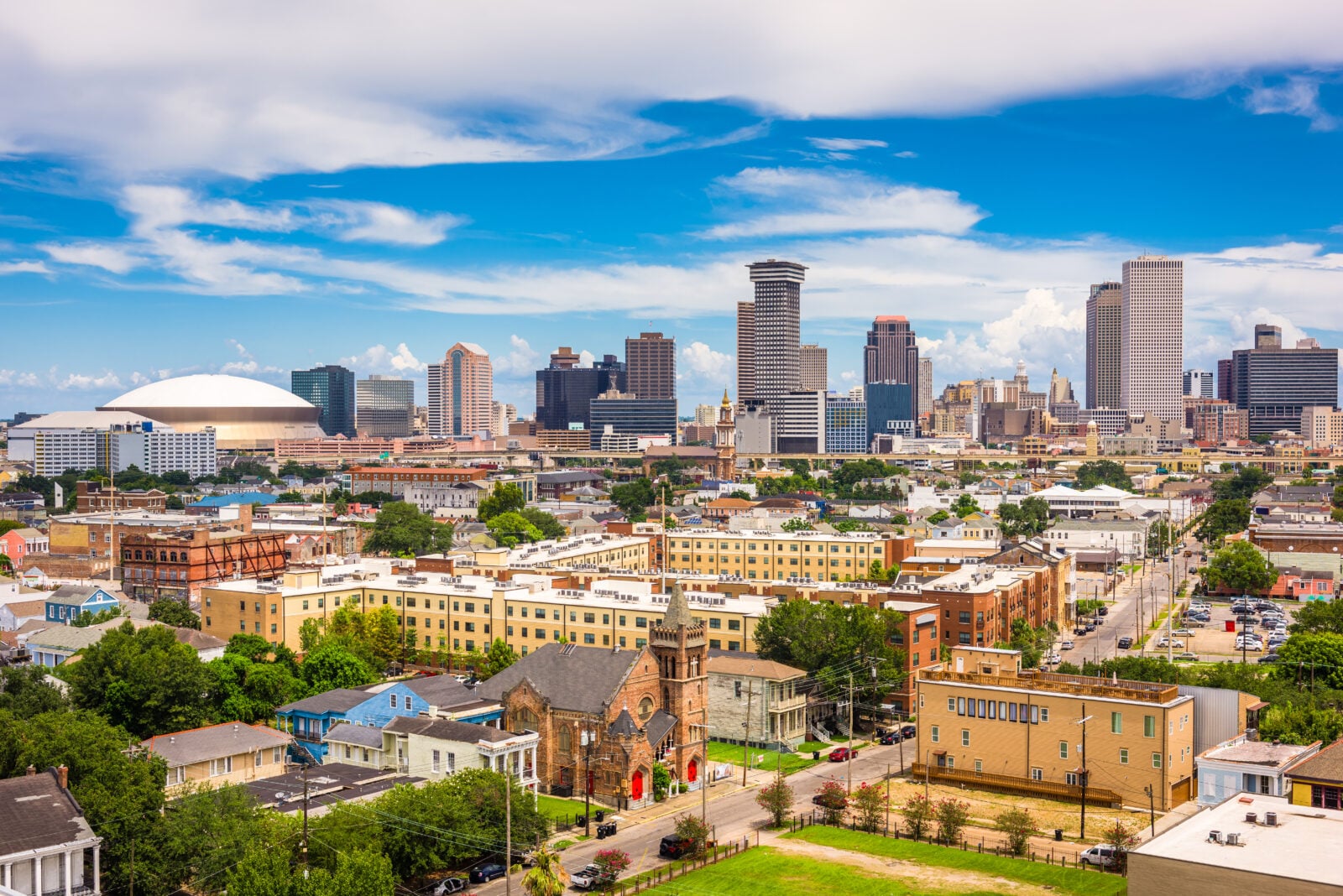
New Orleans knows how to throw joy into the street, yet household budgets now face a tougher rhythm. Storm risk, insurance bills, and uneven job growth tug at families who love the city deeply.
Women often weigh the heart pull of roots against evacuation plans and repair costs. That choice can feel heavy after every hurricane headline. Even in a place with unmatched food, music, and pride, staying can cost more and take more nerve each year.
Youngstown chases new jobs
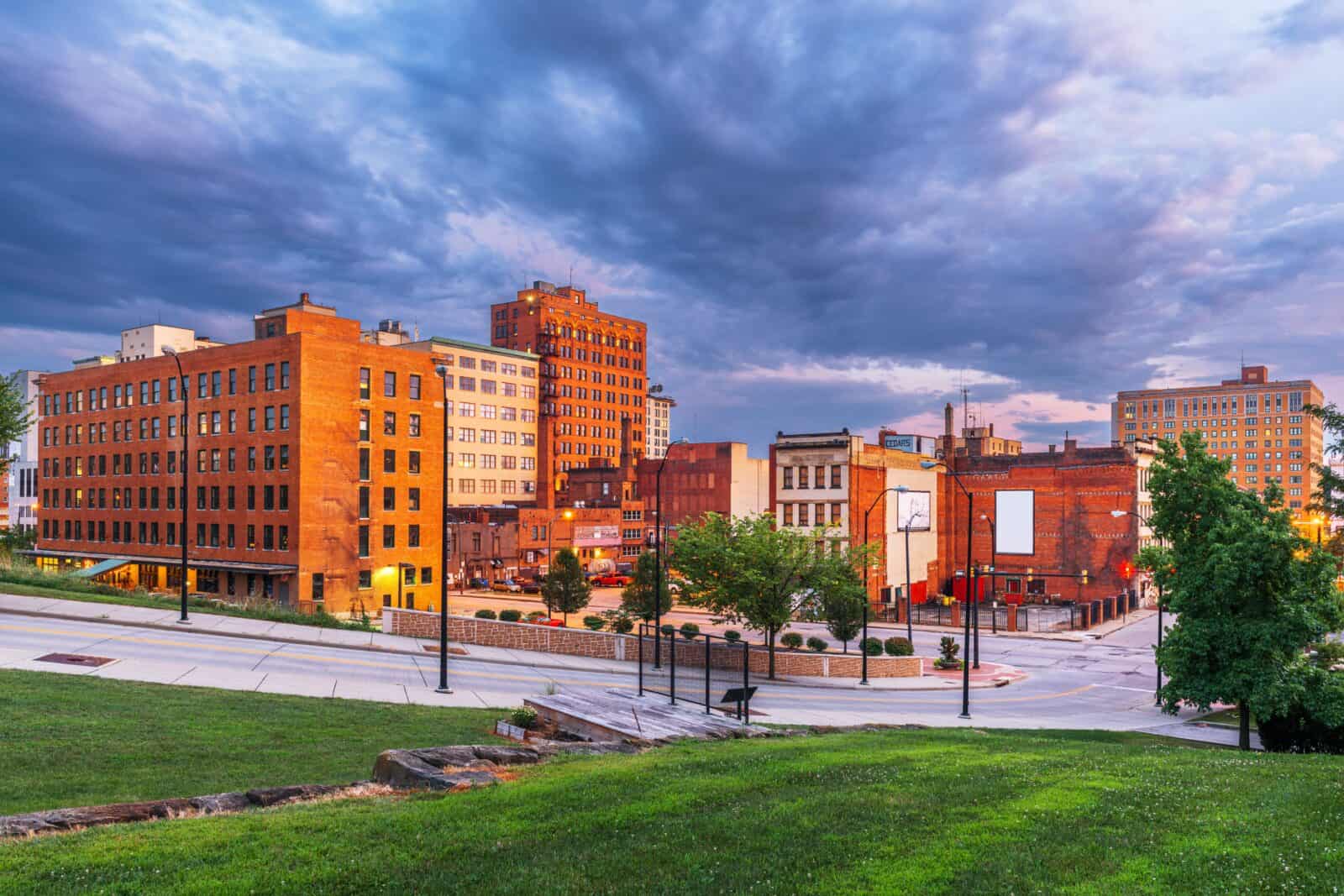
Youngstown has loyal residents and low housing costs, but a cheap mortgage cannot replace a strong paycheck. The U.S. Census Bureau estimates the city fell to 58,832 residents in 2025, a 2.0% decline from its 2020 base. That slide reflects a familiar Rust Belt headache: fewer ladders into steady middle-income work.
Families want careers, child care, and hope in the same zip code. Local pride still runs deep across neighborhoods. Yet many young adults leave first, chase better pay, and promise to visit on holidays.
Jackson needs reliable basics
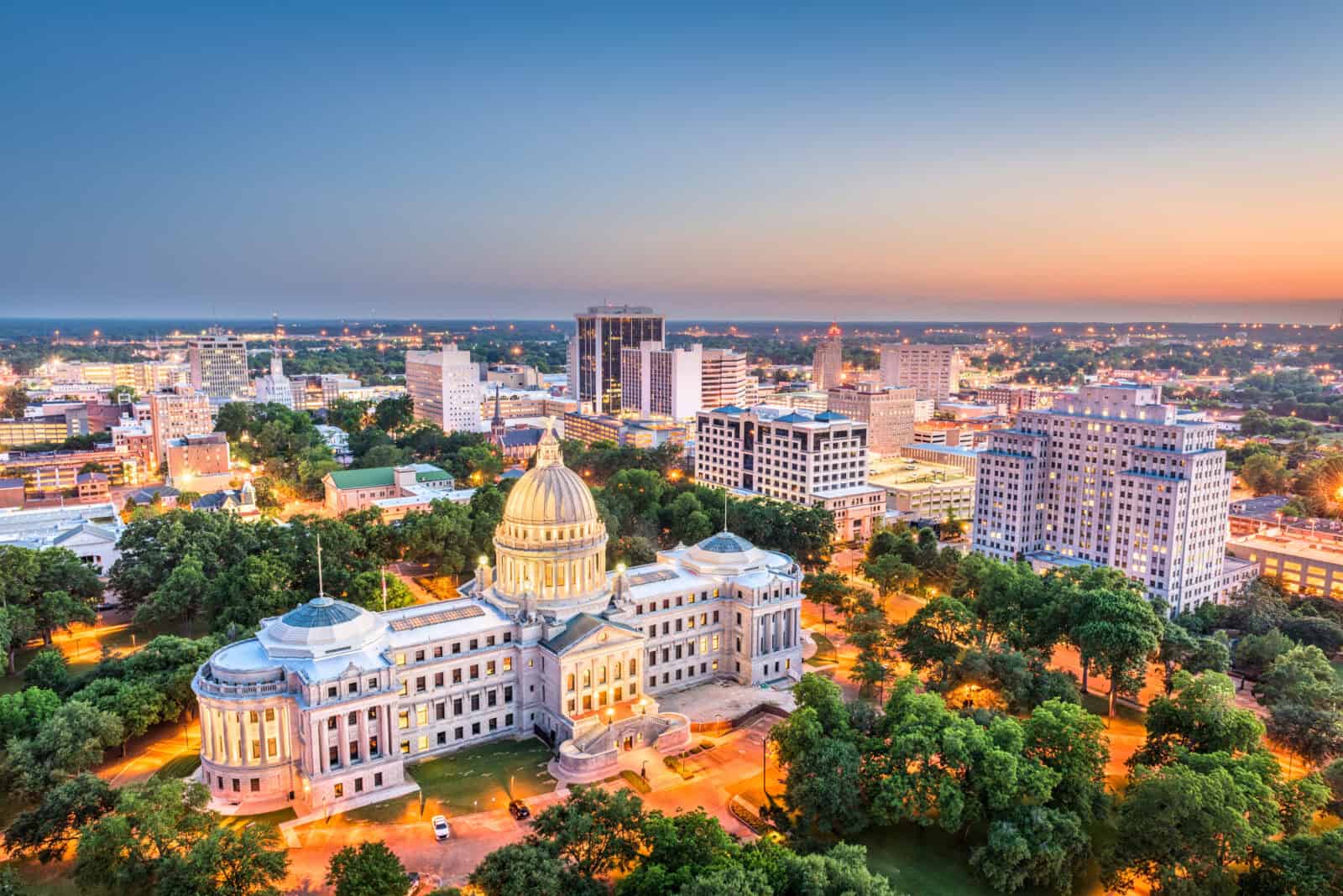
Jackson residents know resilience, but resilience should not mean planning a day around basic utilities. Water worries, aging roads, and limited investment push some families toward nearby suburbs. Women who manage meals, kids, work, and caregiving feel infrastructure stress fast.
A boil notice can throw an entire week off. A city can offer culture and history, but people stay longer when the faucets, schools, and clinics feel dependable.
Shreveport fights the slow leak
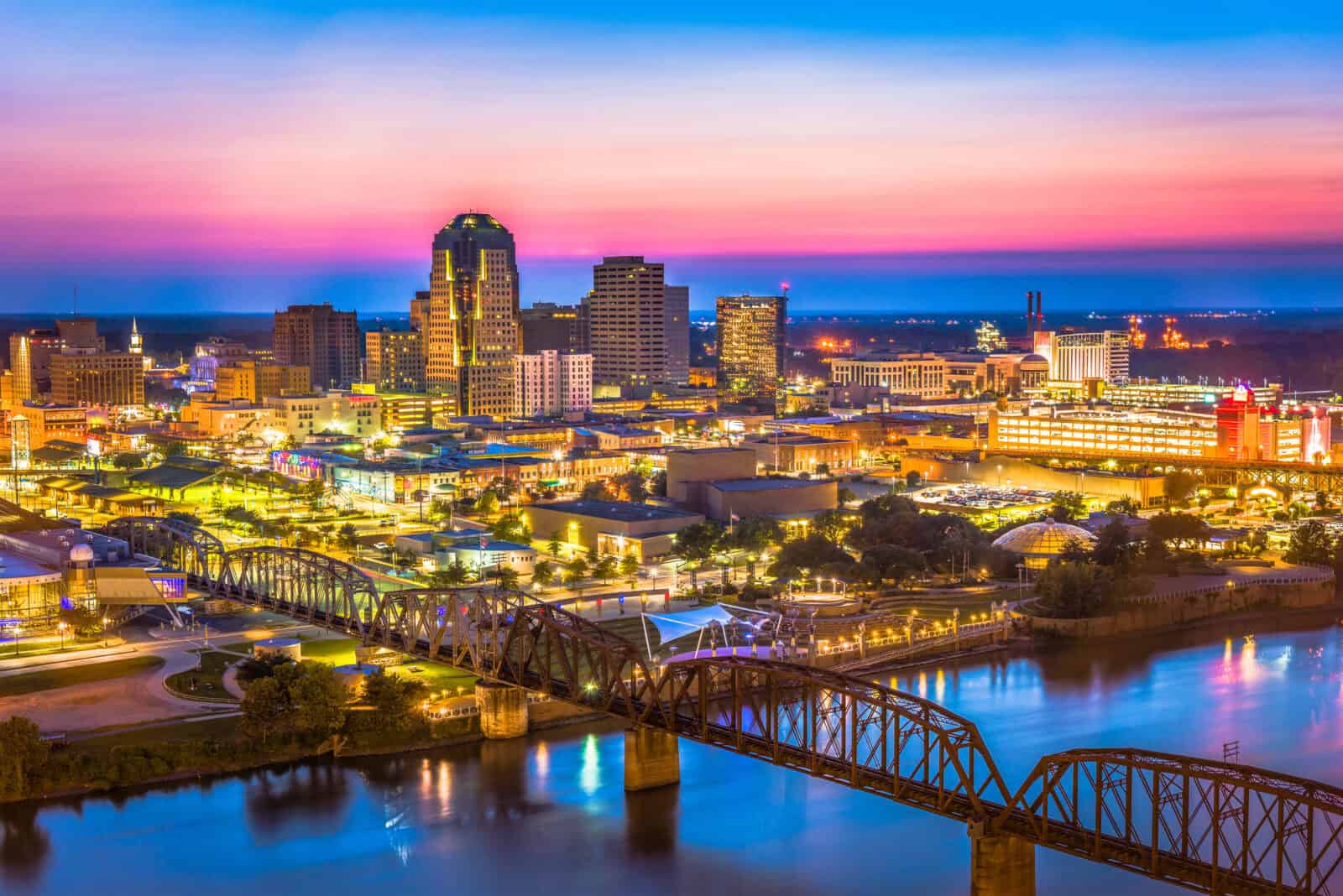
Shreveport has music, riverfront character, and a proud Louisiana personality, but it continues to battle a quiet loss of residents. The U.S. Census Bureau estimates a 6.2% decline in the population from April 2020 to July 2025. That shrinking headcount affects local shops, schools, and neighborhood confidence.
Residents watch for safer streets, livelier job growth, and visible care on their blocks. Women often read those signals quickly because they shape errands, school runs, and nights out. Families do not need perfection, but they need enough progress to believe staying makes sense.
San Francisco battles sticker shock

San Francisco still shines with views, culture, and career power, yet its price tag can turn excitement into math homework. The San Francisco Chronicle cited figures from the California Department of Finance indicating the city lost about 3,300 residents between January 2024 and January 2025.
High rent, child care, taxes, and everyday costs can wear down even strong salaries. Single women and families often feel that squeeze first because every dollar counts. The city keeps attracting ambition, but it must make ordinary life feel less punishing.
Charleston searches for momentum
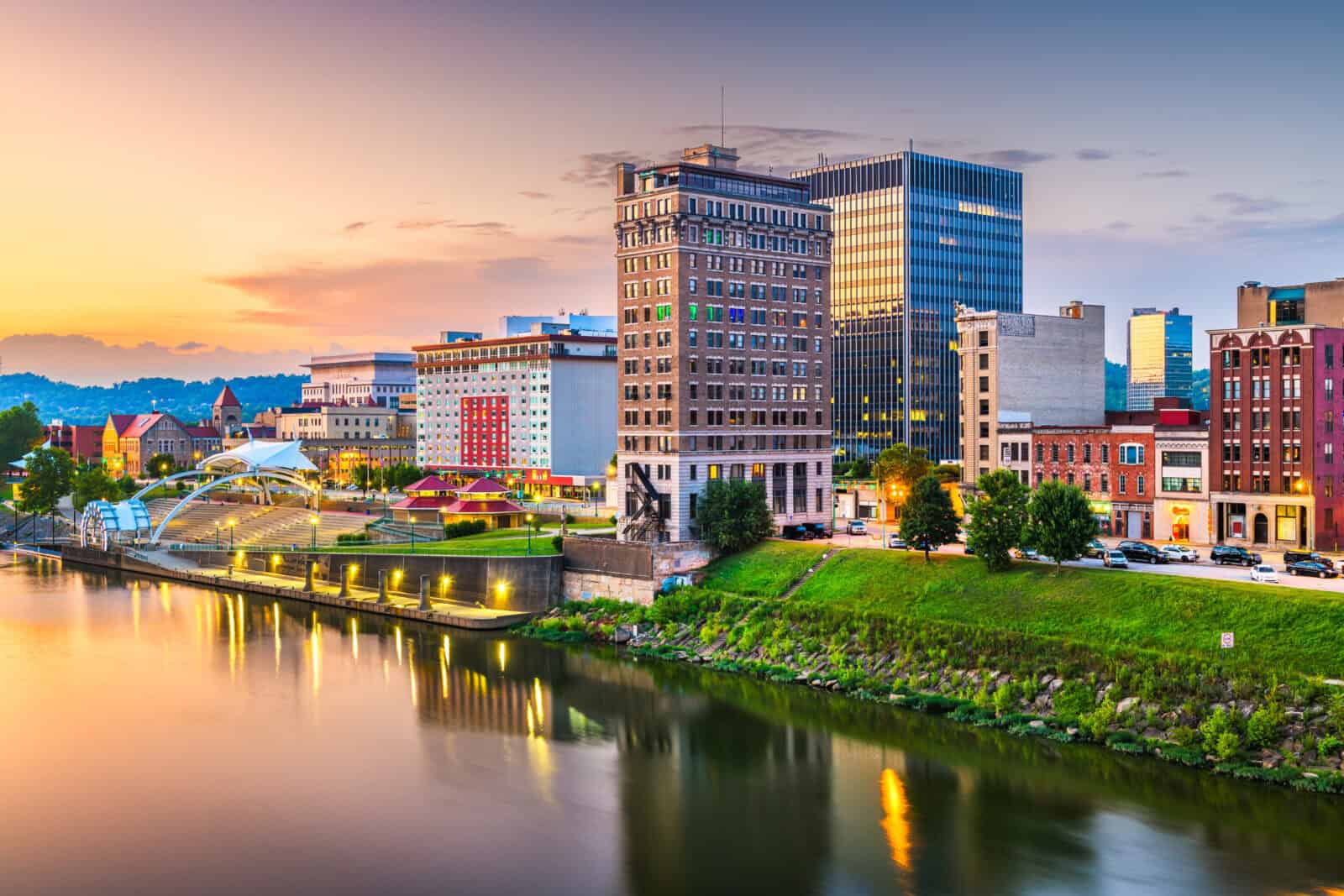
Charleston, West Virginia, offers residents mountain beauty and a slower pace, but it still needs a stronger economic pull. Women balancing work and caregiving need more career paths, access to medical care, and family-friendly services. Charleston has warmth, riverside charm, and civic pride. It now needs fresh jobs to keep more households from drifting away.
Key takeaway

These cities do not struggle for one single reason. Some wrestle with housing costs. Some fight old industrial decline. Others face climate risks, infrastructure strain, safety concerns, or weak job ladders.
For many residents, especially women managing family budgets and daily routines, the decision to leave often starts with one simple question: Does this city still make life easier? The cities that answer yes with safer blocks, reliable services, fairer costs, and better work options have the strongest shot at keeping people home.
Disclaimer – This list is solely the author’s opinion based on research and publicly available information. It is not intended to be professional advice.
Like our content? Be sure to follow us.