Why Doctors Say Hiking Might Be the Best Therapy You’ll Ever Try
Studies show that time on the trail not only strengthens the heart and lungs but rewires the brain for calm, focus, and resilience.
Every November 17, National Take a Hike Day invites people to step away from their screens and step into the quiet beauty of nature. It is a reminder that sometimes the best form of therapy is not found in a doctor’s office or a gym but on a dirt path winding through trees. Hiking, at its core, is simple: one foot in front of the other. Yet this seemingly basic act has a remarkable ability to strengthen the body, calm the mind, and renew the spirit.
How Hiking Strengthens the Body
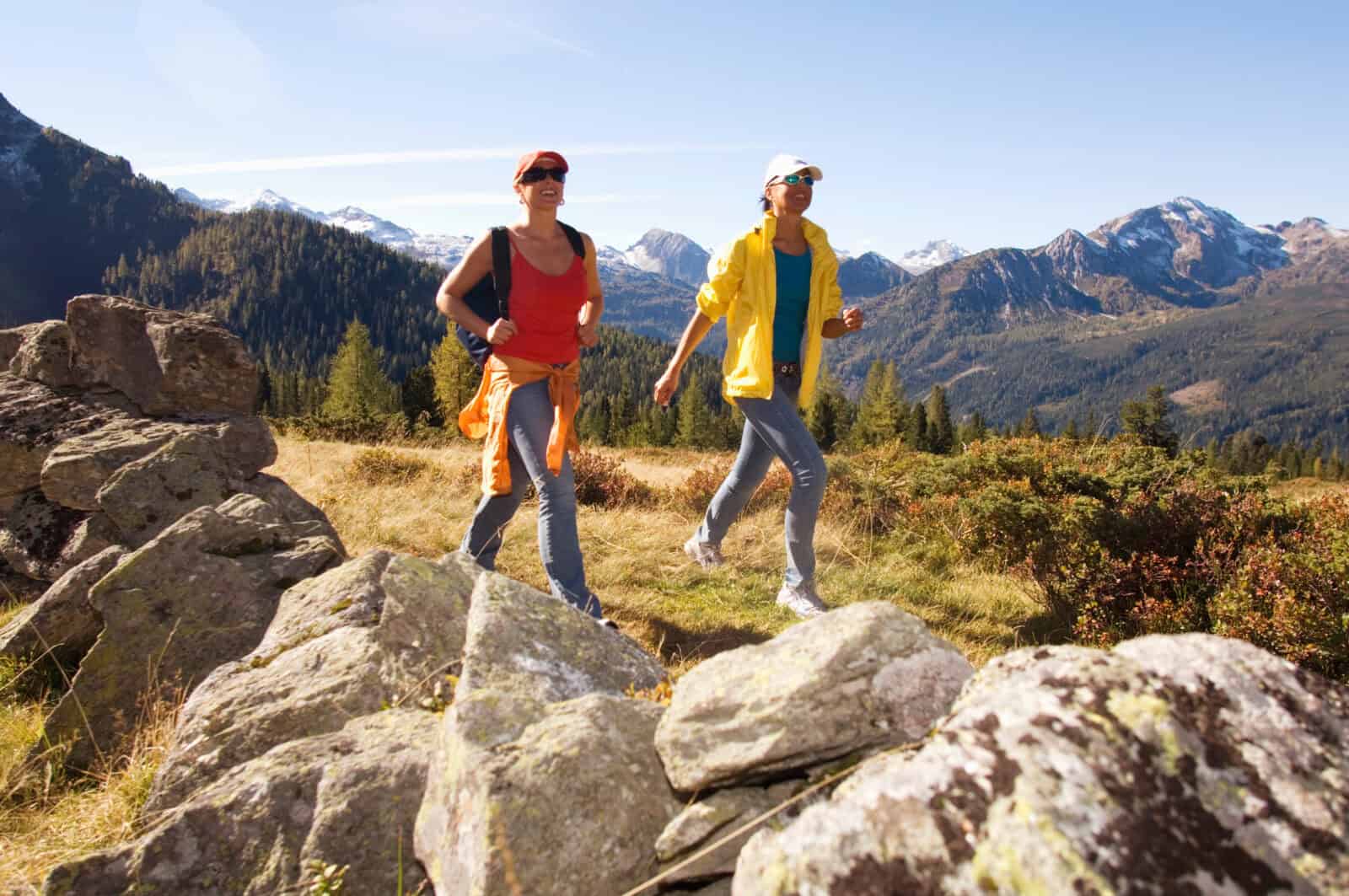
Hiking offers a workout without the pressure of a workout. The rolling terrain of a forest trail engages stabilizing muscles that treadmills never reach. Climbing even gentle inclines builds leg and core strength while improving cardiovascular endurance. Studies have shown that hikers tend to have lower blood pressure and stronger hearts than those who stick to indoor routines. And because hiking is low impact, it can be easier on the joints than running or high-intensity workouts. Add in the fresh air and natural sunlight, and you have a prescription for better health that costs nothing.
Nature’s Mental Reset
The benefits of hiking go far beyond muscle tone or lung capacity. There is a mental reset that happens when you trade fluorescent lights for dappled sunlight. The sights, sounds, and smells of nature trigger an almost immediate sense of calm. Psychologists call this “attention restoration,” the process by which the mind recovers from the constant bombardment of modern life. When you are surrounded by rustling leaves, chirping birds, and the rhythm of your own footsteps, your brain finally gets a chance to breathe.
The Trail as Meditation
For many, hiking is the simplest way to experience mindfulness. There is no need to sit cross-legged or chant mantras. The trail itself becomes a meditation. Each step grounds you in the present moment. You notice how the air feels cooler near water, how the sunlight shifts through branches, how the forest smells different after rain. In those moments, the noise of daily life fades away.
The Science of Calm
Nature also has a measurable effect on mood. Researchers have found that spending time outdoors can lower cortisol, the body’s primary stress hormone. Even a brief walk in a wooded area can elevate serotonin levels, reduce anxiety, and improve sleep. The Japanese practice of “forest bathing,” or simply immersing oneself in the woods, is built on this very principle. You do not have to climb a mountain to feel the difference. A quiet trail through a local park can be enough to restore a sense of peace that is increasingly rare in our busy world.
Freedom and Focus
There is a sense of freedom in hiking that few activities can match. Modern life often feels confined by walls and routines. Hiking breaks those boundaries. The trail does not demand performance or competition. It asks only that you show up and move forward. You can go fast or slow, talk or stay silent, stop for a moment to watch a hawk or study the shape of a leaf. Hiking teaches you that progress is not always about speed but about presence.
Walking Through History
Every trail has a story to tell. Some were once paths carved by Indigenous people traveling between villages or following seasonal migrations. Others trace the routes of settlers, traders, and explorers. When you hike, you are walking through history. Even if you never leave your local region, the land beneath your feet holds centuries of memory. The more time you spend on the trail, the more you begin to feel that connection. It becomes not just exercise but a dialogue with the earth itself.
Getting Started the Simple Way
Starting a hiking habit does not require special training or expensive gear. The key is to begin where you are. A nearby nature preserve or state park is enough to ignite the spark. Wear shoes with good traction, carry water, and dress in layers so you can adjust to changing temperatures. Let someone know your route if you plan to hike alone, and learn the basics of trail etiquette, such as yielding to uphill hikers and leaving no trace behind.
Growth, Confidence, and Community
As you gain confidence, you may find yourself wanting to explore longer routes or more challenging landscapes. Hiking clubs and local outdoor groups can be wonderful ways to learn new skills, meet people, and stay motivated. Many organizations host beginner-friendly hikes that introduce newcomers to trail navigation and safety. And as your stamina grows, so will your sense of adventure.
America’s Trails and the Joy of Discovery
Hiking is also one of the most accessible ways to travel. From the Appalachian Trail that stretches from Georgia to Maine to the Pacific Crest Trail running from Mexico to Canada, the United States offers thousands of miles of pathways through nearly every kind of terrain imaginable. But the true joy of hiking is not measured in miles. It lies in those small discoveries along the way: a patch of wildflowers in late bloom, the call of a distant owl, the feeling of sunlight warming your shoulders.
The Seasons of the Trail

The beauty of the trail is that it changes with every season. In spring, fresh growth and blooming trees make even familiar routes feel new. Summer brings long days perfect for exploring shaded forests or mountain ridges. Autumn turns the landscape into a painter’s palette of reds, golds, and oranges. And winter, often overlooked, offers a quiet solitude that few experiences can match. Hiking year-round deepens your appreciation of the natural world’s rhythm and reminds you that each moment, like each step, is fleeting and precious.
The Meaning of the Journey
National Take a Hike Day is more than a date on the calendar. It is a call to remember what movement feels like when it is guided by joy rather than obligation. It encourages people to trade busyness for stillness, to seek beauty not on screens but in the sky above them. So on November 17, lace up your shoes, find a trail, and give yourself permission to disappear into nature for a while. Whether you walk a single mile or climb a mountain, the trail will always meet you where you are and lead you exactly where you need to go.
7 Outdoor Fitness Moves That Burn More Than Your Gym Routine

When the sun is shining and vacation season kicks off, indoor workouts often fall to the bottom of the list. But that doesn’t mean your fitness goals have to take a backseat. Summer offers plenty of creative ways to stay in shape—without stepping foot inside a gym.
Ready to stay active and enjoy the season? Let’s explore some smart strategies.