12 head-turning commandments in the book of Leviticus
Leviticus, often dismissed as biblical dead weight, contains hundreds of laws so strange by modern standards that they collide head-on with how we eat, dress, shop, and live today.
Most people skimming through the Bible hit a speed bump when they reach Leviticus, often getting stuck in a bog of ancient rules. It is a section packed with regulations that seem baffling or downright impossible to follow in our modern daily lives.
While the Ten Commandments get all the press, this book contains over 600 laws covering everything from diet to fashion choices. Some of these mandates are so specific and strange that they leave modern readers scratching their heads.
The Ban On Shellfish

Leviticus 11:10 is bad news for anyone who loves a good shrimp cocktail or a lobster roll dinner on the weekend. The text strictly forbids eating anything from the water that lacks both fins and scales, calling them detestable.
This rule effectively bans the consumption of all shellfish, which is tough, given that Americans ate 19.7 pounds of seafood per capita in 2022, according to the National Fisheries Institute. You would have to say goodbye to crab cakes, oysters, and calamari forever if you followed this law.
No Mixed Fabrics

Leviticus 19:19 warns against wearing clothing made of two different kinds of material mixed together, such as wool and linen. This ancient fashion police rule would empty out most modern closets since blends are the industry standard for comfort.
The average American throws away roughly 81.5 pounds of clothes annually, and much of that waste consists of forbidden poly-cotton blends. Checking every tag on your shirt to avoid this mixture would turn a quick shopping trip into a research project.
Prohibition Of Tattoos

You might want to rethink that new ink sleeve because Leviticus 19:28 prohibits cutting your body for the dead or putting tattoo marks on yourself. This ancient command stands in stark contrast to current trends, in which body art is celebrated as a form of self-expression.
Pew Research Center reported in 2023 that 32% of Americans have at least one tattoo, putting a third of the nation in direct violation of this verse. It is fascinating to see how cultural norms have shifted so dramatically away from this specific biblical prohibition.
Round Haircuts And Beards

Leviticus 19:27 instructs men not to cut the hair at the sides of their heads or clip off the edges of their beards. This rule aimed to set the Israelites apart from neighboring nations, who used specific grooming styles for their idolatrous worship practices.
With the global men’s grooming market valued at $61.6 billion in 2025, it is clear that modern men are opting for clean shaves and fades rather than this advice. If we followed this strictly, the barber industry would look very different, and razors would be obsolete.
Touching Pig Skin
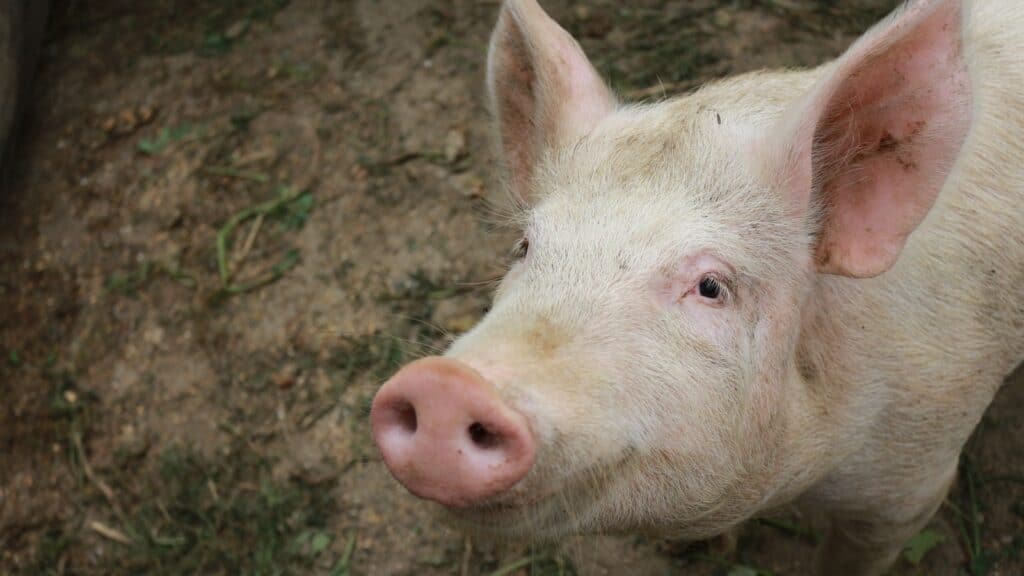
Leviticus 11:7-8 declares the pig unclean and forbids not just eating it but also touching its dead carcass. This presents a major problem for sports fans who love the classic American game of football.
Nielsen reported that 123.7 million viewers tuned in for Super Bowl LVIII, watching athletes chase a ball nicknamed “the pigskin” for hours. Technically, modern footballs are cowhide, but the spirit of the rule would make handling the ball a risky spiritual fumble.
Selling Land Permanently

Leviticus 25:23 states that the land must not be sold permanently because it belongs to God, and people are merely tenants. This concept of the Jubilee Year meant that all property would eventually return to its original family owners.
Imagine trying to explain to a real estate agent that you can only lease your house for a few decades before giving it back for free. This radical economic system would shatter our modern mortgage industry and completely change how we view home ownership.
Mildew In The Home

Leviticus 14:33-57 outlines a complex process for dealing with the spread of mildew or mold on the walls of a house. The priest acts as a building inspector, ordering stones to be torn out or the entire house to be demolished if the mold persists.
The mold remediation service market was valued at over $1.3 billion in 2024, indicating we still fight this battle, though we call contractors rather than priests. It is essentially the earliest recorded building code designed to protect the community from health hazards.
Crossbreeding Animals
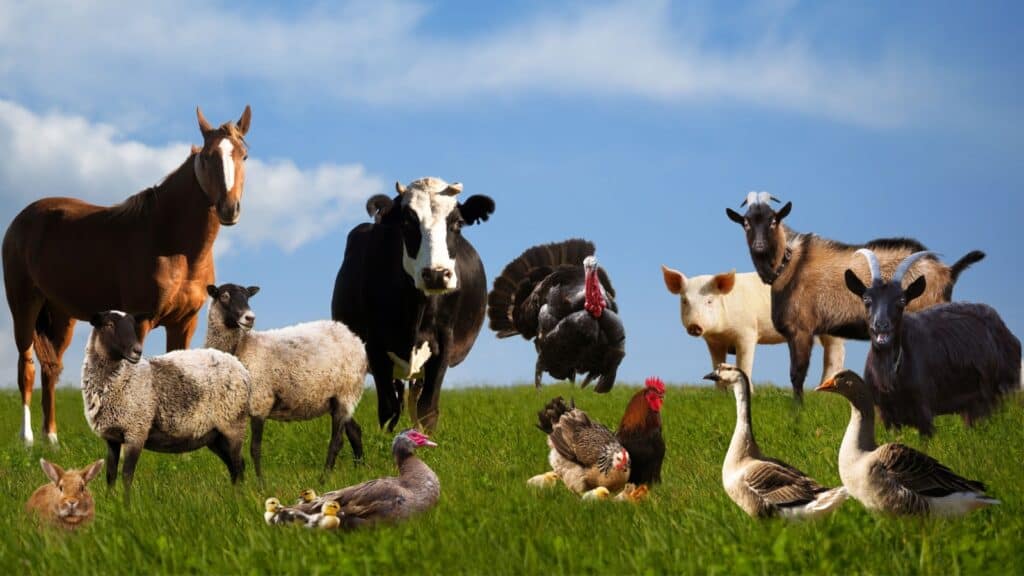
Leviticus 19:19 appears again to prohibit farmers from letting two different kinds of animals mate. The focus here is on maintaining distinct boundaries and purity in the natural order of creation.
This rule would effectively ban the existence of mules, which are the offspring of a donkey and a horse, and many dog breeds. Livestock management today relies heavily on selective breeding that would likely make an ancient Levitical priest very nervous.
Eating Animal Fat
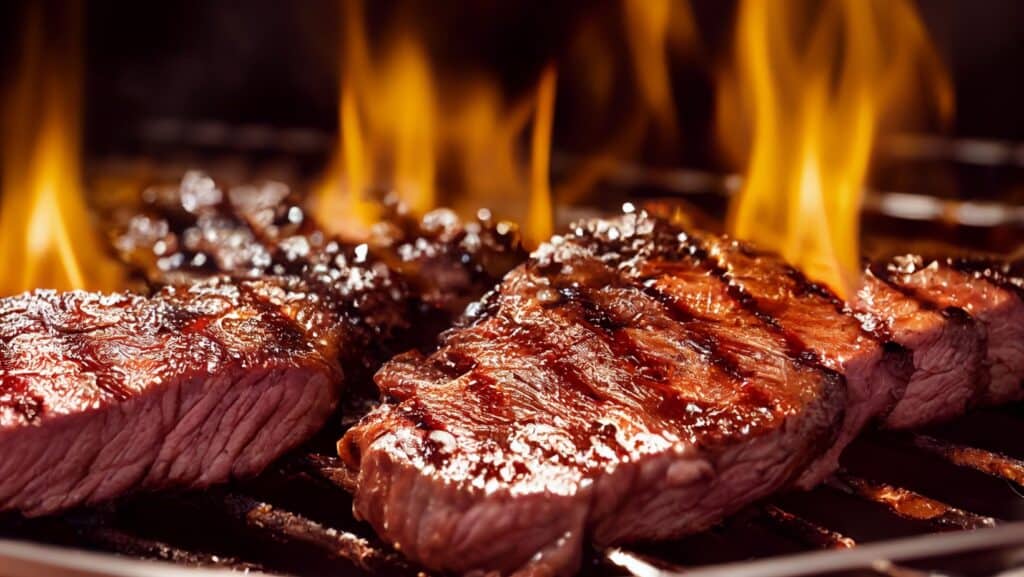
Leviticus 3:17 establishes a lasting ordinance for generations that people must not eat any fat or any blood. The choicest parts of the animal, specifically the fat covering the internal organs, were reserved solely for offering to God on the altar.
This command would ruin the menu at every steakhouse in the country where marbling is the mark of a high-quality cut of meat. Following this dietary restriction means trimming your steak until it is lean, dry, and probably much less flavorful.
Waiting To Eat Fruit

Leviticus 19:23-25 commands farmers to treat the fruit of newly planted trees as forbidden for the first three years. In the fourth year, the fruit is holy, and only in the fifth year are you actually allowed to eat it yourself.
Most modern gardeners would struggle with the patience required to wait five full years before enjoying a single apple or orange from their labor. This law was meant to trust God for provision, but today we expect a much faster return on our agricultural investments.
Priests With Defects
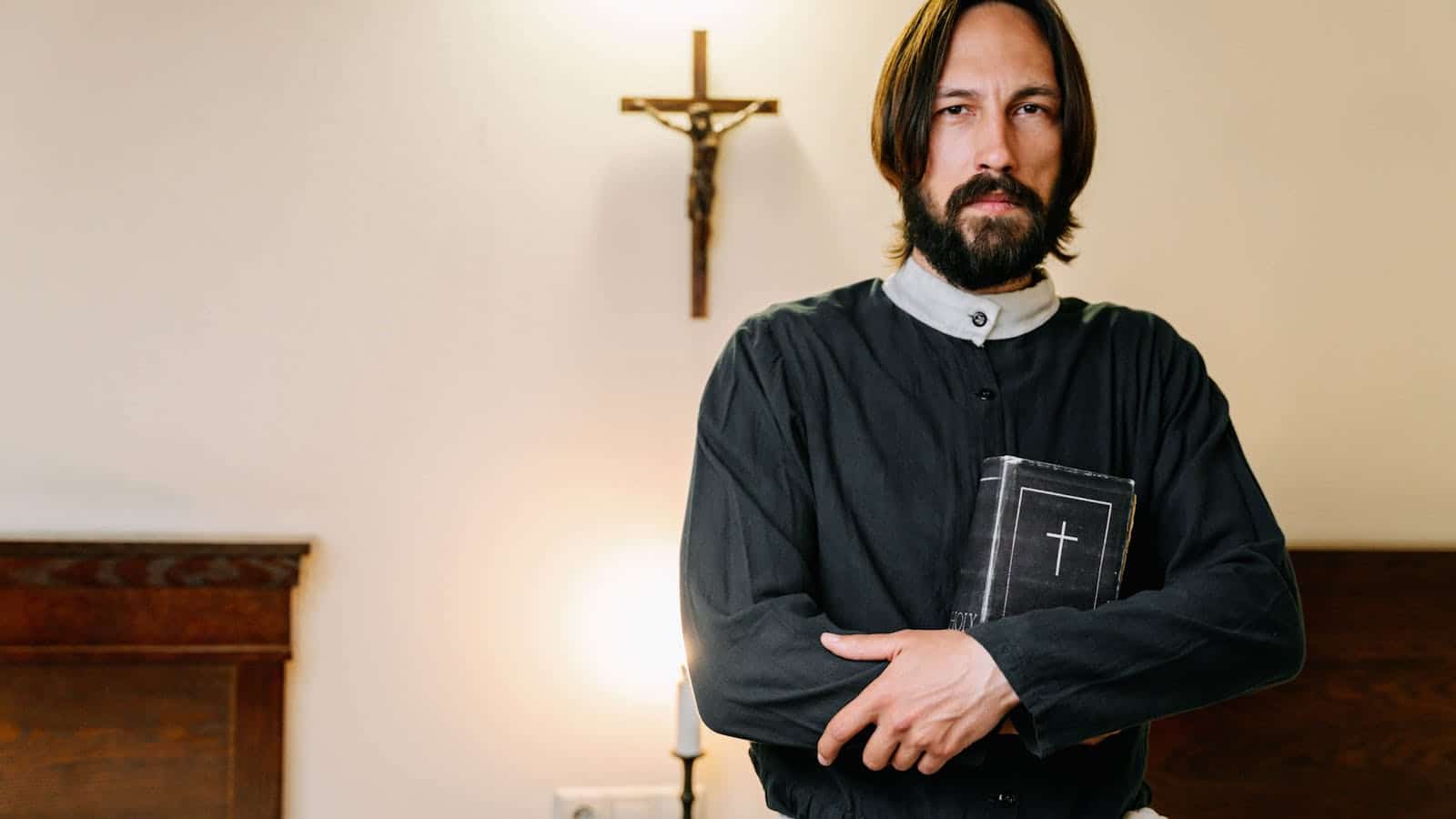
Leviticus 21:17-23 bars any descendant of Aaron who has a physical defect from approaching the altar to offer food to God. This included blindness, lameness, or even just having a nose that was “marred,” effectively excluding many from service.
This exclusionary rule creates a sharp contrast with modern inclusivity standards that value accessibility and equal opportunity for everyone regardless of physical ability. It serves as a reminder of how different the ancient concept of ritual perfection was from our current values.
The Scapegoat Ritual

Leviticus 16 describes the Day of Atonement, in which a priest confesses the people’s sins over a live goat and sends it into the wilderness. This ritual visually symbolized the removal of guilt and sin from the community and sending it far away.
We still use the term “scapegoat” today to describe someone who takes the blame for others, but we rarely send farm animals into the desert. It is one of the most vivid images in the book, offering a tangible way to bear the heavy psychological burden of guilt.
Like our content? Be sure to follow us