13 costly retirement buys financial advisors caution against
Retirement can last nearly 20 years after age 65, so every flashy “treat yourself” purchase needs to earn its keep. That matters more now because the money leaks look bigger than ever: Bankrate states that hidden homeownership costs average $21,400 a year, the average new vehicle transaction price hit $49,191 in January 2026, and a cable or satellite TV bundle averaged $187.99 a month in early 2025. In other words, this is not the season for expensive stuff that looks impressive for a week and drains cash for years.
I’m not here to tell retirees to live on canned soup and guilt. I’m here to say that plenty of boomers keep buying things they needed at 45, wanted at 55, and barely use at 68. Ever look around a perfectly nice house and think, “Why does this place contain three subscriptions, two cars, one timeshare, and enough bulk rice to feed a scout camp? Exactly.
Timeshares that promise paradise and deliver paperwork

Timeshares still sell the dream beautifully. You picture sunsets, easy vacations, and a little slice of luxury waiting for you every year. Then reality barges in with annual fees, booking headaches, resale disappointment, and a thick layer of “customer service” that somehow never solves anything.
The FTC flat-out warns buyers not to assume they will recover what they paid, and also warns that scammers often later chase owners with fake exit offers, upfront fee demands, and guaranteed promises that go nowhere.
That combo makes timeshares a classic retirement money trap. You pay once, keep paying again, and then pay emotionally every time you realize you could have booked a normal vacation with fewer strings and less drama.
I know the sales pitch sounds polished, but so do casino carpets. If a purchase needs an “exit company” industry to help people escape it, that purchase probably doesn’t deserve another round of boomer loyalty.
Brand-new SUVs and pickup trucks nobody truly needs

Retirement should feel lighter, yet plenty of boomers still walk into dealerships and leave with a giant monthly obligation on four wheels. Kelley Blue Book reported that the average new-vehicle transaction price reached $49,191 in January 2026, while the average MSRP was $51,288. Full-size pickups topped $70,000 on average for the fifth straight month, even as compact SUVs averaged $36,414, showing that shoppers still have solid lower-cost options if they want them.
That matters because retirement driving usually shrinks rather than expands. Most retirees no longer commute daily, haul children everywhere, or need a truck that looks ready to tow a small nation.
Cox Automotive analyst Erin Keating said “mix still matters,” and she’s right: buyers keep pushing averages higher by choosing oversized, high-priced models. A shiny giant SUV may feel like a reward, but a smaller paid-off car usually feels better once insurance, fuel, maintenance, and regret all start sending invoices.
A second car that mostly decorates the driveway
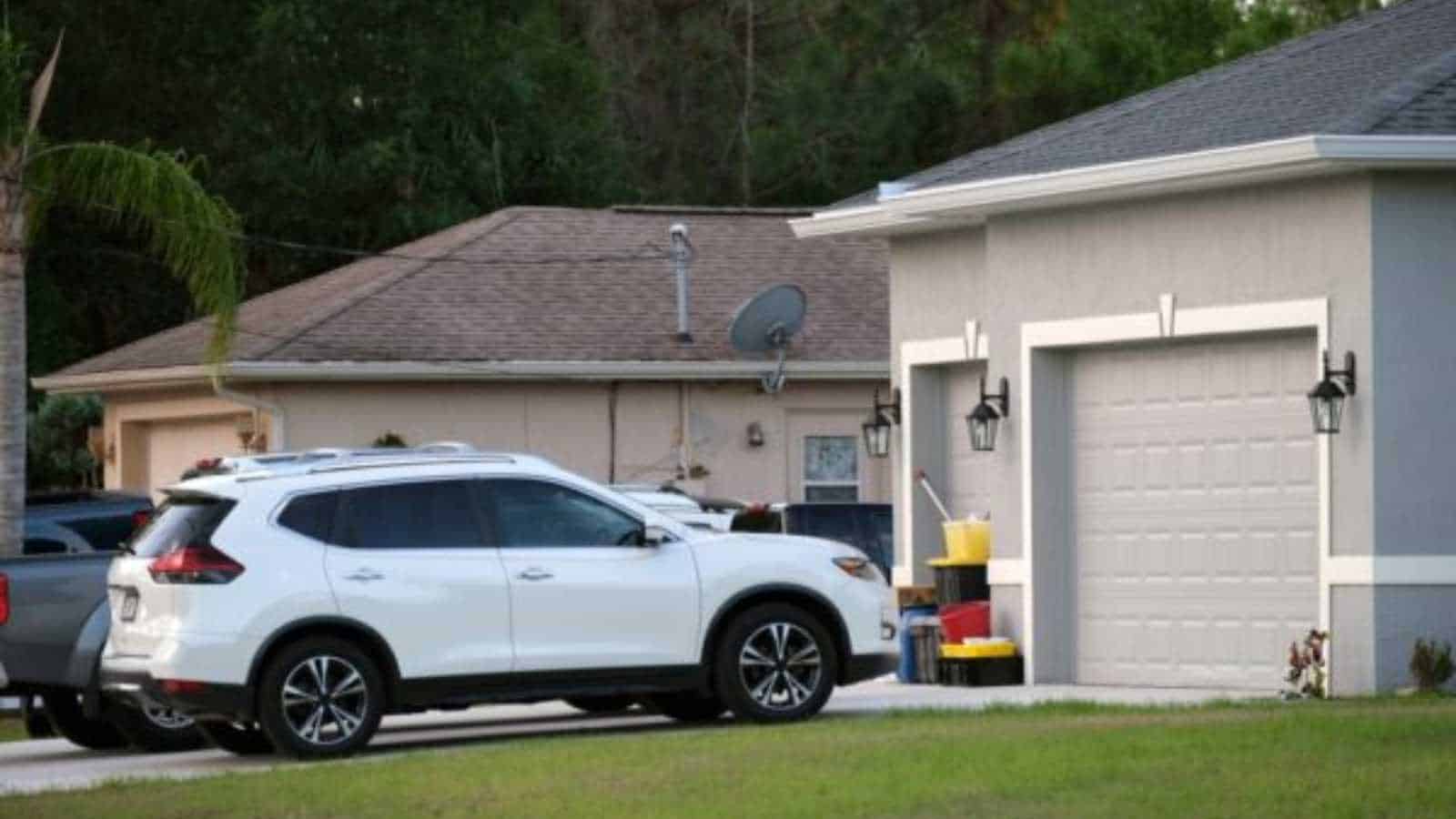
A second vehicle made sense when both spouses worked, kids needed rides, and every weekday looked like a relay race. Retirement changes that math fast. AARP notes that retirees often no longer face daily office obligations, which makes downsizing to one car a realistic way to cut costs on insurance, maintenance, and other car-related expenses. Why keep feeding a machine that spends most of its life sunbathing in the driveway?
This purchase becomes useless when the backup car is treated as a sentimental object rather than a practical tool. I’ve seen households keep a second car “just in case,” then use it so rarely that the battery dies more often than the engine runs. That isn’t convenient.
That’s a metal pet with registration fees. Selling the extra vehicle often frees up cash and strips away a whole category of low-grade expenses that quietly chew through retirement income.
Upscale kitchen remodels for imaginary dinner parties

Retirees love a gorgeous kitchen, and honestly, I get it. A bright backsplash and new cabinets can make a home feel fresh and energizing. But the numbers turn brutal once people chase the magazine-cover version instead of the sensible upgrade.
The 2024 Cost vs. Value Report found that a minor midrange kitchen remodel recouped about 96% of its cost, while a major upscale kitchen remodel recouped only 38%. That is not a glow-up. That is a financial cannonball.
Boomers often justify these big projects with some version of “we’ll entertain more.” Then they host three dinners, admire the quartz island for six months, and wonder why the checking account looks dizzy. If you want a better retirement kitchen, great.
Just don’t confuse “nicer to use” with “worth any price.” A smaller remodel can improve daily life without setting six figures on fire for guests who still hover near the cheese plate.
Warehouse club memberships for a household of two

Bulk shopping can save money when you feed a full house. It can also turn hilarious when two retirees own enough paper towels to survive the next ice age.
AARP points out that once the kids move out, those giant containers and oversized pantry items often go stale or spoil before anyone finishes them. Budgeting expert Andrea Woroch says retirees should “look at your shopping habits,” and that advice hits harder than most people want to admit.
The real waste doesn’t stop at spoiled food. The membership fee counts too, and so does the habit of buying more just because the package screams “value.” That’s how you leave with a 40-pack of snack bars, a kayak-sized jar of pretzels, and a receipt long enough to qualify as historical fiction.
Smaller households usually save more by buying smaller amounts more often, especially when retirement finally gives them the time to shop like actual humans instead of emergency supply managers.
Family cellphone plans for grown kids with grown salaries

This one hides in plain sight because it feels generous instead of wasteful. AARP reports that more than one-third of millennials and 1 in 7 Gen Xers still stay on their parents’ cell phone plans, and notes that a major carrier’s four-person unlimited plan runs about $200 a month, plus taxes and fees. That means some retirees keep paying a family-era bill long after the family budget should have slimmed down.
Helping adult children makes emotional sense, but retirement demands financial boundaries. You can love your kids without sponsoring unlimited data until the sun burns out.
This purchase becomes useless the moment the plan serves adult convenience more than household necessity. Keep one line, maybe two, and let the rest of the group chat finance itself like the independent adulthood everyone claims to celebrate.
Collector coins and precious metals pitches dressed up as “safety.”

Few retirement pitches sound more seductive than “protect your nest egg.” That phrase has cleaned out plenty of wallets. The CFTC warns that precious-metals scams often begin with unsolicited calls, emails, brochures, ads, or videos, and it specifically flags schemes built around gold, silver, self-directed IRAs, and collectible products that target retirement savings. In plain English, the fear-based sales machine knows exactly who it wants.
Now, owning some bullion or collectibles does not automatically make someone foolish. The problem starts when retirees treat marked-up coins and dramatic “collapse-proof” pitches like sober planning.
That is where useless crosses into dangerous. If a salesperson pushes urgency, mystery, or a once-in-a-lifetime metals deal, I start hearing sirens. Retirement money needs clarity, not a dramatic monologue about the end of civilization and a commemorative eagle coin priced like a beachfront condo.
Gold bars were bought because a caller sounded official

This one deserves its own slot because it has exploded into a retiree nightmare. In August 2025, the FTC said reports from older adults who lost $10,000 or more to these fake-security and fake-government scams increased more than fourfold from 2020 to 2024. The FTC also said reports from older adults losing more than $100,000 increased nearly sevenfold, and some people over 60 reported draining bank accounts and even clearing out 401(k)s.
Then came the gold-bar twist. In July 2025, the FTC warned that no real government agent will ever tell you to buy gold bars, move your money to a “secure” account, or hand cash to a courier.
Yet scammers still talk retirees into doing exactly that, because fear plus urgency can bulldoze common sense. So yes, “gold bars for protection” counts as both a useless retirement purchase and a bright-red financial-emergency flare.
Extended warranties on things that probably won’t break

Retailers love extended warranties because they sell peace of mind with a side of paperwork. The FTC takes a much cooler view. It says an extended warranty or service contract might not be worth the cost if the product is not likely to need repairs, and it urges shoppers to compare the extra plan with the manufacturer’s warranty they already have. The FTC also says a repair fund in savings can work better than paying extra for coverage that may never help.
The same logic hits auto add-ons, too. The FTC says dealers often pitch auto service contracts after a long day at the dealership, and prices can range from several hundred to several thousand dollars.
That means a tired retiree can sign for optional coverage before fully understanding what the contract excludes. If a plan duplicates existing coverage, limits repairs, demands preapproval, or clogs every claim with fine print, then congratulations, you purchased stress with a glossy brochure.
Premium cable bundles plus a stack of streaming apps

A lot of retirees still pay for television like it’s 2009, and the numbers look rough. J.D. Power reported that the average cable or satellite TV bundle cost $187.99 a month through January 2025, while the average monthly streaming bill reached $73.47. That means some households now pay old-school cable prices and then pile on streaming services, creating a beautiful tower of recurring charges and a terrible budget.
This spending gets especially silly when the household watches the same six channels, one detective series, and weather updates. I’m not anti-TV. I’m anti-paying luxury rates for unused menu options.
Retirement should buy more freedom, not more forgotten subscriptions. Audit the entertainment stack, keep what you actually watch, and stop funding the fantasy version of yourself who definitely planned to start that Scandinavian noir series last November.
A second home that behaves like a second job

The fantasy goes like this: one primary home, one dreamy getaway, and zero stress. The math goes like this: double the taxes, utilities, insurance, maintenance, and surprise repairs.
Bankrate warns that with two homes, the financial responsibility falls on your shoulders twice, and it also reports that the average annual cost of owning and maintaining a single-family home in the U.S. reached $21,400 in 2025. That already looks heavy with one house. Why volunteer for two?
A second property stops looking romantic the minute you become its unpaid manager. You monitor storms, arrange repairs, check plumbing, worry about vacancies, and pay for upkeep whether you visit or not.
Many retirees buy into the idea of escape and instead inherit a part-time operations role. Unless you use that place constantly and can absorb the costs comfortably, the “vacation home” often turns into an expensive monument to over-optimism.
Property maintenance services you can partly do yourself

I’m not telling every retiree to fire the landscaper and start power-washing in orthopedic shoes. Health matters, energy matters, and safety definitely matter.
But AARP makes a fair point here: many people hired routine cleaners, gardeners, and home service helpers when work and parenting squeezed every spare hour. Retirement changes the clock, and for healthy retirees, some of those tasks can shift back in-house.
That matters even more because home upkeep now costs real money. Bankrate says that maintenance alone averages about $8,808 a year, the largest chunk of hidden homeownership costs, and 42% of homeowners with regrets said maintenance and other hidden costs ran higher than expected.
So no, I would not call every service useless. I would call fully outsourcing every basic chore an easy habit to revisit. A little mowing, pruning, or tidying can save money and give retirement some structure without turning the backyard into a punishment camp.
New clothes and accessories for a life that no longer needs office armor

According to AARP, the quiet part out loud: many retirees already own decades of work clothes, dress shoes, handbags, and “special occasion” items that hardly see daylight anymore. Smart-shopping expert Trae Bodge recommends skipping pricey stores and simply “shop your closet,” because most people rediscover pieces they forgot they owned. Honestly, that advice feels almost annoyingly sensible, which usually means it works.
This purchase turns useless when the old identity drives new spending. You no longer need five blazer colors, three formal coats, and another pair of shoes that look great but behave like tiny revenge devices.
Retirement style should feel lighter, easier, and more honest. Buy what you truly wear, thrift what you can, and stop treating every sale rack like it contains the final missing clue to happiness. It doesn’t. It contains another cardigan.
Collectibles that keep growing long after the joy stops

Some collections bring real joy. Others quietly become cluttered with sentimental PR. AARP notes that many retirees keep adding to old hobby collections even when those items mostly sit around, taking up space, and suggests retirement is a good time to stop expanding the pile and start deciding where it should go next.
That advice sounds simple because it is simple. The hard part comes when nostalgia keeps swiping the card.
I’ve watched this happen with figurines, coins, records, model trains, commemorative plates, and enough “rare” items to stock a small museum gift shop. The problem isn’t affection. The problem is automatic buying without a fresh purpose.
If you no longer catalog it, display it, share it, or enjoy it, then the collection has stopped serving you. At that point, buying more doesn’t protect the hobby. It just multiplies the dusting.
Key takeaway
Retirement spending works best when it follows your real life, not your old life, and definitely not a salesperson’s fantasy script. The smartest move usually looks boring at first: keep one car if you can, skip the giant remodel, trim subscriptions, question every warranty, and treat “urgent” investment or gold pitches like the flashing warning lights they are. Boomers do not need to stop enjoying retirement.
They just need to stop buying expensive proof that they’re enjoying it. The sweet spot sits right there in the middle: spend on what you truly use, cut what only flatters your ego, and let your money stick around long enough to enjoy the party too.
Disclaimer: This list is solely the author’s opinion based on research and publicly available information. It is not intended to be professional advice.
Like our content? Be sure to follow us.