10 lies you’ve been told about building a good credit score
Some of the most common pieces of advice about credit scores sound helpful, but quietly sabotage the very financial future they promise to improve.
Building a solid financial foundation feels like trying to hit a moving target while blindfolded. Misinformation spreads like wildfire, leaving many folks confused and making choices that actually hurt their financial health. Separating the facts from the fiction is the only way to protect your wallet and secure better interest rates.
The truth is that understanding the credit system does not require a finance degree or insider connections. It simply requires cutting through the noise and ditching the stubborn myths that refuse to die. We are pulling back the curtain on the most common fibs floating around out there.
You Need to Carry a Balance

People often believe that leaving a little debt on their card shows lenders they actively use it. This is completely false and will only cost you money in unnecessary interest charges. Paying your statement balance in full every single month is the absolute best practice.
Credit card companies report your statement balance to the bureaus, not whether you carry it past the due date. You can build an excellent borrowing history without ever paying a dime in finance fees. As a matter of fact, payment history accounts for exactly 35% of your FICO score.
Checking Your Own Credit Hurts
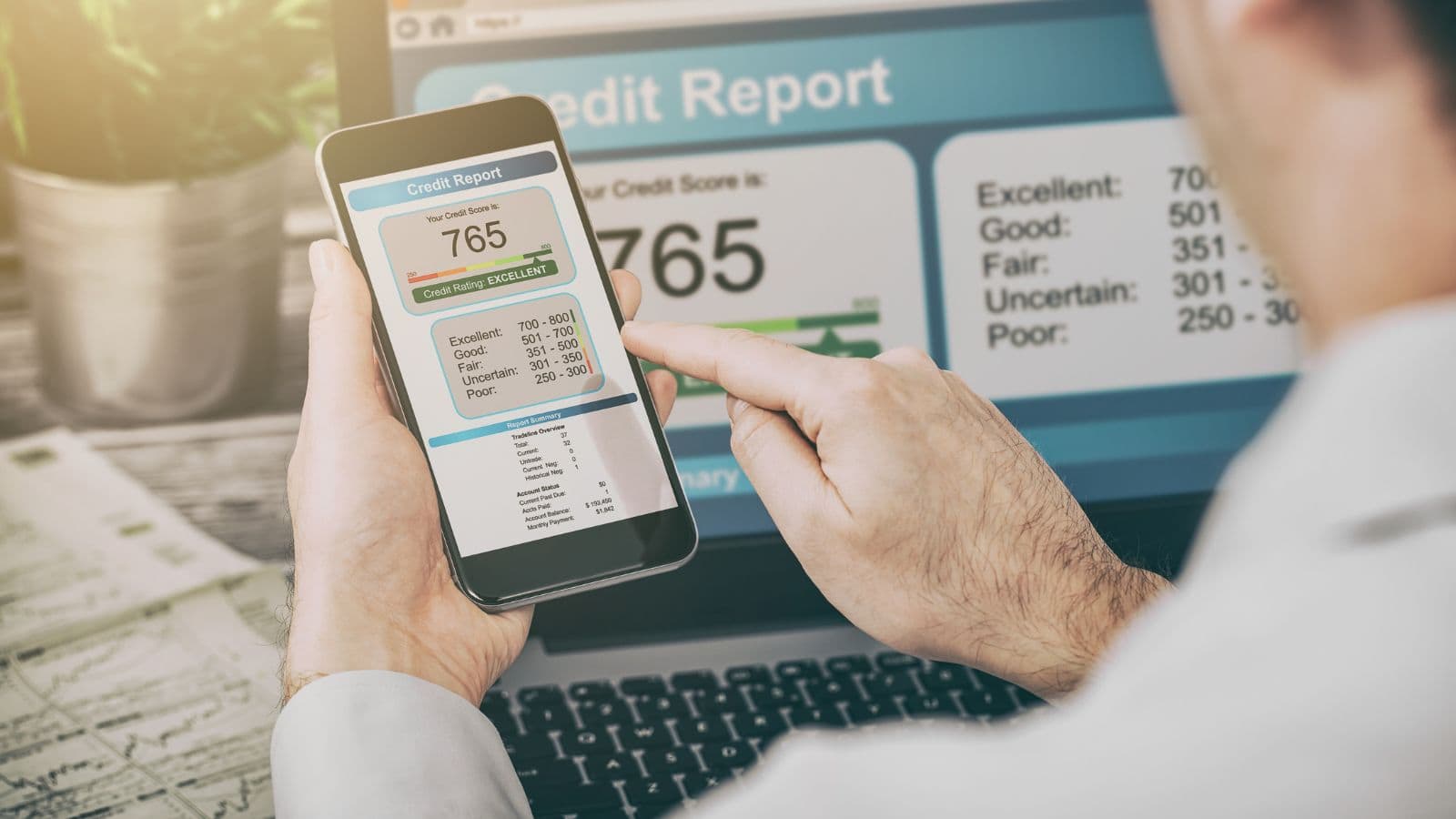
The fear of looking at your own financial data keeps many folks entirely in the dark. Pulling your own file is considered a soft inquiry and never dings your rating. Hard inquiries only happen when you actively apply for new financing with a lender.
Staying ignorant about your file means you might miss glaring red flags or unauthorised accounts. Consumer Reports revealed that 5% of consumers have errors on their credit reports serious enough to result in less favourable loan terms. Catching those mistakes early requires you to peek at your own data regularly.
Closing Old Accounts Helps

It seems logical to shut down old plastic you no longer swipe to clean up your wallet. Closing an older account actually shortens your average account age, which can drag down your score. It also reduces your total available credit, negatively impacting your overall utilisation ratio.
If an old card has no annual fee, keeping it open and active with a tiny recurring charge makes sense. According to the Federal Reserve Bank of New York, 15.3% of Generation Z credit card users max out their cards, utilising over 90% of their limit. Leaving old accounts open expands your credit limit and helps you avoid falling into that high utilisation trap.
Income Affects Your Score

Landing a massive promotion at work feels fantastic, but it will not directly pump up your FICO rating. Your salary, bank account balances, and overall wealth are absent from your credit report. Lenders definitely look at your income to determine your ability to repay, but bureaus do not care.
Whether you flip burgers or run a corporate company, the scoring model treats your behavior the same. A record 48.1% of consumers now boast FICO scores of 750 or higher, coming from all sorts of income brackets. Your ability to pay on time matters significantly more than the size of your paycheck.
Debit Cards Build History

Swiping a debit card feels identical to using credit, so people assume it builds their borrowing profile. Debit transactions pull cash straight from your checking account and are never reported to the bureaus. You are essentially paying with electronic cash, which involves zero borrowing risk.
Using debit is fantastic for avoiding debt, but it keeps your credit file completely invisible. If you want to establish a financial track record, you must use borrowed funds from a revolving or instalment account. Lenders need to see how you handle money that does not actually belong to you yet.
Paying Collections Fixes Everything

Sending a check to a debt collector feels like wiping the slate clean once and for all. While paying off a collection account stops the harassing phone calls, the negative mark usually stays on your file for seven years. The damage is already done the moment the original creditor gives up on you.
Newer scoring models sometimes ignore zero balance collections, but older versions used by many mortgage lenders do not. The national average FICO Score sits at 714 as of early 2026, dropping slightly due to increased delinquencies. Negotiating a pay-for-delete agreement is the only way to potentially erase the stain.
You Only Have One Score

Many apps provide a free score update, leading folks to believe they have a single, universal rating. The truth is, you have dozens of different credit scores calculated by various models and bureaus. Auto lenders, mortgage brokers, and credit card issuers often pull entirely different versions.
What you see on a free consumer app is generally an educational VantageScore, not the FICO model most lenders prefer. According to Experian data, 71.2% of Americans have a FICO Score of 670 or better. Your specific number will always fluctuate slightly depending on who is asking and which formula they apply.
Marriage Merges Your Reports

Tying the knot joins your lives, but it absolutely does not join your personal credit profiles. Every individual retains their own separate credit file linked entirely to their Social Security number. If your spouse has terrible borrowing habits, their score does not magically drag yours down by association.
The only time a partner’s financial history affects you is when you apply for joint financing together. Lenders will pull both profiles for a joint mortgage and often base their terms on the lower of the two scores. Keeping your personal accounts pristine is crucial even if you are happily hitched.
Student Loans Do Not Count

Because the government backs many educational loans, graduates often think they exist outside the standard borrowing system. Student loans are traditional instalment accounts and play a massive role in your overall credit profile. Missing a student loan payment hurts your rating just as badly as skipping a credit card bill.
Consistent, on-time payments on your educational debt will steadily improve your overall borrowing reputation. Ignoring your student debt can result in severe consequences, including tax refund garnishment and ruined credit. Treat those university loans with the same respect you give to a primary auto lender.
Credit Repair Companies Work Magic

Late-night commercials promise to erase bankruptcies and bad debts for a hefty monthly fee. These companies cannot legally remove accurate, verifiable negative information from your history. They simply dispute items on your behalf, which is a process you can easily do yourself for free.
If a debt is legitimately yours and accurately reported, no amount of money will magically make it vanish. Time and responsible financial behaviour are the only genuine cures for a damaged borrowing profile. Save your cash and focus on paying your bills consistently instead of chasing a quick fix.
Like our content? Be sure to follow us