13 little things that can make a woman leave a man she still loves
Most relationships don’t end because of one spectacular betrayal. Sometimes it’s the tiny things that finally become too big to live with.
A dismissive comment. A partner who never asks how your day went. Being the one who always notices what needs to be done. Feeling lonely while sitting beside the person you still love.
Relationship researcher John Gottman famously identified four communication patterns—criticism, contempt, defensiveness and stonewalling—that can be particularly damaging to relationships. Contempt, in particular, has been described by the Gottman Institute as one of the strongest predictors of divorce.
But relationships can deteriorate in quieter ways too. Small disappointments that seem insignificant individually can become something very different when they happen again and again. Eventually, a woman may realize that she still loves her partner but no longer wants to live inside the relationship they’ve created together.
Here are 13 seemingly little things that can gradually push a woman toward leaving—even when the love hasn’t completely disappeared.
Emotional withdrawal

When a man becomes emotionally distant, it’s often perceived as rejection. This often leads to a gradual withdrawal of intimacy on the woman’s part, even though she could still love her partner.
Beckylennox further indicated that emotional withdrawal/stonewalling is one of the top reasons women initiate breakups. Even when affection still exists, this emotional detachment can feel like a slow erasure of intimacy. Women don’t always speak up about it, but they feel the void when their partner’s emotional energy fades.
When emotional connection fades, love often turns into loneliness. Women need open, consistent communication, which is crucial for keeping the bond alive.
Lack of appreciation

Feeling unappreciated is a significant relationship killer. If she feels her partner does not see her actions in the relationship, a woman may stay to feel unseen herself.
An article by themodestman reveals that women cite a lack of appreciation as a major factor in their decision to leave. The small acts of gratitude, thanking her for cooking, acknowledging her hard work, are often overlooked. Without these daily affirmations, women begin to feel undervalued, which can lead to quiet resentment.
Women thrive in relationships where appreciation flows both ways. Neglecting this simple habit over time makes her question her worth in the relationship.
Poor listening habits

When a man fails to listen or offer empathy, it creates emotional isolation. The absence of small things like paying attention to her stories and giving her time to talk through her issues can crack the foundations of a loving relationship.
According to Gottman, women value communication that prioritizes emotional understanding over problem-solving. Men who interrupt or fix problems without listening make their partners feel unheard. This lack of emotional engagement can lead women to withdraw from the relationship.
Listening without judgment and responding empathetically is crucial. Women want to feel heard and understood, not just fixed.
You may want to read: Things women in healthy marriages tend to avoid
Criticism over compliments

Constant criticism erodes a woman’s sense of self-worth. Over time, this never-ending criticism starts to feel like personal attacks on her character as she feels she can never do anything right or meet her partner’s impossible standards.
As noted by LovingAtYourBest, Gottman’s “Four Horsemen” model identifies criticism as one of the most damaging behaviors in relationships. Nitpicking, belittling, or constantly pointing out flaws makes women feel like they’re never enough, even if love is still present.
Compliments and encouragement go a long way. Women want their contributions and efforts to be recognized, not overshadowed by constant criticism.
Defensiveness in talks

When a man responds to criticism with defensiveness, it blocks communication and resolution. Behavior like this can signal to the woman that her partner is unwilling to make any changes to his character, no matter how they affect her.
Defensiveness is one of the stronigest predictors of a breakup. Women who express concerns, only to be met with excuses or blame, start to feel invalidated and frustrated. This dynamic prevents productive conversations and often leads to emotional distancing.
Accepting responsibility and owning mistakes fosters trust. Women value men who can face issues without deflecting or making excuses.
Contempt through sarcasm

Sarcasm and eye-rolls are major turn-offs in relationships. Any behavior that could be perceived as disrespectful towards your partner could eventually weaken the foundations of the relationship.
Through sarcastic comments or mocking, is one of the quickest ways to destroy respect. Women often tolerate it for a while, but over time, it chips away at their feelings of dignity and respect in the relationship.
Respect is a cornerstone of any partnership. Sarcasm and contempt breed negativity, while kindness and mutual respect foster thriving relationships.
Stonewalling silence

When a man shuts down during conflict, it leaves the woman alone in her emotional turmoil. This negative behaviour signals a lack of care from the man and forces his partner to deal with the tension of conflicts alone.
Stonewalling, where one partner withdraws during a disagreement, is one of the major predictors of divorce. Women often feel emotionally abandoned when their partner refuses to engage or communicate during difficult conversations.
Instead of shutting down, it’s vital to stay engaged in the conversation. A willingness to work through tough issues together strengthens the emotional connection.
Neglecting shared time

When a man spends more time with hobbies or friends than with his partner, it breeds loneliness. It hints to the woman that her partner may find her boring and uninteresting, or he prefers the company of others to hers.
A good number of women blame lifestyle mismatches, in which one partner prioritizes their own activities over shared quality time. Women want to feel like they are a priority, not an afterthought in their partner’s life.
Shared experiences create intimacy. Women value their time with their partners, and neglecting this time can eventually lead to emotional disconnection. Share your time!
Bad hygiene lapses

Small lapses in hygiene can build resentment and physical discomfort. No one wants to share space with a person who smells and can’t take care of themselves. Terrible hygiene can cause reduced physical contact and eventually destroy intimacy in the relationship.
Surveys in the UK show that 55% of people get the ick over hygiene issues. As reported by UK News Group, bad breath, body odor, or unkempt appearance may not seem significant at first, but over time they can become deal-breakers.
Maintaining personal hygiene is a basic but essential part of any healthy relationship. Women may temporarily overlook these issues, but they cannot ignore them forever.
You may want to read: 12 men’s style trends that can give women the ick
No sense of humor

A lack of humor can make the relationship feel more like a chore. If all interactions with their partner feel the same (monotonous and boring), most women may start looking for ways to reduce one-on-one time.
According to Independent, 58% of women list a lack of humor as one of their top relationship deal-breakers. Humor fosters connection and keeps the relationship light, but without it, interactions can feel more burdensome than enjoyable.
A good sense of humor makes everything easier. Women want someone who can make them laugh, even during stressful times. It helps them see their man as a safe haven during trying times and strengthens their bond.
Infrequent affection

Physical affection is essential for intimacy. Despite what some may think, physical touch and affection are incredibly important to maintain a healthy relationship with women. Without it, women may start to feel unwanted or undesirable.
Lack of consistent affection make women feel disconnected. A drop in physical touch, whether through hugs, kisses, or casual touches, is often seen as emotional neglect.
Affection maintains closeness and connection. Women need regular physical intimacy to reinforce their emotional bond and feel secure in the relationship. Show her love physically!
Emotional neglect

Failing to meet emotional needs can lead to deep isolation. On average, Women are more emotional creatures (more so than the average man) and need a considerable connection with their partner to feel fulfilled in a relationship.
Emotional neglect is strongly linked to anxiety, depression, and poor mental well-being in relationships. Women seek partners who see and appreciate their emotional world, and when those needs go unmet, it creates a painful divide.
Emotional support is non-negotiable. Women want to feel understood, seen, and heard by their partners, and when that doesn’t happen, they begin to feel alone.
Unequal household load
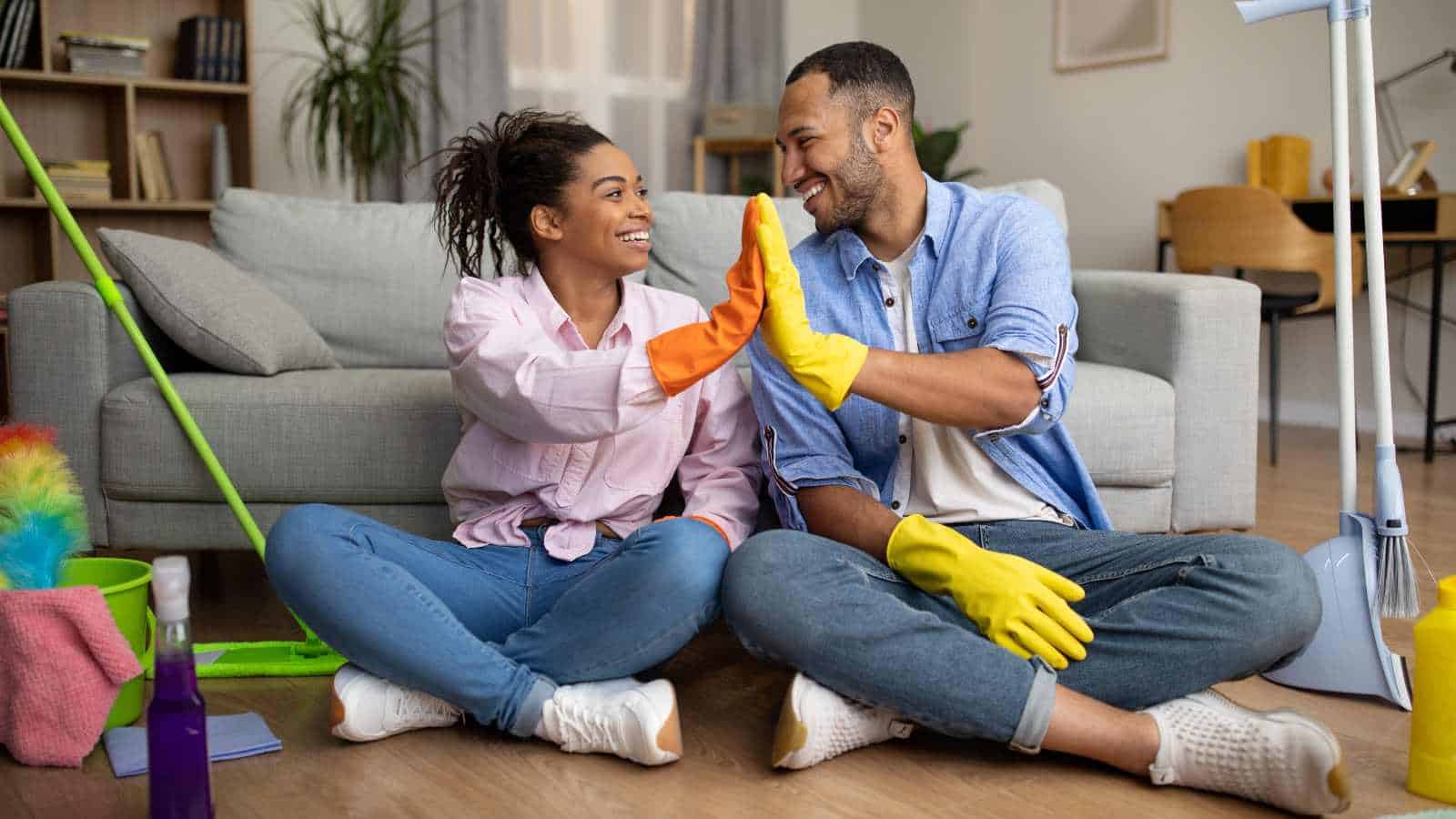
An unequal division of household responsibilities can lead to resentment. A relationship in which a woman does most of the household work while her partner does barely anything, that relationship is likely to end in a divorce. If she doesn’t feel supported in the household duties, she may start to feel like an unpaid maid to her partner.
Women continue to do more household chores, even in dual-income households. This disparity can lead to frustration and burnout, particularly when left unaddressed. Women often leave relationships where the load is unfairly distributed.
Equality in home responsibilities fosters respect. When chores are shared, women feel supported and valued, which strengthens the relationship.
Final Thoughts

Many of the small things that lead women to leave are often unnoticed until it’s too late. By addressing these subtle issues early on, whether it’s emotional neglect, poor communication, or lack of affection, men can prevent erosion of love and connection. Women may still love their partner, but they need respect, attention, and empathy to stay engaged in the relationship.