The Performances That Turned Coachella Into A Cultural Force
From Daft Punk’s pyramid stage to Beyoncé’s culture-shifting “Beychella,” Coachella Valley Music and Arts Festival has become a proving ground for the performances that define modern music history.
Coachella has built its reputation on more than just big-name performers. Year after year, the festival has produced moments that fans, artists, and the internet never seem to forget, turning a desert music weekend into a global talking point. From legendary headliners and career-defining sets to surprise guests, long-awaited reunions, and unexpected headlines, Coachella has become a stage where music history often feels like it is being made in real time.
Some performances helped launch careers, others reinforced superstar status, and a few changed how people think about what a festival show can actually be. That mix of spectacle, surprise, and star power is a huge part of why Coachella remains one of the most watched and discussed live events in the world.
The Early Years Set The Tone
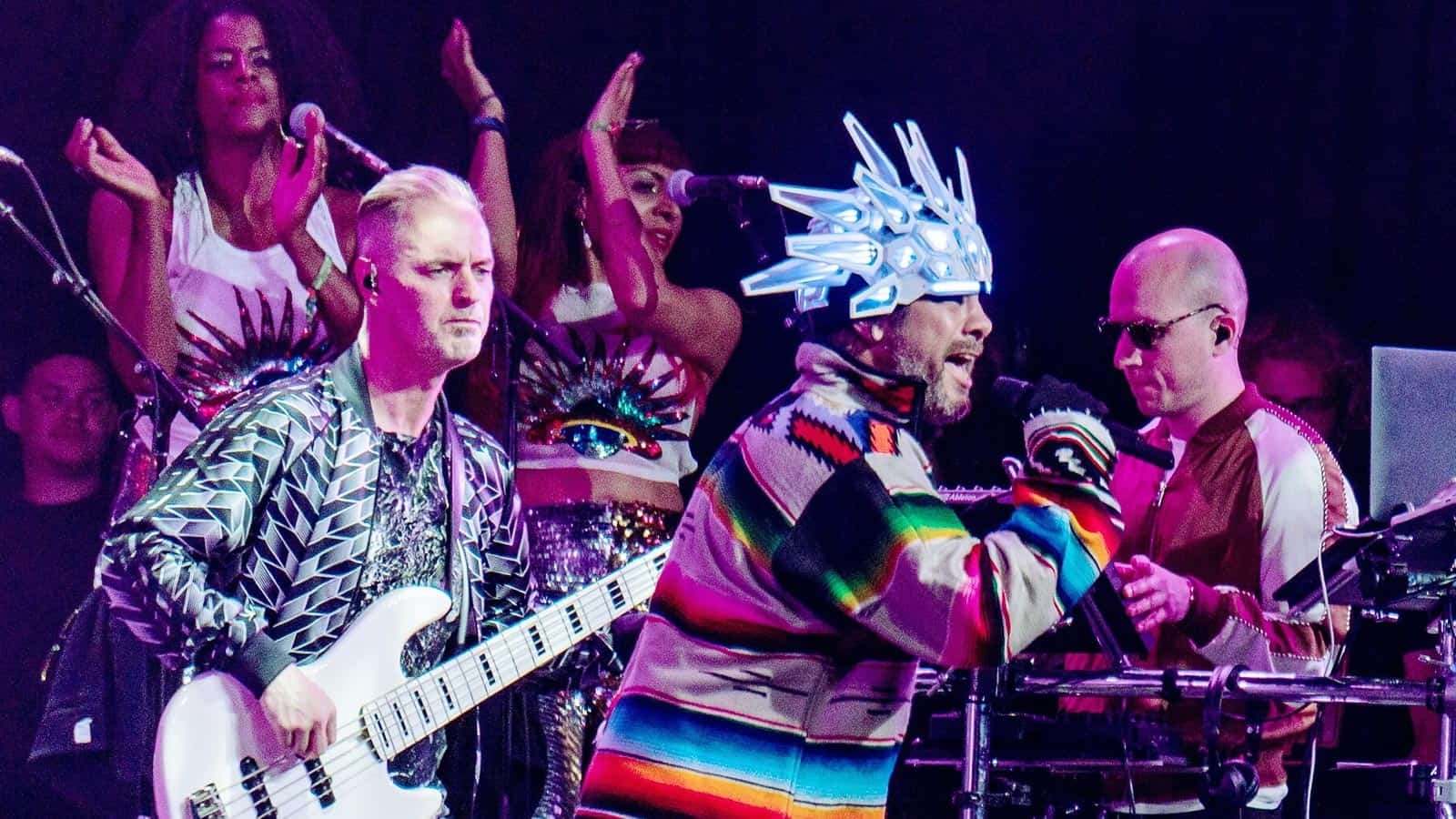
From the very beginning, Coachella made clear that it wanted to be more than just another summer concert series. Its first lineup in 1999 featured Beck and Rage Against the Machine at the top of the bill, which immediately established the festival as one with edge, credibility, and a broad musical vision. The debut signaled that Coachella was willing to take risks and book artists who could draw serious attention while still giving the event a distinct identity.
That early approach became part of the Coachella formula. Rather than staying tied to one sound, the festival embraced a wide range of styles and scenes. That flexibility helped it grow quickly, because fans could discover new artists while also seeing major names they already loved. In that sense, Coachella was never just a place to watch music. It was a place to experience the shifting shape of popular culture.
Daft Punk Delivered A Landmark Set
One of the most legendary moments in Coachella history came in 2006, when Daft Punk performed inside a glowing pyramid stage setup that became instantly iconic. The show did more than impress the crowd. It helped redefine what a festival performance could look like, blending electronic music, striking visuals, and immersive staging into a single unforgettable experience. Even years later, the set is still remembered as one of the most important live performances the festival has ever hosted.
What made that performance so powerful was not just the music, but the sense of scale. Coachella gave Daft Punk the space to create something dramatic and futuristic, and the result became a reference point for festival production everywhere. After that set, the bar was higher. Artists and audiences alike began to expect more from a Coachella appearance, and the festival’s reputation for spectacle only grew stronger.
Superstar Headliners Became A Tradition
As the festival expanded, it increasingly attracted some of the biggest names in music. Coachella has featured headliners such as Madonna, Jay-Z, Paul McCartney, Beyoncé, Harry Styles, Megan Thee Stallion, and Bad Bunny, among many others. Those bookings helped reinforce the festival’s status as a premier stage for artists who wanted to make a statement. In many cases, a Coachella headlining slot became more than a performance. It became a marker of arrival, reinvention, or legacy.
The headliners also helped shape the festival’s identity across generations. Paul McCartney brought classic rock authority, Jay-Z brought hip-hop prestige, Madonna brought pop power, and newer artists like Bad Bunny and BLACKPINK reflected the global shift in what a mainstream festival audience looks like. Coachella’s ability to move across eras and genres has been one of its greatest strengths, and it is a big reason why the festival continues to feel current.
Beyoncé’s 2018 Set Changed The Conversation
Few performances at Coachella have had the impact of Beyoncé’s 2018 headlining set, which immediately became a cultural milestone. Nicknamed “Beychella” by fans, the show was praised not just for its production value, but for its ambition, choreography, and sense of purpose. Britannica notes that Beyoncé became the first African-American woman to headline the festival, which made the performance historically significant even before the first song began. It was a statement about artistry, representation, and control over the stage.
The set also showed how Coachella performances can go beyond entertainment and become part of the broader cultural record. Beyoncé turned her slot into a full artistic event, complete with marching band energy, homage to HBCU traditions, and guest appearances from members of Destiny’s Child, along with Solange and Jay-Z. The performance was widely discussed far beyond the festival crowd, proving that a Coachella headlining slot could shape the conversation for weeks.
Surprise Guests Became Part Of The Appeal
One reason Coachella remains so buzzworthy is its ability to create moments fans cannot fully predict. Surprise guests have become one of the festival’s calling cards, and that unpredictability adds a layer of excitement to even the biggest lineup announcements. When Beyoncé brought out Destiny’s Child members Kelly Rowland and Michelle Williams during her 2018 set, it gave the show an extra jolt of nostalgia and excitement. It also reminded audiences that Coachella is often at its best when it feels spontaneous.
Those kinds of appearances are part of what keeps the festival culture alive online. A set can become much bigger than the artist alone when a guest walks on stage, and Coachella has long understood the value of that surprise factor. Fans leave feeling like they witnessed something special, and those moments often become the images and clips that define the year.
Reunion Sets Keep Fans Guessing
Coachella has also developed a reputation for reunions, which give the festival a built-in sense of rarity.Britannica notes that the event became known for high-profile reunions, including Pavement, Faith No More, the Specials, and Iggy and the Stooges. These performances matter because they give fans a chance to see artists return to the stage together after time apart, often in a setting that makes the moment feel larger than life.
Reunion sets are powerful because they tap into memory as much as music. They can bring back a moment in a band’s history, a fan’s youth, or a genre’s peak era. At Coachella, those shows have helped the festival maintain a reputation for special programming, the kind that people talk about long after the weekend ends. That sense of occasion is one of the reasons fans continue to view Coachella as more than a standard festival stop.
Global Stars Keep Expanding The Festival
In more recent years, Coachella has continued to reflect the globalization of pop music. Bad Bunny’s headlining presence marked a major milestone, with the artist becoming the first Latin American, Spanish-language performer to top the festival bill. BLACKPINK also made history as the first K-pop group to perform on the main stage, showing how far Coachella’s reach has expanded. These moments were not just bookings. They were signs of where popular music is headed.
That evolution matters because it keeps Coachella from feeling stuck in the past. The festival has always benefited from being a place where the present can be seen clearly, and the rise of global pop, Latin music, and K-pop has only strengthened that role. By giving those artists top billing and a massive platform, Coachella helped normalize a more international definition of mainstream success.
Not Every Moment Was Carefully Scripted

Part of Coachella’s history is also the drama that comes with a live event of this scale. Lineups change, artists withdraw, and last-minute adjustments can reshape the weekend. One notable example came in 2022, when Kanye West stepped away shortly before the festival, and Swedish House Mafia and The Weeknd filled the Sunday night headline space. Moments like that remind fans that no matter how polished Coachella may look, it is still a live event with all the uncertainty that comes with it.
That unpredictability can work in the festival’s favor. Even when changes create headlines, they also keep Coachella part of the conversation. People care because the event matters, and that level of attention is something very few festivals ever achieve. In many ways, the occasional drama is part of the ecosystem that keeps Coachella relevant.
Why The Moments Stick
Coachella performances and happenings tend to live longer in public memory because the festival is built for visibility. The desert setting, the art installations, the fashion, the crowd energy, and the media coverage all help turn individual performances into cultural events. A strong set at Coachella is not just heard. It is photographed, clipped, posted, replayed, and debated. That multiplies its impact far beyond the crowd in attendance.
This is why the festival has become such an important part of modern entertainment culture. It is not only a place where artists perform. It is a place where careers are elevated, eras are defined, and unexpected moments become part of the record. Whether it is a landmark headlining set, a reunion no one saw coming, or a surprise guest walking on stage, Coachella has a habit of creating moments that stick.
A Festival Built On Memory
Coachella’s history is full of acts and events that helped build its myth. Some were carefully planned, some were spontaneous, and some became legendary simply because they happened at the right time in the right place. That mix of intention and surprise has made the festival one of the most important live music events in the world. Over the years, it has shown that a festival can do more than host performances. It can help shape the story of popular music itself.
That is why Coachella continues to matter year after year. Fans do not just come for a lineup. They come hoping to witness the next moment people will still be talking about years later. And more often than not, Coachella gives them exactly that.
Disclosure: This article was developed with the assistance of AI and was subsequently reviewed, revised, and approved by our editorial team.
Like our content? Be sure to follow us on MSN and Newsbreak.