11 reasons older couples regret tying the knot
According to the Pew Research Center, remarriage later in life, often called “gray marriage”, surges as people live longer, with 67% of previously married adults aged 55 to 64 having remarried. However, experts warn that these unions can introduce complex, often unanticipated, legal, financial, and lifestyle hurdles.
Walking down the aisle at sixty can feel like a fresh start or a beautiful sunset on a long journey of life. While many find lasting joy, a growing number of silver-haired newlyweds are starting to wonder if they should have just stayed as they were. The reality of merging two separate lives after decades of independence can sometimes feel more like a collision than a smooth blend.
Finding a companion to share a quiet evening or a morning coffee is a wonderful goal for many seniors today. However, the legal and social weight of a marriage certificate often brings unexpected baggage that can dim the honeymoon glow quite fast. It is vital to consider why some older couples find that “I do” was the wrong answer for their specific stage of life.
Disrupted Daily Routines

By the time you reach seventy, you likely have a very specific way of organizing your day and your kitchen cabinets. Having someone move in and start moving your favorite mug, or change the channel, can feel like a small invasion of your peace. These tiny frictions can slowly erode the patience of even the most loving and devoted partners.
You might want a quiet breakfast, while your new spouse prefers a loud morning news program that rattles your nerves. While these issues may seem small, they can become a constant source of irritation, making you miss your days of solo living. It is hard to teach an old dog new tricks, and it is even harder to share a bathroom after decades of solitude without it affecting your mental health.
Loss Of Social Security Benefits

Many widows and widowers do not realize that remarriage can lead to a sudden and painful cut in their monthly survival checks. For those who rely on a deceased spouse’s earnings, a new marriage can mean losing hundreds of dollars in monthly income that they desperately need to live. It is a harsh financial reality that turns a romantic celebration into a cold and stressful accounting nightmare.
If you remarry before a certain age, you can lose access to survivor benefits that were based on your late spouse’s work record, and those payments may stop once the new marriage begins.
This loss of steady income can put a massive strain on a brand-new union before the cake is even finished. Couples often find themselves arguing over pennies when they should be enjoying each other’s company.
Complicated Inheritance Issues

When two people marry late in life, they often bring children from previous unions who are protective of their future family assets. Merging households can create a legal web that makes it difficult to pass down a family home or a specific heirloom. This often leads to bitter family feuds that can tear apart once-happy, close-knit relationships over the dinner table.
Research on stepfamilies has found that more than 60% of second marriages involving children eventually break up, often under the weight of divided loyalties and money tensions. Many older couples find that the stress of keeping everyone happy is simply not worth the trouble of a legal union. They often wish they had kept their assets separate to avoid the drama that comes with a shared will.
Healthcare Cost Liability

Getting married means that you are often legally or practically responsible for the medical costs of your partner, especially when assets are pooled. As we age, the risk of a major illness or a long stay in a nursing home increases significantly for everyone. One spouse’s stroke or heart attack can quickly drain the entire life savings of the other partner without any warning.
Recent estimates from a major investment firm suggest that a 65-year-old retiring today may need well over $170,000 to cover health care and medical expenses throughout retirement.
This shared liability can turn a comfortable retirement into a scramble for survival as the bills pile up. Many regret tying the knot when they realize their own budget security is now tied to someone else’s health.
The Burden Of Caregiving

Many older women, in particular, find themselves stepping back into the role of a full-time nurse just when they wanted to relax. If a new husband falls ill shortly after the wedding, the wife often spends her golden years changing bandages rather than traveling. It is a heavy emotional and physical burden that can lead to deep resentment and burnout.
Meta-analyses show that family caregivers have higher levels of depression and more physical health problems than non-caregivers, highlighting how demanding long-term care can be.
You might find that your own dreams of a peaceful retirement are pushed aside to manage a list of medications and doctor visits. It is a noble task, but many older people did not sign up for it a second time, and it can weigh heavily on their well-being.
Medicaid Eligibility Hurdles

Qualifying for government assistance often depends on the combined income and assets of a married couple living in the same home. When two seniors merge their wealth, they might find themselves exceeding the limits of programs that cover long-term care costs. This can leave them in a terrifying position where they have too much to qualify but too little to pay.
Medicaid rules for married couples are designed to protect a community spouse from extreme poverty, yet they still count much of the couple’s combined income and resources when determining eligibility for long-term care help.
A single person often has a much easier path to receiving the help they need without depleting every cent they own. Couples sometimes regret marriage when they see their hard-earned money disappear into the maw of an expensive assisted living facility.
Clashing Parenting Styles

Even though the children are grown, the way each spouse interacts with their adult kids can be a major point of contention. One partner might be overly generous with cash, while the other believes in tough love and strict boundaries for the family. These disagreements can lead to a house divided and many uncomfortable holidays spent in icy silence.
The tension often boils over when one spouse feels that the other is being taken advantage of by a wayward adult child. It is difficult to remain neutral when you see your shared retirement fund being spent on a child’s poor choices or constant needs.
This conflict can make a new marriage feel like a battlefield rather than a cozy, supportive sanctuary, and can strain every relationship in the family.
Loss Of Personal Identity

After living alone for years, many seniors find they have developed a very strong, independent sense of who they are. Marriage requires a level of compromise that can feel like losing a part of yourself that you fought hard to find. You might find yourself saying “we” when you really mean “I,” and that can be a jarring shift.
Relationship experts note that expectations for marriage have risen sharply and that older adults often have a clearer sense of what they want, making compromise harder to accept. If you find yourself giving up your favorite hobbies or friends to please a new spouse, the regret can set in quickly. It is a delicate balance that many find impossible to maintain after so many years of freedom.
The Cost Of Divorce

Getting out of a marriage is significantly more expensive and emotionally draining than ending a casual dating relationship. The legal fees and the division of assets can take a huge bite out of a senior’s fixed income and savings. It is a messy process that can leave both parties feeling bitter and broke at a time when they need stability.
Analyses of so-called grey divorce show that the share of divorces involving people over 50 has roughly doubled since the early 1990s, and has grown even faster among those over 65. This trend highlights how difficult it is to make a late-life union work over the long haul. Many wish they had just lived together without the legal ties that make parting so difficult and costly.
Differing Energy Levels

One partner might want to hit the road for a year of travel while the other is perfectly content sitting on the porch. This mismatch in energy and desire for adventure can leave one person feeling trapped while the other feels constantly pressured. It is hard to find a middle ground when time feels like it is moving faster than ever before.
Resentment builds when you feel like you are wasting your remaining healthy years waiting for someone who cannot keep up. You might find yourself going on solo trips anyway, which leads to the question of why you got married in the first place. It is a common source of regret for those who still have a long bucket list to finish and want to invest their remaining time.
Home Ownership Conflicts
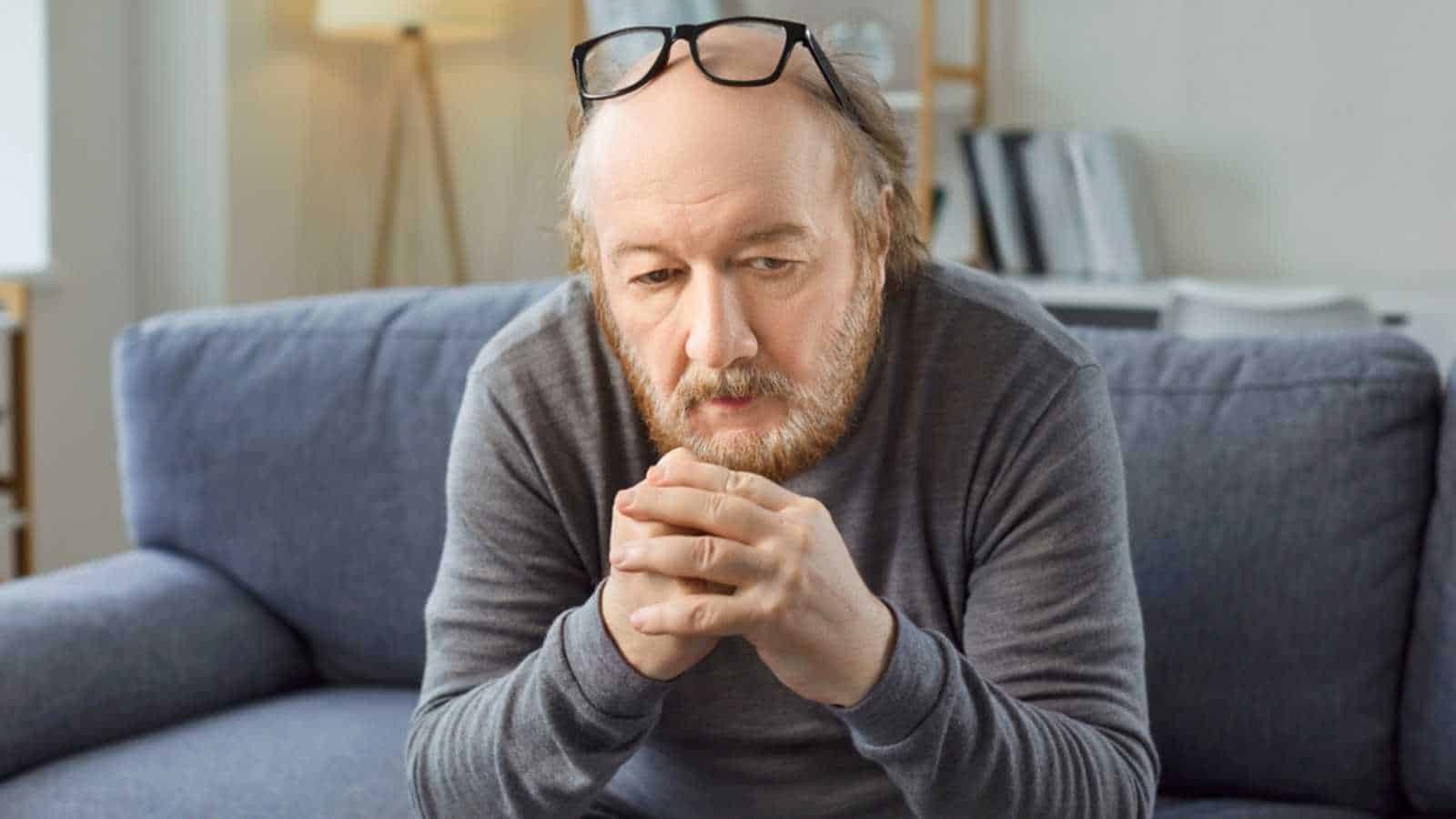
Deciding which house to live in can be a major hurdle for older couples who each own a long-term home. Selling a house full of memories is a painful process that can leave one person feeling like a guest in their own life. If you move into your partner’s home, it might never truly feel like it belongs to you.
The logistical nightmare of merging two houses’ worth of furniture and belongings is enough to make anyone want to quit. You might find yourself arguing over which sofa to keep or where to hang a picture of your own grandchildren.
These domestic disputes can cast a long shadow over the early years of a marriage and lead to a lot of sighs, especially when you hoped this stage would finally support your mental health and peace.
Key Takeaway

Marriage later in life can be a beautiful experience, but it is not a decision to be made on the basis of romance alone. The legal and financial implications can be life-changing in ways that young couples rarely have to consider during their wedding planning.
By understanding the risks to your benefits, your assets, and your personal peace, you can make a choice that truly fits your life. Many seniors find that a committed relationship without the legal certificate offers all the companionship with none of the regret.
Disclaimer – This list is solely the author’s opinion based on research and publicly available information. It is not intended to be professional advice.
Like our content? Be sure to follow us