12 fashion choices from the 1950s that challenged social norms of the era
The 1950s looked polished on the surface, but the fashion rulebook could feel like a tiny prison with pearls. Women and girls faced strict expectations around skirts, gloves, stockings, girdles, hats, and “proper” public appearance, especially in schools, churches, offices, restaurants, and city streets.
Fashion historians at FIT note that the decade featured a strong gender divide, with women’s fashion emphasizing elegance, formality, and matched accessories, while men’s everyday clothes became more casual. That contrast explains why a simple pair of pants could cause drama worthy of a neighborhood meeting.
America also changed fast in the 1950s, which made fashion rules even louder. The U.S. Census notes that only 29% of working-age women participated in the labor force in 1950, and television ownership jumped from 9% of households in 1950 to 65% by 1960, spreading polished images of “proper” femininity into living rooms across the country.
Christian Dior’s “New Look,” with its full skirts and cinched waist, helped define the decade’s beauty ideal after Harper’s Bazaar editor Carmel Snow famously dubbed it “such a New Look.” Chic? Absolutely. Comfortable? That’s another question.
Wearing pants to school or formal public places

For many girls and women, pants created instant suspicion in the 1950s. They could wear slacks for housework, gardening, camping, vacation, or casual summer errands, but schools, offices, churches, restaurants, and formal events often treated trousers like a moral emergency.
Fashion History Timeline describes the decade as sharply divided by gender, with women and girls expected to look elegant, formal, and carefully accessorized. So imagine walking into class in pants and watching everyone react as if you had brought a motorcycle through the hallway.
This rule mattered because clothing served as a public report card on femininity. Many schools restricted girls to skirts or dresses, and some of those rules lasted into the 1960s and 1970s.
The shocking part? Capri pants and cigarette pants existed, looked stylish, and now keep returning in trend cycles, with Vogue Arabia noting that slim capris still lean into their 1950s and 1960s heritage. Back then, though, a girl could own the pants and still hear, “Not here, young lady.”
Showing up in jeans

Jeans may feel like the national uniform now, but many 1950s schools and social spaces treated denim like a warning label. High schools often banned jeans and shorts, and youth culture made denim even more suspicious after movies linked blue jeans, leather jackets, and rebellion.
FIT’s timeline points to Marlon Brando’s look in The Wild One as a force that helped popularize blue jeans and leather jackets among disaffected youth. Translation? A pair of jeans could say “troublemaker” before you even open your mouth.
That sounds hilarious now because Americans wear jeans to dinner, flights, casual offices, and sometimes even weddings, depending on how brave the groom’s cousin feels. Yet in the 1950s, jeans belonged to labor, ranch life, weekend play, or rebellious teen identity, not polite classrooms or respectable public settings.
Denim bans grew partly from fear that movie rebels would inspire real rebels, because apparently, fabric had superpowers. Ever wondered why your grandparents called jeans “play clothes”? This is exactly the kind of rule they meant.
Skipping gloves in public
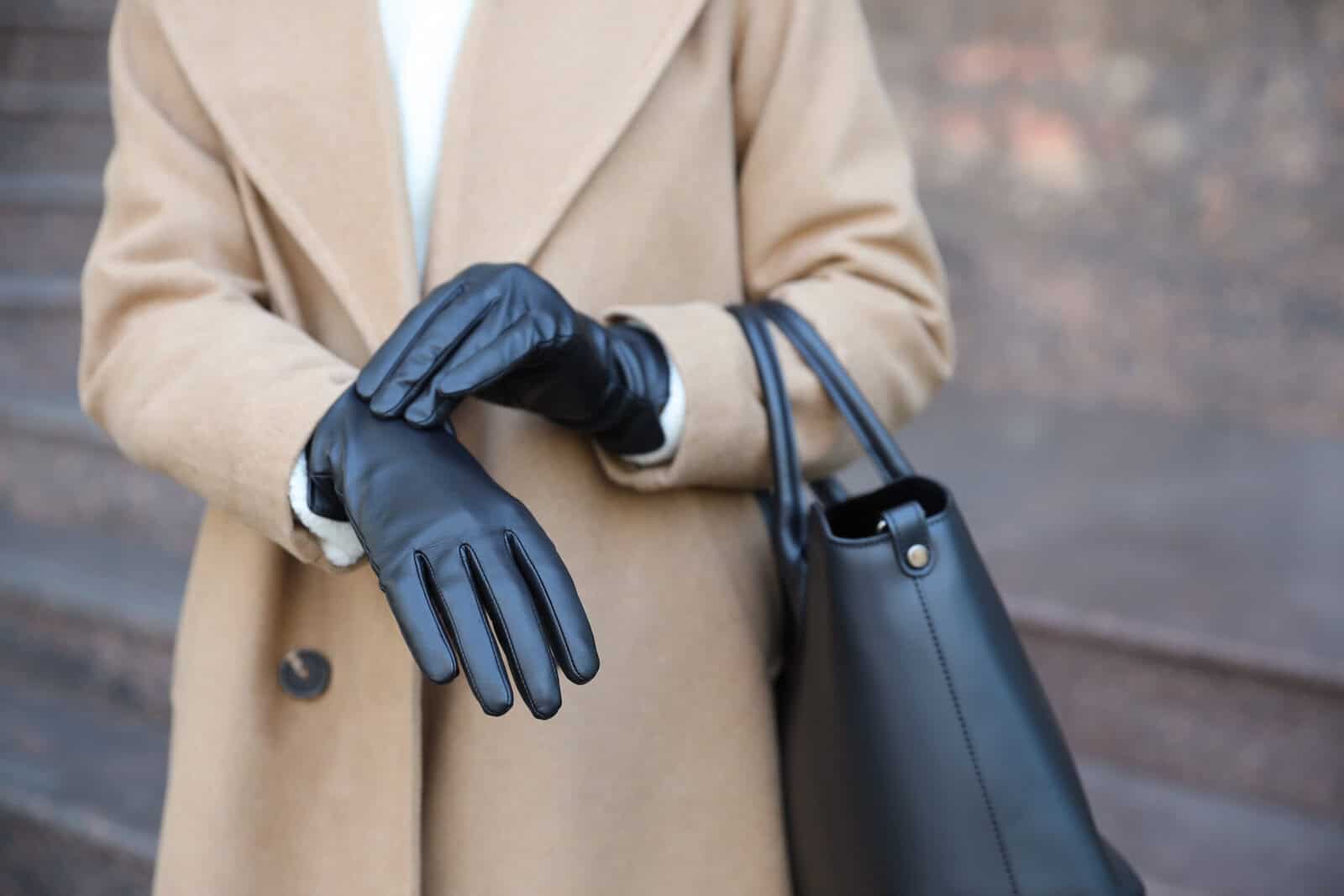
Gloves were not just cute accessories in the 1950s. They worked like a public signal that a woman knew the rules, respected the occasion, and had not wandered out of the house in a reckless state of bare-handed chaos.
One 1950s glove etiquette guide said women should wear gloves on city streets, to church, to luncheons, dinners, receptions, dances, weddings, restaurants, theaters, trains, and planes. Basically, if you left the sofa, society wanted your hands covered.
This rule shocks me because gloves now feel special, almost theatrical, like something you wear to a vintage tea party or a very dramatic brunch. In the 1950s, though, gloves helped complete the “lady” package, especially when paired with a matching hat, purse, shoes, and a polished dress.
Even modern fashion keeps flirting with that look, as recent ladylike trends bring back pearls, gloves, full skirts, and top-handle bags. Funny how fashion relaxes for decades, then suddenly says, “Actually, grandma had a point.”
Leaving the house without a hat

A hat could make or break a respectable 1950s outfit, especially for church, city shopping, luncheons, travel, and dressy calls. Women often wore hats as part of a coordinated ensemble, with gloves, handbags, shoes, jewelry, and dresses working together like a small fashion orchestra.
Vintage-style records from the period describe women adding hats, gloves, heels, purses, pearl necklaces, and earrings to even a simple housedress before stepping into public view. That is effort, my friend, and suddenly my “clean hoodie” looks deeply unserious.
The hat rule also reflected the decade’s obsession with visible polish. Television helped spread these ideals as ownership exploded across the 1950s, pushing carefully styled images into American homes.
When millions watched actresses, hosts, singers, and commercial models present perfect hair, perfect dresses, and perfect accessories, everyday fashion rules gained extra muscle. So yes, forgetting a hat could make a woman look underdressed, even if the rest of her outfit looked lovely.
Going bare-legged
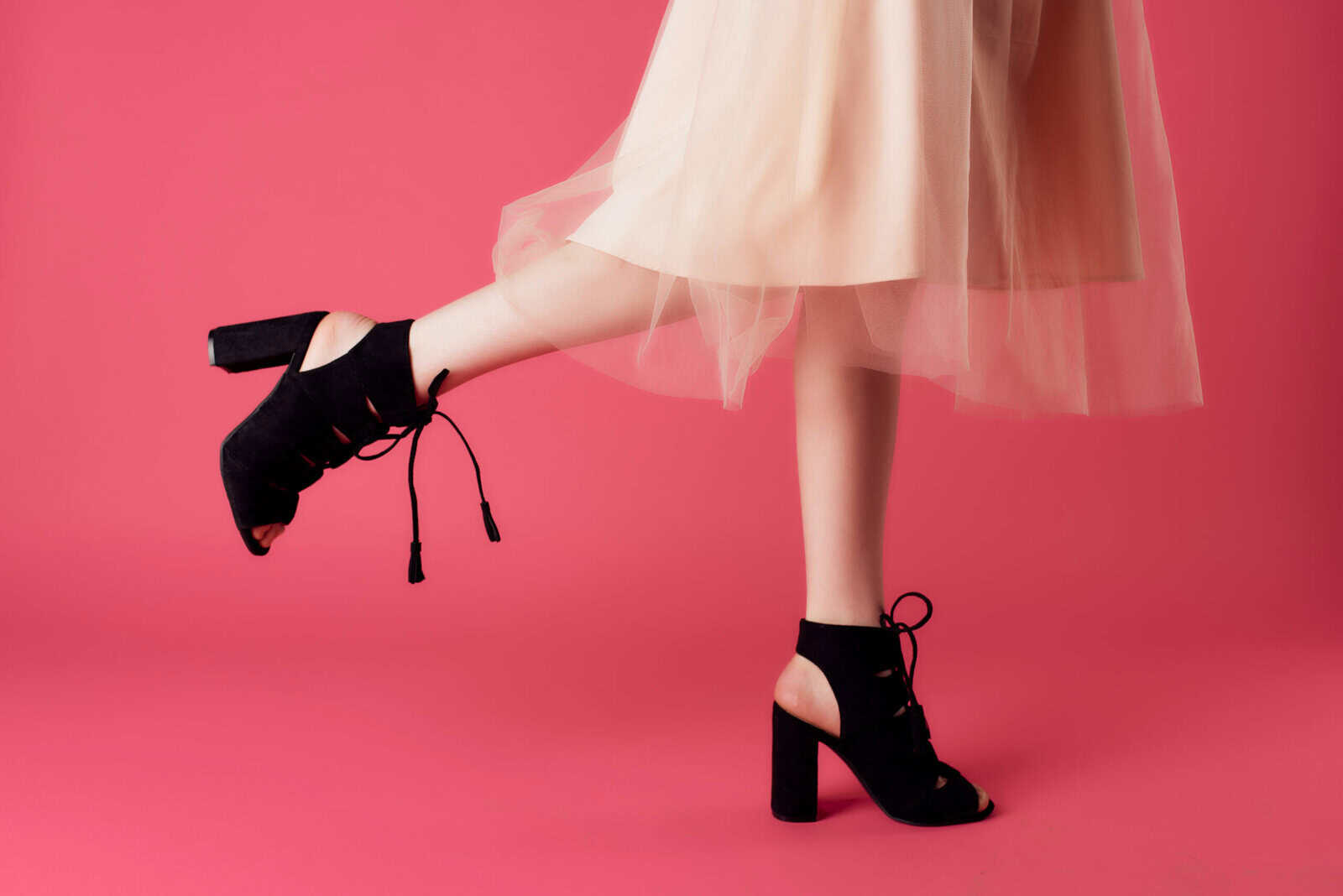
Bare legs did not always read as breezy or modern in the 1950s. Many women treated stockings as a daily essential, especially for work, church, dressy errands, and social visits.
VintageDancer reports that in 1954, women purchased an average of 12 pairs of stockings per year, and that stockings still usually required garters attached to girdles. The whole setup sounds like an engineering project, but people called it “proper dressing” with a straight face.
Stockings also carried status because they made legs look polished, covered, and intentionally dressed. Fashion Era notes that bare legs in the 1940s and 1950s could look undignified or common, especially before seamless stockings became widely accepted.
That means a woman could wear a tasteful dress and still attract side-eye if her legs looked too bare. Today, people argue over whether to wear tights on red carpets, but in the 1950s, hosiery became a near-public duty.
Wearing a bikini in the wrong place
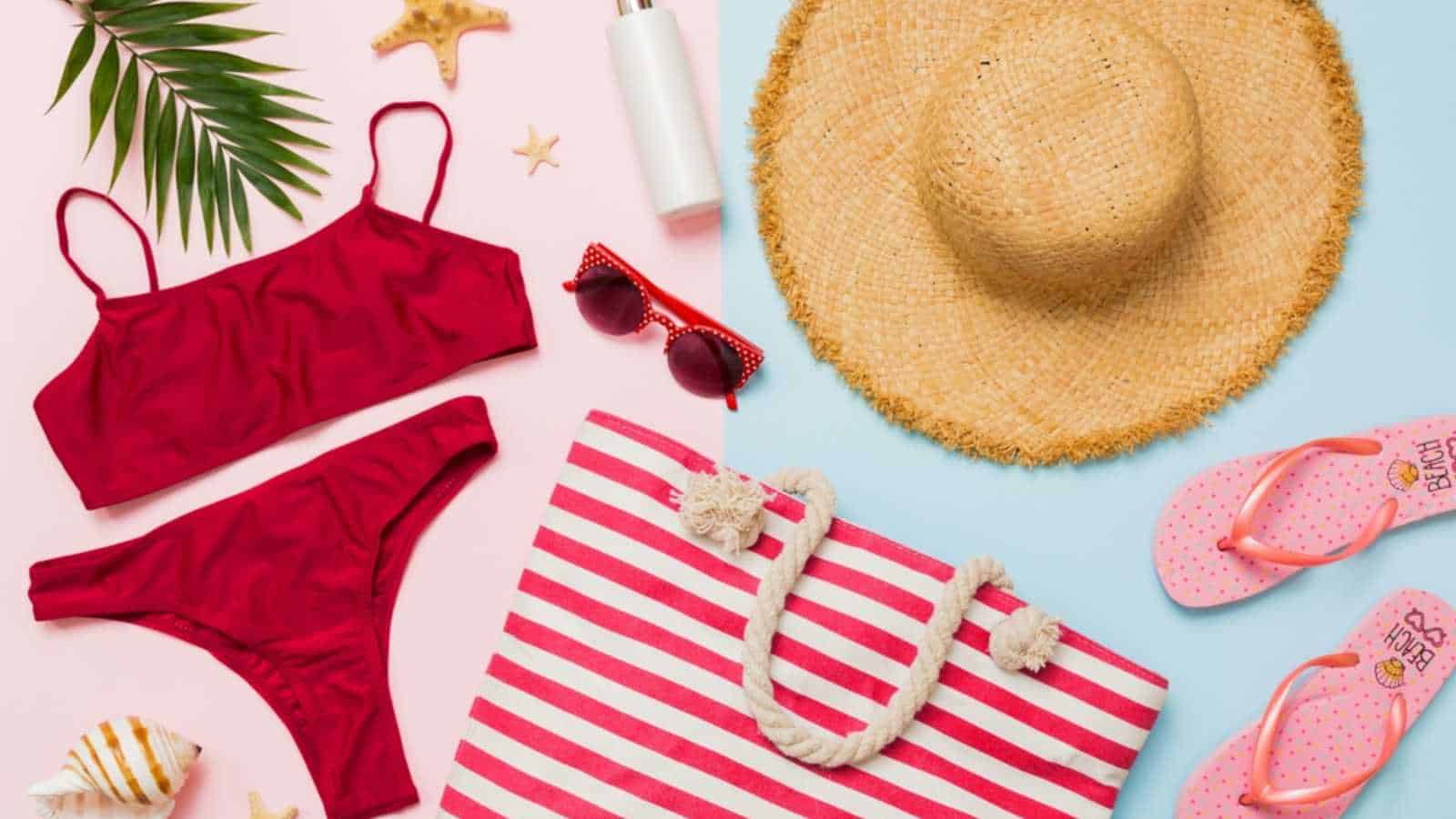
The bikini may look tame compared to some modern swimwear trends, but in the 1950s, it carried a sense of scandal. Many countries banned or discouraged bikinis, pageants backed away from them after controversy, and some U.S. communities treated revealing swimwear as a public decency issue.
Fashion historian Kevin Jones said bikini designer Louis Réard ran about 15 to 20 years ahead of his time, which explains why the design shocked people before it became normal. Imagine inventing a swimsuit so controversial that society needed two decades to calm down.
The rule did not only target fabric. It targeted who could show skin, where they could, and under whose approval. Brigitte Bardot helped push the bikini toward mainstream attention in 1953, yet many Americans still connected it with foreign daring, Hollywood glamour, or moral panic.
A modern gender studies expert, Catharine Lumby, has argued that swimwear controversies often force women to dress as if they must manage men’s reactions. Different decade, same exhausting committee meeting.
Going girdle-free under fitted clothes
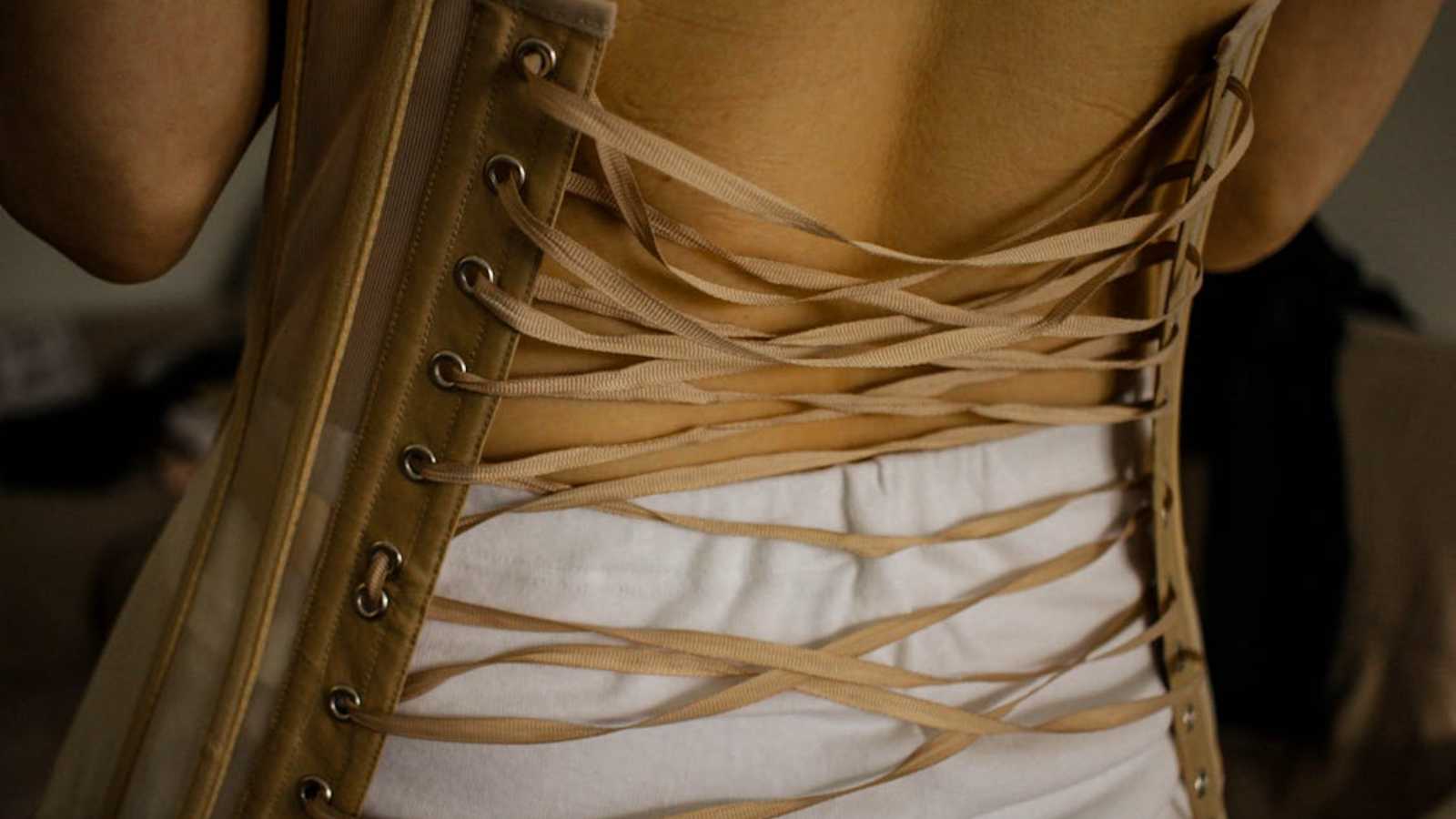
The 1950s loved the hourglass shape, and the girdle helped build it. Dior’s New Look pushed rounded shoulders, a cinched waist, padded hips, and full skirts into the fashion spotlight, and the Met notes that this silhouette shaped the following decade. Many women used girdles, longline bras, garter belts, and structured foundation garments to smooth, lift, tighten, and hold the whole look together. Comfortable? Please, let us respect history without lying to each other.
Going without a girdle could make a woman look “unfinished” under pencil skirts, sheath dresses, and slim suits. The V&A’s shapewear history links the 1950s to bullet bras and body-shaping undergarments, while fashion histories describe girdles as central to the polished silhouette.
The shocking part is not that shapewear existed, because it still exists. The shocking part is that society treated a woman’s natural waist, stomach, and hips like problems that needed daily supervision.
Letting bra straps or slips show

Visible undergarments could ruin a 1950s outfit faster than a spilled milkshake on a poodle skirt. The decade valued neat lines, modest coverage, and careful presentation, so peeking straps, slipping slips, loose stockings, or obvious lingerie details could read as sloppy or improper.
Foundation garments helped create the shape, but they also had to stay hidden, because polite fashion loved control more than honesty. Isn’t it funny how the garment doing all the work had to pretend it was not there?
This rule is connected to the broader culture of female respectability. In 1950, most working-age women stayed outside the paid labor force, and public images often pushed domestic polish, controlled femininity, and tidy appearance.
The outfit had to say “composed” from the hat to the heel, with no visible evidence of the machinery underneath. Modern runways play with lingerie as outerwear, but a 1950s school principal or church lady would probably need a chair and a glass of water.
Choosing skirts that looked too short
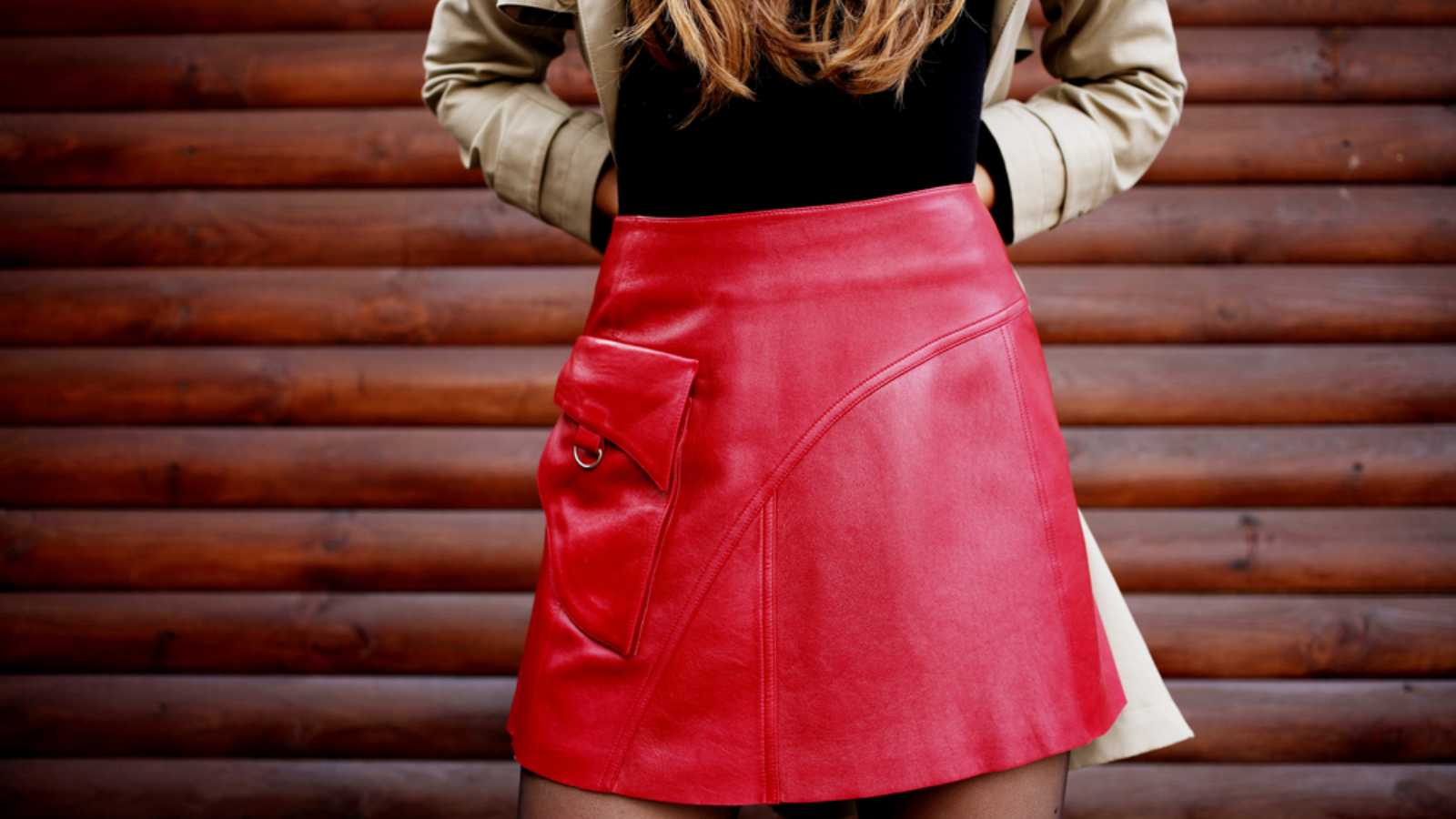
The 1950s did not embrace the miniskirt. Skirts usually fell below the knee, with full tea-length skirts and slim pencil shapes defining much of women’s fashion.
VintageDancer describes two classic 1950s dress shapes, the full-skirted swing dress and the fitted sheath dress, both with modest tops, narrow waists, and shin-length or tea-length skirts. So if a hemline crept too high, people noticed, whispered, and possibly adjusted their pearls for emphasis.
This rule shows how sharply fashion policed respectability before the 1960s youthquake changed everything. Designers played with silhouette, but the decade still prized a controlled, feminine outline rather than lots of exposed leg.
Even when women wore slim capris or shorts for casual settings, formal public life expected coverage. Today, short skirts barely raise an eyebrow in most places, but in a 1950s classroom or church aisle, they could announce rebellion before denim even entered the chat.
Mixing accessories without matching
A mismatched outfit could look careless in a decade that treated coordination like a social skill. Women often matched gloves, hats, purses, shoes, belts, jewelry, and sometimes even lipstick tone to the outfit’s mood.
FIT’s fashion history overview says women’s and girls’ fashion prioritized formality and perfectly matched accessories, which tells you everything about the pressure. If your bag and shoes clashed, someone probably acted like civilization had taken a small but tragic step backward.
This rule also explains why vintage 1950s looks photograph so beautifully. The coordination creates a polished, “finished” effect, almost as if the wearer planned the day with a wardrobe spreadsheet.
Modern fashion celebrates contrast, sneakers with dresses, silver with gold, and bags that refuse to match anything because confidence apparently pays rent now. Still, the old rule has returned in the current ladylike trend, where gloves, pearls, brooches, top-handle bags, and full skirts keep reappearing in fashion editorials.
Wearing leather jackets like a rebel

A leather jacket could look dangerously cool in the 1950s, which meant adults often hated it immediately. Movies helped connect leather jackets, rolled T-shirts, jeans, motorcycles, and teen rebellion in the public imagination.
FIT’s timeline specifically links Marlon Brando’s The Wild One to the popularization of blue jeans and leather jackets among disaffected youth. So yes, one jacket could make a teenager look less like a student and more like a principal’s incoming headache.
The leather jacket rule mattered because the 1950s celebrated conformity and feared visible rebellion. Schools and parents often read “greaser” style as a warning sign, especially when young people mixed denim, slicked hair, boots, and attitude.
To be fair, the outfit looked amazing, which probably made adults even more annoyed. Fashion loves irony, though, because the once-forbidden rebel jacket later became a classic piece sold in malls, luxury boutiques, and every store trying to look a little cooler than it is.
Dressing too beatnik or too bohemian

The beatnik look did not follow the polished 1950s script. Black turtlenecks, slim pants, flats, loose hair, berets, dark sunglasses, and artsy minimalism pushed against the decade’s cheerful domestic polish.
That style suggested poetry readings, jazz clubs, coffeehouses, and independent thought, which sounds delightful now but looked suspicious to people who wanted everyone in gloves, stockings, and a nice little waistline. Ever notice how every era calls creative people “weird” before borrowing their clothes?
Valerie Steele’s work on midcentury fashion connects the 1950s to sexual politics, Cold War anxieties, conformity, gender stereotypes, and “wife dressing.” That helps explain why bohemian clothing felt threatening. It rejected the matched purse, the cinched waist, the church hat, and the smiling suburban costume.
The beatnik look said, “I read banned books and drink bitter coffee,” which probably frightened the same adults who already felt personally victimized by jeans.
Dressing casually for church, dinner, or travel

Casual dressing in the wrong setting could earn instant disapproval in the 1950s. Women often dressed up for church, dinners, luncheons, theaters, restaurants, trains, planes, downtown shopping, and appointments.
Glove etiquette guides listed many of these spaces as glove-worthy, and vintage fashion records describe women adding heels, hats, gloves, purses, and jewelry before going out on public errands. Imagine needing a full accessory strategy just to catch a train.
This rule feels especially shocking because Americans now fly in leggings, hoodies, slides, and whatever outfit says “I gave up at Gate B12.” In the 1950s, travel and dining still carried a sense of ceremony, and clothing showed respect for the setting.
Television helped reinforce those polished images as more homes bought sets across the decade. The trend now swings back occasionally, with “quiet luxury,” ladylike dressing, and vintage elegance returning, but thankfully, nobody checks your gloves before boarding.
Key takeaway

The 1950s did not simply have “cute vintage fashion.” It had rules, pressure, status signals, gender expectations, and a whole lot of invisible social policing stitched into the clothes.
Pants, jeans, bikinis, bare legs, exposed straps, short skirts, missing gloves, missing hats, casual travel outfits, leather jackets, bohemian clothes, and girdle-free silhouettes could all trigger judgment depending on the setting.
The wild part is that many of those forbidden choices later became normal, stylish, or even iconic. Capri pants keep returning, leather jackets have become classics, bikinis have become beach basics, and modern fashion regularly breaks the very rules that once made people gasp.
So next time someone says fashion is “just clothes,” hand them a pair of 1950s gloves and ask why bare hands once needed a public relations strategy.
Disclaimer: This list is solely the author’s opinion based on research and publicly available information. It is not intended to be professional advice.
Like our content? Be sure to follow us.