Why deep believers are quitting church while atheists are tuning in
The American Pew is experiencing a bizarre, logic-defying flip-flop.
Devout, lifelong Christians are quietly stepping out the back door, while card-carrying atheists are showing up on Sunday morning. It’s a wild trend that has sociologists and pastors scratching their heads. This spiritual musical chairs is completely rewriting the rules of modern American faith.
Research from WWNO shows that a staggering forty million Americans have abandoned regular churchgoing in the last twenty-five years. But the pews aren’t staying empty; instead, secular searchers are filing in for community, music, and ancient rituals. The reasons behind this massive cultural shift are deeply practical, highly emotional, and occasionally hilarious. The data reveals what is really happening beneath the surface.
Devout believers are becoming “dones.”
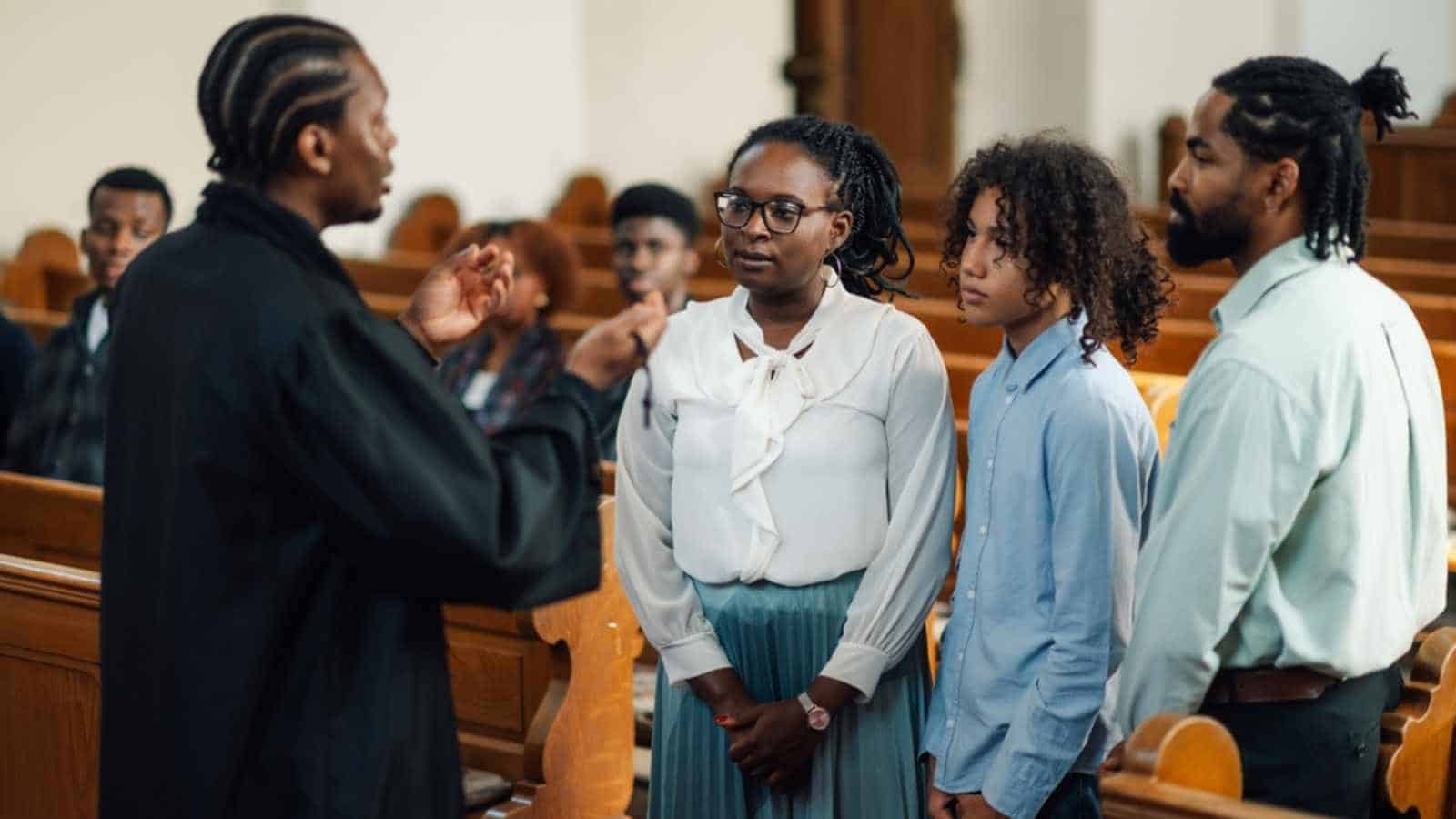
The most dedicated church workers are often the ones walking away. These are not casual attendees, but high-capacity leaders who served on boards and volunteered weekly. Sociologist Josh Packard’s research reveals that there are now over thirty million of these “Dones” in America.
They haven’t lost their faith in God; they’ve simply given up on the institutional structure. Many feel exhausted by an endless routine of passive listening and administrative drama. They feel forced to leave what they consider home because staying feels spiritually dangerous.
They’re tired of being lectured to by an institution that ignores their input. They’d rather practice their faith in homes, parks, or small, organic networks. This quiet exodus is stripping local churches of their strongest financial and leadership backbones.
Church hurt, and political theater are driving people out
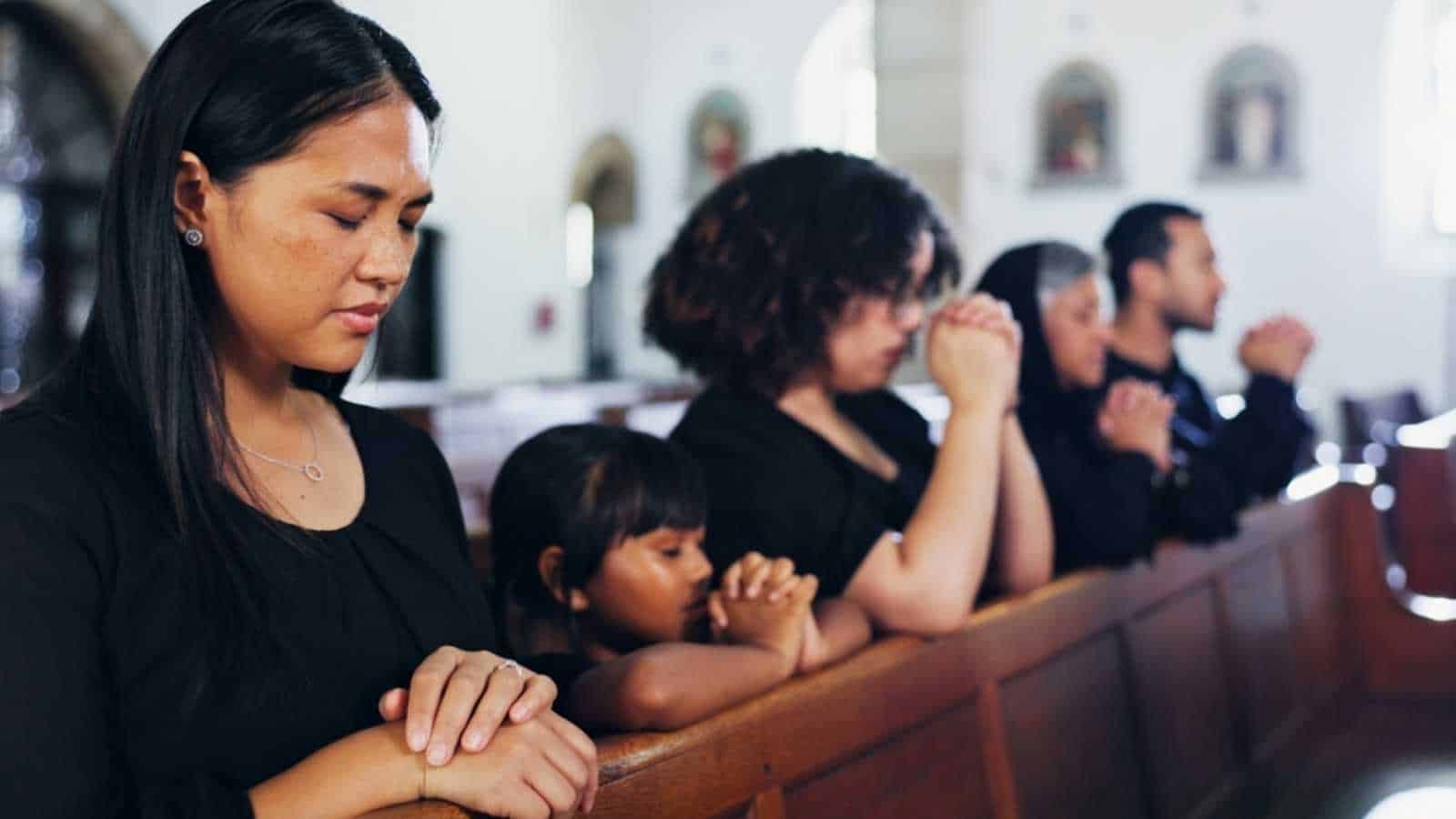
The modern local sanctuary has increasingly traded the gospel for political rallies. This shift has created a toxic mix of rigid religiosity and political polarization. When the church becomes a partisan battleground, deep believers walk out the door.
Many churches have traded spiritual transformation for political rallies. A staggering seventy-five percent of Christian youth leave the church by their early twenties. Only sixteen to twenty-six percent of young people now express trust in religious institutions.
Worse yet, the services themselves are often spiritually empty. A stunning Barna Group study found that when believers attend church, only six percent learn anything about God. In fact, when Barna asked Americans what helps grow their faith, attending church didn’t even crack the top ten list.
Atheists are creating “churches without God” to find community

Humans are hardwired for community, even if they reject the supernatural. Because of this, secular “churches” like Sunday Assembly have exploded in popularity. These congregations borrow traditional Sunday morning structures, complete with singing, donation plates, and moral lectures, but without God.
These assemblies prove that religious decline doesn’t mean the community has to die. Attendees gather on Sundays, sing pop hits, listen to science lectures, and drink coffee afterward. They crave the social architecture of religion without the dogmatic requirements.
Instead of theology, meetings focus on environmental activism, personal growth, and science. It’s a safe space for former believers dealing with religious trauma. For many lonely nonbelievers, these secular communities provide a powerful shield against social isolation.
Skeptics are crashing traditional sanctuaries for the aesthetic vibes
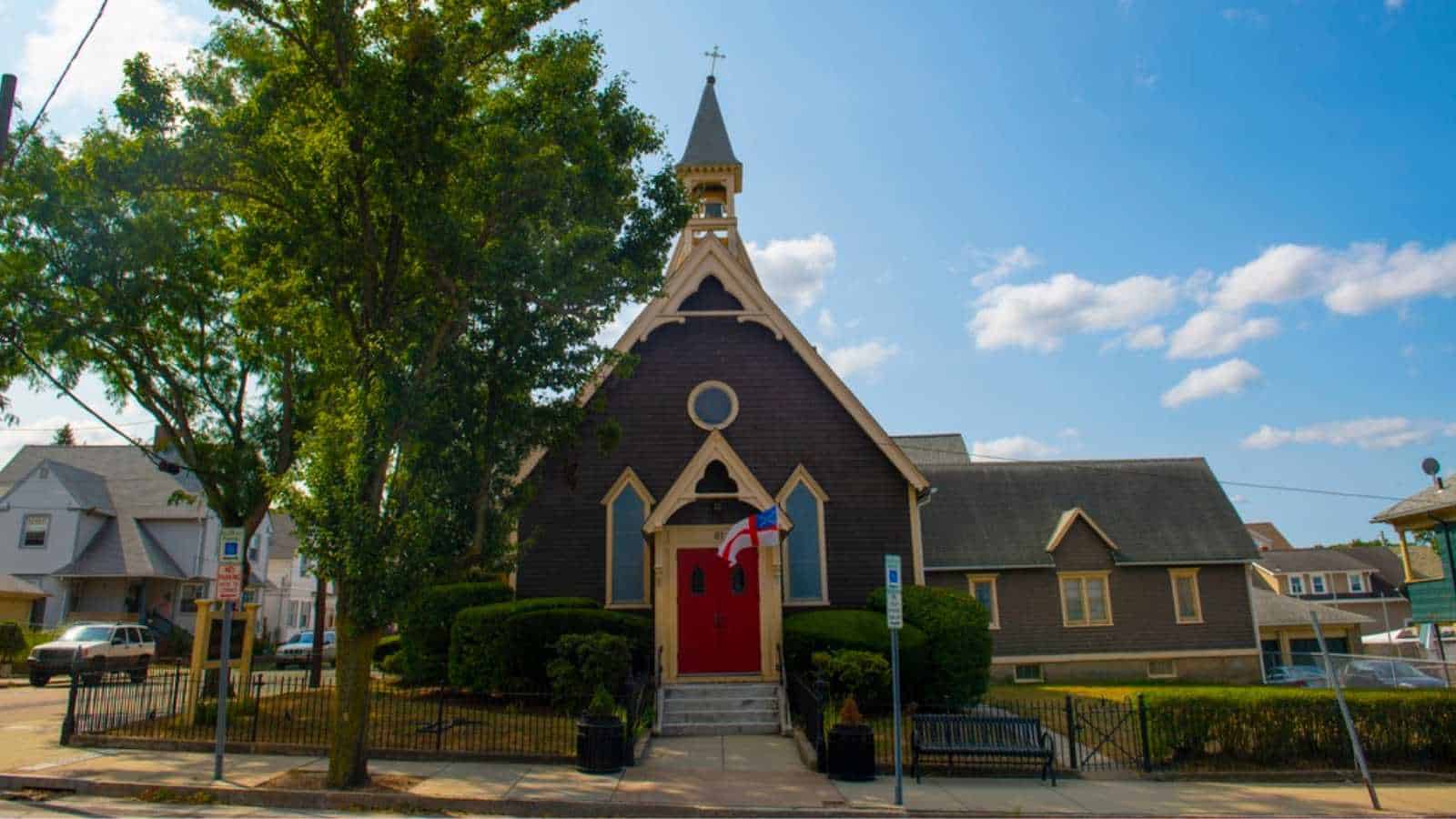
A surprising number of nonbelievers are skipping the secular clubs and heading straight for traditional liturgy. These are not folks looking to convert; they’re simply drawn to the sheer beauty of the space. They find the modern, high-tech churches shallow and prefer the quiet reverence of the ancient.
Liturgies like the Latin Mass, Anglo-Catholic parishes, and Eastern Orthodox services are major hotspots. The smell of frankincense, beautiful Gregorian chants, and towering architecture offer a profound taste of the eternal. The famous British atheist Richard Dawkins famously called himself a “cultural Christian” who feels right at home in a cathedral.
The physical beauty of these spaces speaks without words. As Pope Benedict XVI once noted, beauty is not a decoration, but a vital element of the liturgical action. When modern churches offer beige walls and pop-rock concerts, they bore the secular world rather than intrigue it.
Ancient rituals are healing a highly anxious generation

Liturgical rituals act as an emotional anchor in a chaotic digital age. People don’t believe a word of the Bible, but they still attend and participate because it calms their nervous system.
Neurological studies suggest that Gregorian chant physically alters the human brain, inducing deep relaxation. These nonbelievers use church attendance as a form of sacred, tech-free meditation. These individuals find deep value in the physical acts of worship.
Participating in these rituals provides comfort and reduces existential loneliness. It’s a way to feel connected to thousands of years of human tradition. In a world that feels incredibly fragile, stepping into an ancient, unchanging tradition offers a rare sense of safety.
Key takeaway

The great American religious shakeup is not about people losing their spiritual hunger, but rather changing where they feed it. Deep believers are leaving because the institution is starving their souls, while atheists are moving in because they crave the historic beauty and community that the church used to protect.
Ultimately, modern church leaders must stop the political theater and focus on authentic connection and transcendent beauty.
Disclaimer – This list is solely the author’s opinion based on research and publicly available information. It is not intended to be professional advice.
Like our content? Be sure to follow us