12 rules smart people ignore because they simply don’t make sense
Some rules sound responsible until you notice they mostly keep people tired, stuck, and weirdly proud of being miserable. Smart people don’t ignore every rule; obviously, that would be chaos with a better vocabulary. They ignore the ones that waste time, kill curiosity, or reward pretending over progress.
That matters right now because work and life already feel overloaded. Gallup’s 2026 workplace report found that only 20% of employees worldwide felt engaged in 2025, and Microsoft found that 75% of global knowledge workers used AI at work in 2024, which tells us something simple: people want smarter ways to live and work, not more dusty rules from someone’s motivational coffee mug.
Always stay busy

Smart people ignore the rule that says busy people automatically win. Busy can mean productive, sure, but it can also mean you answered emails, joined three pointless calls, rearranged your tabs, and somehow ended the day with the same problem staring at you like a disappointed cat.
Microsoft’s 2023 Work Trend Index found that the average employee spent 57% of their Microsoft 365 time communicating and only 43% creating, so “busy” often just means trapped in the communication swamp.
The smarter move asks, “What actually moves the needle?” That question feels rude at first, especially if your calendar looks like a hostage situation.
But smart people protect focus because they know activity can fake progress better than almost anything else. They still work hard, but they don’t confuse motion with meaning, because pacing around the kitchen never cooked dinner.
Never quit anything

The “never quit” rule sounds noble until it turns into a life sentence with motivational lighting. Smart people quit bad habits, dead projects, toxic jobs, and goals that no longer match who they are.
Harvard Business Review has noted that people leave jobs for valid reasons such as better pay, toxic bosses, burnout, or a new career direction, which makes quitting less like failure and more like adult maintenance.
Quitting wisely does not mean running away every time something gets hard. It means checking the cost, the lesson, and the future value before pouring more years into a sinking boat. Ever kept watching a terrible movie because you had already watched forty minutes? Exactly. Smart people call that sunk cost, then they leave the theater in peace.
Respect every opinion equally

Smart people respect people, but they don’t treat every opinion like it deserves a velvet cushion and a microphone. Some opinions come from research, experience, and careful thinking, and others come from a comment section at midnight.
The American Psychological Association has warned that people increasingly face stress around work, well-being, and social pressure, so smart people protect their attention from every loud opinion trying to rent space in their brains.
This rule matters because “hearing everyone out” can slowly become “letting nonsense drain your energy.” Smart people ask for evidence, context, and motive.
They can stay kind without acting gullible, which feels like a lost art lately. You can listen politely and still think, “That sounds like a documentary made by your cousin’s Facebook feed.”
Follow your passion blindly

Smart people love passion, but they don’t let it drive without a seatbelt. Passion can spark effort, but bills, skills, timing, demand, and discipline still matter.
Harvard Business School Working Knowledge reported in 2025 that quitting a career that has lost its spark can open new opportunities, but that idea works best when people combine passion with real strategy rather than vibes and a ring light.
The smarter rule says: test your passion before you rebuild your life around it. Take a class, freelance, volunteer, shadow someone, or run a tiny version of the dream first. Doesn’t that sound less romantic? Sure. But it also sounds less likely to end with you crying over invoices while whispering, “At least I followed my heart.”
Say yes to every opportunity

Smart people know that every “yes” costs time, energy, and attention. That “quick favor” may eat an afternoon, and that “great opportunity” may come dressed as unpaid stress with a logo.
Atlassian’s meeting research found that 78% of surveyed workers said they attended so many meetings that they struggled to get their work done, which proves opportunity overload can look very professional while quietly wrecking your day.
Smart people say yes with filters. They ask whether the opportunity fits their goals, skills, values, and bandwidth. They also ask the most underrated question in adult life: “What would I have to give up to do this well?” That question saves careers, weekends, and possibly blood pressure.
Multitasking makes you efficient

Smart people ignore this rule because the brain does not work like a browser with seventeen tabs, even if we all keep pretending. Stanford researchers found that heavy media multitaskers paid a mental price, and Professor Clifford Nass called them “suckers for irrelevancy,” which feels harsh but also painfully accurate when your phone buzzes and your brain forgets why you opened the fridge.
Single-tasking may sound boring, but boring often gets things done. Smart people batch messages, silence notifications, and give hard tasks real attention.
They don’t treat distraction like a personality trait. They know switching tasks burns mental fuel, and nobody wins a race by changing lanes every three seconds just to feel dramatic.
Sleep when the work is done

Smart people laugh at this rule because work never finishes. It multiplies, changes clothes, and waits beside your bed with a clipboard.
The National Sleep Foundation recommends seven to nine hours of sleep for adults ages 18 to 64, and the CDC also points adults toward that same range, so “I’ll sleep later” does not sound tough. It sounds like a bad investment with eye bags.
Smart people treat sleep like a performance tool, not a guilty pleasure. They know rest sharpens memory, mood, patience, and decision-making. Ever tried solving a problem at midnight, then solved it in twelve minutes after breakfast? That is not magic. That is your brain politely asking you to stop treating exhaustion like ambition.
Perfect it before you share it

Smart people ignore the perfection rule because perfection often disguises fear in a nicer outfit. The APA highlighted research showing that perfectionism has increased among young people over the decades, and that pressure can push people toward unrealistic standards in body, mind, and career.
Smart people improve through feedback, not secret polishing forever. They share drafts, test ideas, ask questions, and revise before their ego turns the project into a museum piece. Yes, rough work feels uncomfortable. But do you want useful progress or a flawless plan that never leaves your laptop? Exactly.
Stick to the traditional path

Smart people respect tradition, but they don’t worship it. The U.S. Bureau of Labor Statistics reported that median employee tenure fell to 3.9 years in January 2024, the lowest level since January 2002, indicating that Americans no longer follow a single, neat career ladder for life.
That shift doesn’t mean everyone should job-hop like a caffeinated grasshopper. It means smart people adjust when industries, goals, and opportunities change. They build skills that travel. They don’t panic when their career looks more like a winding road than a corporate staircase. Honestly, the staircase was overrated anyway, especially when half the steps led to burnout.
Avoid failure at all costs
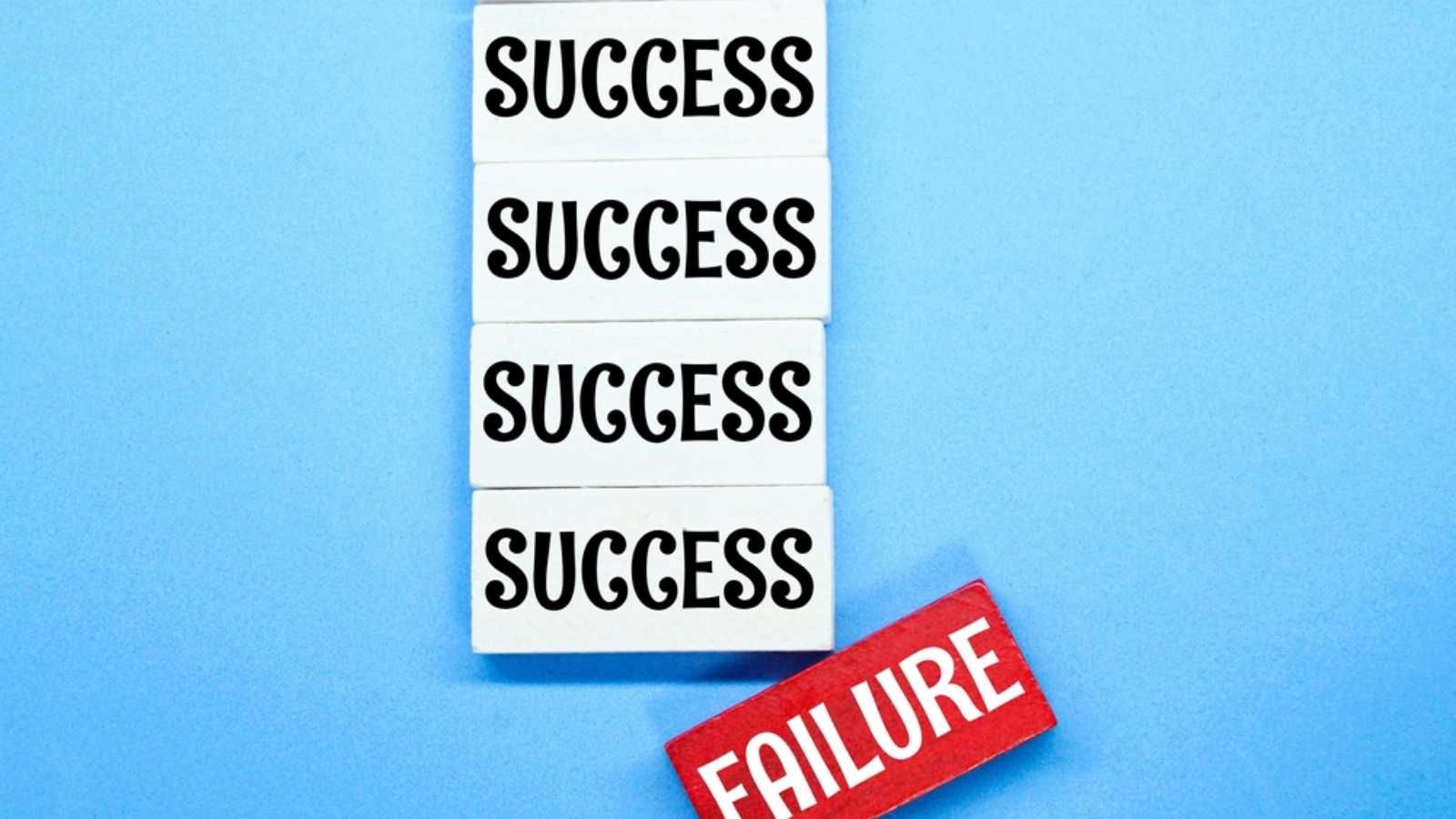
Smart people treat failure like feedback with bad manners. Adam Grant, an organizational psychologist, argues that original thinkers often produce many bad ideas before a few good ones survive, and his TED Talk highlights failure as part of the creative process.
The smarter rule says fail small, learn fast, and adjust before the stakes get silly. A failed draft, pitch, product, or conversation can teach you more than endless planning. Smart people don’t chase failure for fun, because who does that? They just don’t let fear of embarrassment be the boss of every decision.
Obey workplace norms without question

Smart people follow rules that protect people, privacy, fairness, and trust. They question the rules that only protect outdated habits. Microsoft and LinkedIn’s 2024 Work Trend Index found that 78% of AI users brought their own AI tools to work, indicating that workers often move faster than company policies allow when they need better tools.
That does not mean smart people casually dump sensitive company data into random tools. Please don’t become the reason IT sends another terrifying memo. It means they ask for safer, better systems rather than pretending that clunky workflows deserve loyalty. Smart people push for progress with judgment, not rebellion for sport.
Keep everyone comfortable

Smart people ignore the rule that says peace matters more than truth. They don’t pick fights for fun, but they also don’t nod through bad decisions just to keep the room cozy.
McKinsey’s 2023 State of Organizations research found that about 90% of organizations had embraced hybrid work models, indicating that major shifts force teams to rethink old habits rather than protect every comfort zone.
Comfort can help people feel safe, but too much comfort can freeze growth. Smart people ask direct questions, name problems early, and challenge weak ideas without attacking the person behind them. That balance matters. Nobody needs a workplace gladiator, but nobody needs a professional people-pleaser who smiles while the boat fills with water.
Key takeaway

Smart people don’t ignore rules because they think they know everything. They ignore rules that waste energy, block learning, reward appearances, or turn common sense into a committee meeting. The smartest rule may sound simple: keep what works, question what doesn’t, and stop treating old advice like it came down from a mountain on stone tablets.
So the next time someone says, “That’s just how things are done,” pause for a second. Ask whether the rule still helps real people make better choices. If it doesn’t, feel free to retire it politely, or dramatically, depending on your mood.
Disclaimer: This list is solely the author’s opinion based on research and publicly available information. It is not intended to be professional advice.
Like our content? Be sure to follow us.