If women want to find their forever person, they need to accept these 12 hard truths
A 2025 Pew Research Center survey found that half of single adults are no longer interested in dating or relationships, a sharp shift that explains why so many women feel exhausted before love even begins.
The old script about finding a soulmate early and building a life together no longer matches real life. Women now spend more years building careers, healing from past relationships, and learning what they will not tolerate. That growth creates stronger standards, but it also changes the dating pool in ways many people never expected. The search for a forever person has become less about luck and more about timing, patience, and emotional skill.
At the same time, modern dating pushes people into constant comparison. Apps offer endless options, social media shapes impossible expectations, and commitment often arrives slower than desire. Many women still want lasting love, yet the path now demands sharper judgment and more honesty than previous generations needed. Some truths feel unfair at first, but avoiding them usually leads to longer heartbreak later.
Love now takes longer than expected

The pale glow of a kitchen light flickers across untouched takeout containers while another engagement photo appears on your phone. You start wondering if everyone else figured life out earlier. Yet the numbers tell a different story.
The U.S. Census Bureau reported that the median age at first marriage for women reached 28.4 in 2025, up from 21.1 in 1975. That seven-year jump changed the rhythm of modern love. Women now spend more time building careers, paying off debt, and shaping independent lives before settling down.
That builds stronger self-worth, but it also compresses the years once devoted to dating, marriage, and family building. The hard truth is that lasting relationships now require more patience because serious commitment often arrives later for everyone involved. Waiting longer is no longer unusual. It is the new normal.
Standards sometimes shrink the dating pool
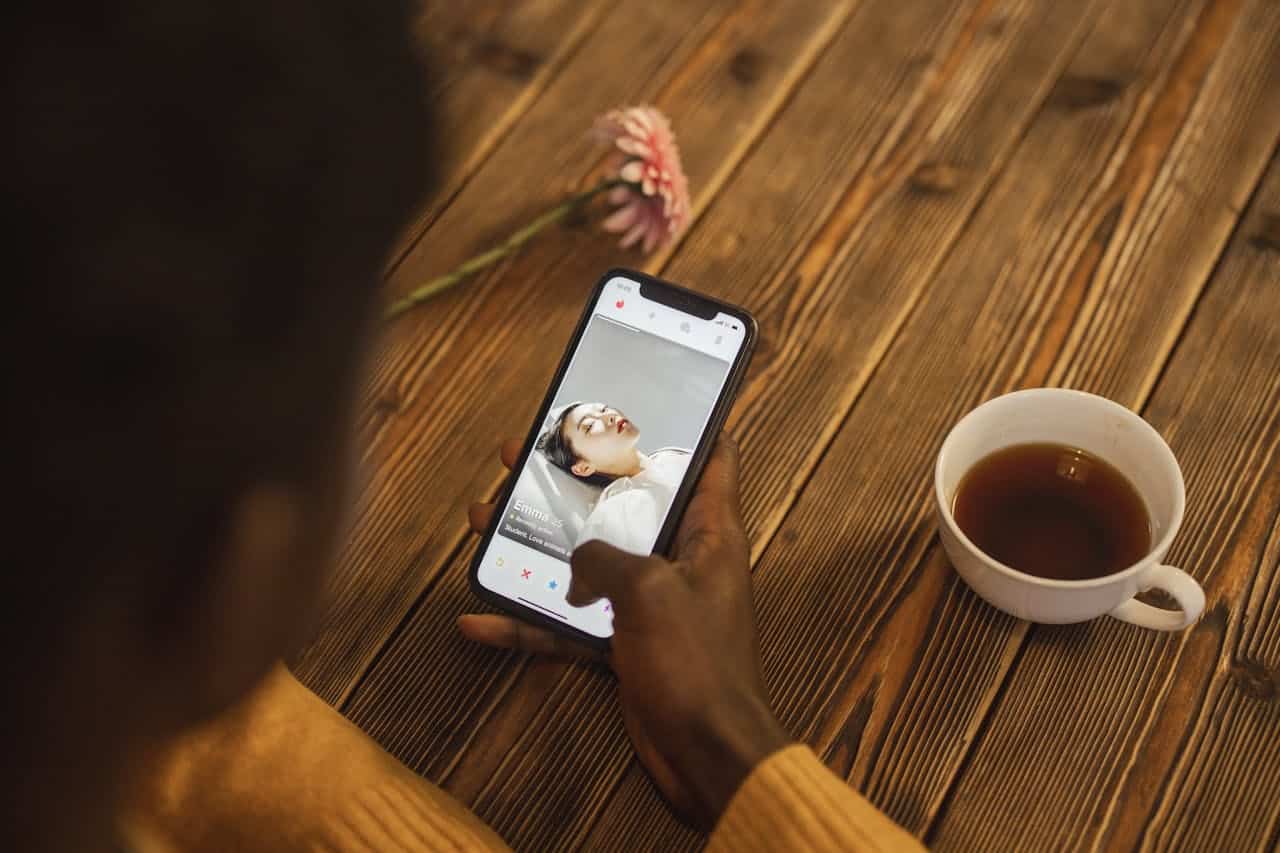
The soft tap of your thumb against a dating app screen becomes automatic after the tenth profile in a row. One man seems careless, another seems aimless, and another says he “doesn’t like labels.”
According to social analysis citing Pew Research and OKCupid data, women over 30 reject about 90% of dating profiles. That level of selectivity reflects a deeper shift in how women approach relationships. Younger women often chase chemistry first and ask questions later. Older women tend to reverse that process because experience teaches expensive lessons.
The problem is that high standards reduce wasted time while also dramatically narrowing the dating pool. Many women want emotional maturity, stability, ambition, attraction, and kindness in one package. Those qualities matter, but the hard truth is that strong standards require accepting fewer choices and longer waits.
Most singles are not looking for love
The stale smell of coffee hangs in the air while you stare at a half-answered text thread that has dragged on for weeks without a real plan. It feels personal until you realize how many people have mentally checked out of dating altogether.
A 2025 Pew Research Center survey found that 50% of single adults are not interested in romantic relationships or dating. Only a small share actively seeks serious commitment. That changes everything about modern dating. Many matches enjoy attention, conversation, or temporary comfort without wanting a future.
Women often mistake availability online for emotional readiness in real life. They are not the same thing. The hard truth is that finding a forever person now requires filtering through large numbers of emotionally passive people who may never intend to build anything lasting with anyone.
Passive dating rarely works

The music hums softly in the background while another Friday night slips by without plans, introductions, or even genuine conversation. Modern dating no longer runs on accidental encounters the way older generations remember.
According to a 2025 survey reported by the American Enterprise Institute, 74% of young women had not dated or had dated only a few times in the previous year. That statistic reveals how disconnected many people are from the dating culture.
Women hoping love will arrive naturally through routine often face long stretches of silence instead. The hard truth is that effort matters more now because many people are staying home, avoiding vulnerability, or hiding behind screens. Building a lasting relationship usually requires saying yes to invitations, sometimes making the first move, and staying socially visible even after disappointment.
Moving in together doesn’t guarantee commitment

The sound of keys dropping onto the same kitchen counter each night starts to feel comforting and permanent. Shared groceries, shared rent, and shared routines create the illusion that marriage naturally comes next.
Yet the numbers show that cohabitation carries risks when couples drift into it without clear plans. The National Center for Family & Marriage Research found that 80% of recent marriages began with couples living together first. At the same time, research cited by relationship analysts shows couples who move in before engagement face a 39% higher divorce risk than those who commit first.
The hard truth is that proximity can disguise uncertainty. Living together tests compatibility, but it does not replace honest conversations about marriage, children, finances, and long-term goals. Too many couples slide into shared space before they build shared direction.
Stable people often build stable marriages

The sharp scent of printer paper and office coffee lingers after another exhausting workday, yet the stress reveals something important about long-term relationships. Stability matters more than chemistry alone. According to the Pew Research Center analysis of federal data, the divorce rate for married women dropped to 14.4 per 1,000 in 2023, far below its 1980 peak of 22.6.
Researchers linked part of that decline to education and financial stability. That reality feels less romantic than the love stories in movies, but it shapes real outcomes. Couples with similar ambition, financial habits, and long-term discipline often survive pressure more successfully.
The hard truth is that emotional attraction cannot carry a relationship through every season alone. Women searching for forever usually need to pay close attention to how a partner handles work, money, responsibility, and stress before trusting promises about the future.
Forever does not mean enduring unhappiness forever

The quiet scrape of a suitcase rolling across hardwood floors echoes louder when it happens after decades of marriage. Older generations once treated staying married as a duty, no matter how miserable life became. That mindset is fading quickly.
Research highlighted by Purdue University showed that divorce rates for adults over 65 have tripled since the 1990s, reaching 15% in 2022. Women today have greater financial freedom and fewer social penalties for leaving unhappy relationships. That shift changed the meaning of commitment itself.
The hard truth is that lasting love cannot survive on endurance alone. A forever relationship still needs respect, effort, attraction, and emotional safety decades later. Many women now understand that staying trapped in bitterness is not proof of loyalty. It is often proof that two people stopped growing together years earlier.
Dating has become harder than it used to be
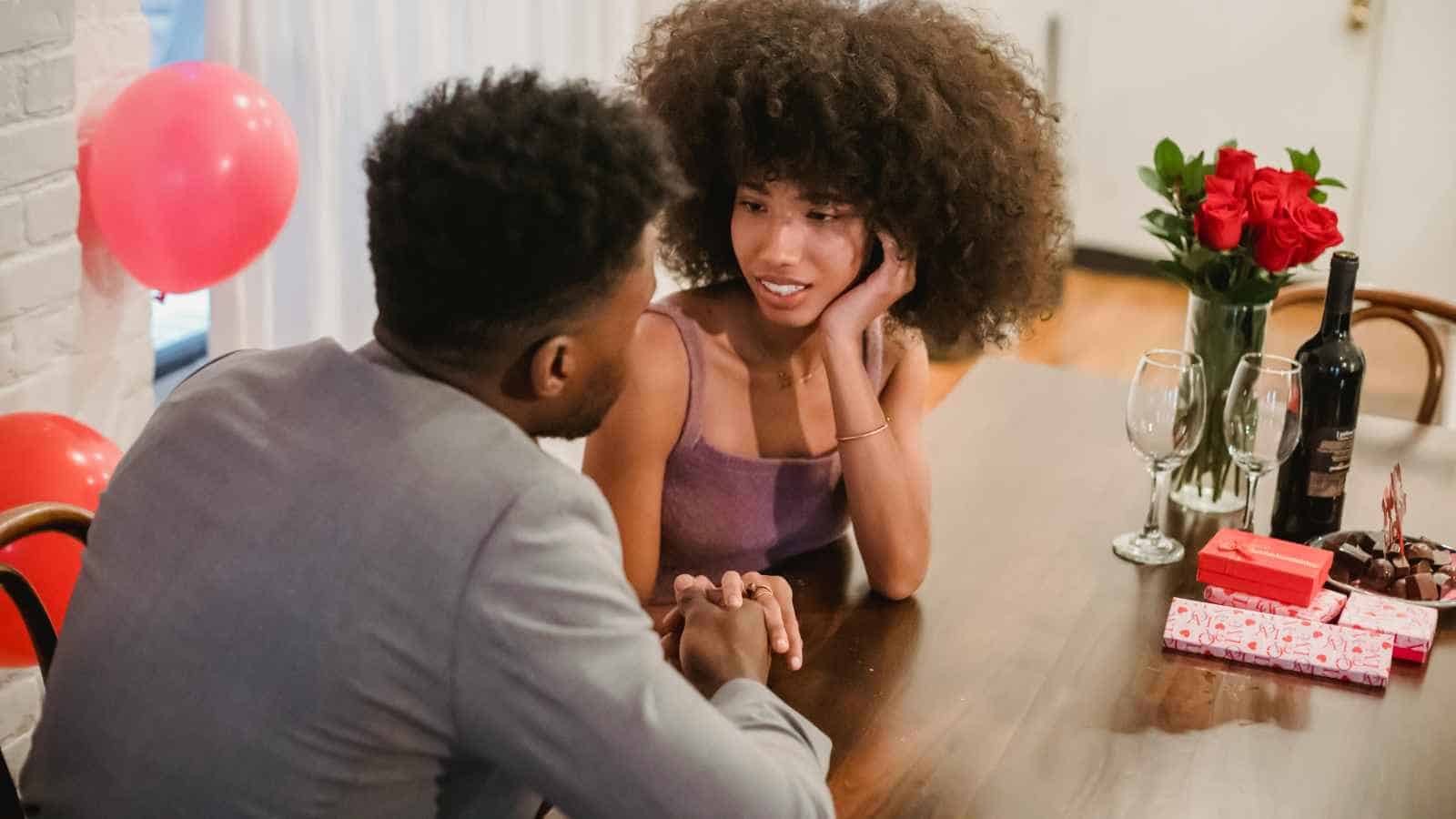
The buzz of restaurant chatter fades while you watch couples silently scrolling through phones across the room. Something about modern romance feels thinner and more distracted than before. A Pew Research Center study found that 55% of women believe dating has become harder over the last decade.
That feeling reflects real cultural changes rather than simple pessimism. Apps created endless access to potential partners, yet endless choice often weakens focus and commitment. Social media also trains people to compare real relationships against curated fantasy versions online.
The hard truth is that modern women must develop thicker skin and stronger emotional boundaries because dating now involves more ghosting, more confusion, and more emotional burnout than earlier generations faced. Love still exists, but it demands far more patience than many people expect.
Most couples meet online now

The cold blue light of a phone screen illuminates your face long after midnight while another profile loads with a practiced swipe. It may feel impersonal, but digital dating now shapes modern relationships more than family introductions or chance meetings ever could.
Research from Stanford University found that 39% of heterosexual couples met online by 2017, compared with only 2% in 1995. That shift means apps are no longer a backup plan. They are the primary meeting place for modern romance.
The hard truth is that women searching for lasting love need digital judgment as much as emotional instinct. A polished profile can hide dishonesty, immaturity, or fears of commitment. Successful women learn how to read patterns, spot inconsistency early, and leave quickly when actions fail to match words. Online dating rewards discernment more than hope.
Long relationships still fail without steady effort
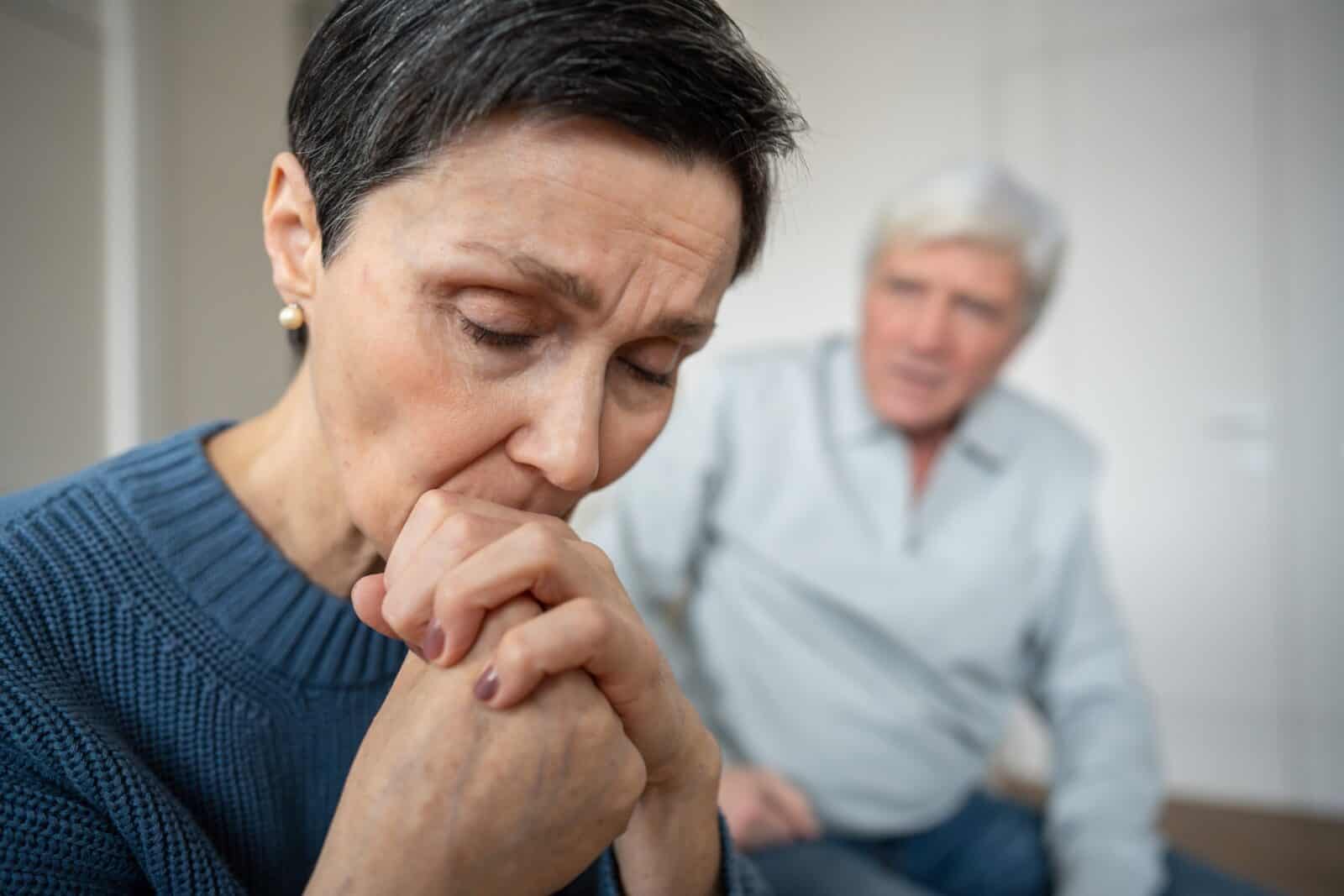
The sound of dishes clinking after dinner feels ordinary until one day the silence between conversations becomes impossible to ignore. Many people believe lasting relationships become safe once enough years pass, but the data tells another story.
According to the Pew Research Center, the median marriage ending in divorce lasted 12 years in 2023, up from 10 years in 2008. That increase shows couples can stay together for long stretches while slowly drifting apart underneath the surface. Time alone does not protect love.
The hard truth is that forever relationships demand maintenance long after the honeymoon stage fades. Emotional attention, intimacy, shared goals, and honest communication cannot disappear once commitment feels secure. Couples who stop investing in each other often discover that years together and true closeness are not always the same thing.
Independence can make compromise harder

The low hum of an apartment air conditioner fills a space you built entirely on your own. Your routines work, your finances make sense, and your peace feels carefully protected. Modern independence gives women freedom that older generations rarely had, yet it also changes relationship dynamics.
Women now spend far longer living alone before marriage than previous generations did. That independence builds confidence, but it can also make compromise feel intrusive instead of natural. Sharing schedules, money, habits, and emotional space becomes harder after years of complete control over daily life.
The hard truth is that healthy relationships require flexibility from both people. Women do not need to shrink themselves for love, but a lasting partnership still asks for sacrifice, patience, and room for another person’s needs besides your own.
Chemistry alone is not enough

The warm rush of excitement hits when someone texts at the exact moment you hoped they would. Attraction feels electric at first, and many women mistake that intensity for a long-term fit. Yet relationship research keeps pointing toward something less glamorous.
Couples with aligned values and stable habits tend to remain together longer than couples driven mainly by passion. Chemistry creates momentum, but compatibility creates peace. The hard truth is that a forever person must fit your daily life, not just your fantasies.
Shared conflict styles, financial habits, family goals, and emotional maturity shape whether love survives pressure. Many women waste years chasing emotional highs while ignoring practical mismatches. Lasting relationships rarely feel exciting every second. More often than not, they feel calm, safe, and deeply reliable when real life becomes difficult.
Disclaimer – This list is solely the author’s opinion based on research and publicly available information. It is not intended to be professional advice.
Like our content? Be sure to follow us