12 customer service failures pushing people out of physical retail
Physical retail has a people problem, and it is not the one most executives are looking at. The industry has spent years blaming e-commerce for pulling customers away – and e-commerce has certainly pulled. But a growing body of evidence points inward.
Businesses around the world risk $3.7 trillion in sales due to bad customer experiences, a figure $119 billion higher than the previous year, according to Qualtrics research based on World Bank data. In the United States alone, that exposure reaches $1.4 trillion. The threat isn’t coming from a competitor’s website. It’s coming from the checkout line, the locked shelf, the associate who won’t make eye contact, and the return policy written to punish the customer for existing.
Brick-and-mortar retail still accounts for the overwhelming majority of transactions. Shoppers have not abandoned physical stores – they have simply raised the bar for what earns their presence. The stores losing them are not losing on price or product. They are losing on the basics: cleanliness, honesty, speed, and dignity. Twelve failures. Each one is avoidable. Most of them are ongoing.
The checkout line is costing stores billions

Over half of American shoppers have abandoned a store without buying anything because of long checkout lines, according to Zippin research, and 84% say it happened at least twice in the same year. Retailers are aware: 92% of them admit that peak-period wait times have directly hurt their revenues. What they haven’t fixed is the math. A Zippin calculation placed the total headwind from shoppers abandoning checkout lines at $555 billion.
Patience, as a category, has been shrinking just as fast. The Waitwhile State of Waiting report found that only 75% of consumers will tolerate a 15-minute wait today, down from 81% in 2024 – a six-point drop in a single year. Most Americans are willing to wait 8 minutes before walking away entirely. Eight minutes. Retailers are running against a clock that most of their floor managers cannot see.
The American Customer Satisfaction Index gave checkout speed a score of 78 out of 100 in its 2025 Retail and Consumer Shipping Study, placing it near the bottom of all benchmarks measured. Call centers scored 76; checkout speed, 78; promotional frequency, 79. Those three sat at the low end of 41,850 surveyed customers’ experience rankings. The bottom three metrics are a roadmap of where shoppers are losing patience – and where they’re deciding not to return.
Rude or checked-out staff send 42% of shoppers straight to a competitor
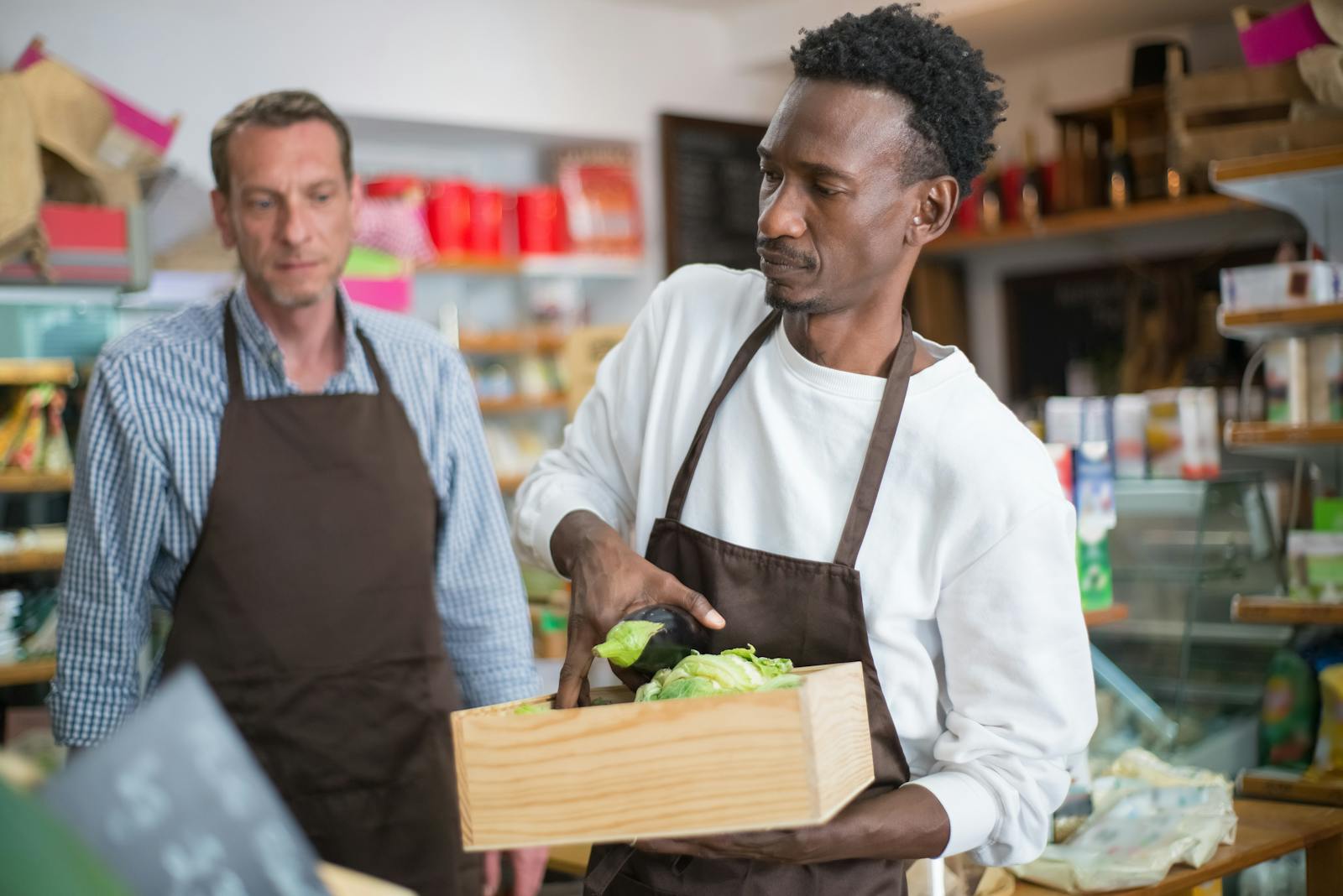
Customer-facing data shows that 42% of consumers treat rude or unhelpful employees as an absolute deal-breaker, permanently abandoning a brand after just one poor interaction. Permanently. Not paused, not complained – left.
Disinterested, ill-prepared, and unwelcoming salespeople cause more lost business and damaging word of mouth than any other management challenge in retailing. The behavior has a recognizable shape: the salesperson who notices a customer approaching, then pivots to restocking shelves or checking a phone.
The economic knock-on is measurable. When a customer doesn’t complain but leaves unhappy, an average of one in five is lost for good – a 20% revenue erosion per unarticulated complaint, per Customer Care Measurement & Consulting. If that customer does complain and receives a poor response, the damage jumps to 30%. If the complaint escalates badly, 50% of those customers never return.
The knowledge gap between shoppers and staff is now embarrassing retailers

Stores hire warm bodies when what shoppers need are knowledgeable guides. A study by Retail Systems Research, conducted from December 2024 through January 2025 with retail executives and store managers, found a widening knowledge gap between shoppers and associates – and documented that this gap is eroding consumer trust.
The number that should have retail training departments panicking: 83% of customers believe they know more about a product than the retail workforce. That figure exists because shoppers have largely stopped expecting staff to be useful. They research at home, walk in already decided, and treat the associate as a transaction point rather than a resource.
Younger shoppers are disproportionately frustrated by this, partly because staff are trained to watch them more closely for potential theft, creating a dynamic where surveillance replaces service. That calculation has a quiet consequence; a generation that already prefers browsing alone has found an easy exit: the self-checkout kiosk, where no one follows them.
Empty shelves are quietly bleeding retailers of $1 trillion a year

IHL Group estimates that global retail revenue losses from out-of-stock products reach up to $1 trillion annually. Within the United States, 9% of shoppers who encounter an out-of-stock item switch retailers permanently after just one negative experience. Not one in a hundred – one in eleven, gone forever, from a single empty shelf.
Retailers, meanwhile, have expanded online assortments, creating a quiet absurdity. By leveraging drop-shipping, extensive third-party vendor networks, and centralized online fulfillment, retailers can capture higher gross merchandise value and cater to niche demands without holding costly in-store inventory.
A Retail Insight survey of over 1,000 U.S. grocery shoppers found 78% had experienced out-of-stock items in-store in the prior 12 months. Seven in ten said the problem had gotten worse since the pandemic. The most corrosive detail sits inside that: more than half of shoppers have arrived at a store to find an item listed as available online simply wasn’t there – a wasted trip that doesn’t just cost a sale, it costs the store the next visit too.
Dirty stores are driving customers out before they buy anything

Most shoppers decide within seconds of walking in whether a store respects them. A grimy floor, a restroom that hasn’t been checked since the morning shift, shelves with product spilling into the aisle – none of it reads as an oversight. It reads as indifference. And indifference is easy to leave. The competitor two blocks away, or the app already open on the customer’s phone, requires no tolerance.
Cleanliness consistently generates the highest volume of negative customer feedback across measured retail categories, ranking above checkout speed and customer service. Staff friendliness, by contrast, generates the most positive feedback.
Stores are hiring pleasant people and then not giving them the time or tools to clean. The result is a floor associate who is warm, willing, and standing in a store that silently signals neglect. That combination doesn’t hold customers. The investment in cleaning infrastructure consistently trails every other customer-facing area, which is a strange priority for an industry where the first thing a shopper sees on arrival determines whether they stay.
Pricing errors are happening at over half of all U.S. stores
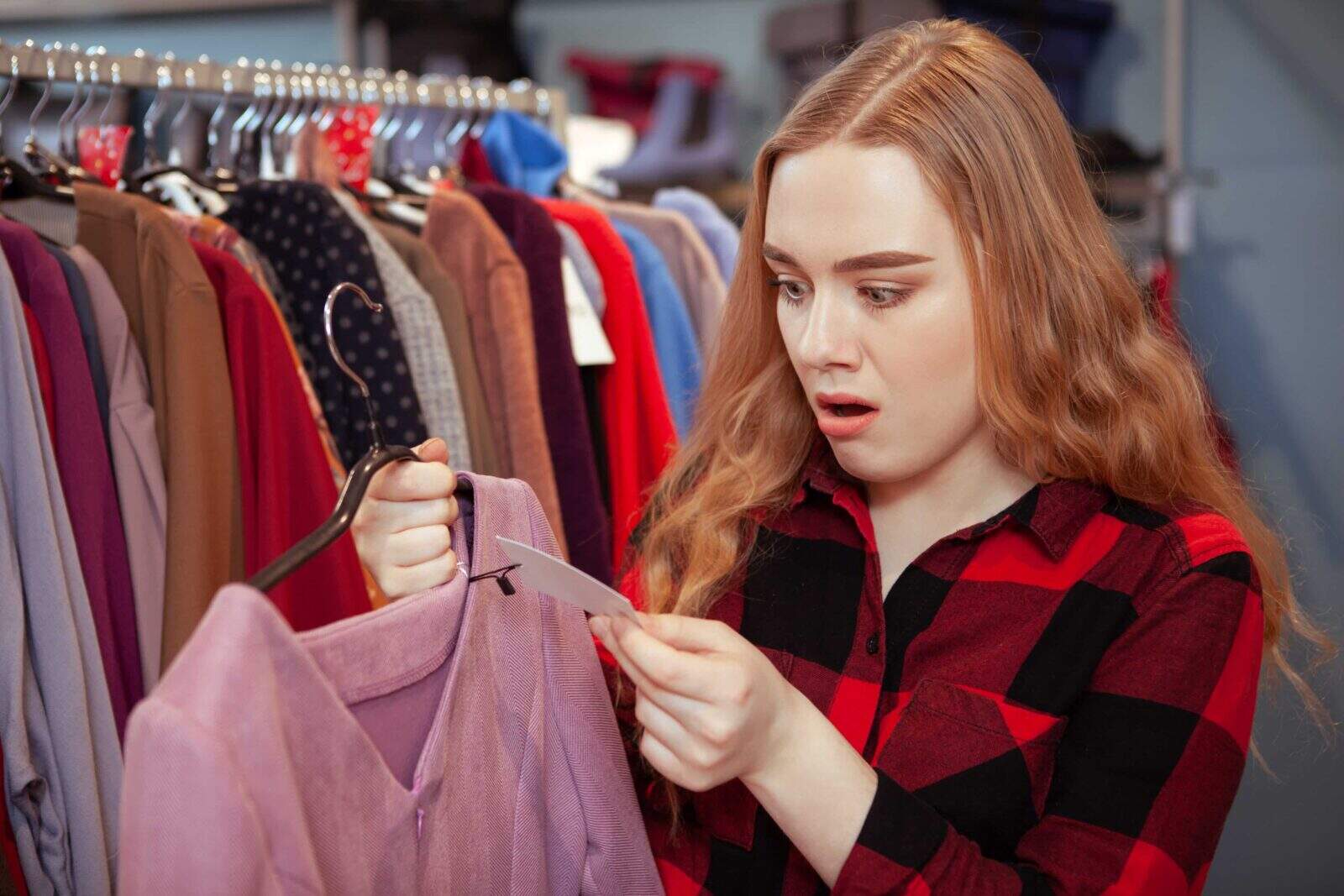
Over half of all stores have mismatches between the prices labeled and the prices scanned. For independent retailers, that number climbs to 69%. A customer who finds a lower price on the shelf and is charged more at the register typically does not chalk it up to an administrative error. They feel deceived – and that feeling travels.
One major retailer faced a $850,000 settlement in Wisconsin after 662 items out of 7,344 scanned rang up at a price higher than advertised. States maintain price scanner accuracy laws, and enforcement has grown alongside them.
When in-store prices contradict what shoppers have already seen online (and the default assumption is that physical stores should match or beat digital prices), shoppers don’t complain. They freeze, leave, and open the app in the parking lot. Price consistency isn’t a logistics concern. It is, measurably, a reason people stay or go.
Self-checkout killed the human moment and sparked a backlash

In June 2024, a Redfield & Wilton Strategies survey conducted for Newsweek found that 43% of shoppers support removing self-checkouts from retail stores entirely. That is nearly half the shopping public voting against a technology that retailers spent years and hundreds of millions of dollars installing. Dollar General publicly acknowledged it had relied too much on it and began pulling back. Target restricted it to ten items or fewer. Walmart removed it entirely from selected locations.
The UK’s Booths supermarket chain went furthest, removing self-checkouts from 26 of its 28 stores. Their public statement became widely quoted: they were proud to have customers served by people, by human beings – actual intelligence rather than artificial intelligence. Wharton professor Santiago Gallino countered that self-checkout is unlikely to disappear from American retail, given what it offers operators in labor costs and scheduling flexibility.
Both things are true. The scale-back is real; the full reversal is not. What has shifted is the recognition that machines positioned as a service upgrade can, at scale, signal to shoppers that they are expected to do the store’s work for it.
Racial profiling in-store is chasing entire customer segments away

The Ontario Human Rights Commission found that Black shoppers are more than five times as likely to be surveilled in stores compared to white shoppers. Academic research published under the label shopping while Black: being followed without being offered help, bags searched after purchase while other customers walk out unchallenged, and staff using internal code language to flag shoppers as suspects without cause.
Jim Sluzewski, then Senior Vice President for Corporate Communications at Macy’s, said it plainly following a surge in profiling allegations: if a customer feels uncomfortable in one store, they will feel uncomfortable in multiple stores. The brand contamination spreads. Retailers, including CVS, Barneys, and Macy’s, eventually gathered at John Jay College of Criminal Justice in Manhattan to seek industry-wide responses – an acknowledgment that what was happening was not just a PR problem.
Shoppers who experience discriminatory treatment are not lost. They communicate those experiences to communities with dense social networks and significant collective purchasing power. The math on that loss is never fully captured in a quarterly report.
Complaint mishandling multiplies the damage it was supposed to contain
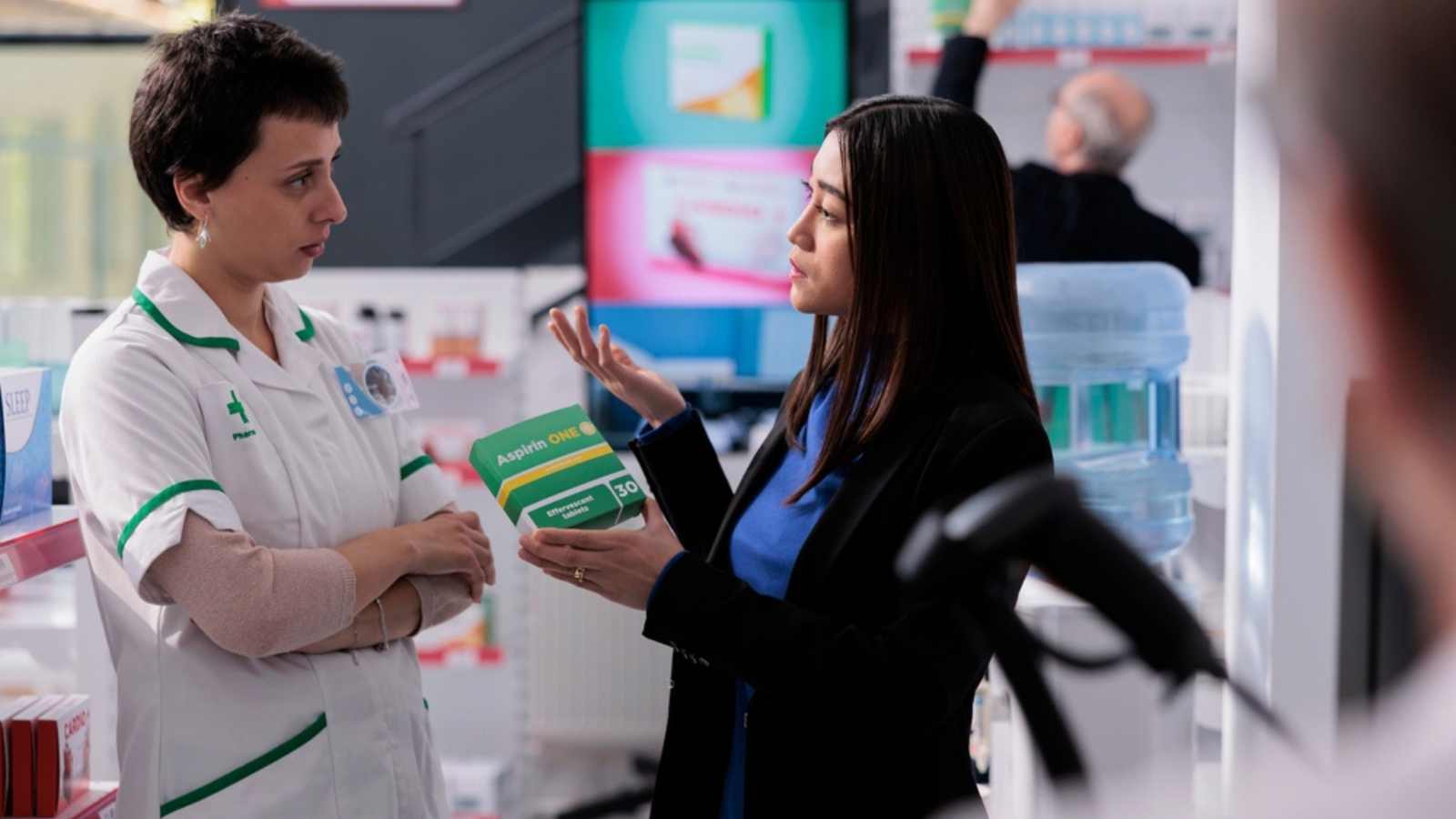
96% of dissatisfied customers leave without saying a word. They don’t complain – they leave. For the minority who do complain, the stakes are higher than most service teams understand. Research from Customer Care Measurement & Consulting found that a poorly handled complaint puts 30% of that customer’s revenue value at risk.
A failed escalation pushes it to 50%. The one-third who do share their experience tell an average of seven people – and that amplification happens before a single social media post is written.
What makes the complaint channel particularly unforgiving is the asymmetry: negative experiences generate 2.5 times as many online reviews as positive ones. A single bad response, handled publicly, can reach thousands. Retail already generates more social media complaints than almost any other industry. The audience for a mishandled grievance is never just the customer standing at the counter. One wrong move, handled wrongly, is enough.
Impossible return policies are sending shoppers online permanently
Over half of consumers have decided not to buy from a retailer solely because of return policy restrictions. The number hardens when fees enter the picture: when retailers that previously offered free returns introduce a charge, 88% of consumers say they stopped shopping with that retailer entirely. Nearly half of retailers that began charging return fees saw an increase in customer complaints; 37% lost customers directly.
Consumers’ negative return experience would discourage them from shopping with a retailer again. There is more to returns than software and logistics; retailers need to account for the emotional aspect. A customer returning an item is already disappointed. How that disappointment is handled determines whether they become a repeat buyer or a competitor’s new customer. Long refund wait times and confusing return instructions remain the two most cited pain points. Neither is it complex to fix. Both remain unfixed at scale.
The non-personalized store feels like a stranger’s house
McKinsey data shows 76% of customers become frustrated when companies fail to offer personalized interactions – and the consequences are proportional. 26% of customers would walk away from a brand entirely for failing to recognize them. Not for failing spectacularly. For failing to recognize them.
Physical retail is slowly and steadily losing this comparison. Online retail has years of behavioral data, purchase history, and preference mapping at its disposal. A shopper walking into a physical store gets a generic greeting, a generic floor layout, and a generic promotion stack – regardless of how many times they have been there or what they have previously spent.
Loyalty program enrollment, purchase history acknowledgment, or simply training staff to ask better questions are not innovations. They are the ground floor of customer dignity. The gap between what personalization delivers and what most physical stores actually offer explains a significant portion of retail’s ongoing foot traffic problem.
Locked and product-sparse shelves are making shopping feel like an interrogation
Retailers have removed specific products from their sales floors to avoid theft in at least some locations. The items now locked behind plexiglass – deodorant, razors, baby formula, electronics accessories – are ordinary consumer goods that require a customer to find an associate, wait for them to arrive, watch the item be unlocked, and then decide whether the inconvenience is worth continuing. It often isn’t.
The friction is clear in direction, even where it resists precise measurement. A customer who cannot immediately access a product has been handed a concrete reason to order it from the parking lot in thirty seconds.
The security response to theft is rational from a loss-prevention lens, but applied with no differentiation between the vast majority of shoppers who have no intention of stealing and the small minority who do. The store has created an out-of-stock experience for an item that is technically in stock – and the customer on the other side of the glass has already opened their phone.
Key takeaways

- Over half of American shoppers have walked out of a store without buying anything because the line was too long, and most have done so more than once. Eight minutes is the average breaking point.
- 42% of shoppers abandon a brand after one rude or unhelpful interaction, and the damage compounds silently: most dissatisfied customers never complain, they simply don’t come back.
- Global revenue losses from out-of-stock products reach up to $1 trillion annually, and locking ordinary goods behind plexiglass creates the same outcome for items technically in stock.
- When retailers that previously offered free returns introduce a fee, 88% of consumers stop shopping with them entirely, and over half of all U.S. stores have price mismatches between shelf labels and the register.
- Racial profiling drives away entire communities, not just individuals; complaint mishandling turns one frustrated customer into seven informed ones; and a store that feels generic to a shopper who has visited a dozen times is a store that has already lost them to a platform that remembers everything.
Disclaimer – This list is solely the author’s opinion based on research and publicly available information. It is not intended to be professional advice.
Like our content? Be sure to follow us